Overview
Taurus has been well-known worldwide for its double-action revolvers since 1941, but only got into the more retro single-action wheel gun market more recently. The company's first single-action offering, the Taurus Gaucho, popped up briefly in 2005, then faded back into gun lore. Since then, Taurus acquired Heritage Manufacturing in 2012, which makes a tremendous amount of single-action rimfire caliber revolvers every year – like 187,000 guns a year kind of production.
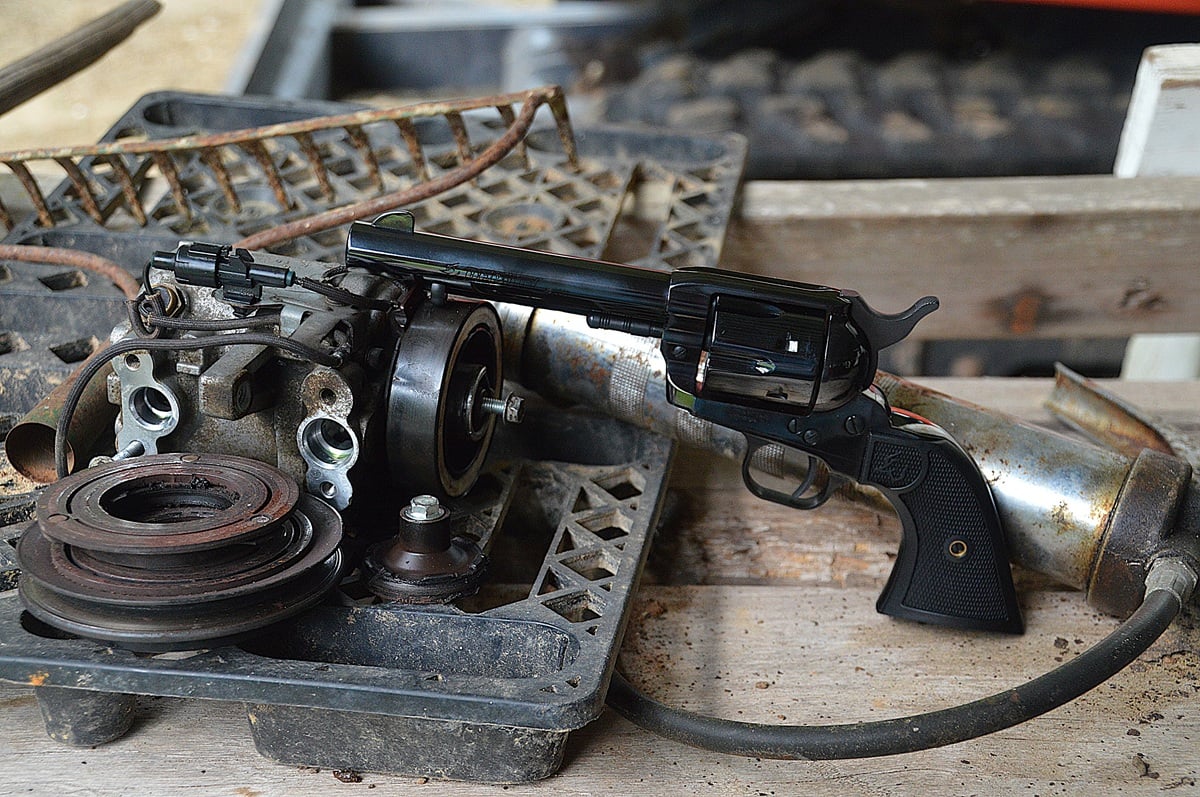
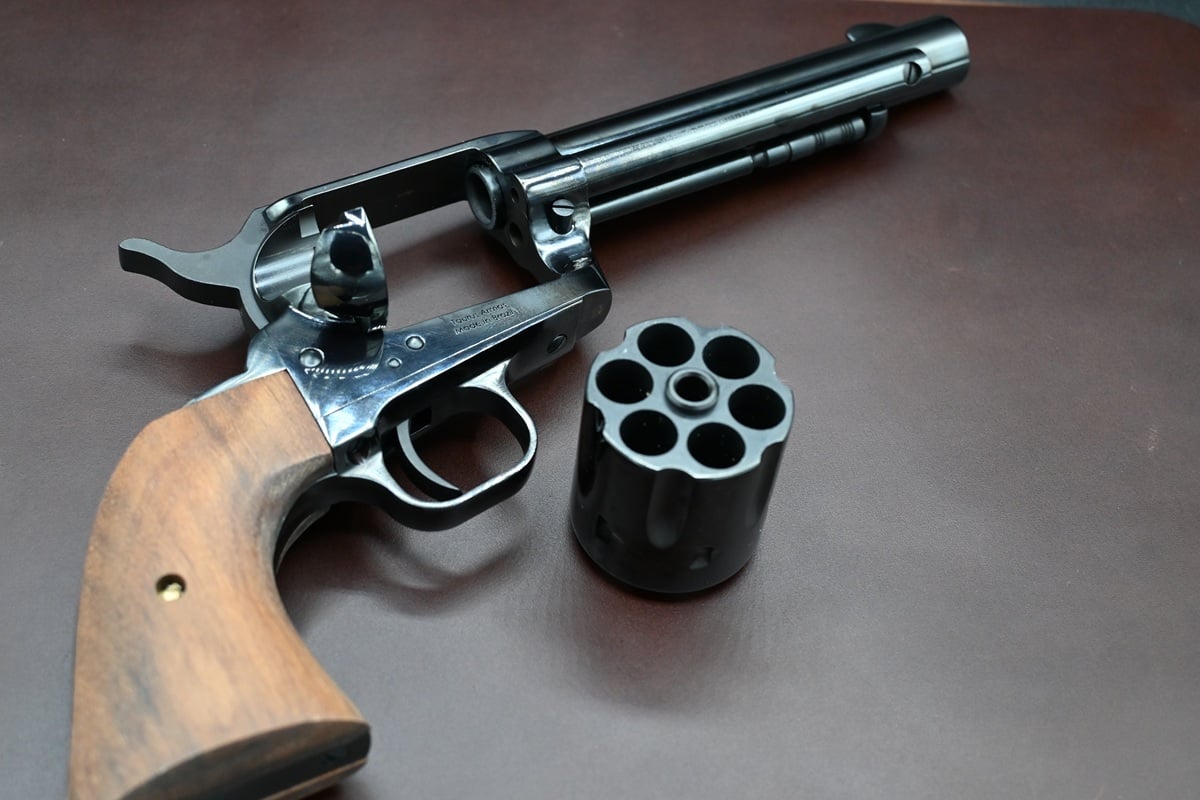
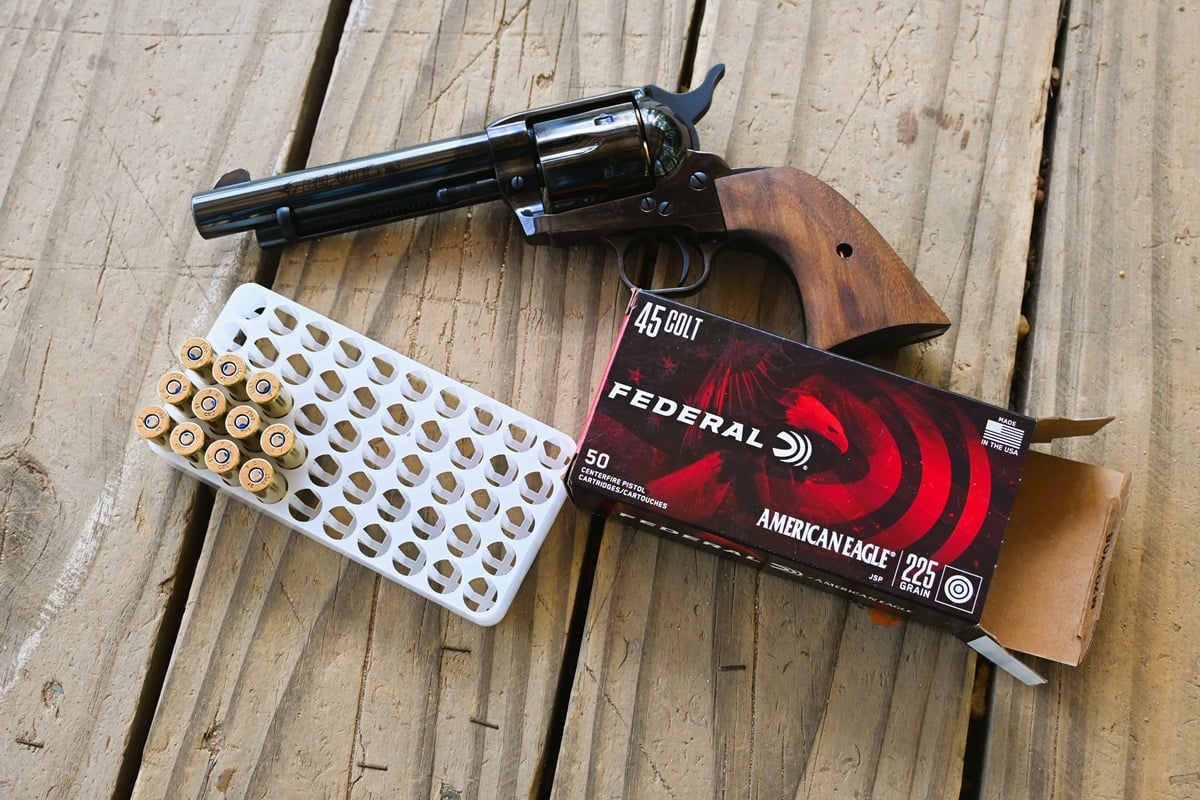
With the company owning such a huge slice of the rimfire single gun market, as well as the double-action centerfire market, it’s only natural that Taurus would make a traditional "four click" revolver, and in late 2024, it debuted the Deputy. A SAA-based revolver offered in two barrel lengths, a 4.75-inch "gunfighter" style, and a longer 5.5-inch, as well as in the iconic .45 Colt or .357 Magnum calibers, the Deputy is ready to ride.
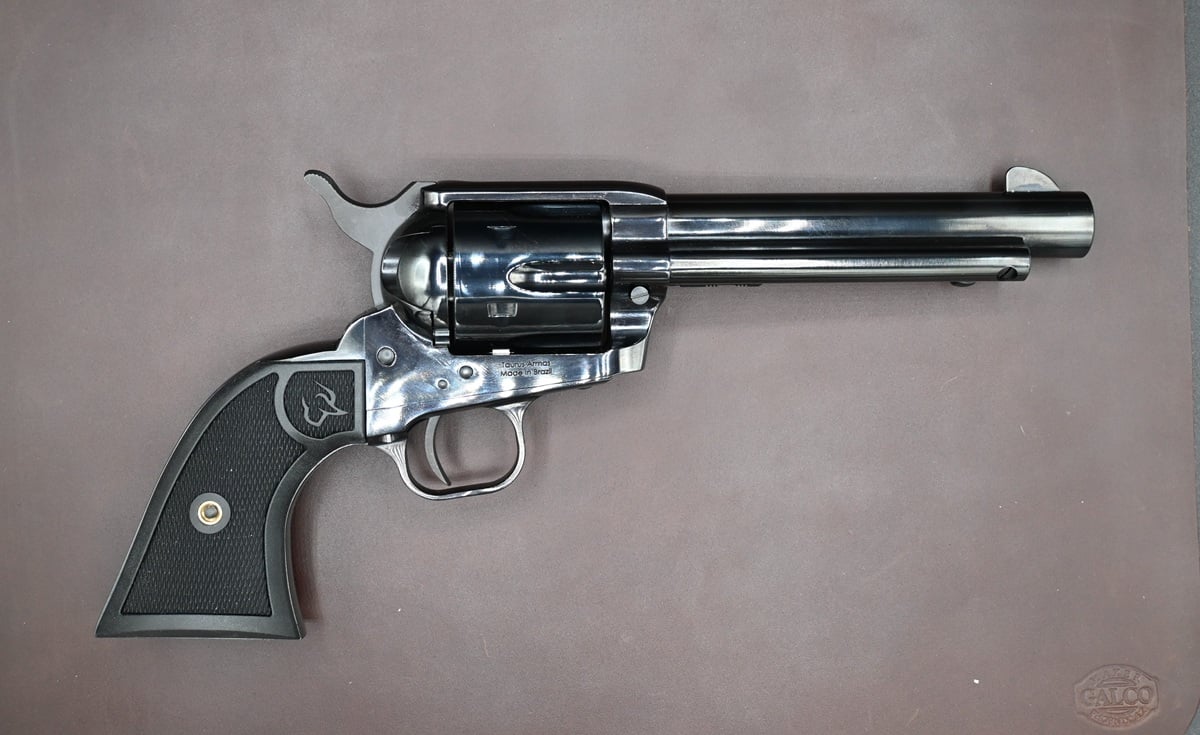

For full disclosure, Taurus provided this Deputy revolver for review purposes. All testing was done on this one gun, which has been under evaluation since July.
The Specs (.45 Colt,5.5-inch model)
- Overall length: 11.04 inches
- Barrel length: 5.5 inches, 1:16-in RH Twist
- Sight radius: 6.25 inches
- Overall width: 1.65 inches at the widest point over the cylinder
- Overall height: 5.11 inches
- Magazine capacity: 6-shot cylinder
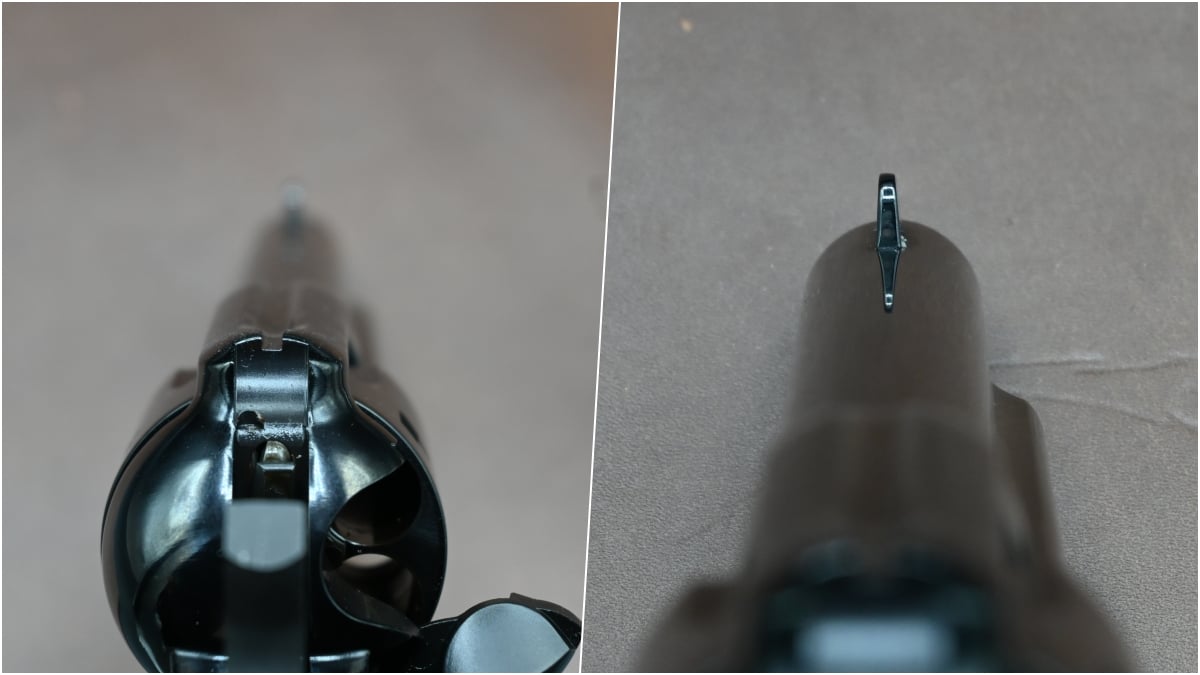
- Sights: Fixed
- Trigger pull: 4.25 pounds single-action (10-pull average).
-
Weight: 38.2 ounces (unloaded)
Features





Trigger
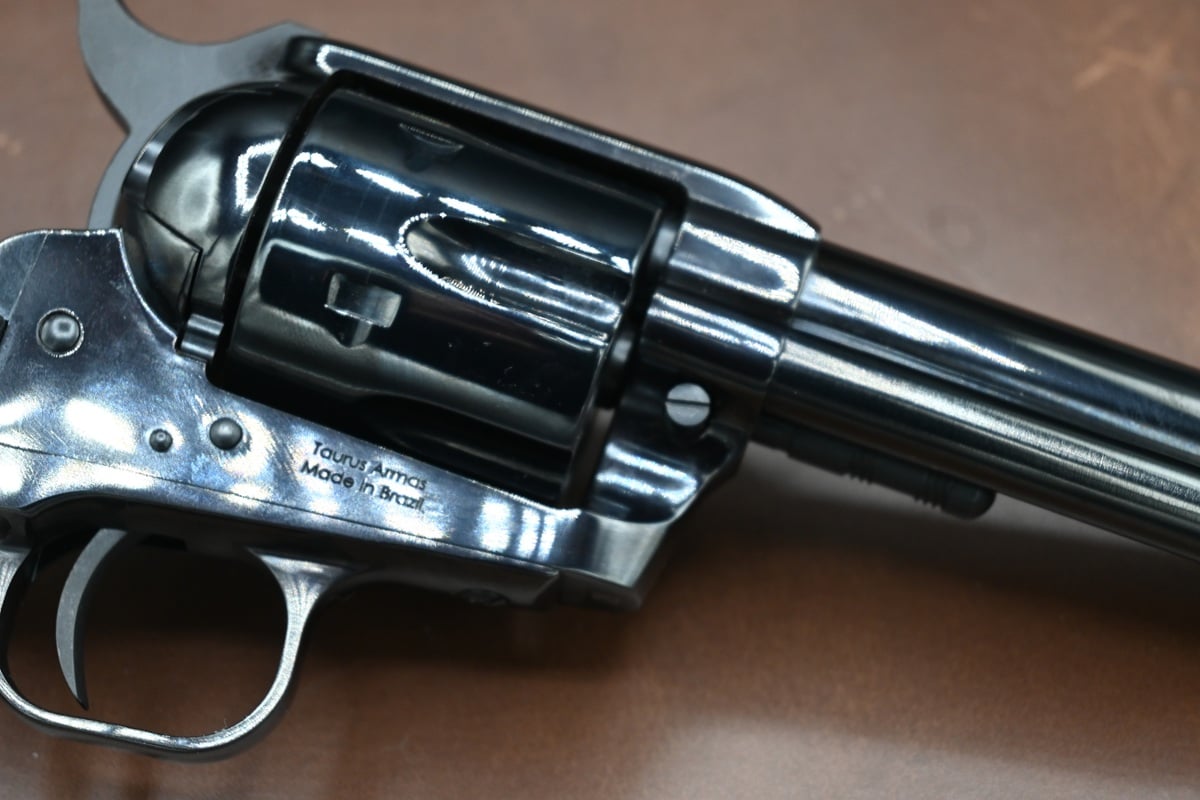
A single-action revolver, the hammer is a true modern "four click" SAA design with the first being the safety position, the second the half-cock, which allows the cylinder to spin freely, the third click, which is the cylinder stop engaging, and the fourth click for full cock. When it comes to the trigger, it is a super short with a crisp break at an average of 4.5 pounds.
The video below shows the Taurus digesting some stout S&B 230-grain JHPs, with me awkwardly trying to adjust my grip so that the camera can get an unobstructed view of the trigger/hammer cycle.
Reliability
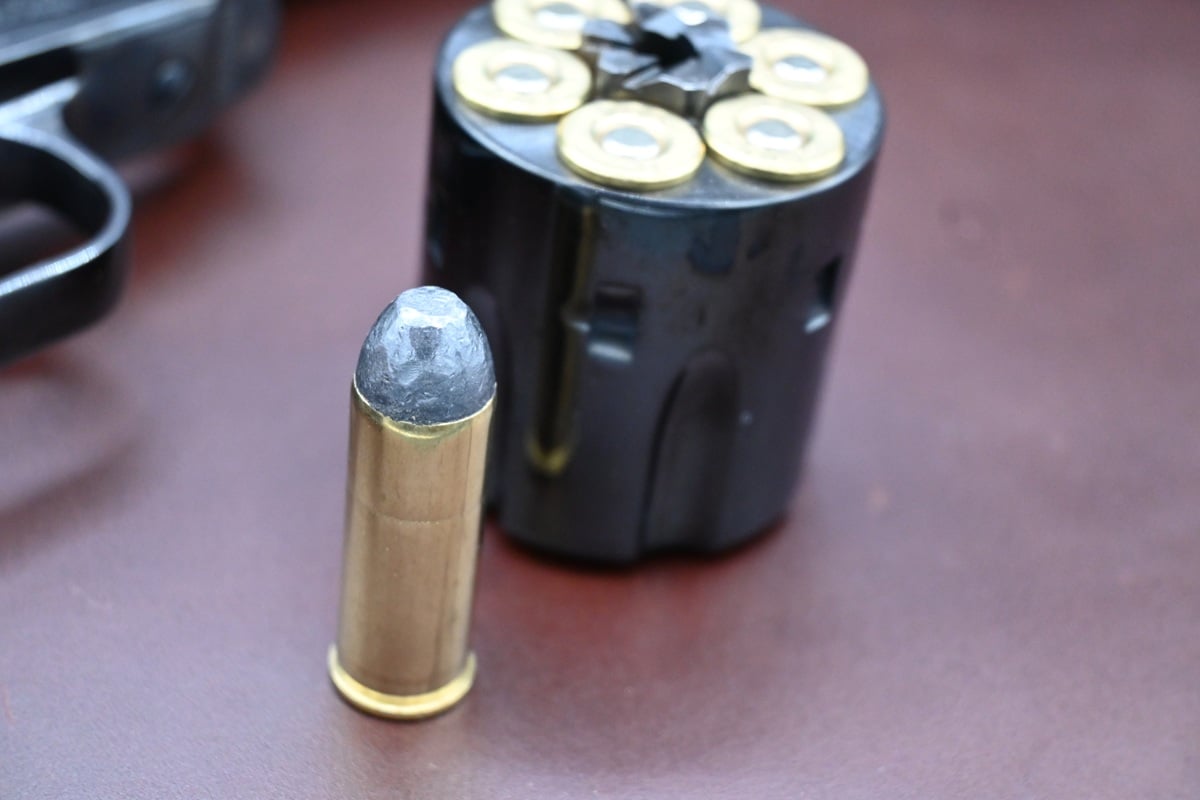
The Deputy is a tight gun and came pretty dry, so we applied a decent amount of Ballistol and cycled the action a bit before loading her up on the range. We ran just under 300 rounds of .45 Colt, mostly red box Federal American Eagle 225-grain jacketed soft points along with some low-recoil Hornady Cowboy Action 255-grain flat-nosed loads and S&B 230-grain JHPs. We only suffered one stoppage, with the cylinder/hammer binding up, but with some gentle massage and the muzzle in a safe direction, we were able to get it back into action.
Accuracy
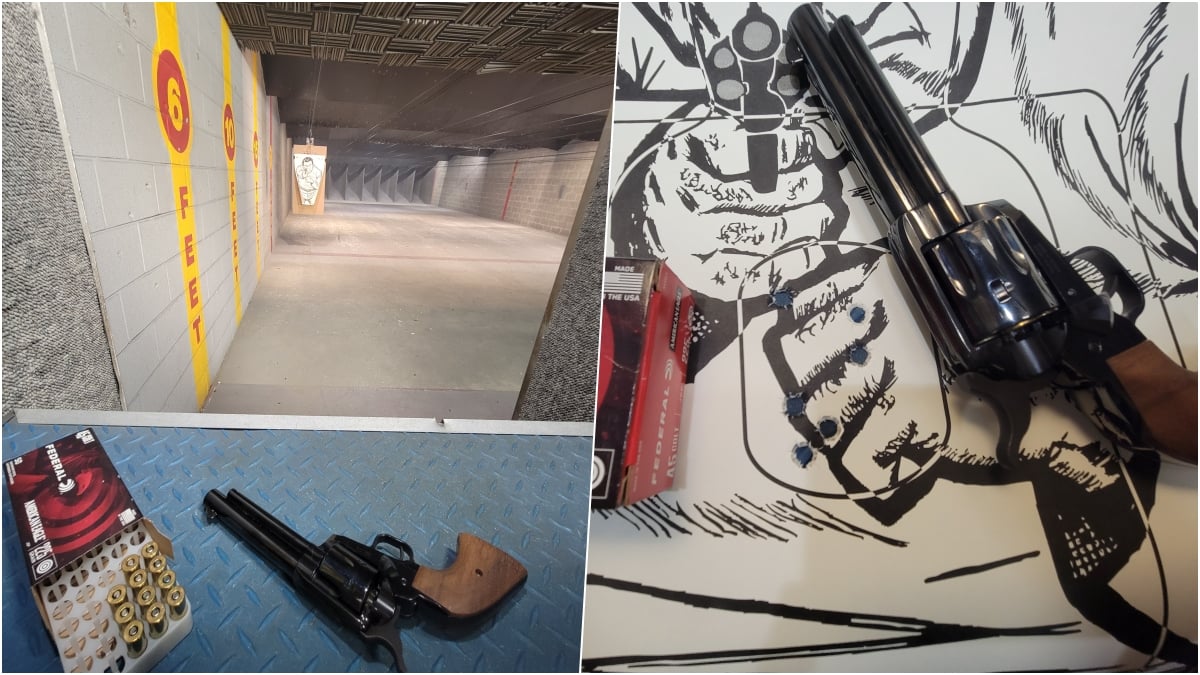
You have a long sight radius on the Deputy, but they are cowboy-style fixed sights with a shallow gutter rear. This leaves you having to apply Kentucky windage to align your point of aim/point of impact. We also found this to shift with different ammo loads. Naturally, with the single-action four-click cycle for each round, groups will widen in rapid fire. However, in slow aimed fire, we were able to get decent groups at 7 and 15 yards and still hit steel most of the time at 25.
Pros & Cons
Pros
- Simple, traditional design
- Has a transfer bar safety (makes it carryable)
- Four-click hammer
- Easy holster fits if desired
- Caliber and barrel length options
- Affordable
Cons
- Fixed sights
-
Learning curve on single-action revolvers
Conclusion
The Deputy is a great low-cost option for someone looking to pick up an SAA clone around a $500 price point. This puts it well under the ask for a Ruger Vaquero and on par or even under the price of an imported Pietta in the same caliber. We found ours to be a blast on the range and loved the fact that it is a four-clicker but still comes with a safety bar system.
As such, besides the "big iron on his hip" aesthetic, the Deputy is still a shooter that you can use for both sporting, and in a pinch, carry – say as a backup sidearm while bow hunting.
Our own Paul Peterson is working on a review of the more compact 4.75-inch model, so be on the lookout for that in the coming weeks.