History

To break it down simply, SIG first entered the micro-compact market in 2018 with the P365, which, at the time, offered the highest capacity for its size. The 365 quickly became America’s top-selling micro-compact pistol.
SIG then released the SAS and XL models. The SAS is a smooth-sided pistol for ultimate carry, while the XL increased round capacity to 12 and addressed the need for something slightly larger for better handling and shoot-ability.
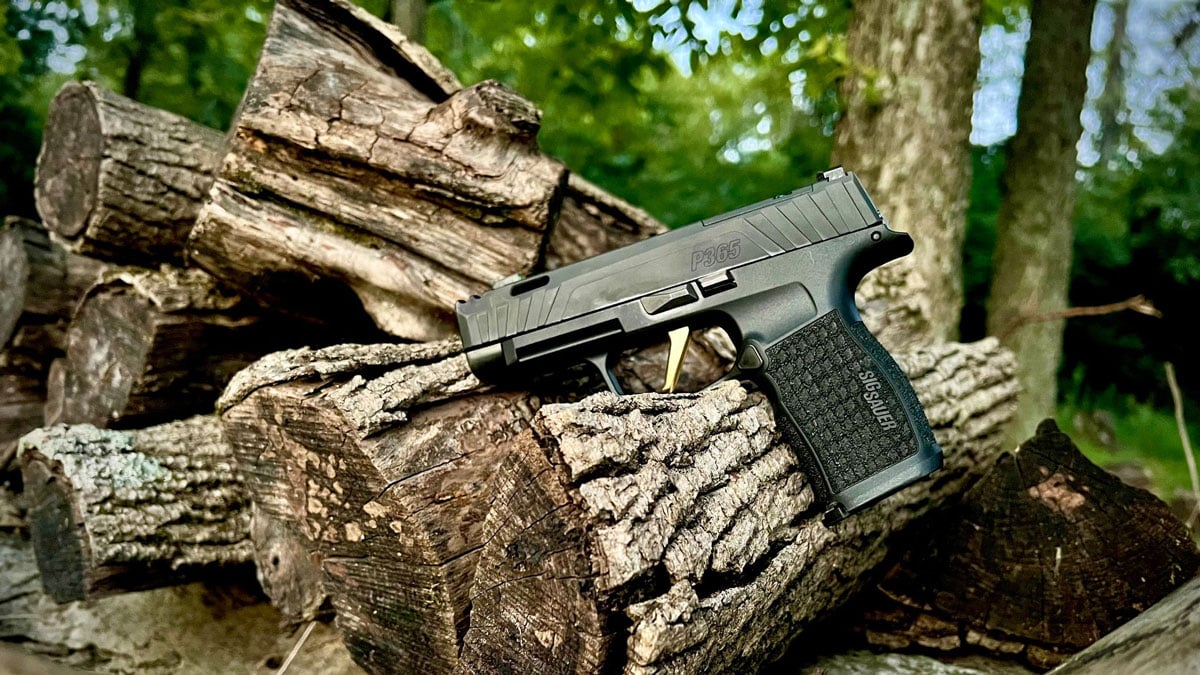
Embellishing on the 365XL, the 365 Spectre came with upgraded features all around, including the gold titanium nitride trigger and barrel, lightening cuts on the slide, serration changes, and the laser-engraved LXG grip module.
Now comes the 365XL Spectre Comp (for sanity’s sake this model will be referenced as the “Comp”). If you concluded that the Comp is a compensated version of the Spectre, you’re correct. The 365 Comp is SIG Custom Works’ second 365 release, as the company continues to turn up the notch with constant innovation of carry guns in the micro-compact market.
Related: SIG Sauer Factory Tour – Birthplace of the P365, P320, MCX & More
XL Spectre Versus XL Comp

In short, here are the differences: optics and compensator. The Comp includes all features of the Spectre, such as the nitride-finished barrel and trigger, laser-engraved grip, and the day/night sights. What SIG adds is an upgraded sighting system and compensator.
Also, note that while the Comp has an XL-length slide, the barrel is standard length due to the compensator.
Optics

As red dots are the new norm, improving on mounting systems is a smart move. The rear sight is dovetailed and no longer located on the rear mounting plate. This means you can now co-witness the red dot and irons, as well as pair suppressor-height sights with the dot.
In terms of the optic plate upgrades, this is perhaps the most underrated, yet most useful change SIG has made to the 365 platform. Due to size, I typically do not carry a dot. For this test I did not mount one but would like to in the future. Having a stationary rear sight is a game changer, personally I would never want to carry without a back-up system.
As a competitor, I’ve experienced several red dots go down, and in a defensive position, that is unacceptable. It is known that at some point all red dots will go down – it is just a matter of when. A backup system is key for a gun you are carrying for defensive situations. Such a great feature!
Other reviewers who used a dot did mention one drawback: the loaded chamber indicator. This small port in the top of the barrel near the opening of the chamber sends gas into the optic glass. The gas exposure results in dirty glass, which can impair vision of your dot. Severity of this visual impairment will vary with the optic, ammo, and number of rounds shot. But it is a known issue I wanted to mention.
It is also worth mentioning that the mounting screws are located on the top of the plate, making this a much easier system to use than the previous design. No longer do you have to fully disassemble the gun and remove the slide to access the mounting screws from underneath. Hallelujah!
Compensator
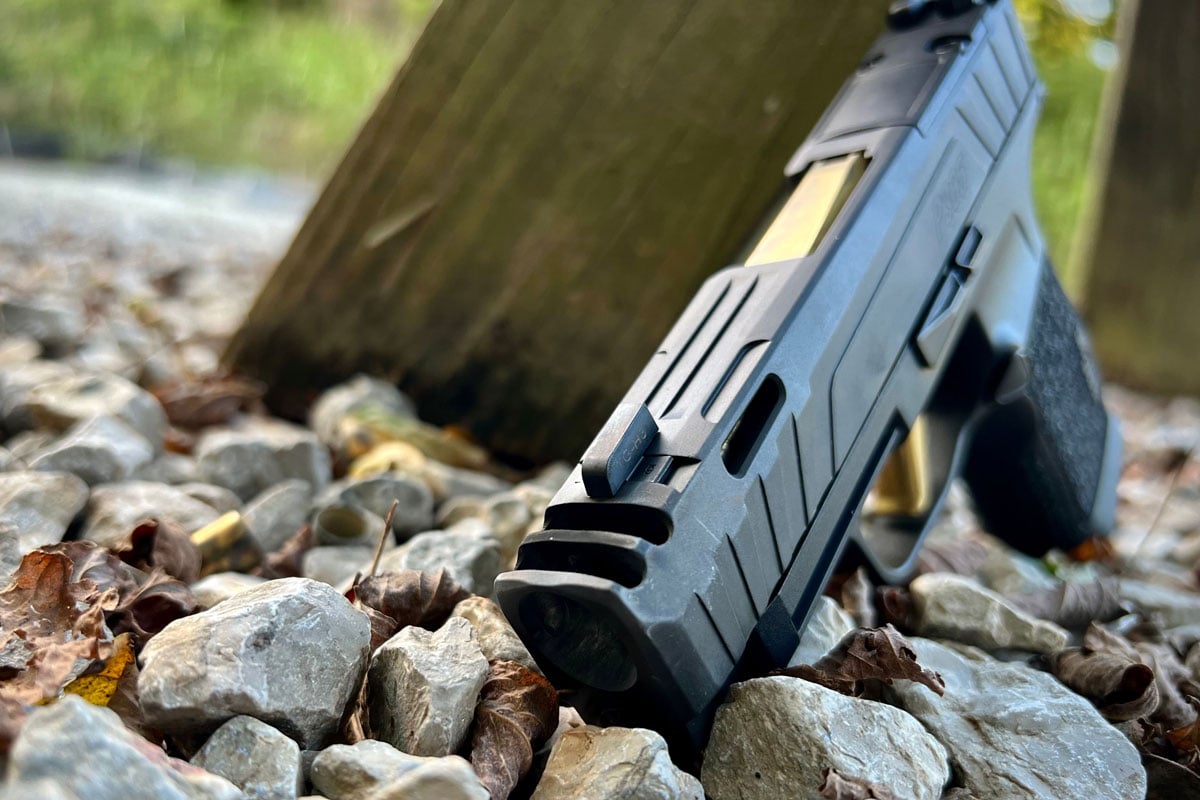
Let’s clear the air and say this is not a true compensator. Instead, the “comp” is more akin to a milled slide with compensator-like ports. A compensator traditionally is mounted directly to the barrel, requiring a threaded barrel and correct installation to work properly. Typically seen as two ports on the top of the barrel’s mounted end, gas is pushed up, which helps to drive the muzzle down and reduce muzzle rise, or vertical climb.
Compensators are used in open division pistol shooting and are extremely effective. They do come with a caveat, as true compensators make a gun more ammo-picky, and they require maintenance as they will loosen with use. Though the Comp does not offer a “true” compensator, I’m assuming Sig was trying to introduce the benefits of such a device without the drawbacks.
The comp on this gun is seen as top cuts in the slide, which don’t require maintenance or compromise reliability. Because it is not attached to the barrel, it cannot work as efficiently as a true compensator, but it does help. Slide cuts, in general, result in reduced reciprocating mass, which keeps the gun shooting flatter. The Comp’s compensator-like slide cuts do in fact send gases up and help to keep it even more flat compared to the other models.
At The Range
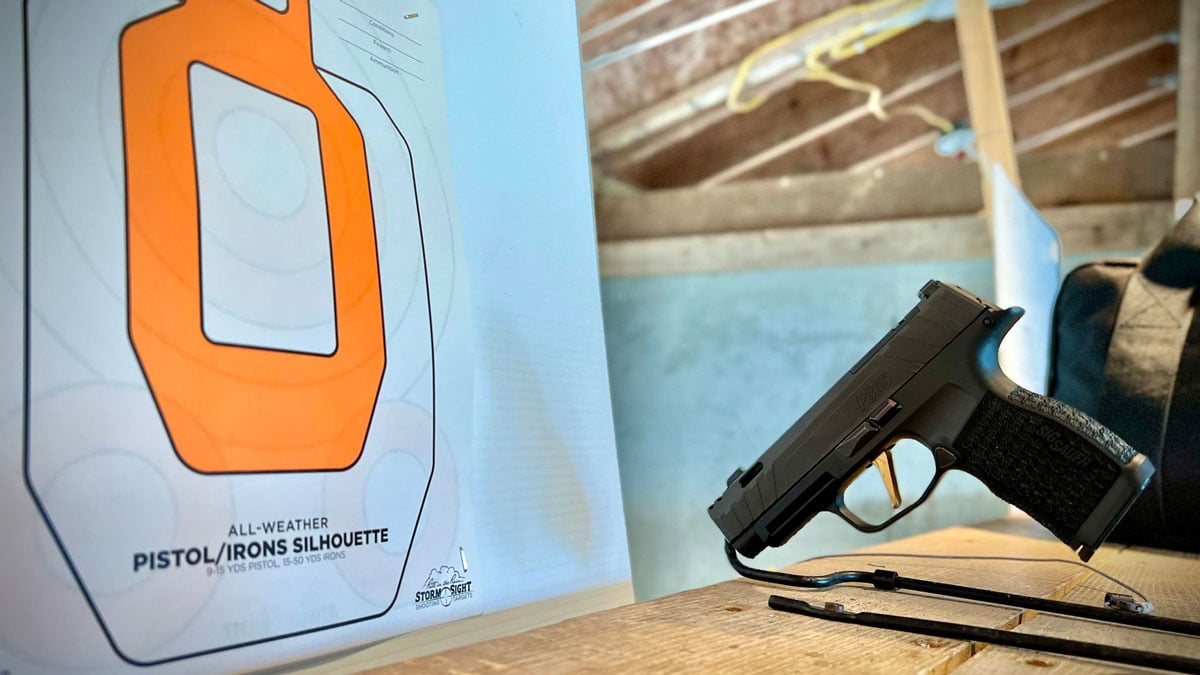
To be up front, I took this gun blindly to the range without looking at anyone else’s results with shooting the Comp. Having owned a standard 365 since they were first released, I wanted to see if I could feel the difference of the Comp model out of the box.
To be honest, I couldn’t tell a difference. A few mags into my first shooting session with the Comp, I decided to stop and grab the standard model for a direct comparison – still no difference. After spending more time behind the trigger, eventually the difference was realized in better split times.
If you were to slow-fire the Comp and compare it to other models, it’s hard to notice what it’s doing. However, when taking consecutive shots and pushing for time, the Comp reduces muzzle rise.
SIG claims to reduce muzzle rise by 30 percent. Whether that’s accurate, I cannot confirm. Four years’ experience with a standard model and 500 rounds with a Comp has me leaning toward saying the percentage is less, but perhaps playing with ammo types would make it feel more noticeable. For this test, I shot 147-grain Winchester White Box.
Other Features

Overall, the ergonomics and reliability are what we would expect with a 365-series pistol. There were zero issues, and everything felt familiar and easy to handle. The LXG XSeries grip is a big upgrade over the standard grip, it has a more robust texture which is noticeable when shooting. This texture helps to maintain a firm grip while not being too aggressive as to be a pain when carrying.
As someone who is a fan of titanium nitride, it was nice to see this finish. It is notable that there are reports of the finish getting blemished easily, something I did notice. After a couple hundred rounds, the barrel wore visibly. Though wear can be seen, I’d think with long-term use it would still perform better than the standard finish.

Titanium nitride typically resists rust well, something carry guns are notorious for. Some people love the gold and black contrast and others don’t, but this is purely personal. Same goes for the trigger shape – some prefer a flat trigger like what comes with this gun; others don’t.
Specifications

- Capacity: 12-round magazine
- Sights: X-RAY3 Day/Night Sights; Optic-ready
- Overall length: 6.6 inches
- Overall width: 1.1 inches
- Height: 4.8 inches
- Barrel length: 3.1 inches
-
Weight: 20.7 ounces
Overall Impressions