Overview
As defensive guns, revolvers have become an afterthought, with many in the camp that they are not a viable option. Admittedly, I tend to be of that mindset, and semi-autos dominate my collection. Still, in some circumstances the revolver has the advantage. As with anything, your training and experience will dictate your choices.

In 2025, there does appear to be a bit of a reawakening and interest in revolvers. The Model 19 Carry Comp has been on my radar for a few years, but I have been seeing it a lot more around the internet and social media. This smallish six-gun features a ported 3-inch barrel, boot grips, and more recently, aftermarket options for optics. While that may be sacrilegious, all sorts of handgun optics are surging in popularity, revolvers included.
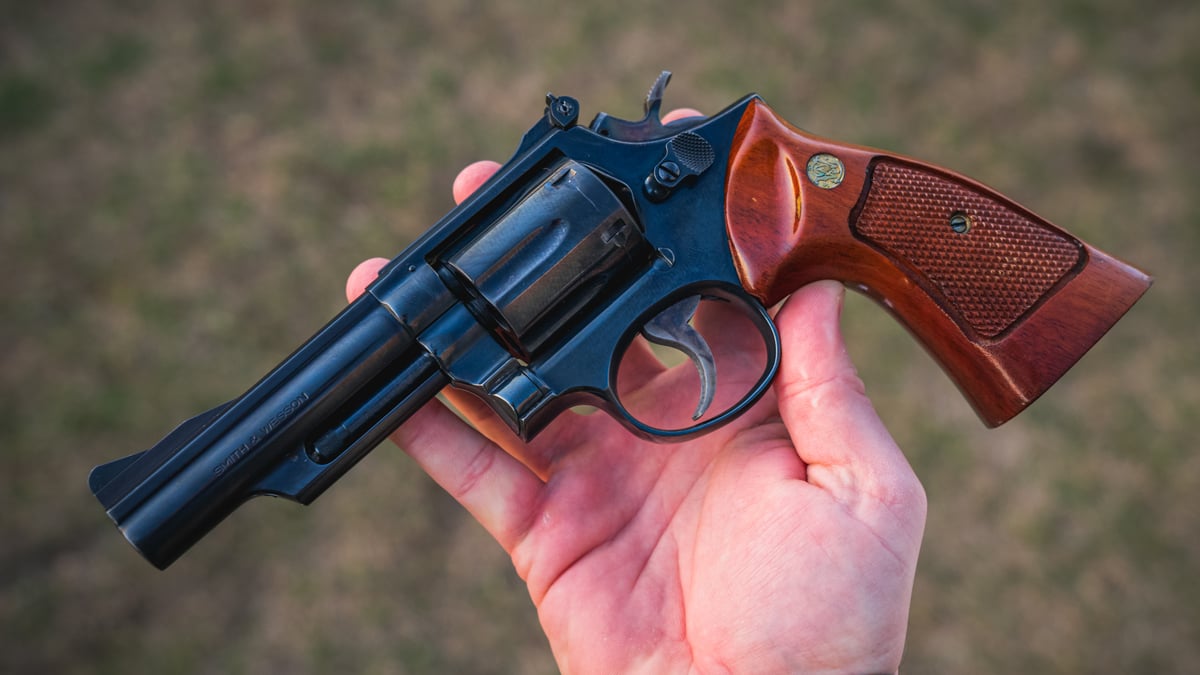
Smith & Wesson’s K frame is the company’s most versatile size. It can handle full-size .357 loads but is rather light. The Model 19 (blued)/66 Combat Magnum (stainless) is often hailed as the best do-it-all revolver in existence, and with good reason. These could handle duty-loaded cartridges and be worn all day by concealed carriers and police alike. Now in its ninth generation and still going strong, the K frame was the obvious starting point for Smith when making the ultimate carry revolver.
Features
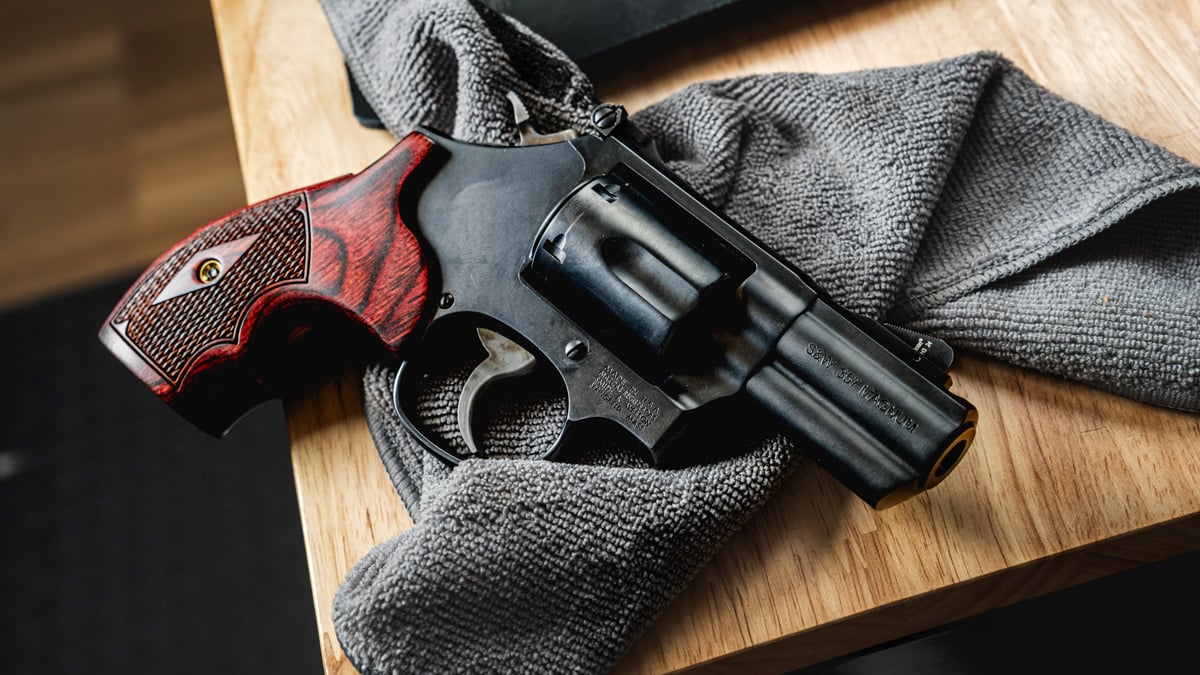
Lineage aside, the gun is stacked with old-school and modern features. The top strap is serrated to reduce glare and has the standard adjustable rear sights. The front sight is a tritium night sight that is blacked out in daylight. Rather than the stunning blue of old, the finish is more of a deep black. It is described as matte blue, but to me performs and looks much closer to PVD or the material on the M&P pistols.
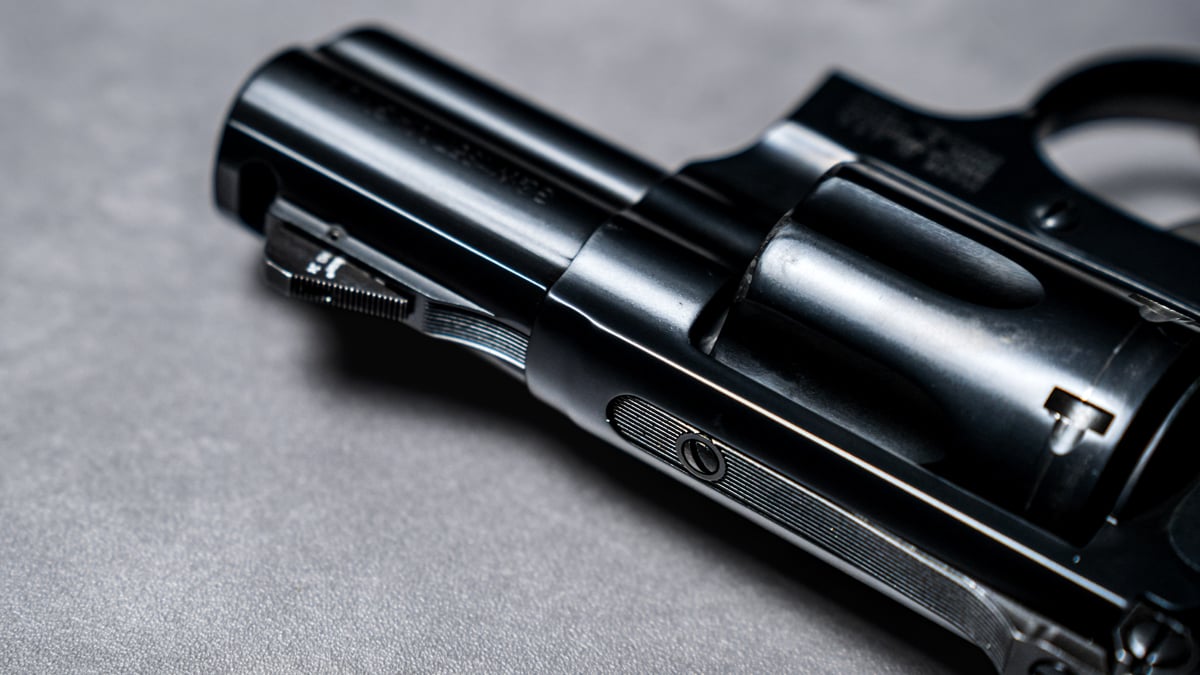

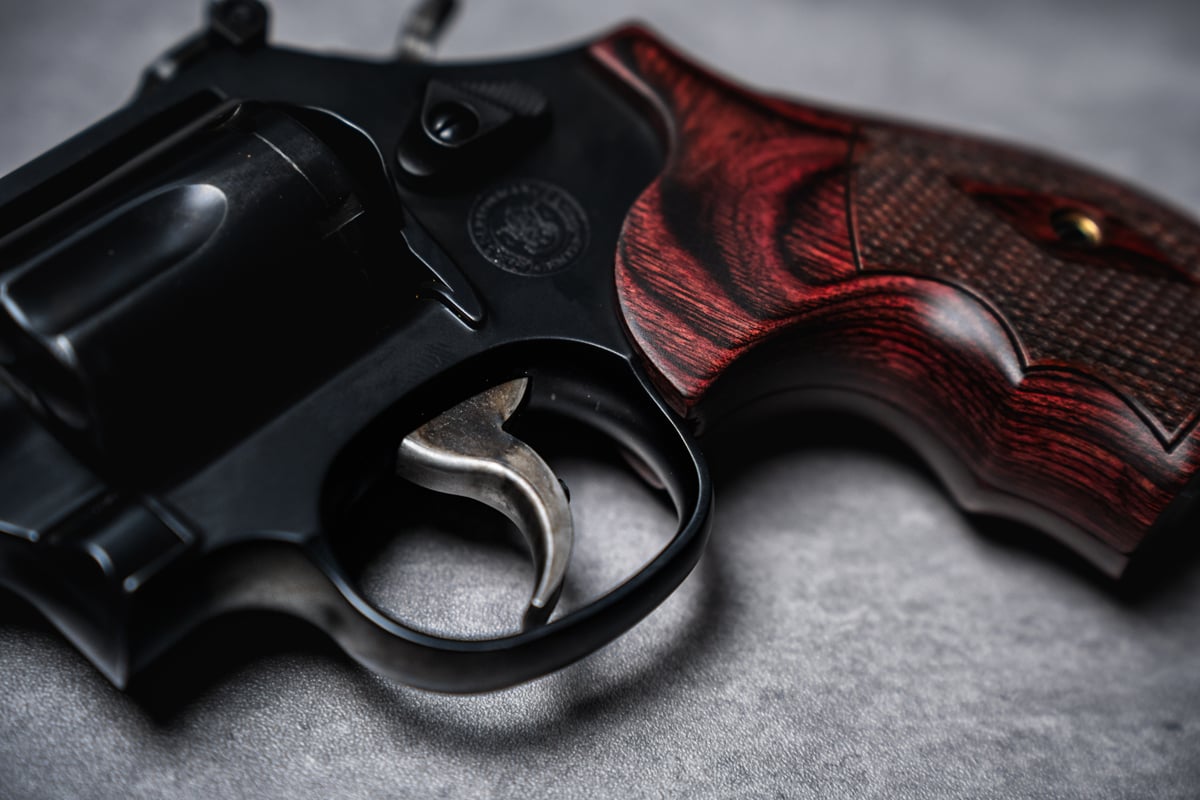
The 19 ships with stunning rosewood Altamont boot grips that print less and feel better against your body for carry. It also includes the larger Hogue rubber grips better at taming recoil on Magnum loads, but they can be a bit more tacky on clothing and against skin for carry. The wood tends to be rougher on your hands at the range for extended shooting, so having both grip options included is a plus.

As a Smith & Wesson Performance Center model, the Carry Comp comes with a tuned trigger. It is lightened on the double action, but while it is smooth, there’s considerable stacking and it’s still quite heavy. For more precise shots, the single action is extremely light, with zero take-up and a clean break. It’s unlikely you would use it in a defensive situation, but it is nice for longer shots when applicable.
The main feature of the Carry Comp is its ported barrel. The barrel measures 2.5 inches to the front sight and is ported on the final half-inch. Ports and comps are all the rage lately. On a defensive gun that can shoot full-power .357 Magnums, any help staying on target is appreciated. The gun maintains decent ballistics with a short barrel but allows a shooter to group better and faster. The entire package is a unique take on modernizing the wheel gun and using it as a serious tool in your carry rotation.
Specs
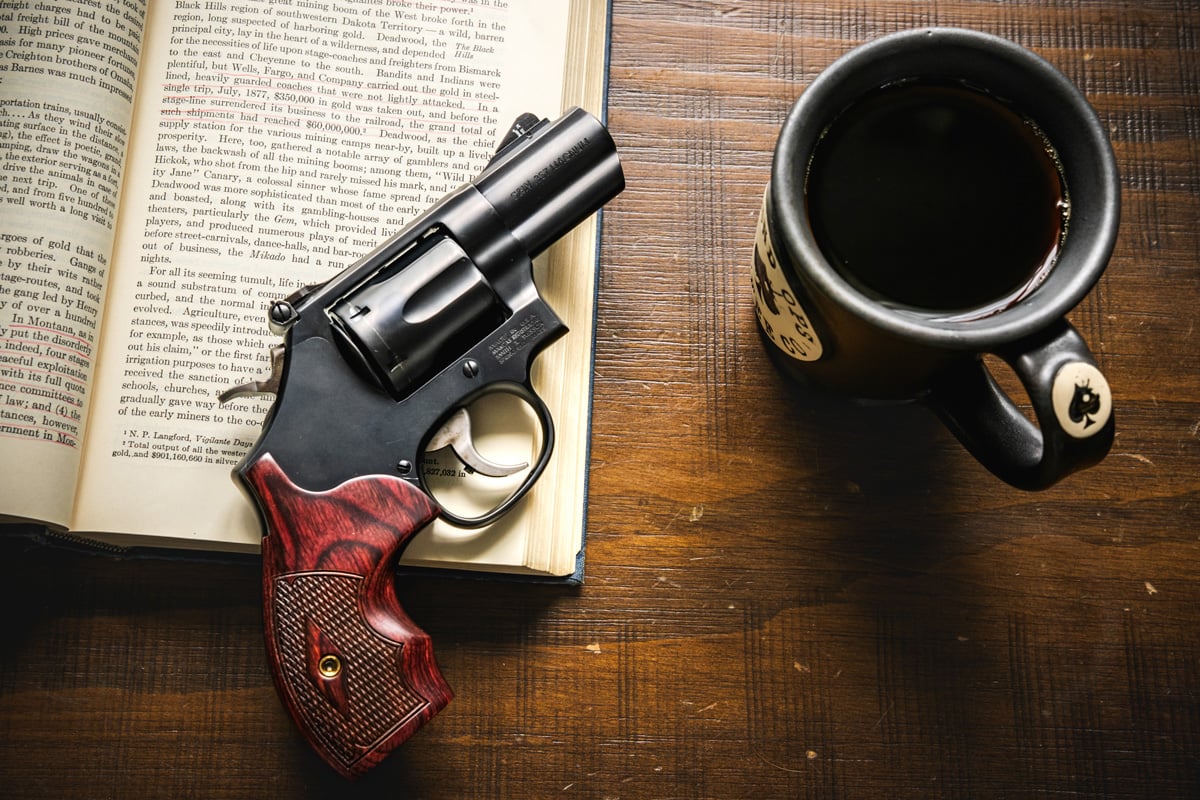
The gun’s dimensions are interesting. It is not overly small and is nearly the same size as the similarly named Glock 19. For carry, you can tuck a bit more of the gun away due to the way a revolver’s bulk is pushed forward. Of course, the cylinder is wider than most semi-autos, which contributes to its larger stature. Built from a combination of carbon and stainless steel, the 19 has enough mass to soak up some recoil but is closer to a 1911 in weight than any polymer, striker-fired option.
- Width: 1.45 inches
- Length: 8 inches
- Weight: 34.5 ounces
- Caliber: .357 Magnum/.38 Special
- Capacity: 6 rounds
- Barrel Length: 3 inches overall, 2.5 inches of barrel and .5 inch added with ported section
- Sights: Adjustable blacked-out rear and Tritium night sight front
-
Trigger: Double action/single action
Why Carry It?
Since 2018, I’ve owned a revolver in some form or fashion, mainly because they are cool and have history. Through the years, I’ve cycled through different options from Ruger, Colt, and S&W. You can’t be a true “gun guy” without owning a wheelie, but I just don’t have a ton of practical use for them. The 19 Carry Comp is wider, heavier, and holds nine fewer rounds than a Glock 19. So, why would you even consider this today?


The main reason is the round. A .357 Magnum carry round is devastating. With most encounters happening up close, the ability to end a fight quickly is preferred. The gun also has a cool factor that is a consideration for many shooters. With some training and speed loaders, these can be run somewhat fast, but you might consider this gun for a specific use like deeper concealment for closer quarters.
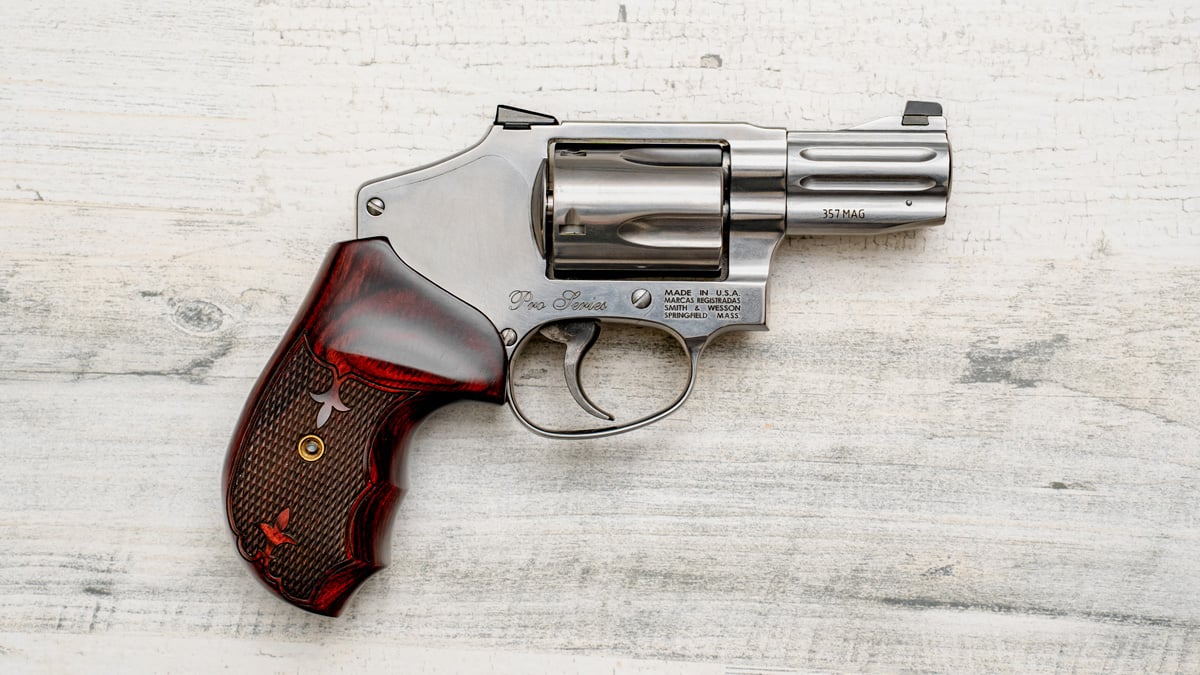
I’ve seen a lot of people adding optics to these, too. The combination of a better sight picture, a nice trigger, and higher energy rounds can help make those six rounds count.
Range Report
I was excited to get this handgun to the range. When I posted about this gun on social media, it received a ton of positive comments, building my anticipation even more.
I took 150 rounds to the range, 50 of which were 15-grain .357 Magnum. First, I fired through a full cylinder of .38 Special to get a feel for the gun, keeping a slow and steady pace. The recoil is more of a nice push, nothing crazy, and it feels like 9mm. What I really noticed is the trigger. Despite being a Performance Center gun, the trigger is still heavy. It’s not as heavy as other stock S&W revolvers, but it’s noticeable. I was pulling shots to the right.
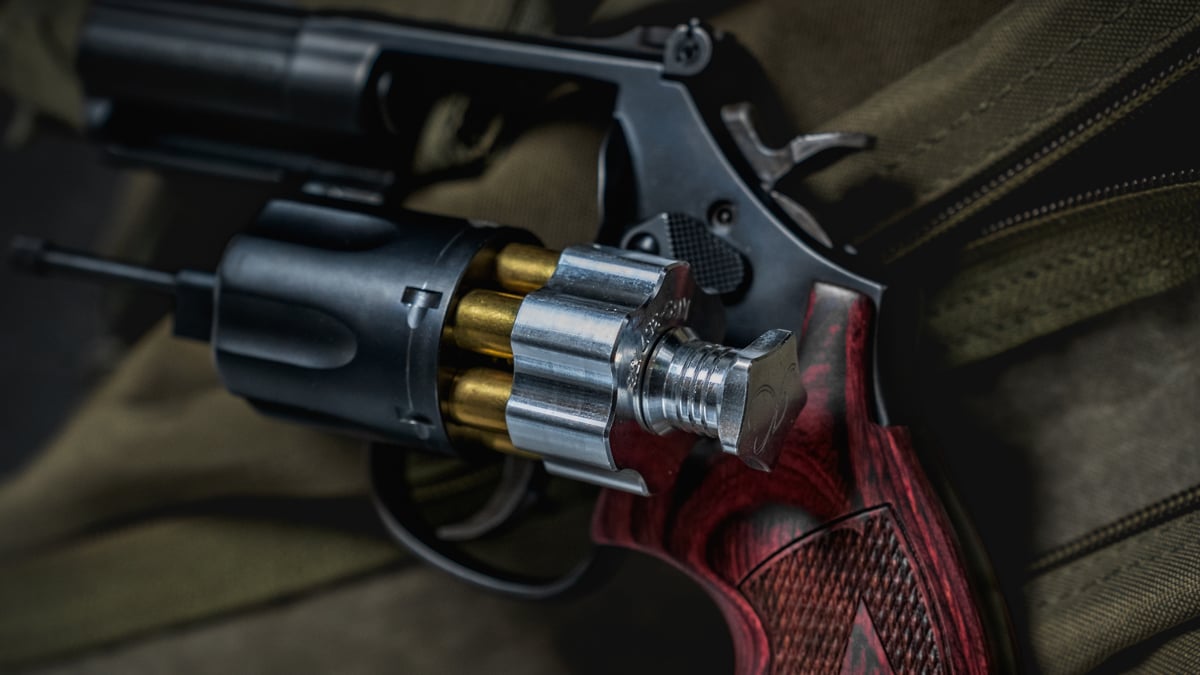
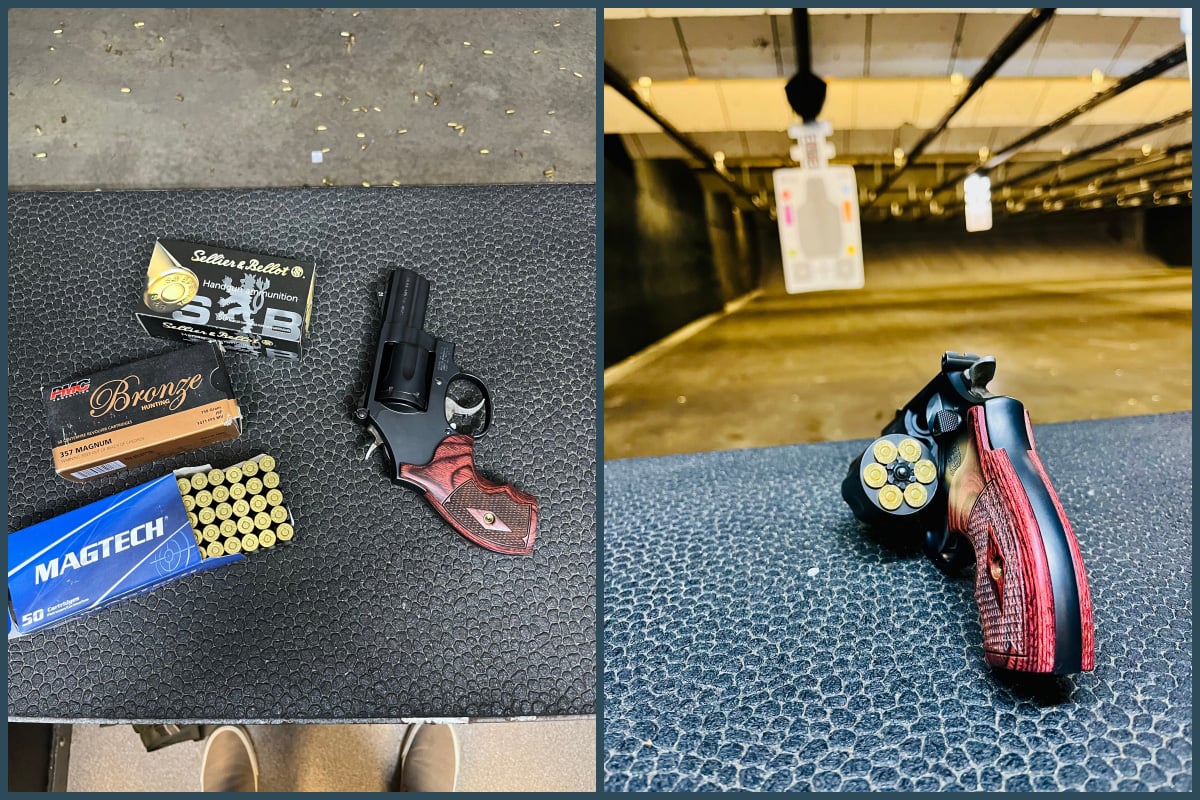
As a double-action fan, I have learned that the best way to shoot them is just to pull through the trigger. The next string of rounds I just shot fast – not like a Bill Drill, but “find sight, pull trigger.” Without much effort and concentration, I had all six shots in the 8-inch circle at 7 yards. Just like in sports, I am a much better shooter when I stop thinking so hard about what I’m doing. I was surprised at my groups. They weren’t super tight, but they were respectable.
I moved back to 10 yards and fired a few single-action shots, adjusting my sights since even my slow and steady shots were off. I managed to get them better aligned and even keyholed a few shots, then fired once at each tertiary target, hitting their 3-square-inch areas. There’s a bit of a learning curve with any new gun, along with a pretty good fireball that pops out the port. I didn’t really notice it much shooting, but after reviewing the footage, the fireballs were much more intense using .38.
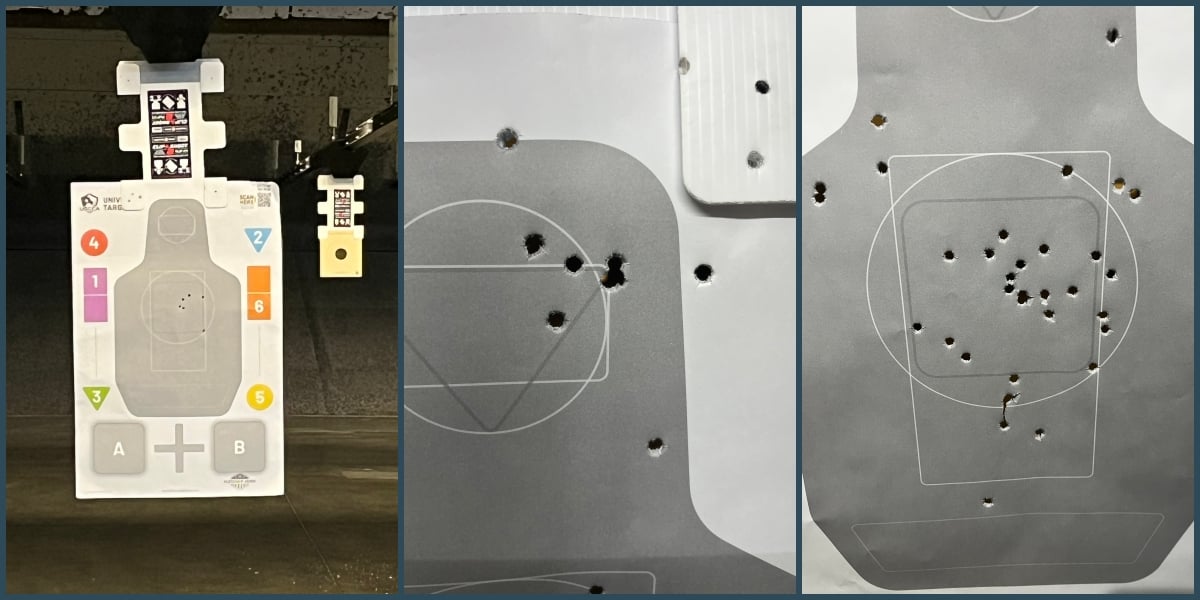
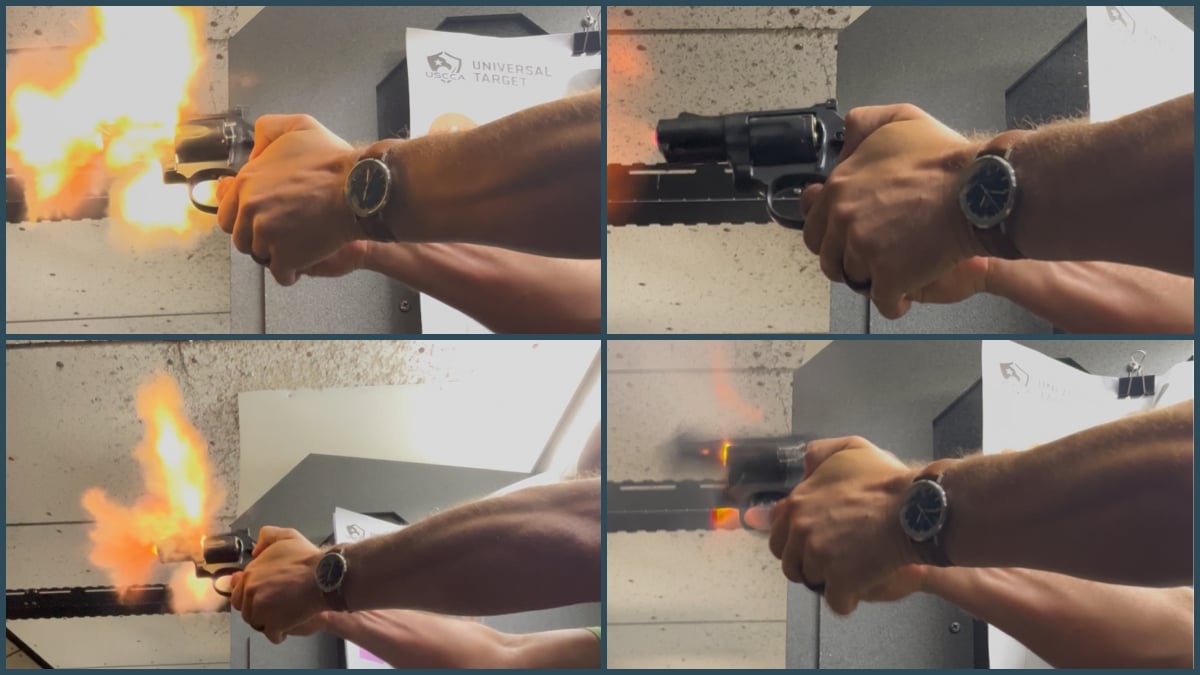
I ended the session with some Magnum rounds. While they aren’t uncomfortable, you do feel the pressure around your body when firing. My hands were not in pain, but these smaller wood grips aren’t made for extended sessions. If you plan to be at the range shooting full power, I’d recommend using the full-size rubber grips. The biggest surprise for me is that my grouping with PMC Bronze Magnums was about a 5-inch spread. Maybe I had a better grip knowing additional recoil was coming, or maybe the faster ammo tends to be a bit more accurate for me.
Overall, it was a pleasant experience with no pain or hiccups. I did find a little blood on my support hand from the small grip, as shooting a revolver only occasionally will remind you that practice makes perfect.
Pros & Cons
My pros for the Carry Comp are mainly based on use case, but with training, these features will help you become a better shooter overall. Most of my cons for this gun would be the same with any revolver.
Pros:
- Ported barrel tames recoil
- Able to use heavy doses of .357 Magnum
- Two sets of grips included
- Well-rounded revolver with good dimensions and not overly heavy
- Night sights
- Good trigger for a production revolver
- Great looks and bluing, with options in Cerakote like Moss Green
- Reliability
Cons:
- Low capacity
- Longer, tedious reloads
- Thicker and heavier than most comparably sized pistols
- Longer double-action trigger pulls
- Bright fireballs
-
Still has the Hillary hole
Final Thoughts

The Performance Center Model 19 Carry Comp is a great addition to the storied Smith & Wesson lineup. Taking its roots from potentially the best overall revolver ever and applying some modern upgrades, the result is a wheel gun that is still viable in today’s market.
It is a well-balanced gun optimized for faster, flatter shooting of some of the most capable defensive rounds available. While not as timeless as the 19-3, it is undoubtedly cool by today’s standards and may be a gateway to the wheel gun world.