Meet the Model 327
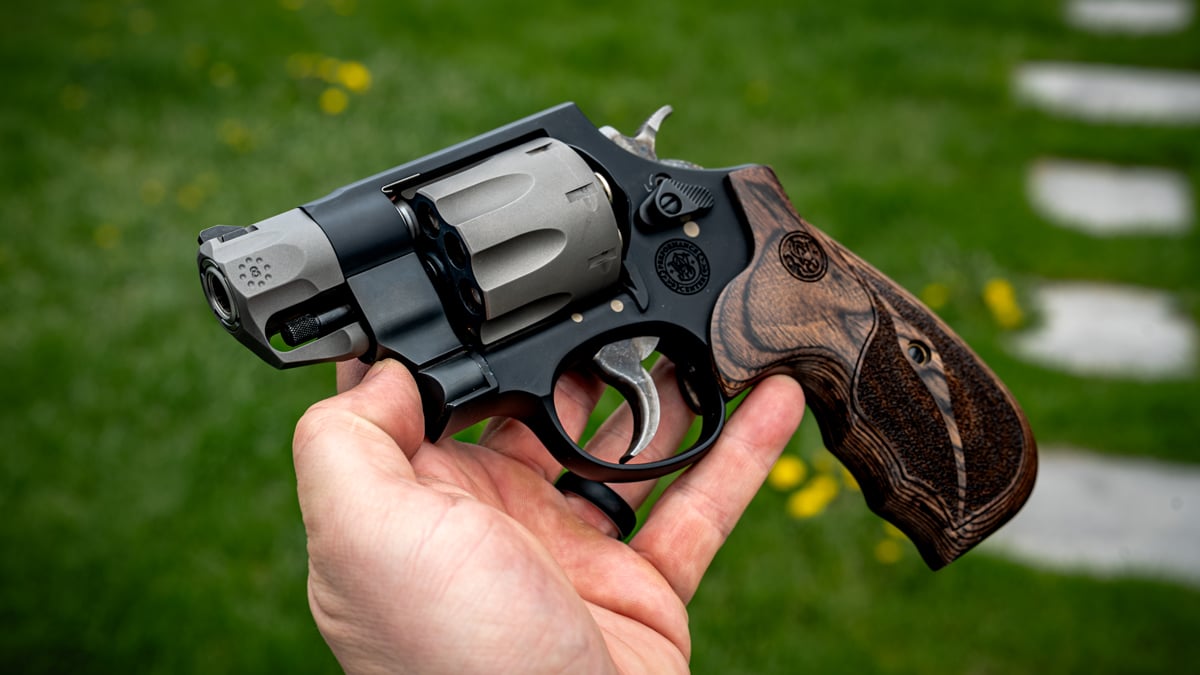
Despite its relatively niche appeal, this attractive wheel gun has built a steady cult following since its 2017 release, helped along by limited production runs and a distinctive look. The 327 may carry like a J Frame at first glance, but it’s actually built on one of Smith & Wesson’s largest platforms: the N Frame.
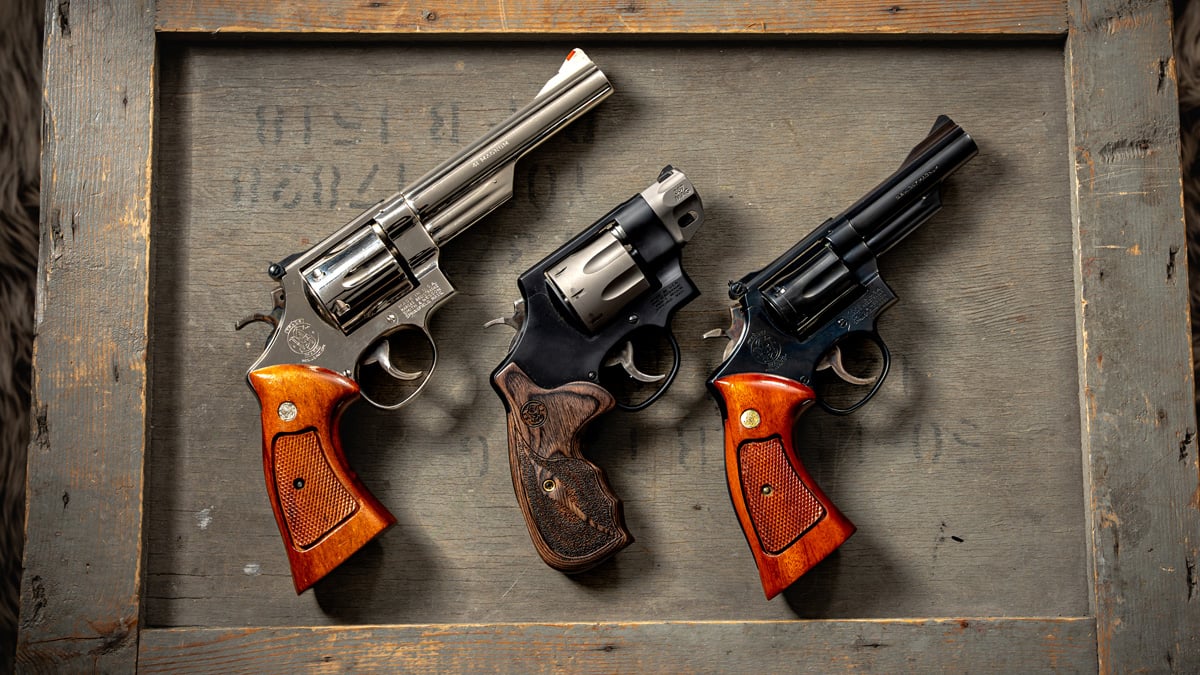
Traditionally chambered in .44 Magnum, the N Frame was designed to handle some of the harshest recoil while still being serviceable as a duty-sized revolver. Anyone who has spent time with a Model 29 knows just how large and heavy these guns can be. I own a Model 57 that I picked up from the Certified Used section at Guns.com, and it’s not something you can casually carry.
The 327, however, takes a very different approach, using a scandium frame paired with titanium components to cut weight.
Features
In hand, the 327 feels substantial without being unwieldy, taking up only slightly more space than its 640 Performance Center counterpart. Most J Frames are built with a five-round capacity in .38 or .357, keeping the footprint slim and extremely light. That makes them ideal for backup roles, pocket carry, or quick grab-and-go use, especially with their heavy triggers and concealed hammers.
The tradeoff, of course, is shootability. Recoil tends to go straight into the shooter’s hands and wrist, making extended sessions less than enjoyable.
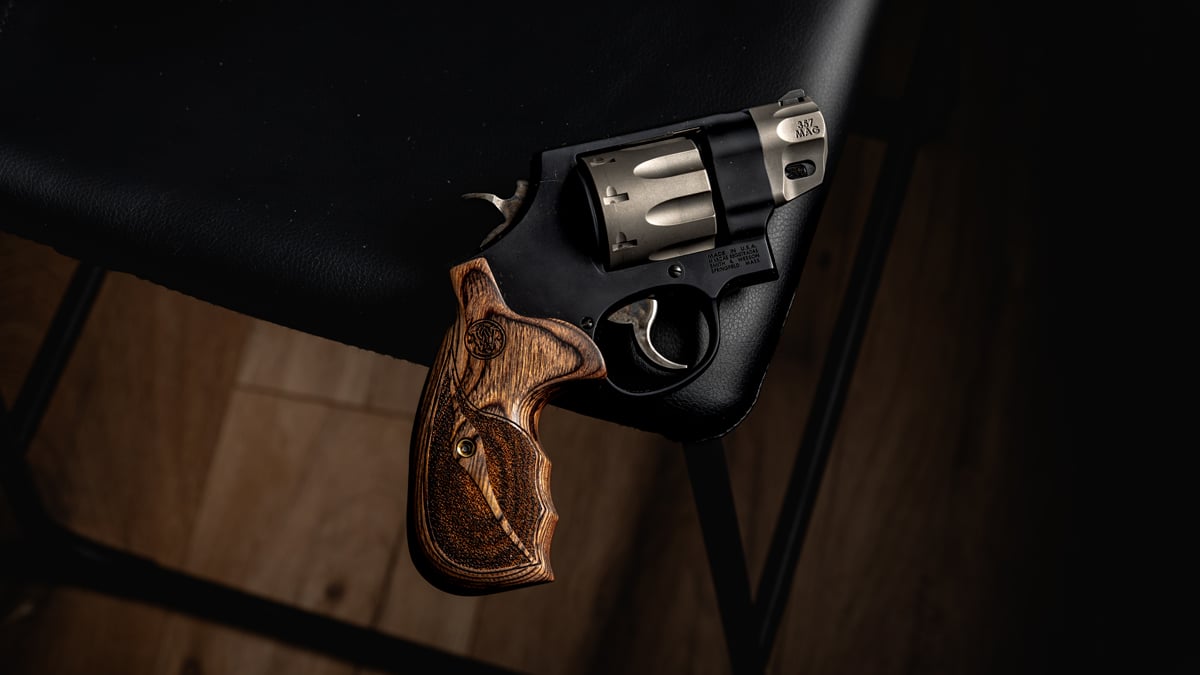
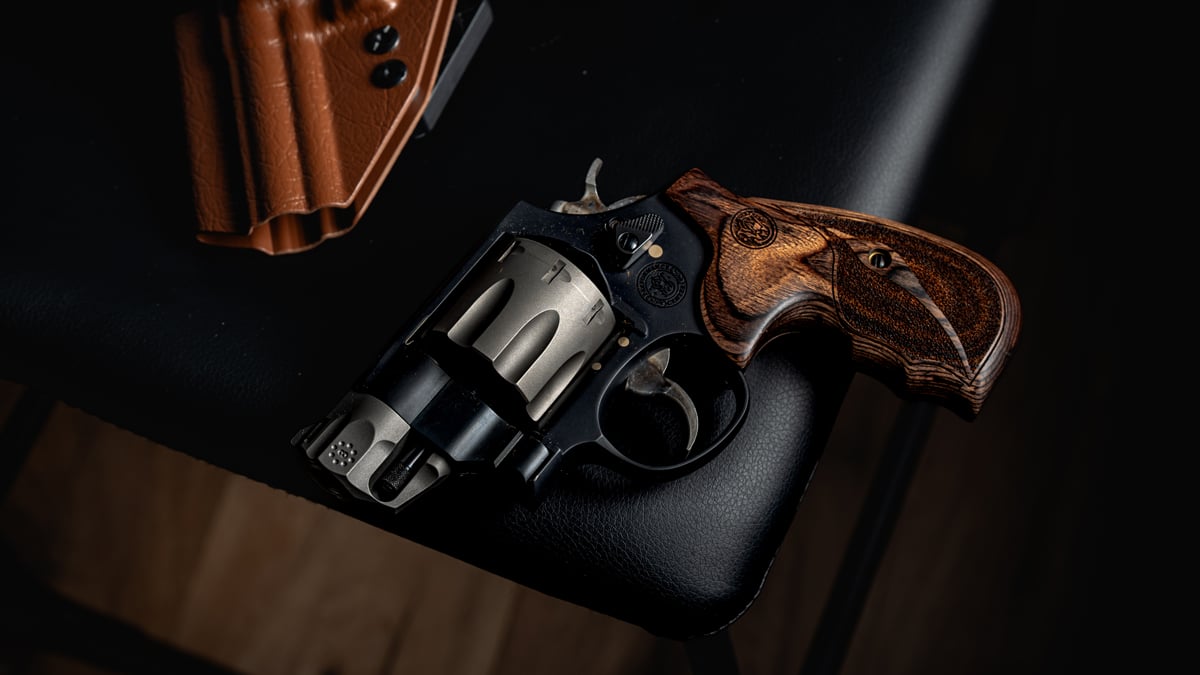
Despite its increased thickness, the M327 weighs in at just 22.6 ounces – only about half an ounce more than the 640. With its 2-inch barrel and full-size grip, it ends up roughly half an inch longer overall and just over an inch taller. Swap in aftermarket boot grips, and the 327 becomes much easier to conceal.
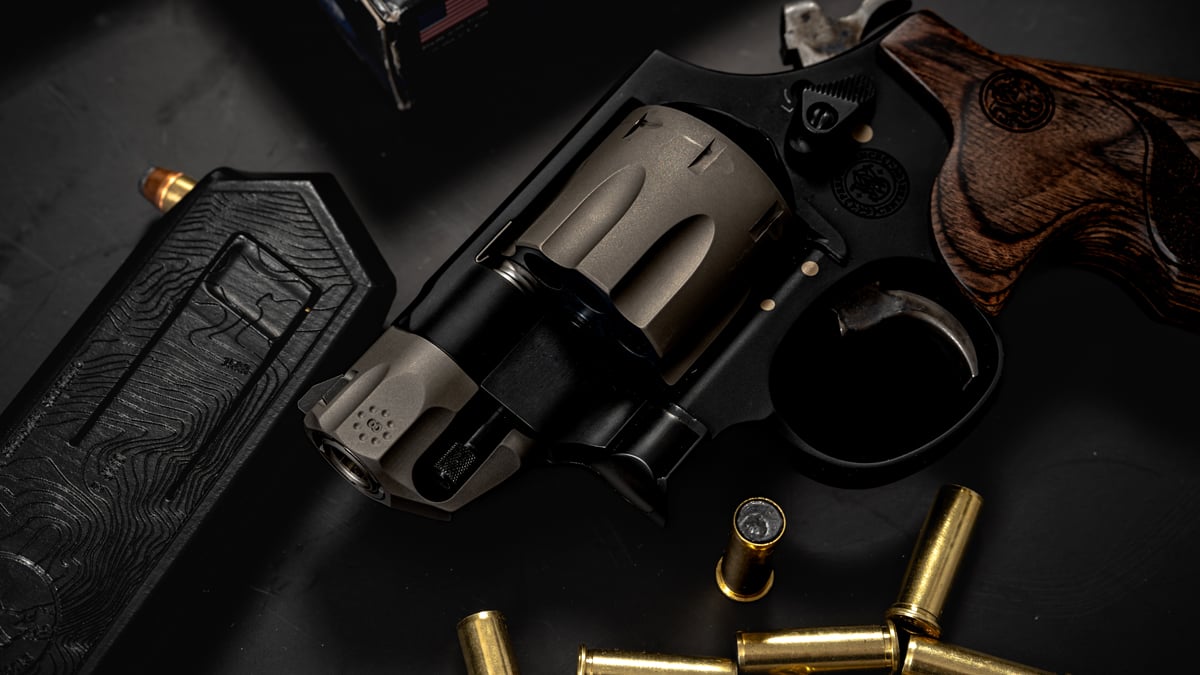
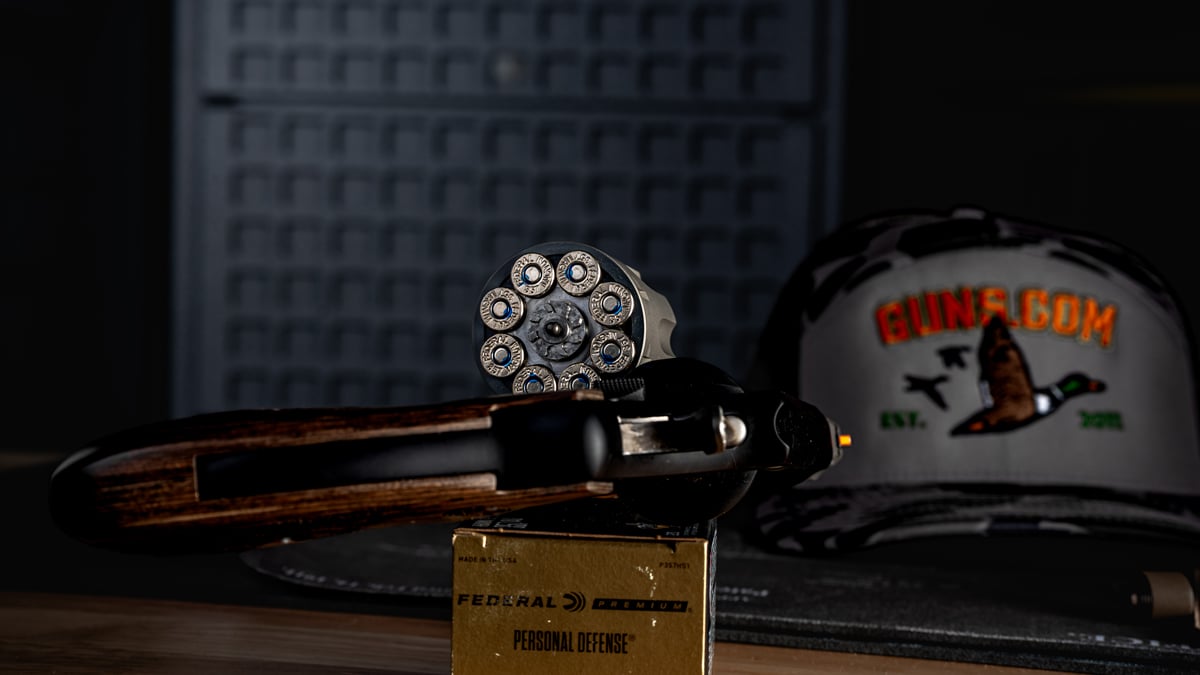
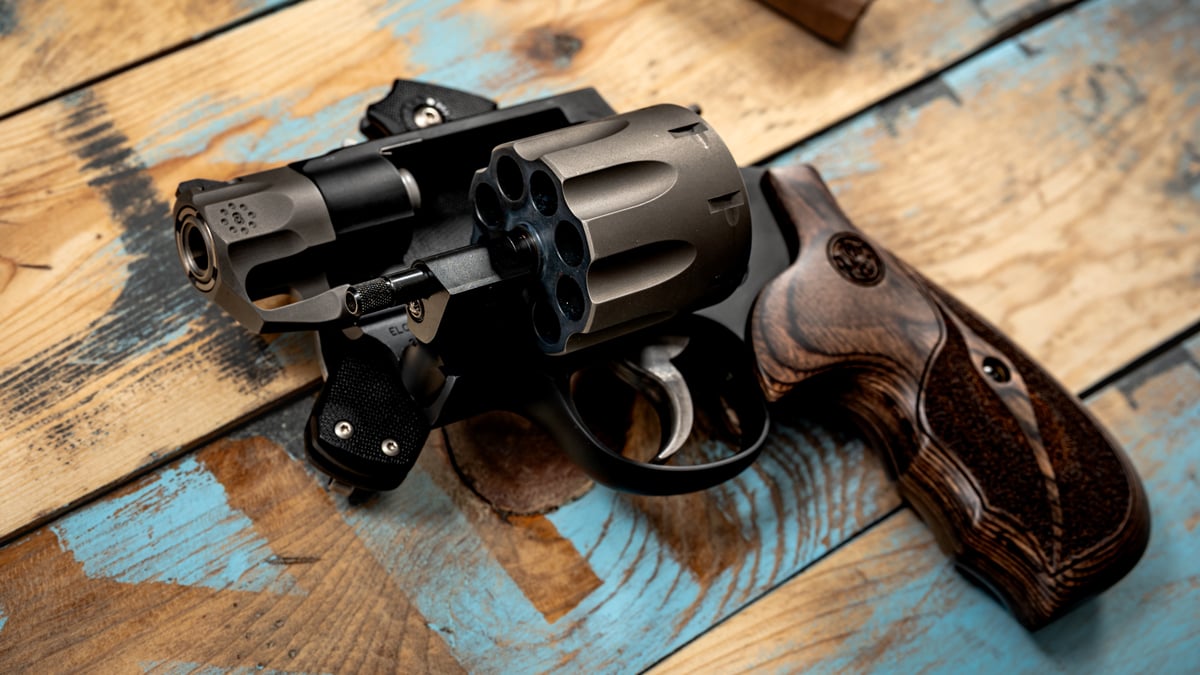
This capability comes at a premium. The scandium frame, lighter than titanium yet stronger than traditional aluminum alloys, is a major cost driver. The titanium cylinder and barrel shroud add both extreme durability and significant weight savings.
The stained wood grips tie everything together visually with a handsome two-tone aesthetic. A stainless-steel barrel insert ensures longevity, and the trigger and textured hammer feature Smith & Wesson’s classic case-hardening treatment.
A ‘Get Off Me’ Gun
In many ways, this is an N Frame on a diet, but it’s still no slim gun. When you swing the eight-shot cylinder out using the standard forward push, the capacity is immediately noticeable. The extra girth makes it less suited to true pocket carry and more difficult to fit into common holsters than a traditional J Frame. The much-discussed “Hillary hole” is still present here as well, above the cylinder release and S&W Performance Center stamp.
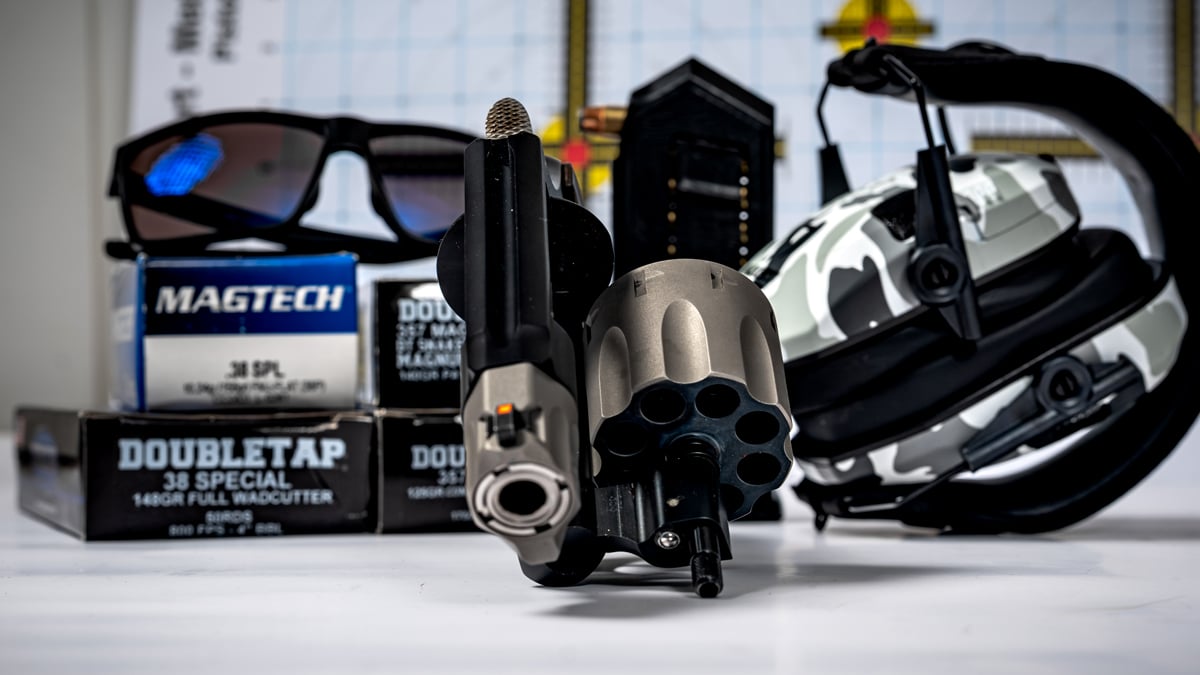
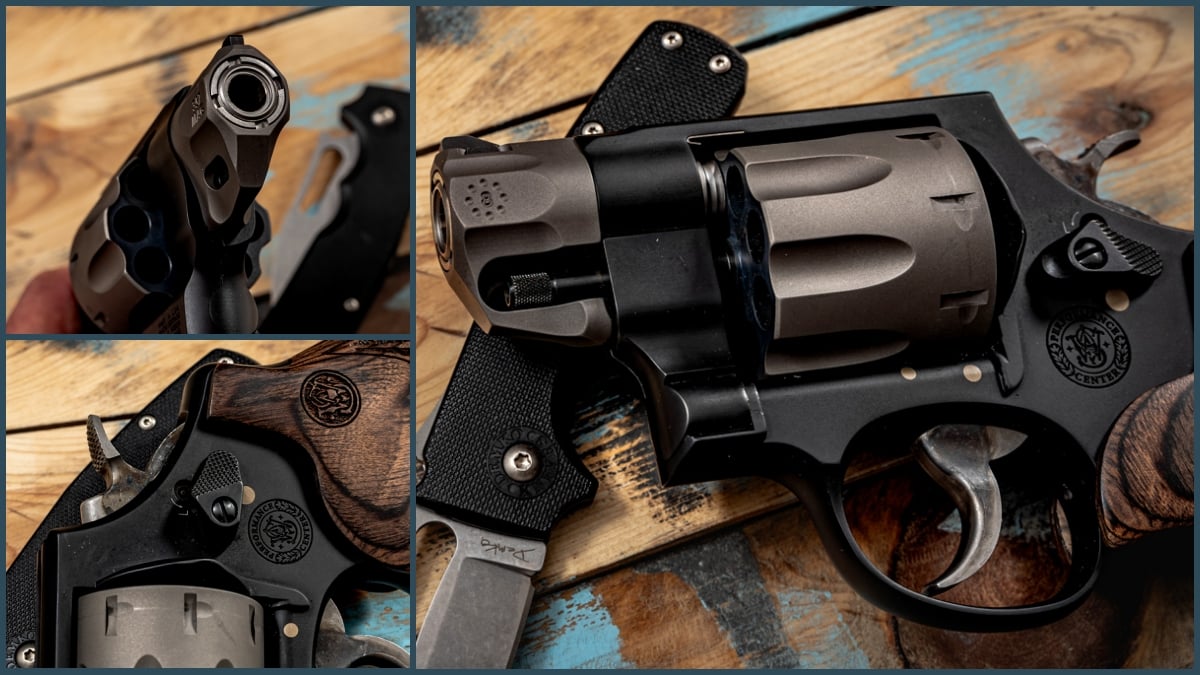
Performance-wise, the 2-inch barrel naturally limits range and precision, but this is a Performance Center gun, and it benefits from a tuned trigger. In my experience, these tend to be smoother than standard models, though still fairly heavy at around 12 pounds in double action and roughly 4 in single. The single action is crisp with a short break, which can help tighten groups when you take the time to slow down and do your part.
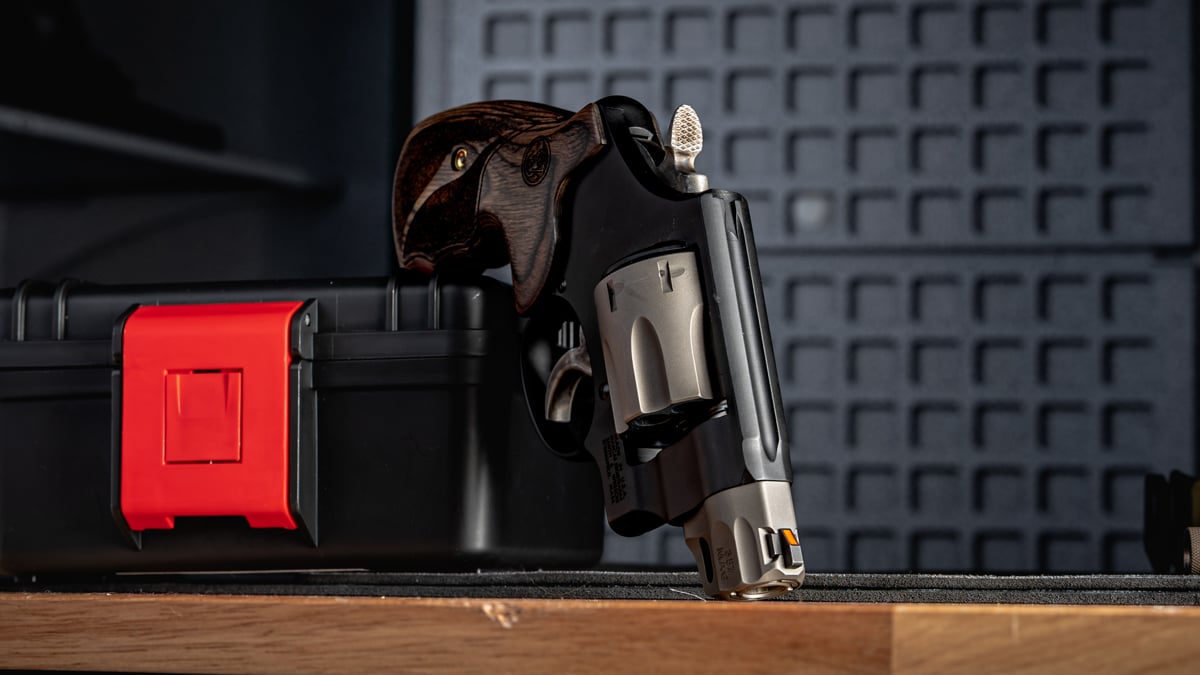
Even so, the 327 isn’t really built for range work. It’s a purpose-driven revolver designed for close defensive use. The sighting system reflects that role, with a shallow groove rear paired with an orange front blade. While I’d personally prefer a night sight given its intended use, this is ultimately a “get off me” gun, and quick, instinctive shooting matters far more than carefully aligned shots at distance.
Range Review
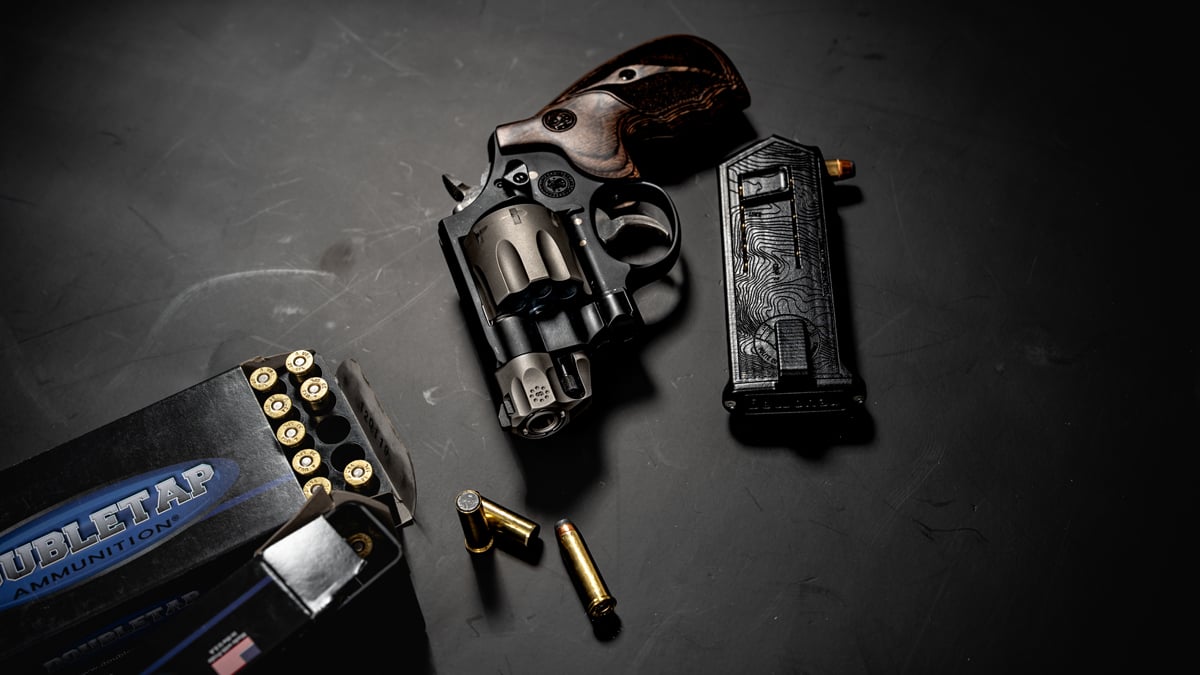
The indoor range I frequent provided quite the stage for this outing, and the legends surrounding this model are not exaggerated. For the session, I brought along a variety of loads in both .357 Magnum and .38 Special – namely, offerings from DoubleTap, Hornady, and Magtech – to get a broad sense of its accuracy.
Knowing this revolver’s reputation for producing a dramatic fireball, I decided to ease into things with a few cylinders of standard .38 Special. Shooting at a Birchwood Casey reactive target set at 7 yards, I produced a respectable group while getting a feel for the gun.
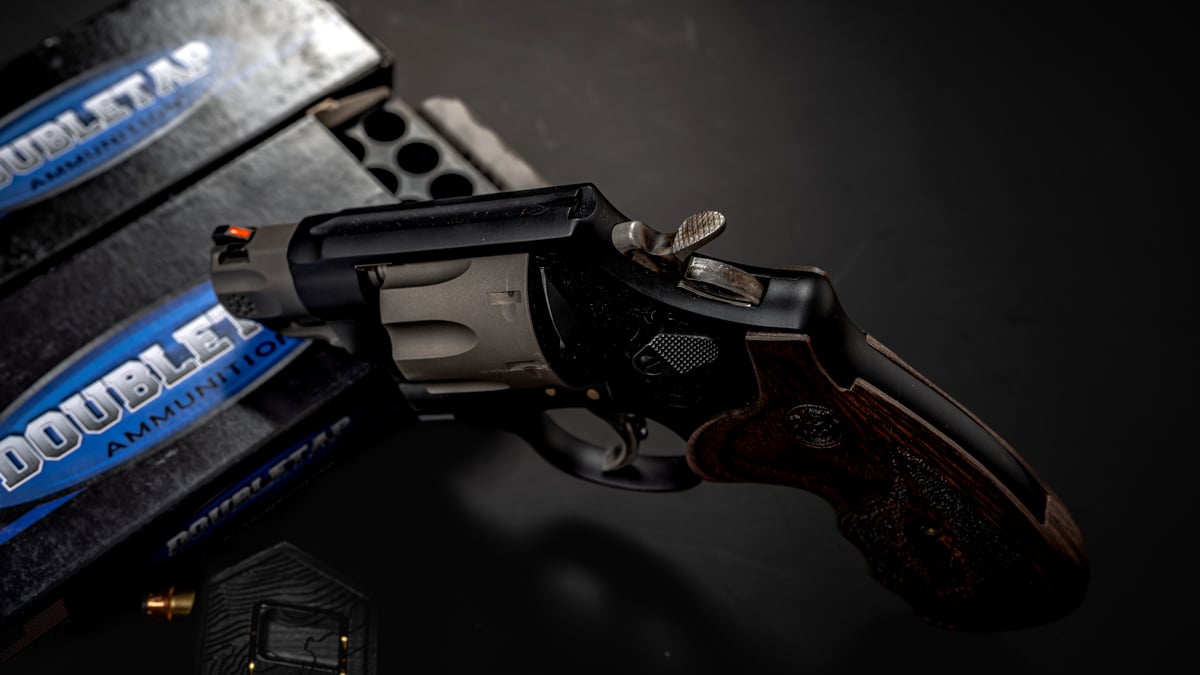
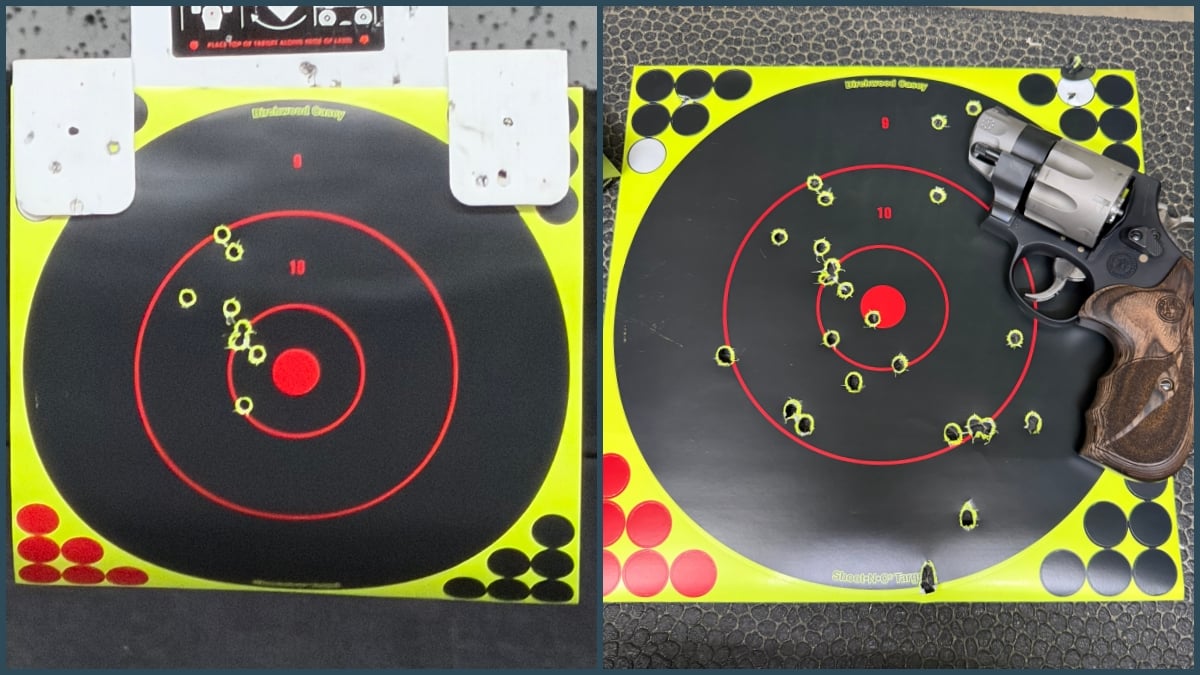
The U notch and front sight don’t allow for super precise aiming, so at times I felt my point of aim shifted a bit. Single action is a dream, much like pressing a button and almost surprisingly light, in a good way.
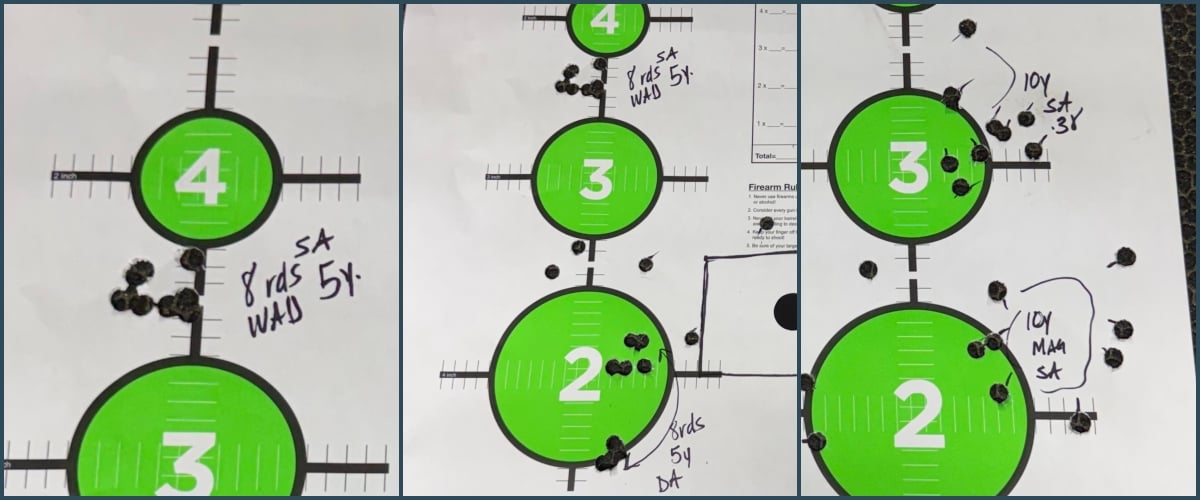
Bringing a new target closer at 5 yards, I was able to print an extremely tight group shooting in single action using Wadcutters. At 10 yards, which is about the maximum effective distance, I saw my groups expand somewhat, especially if I added any speed. Part of this is due to unfamiliarity and the other part due to the sight picture. When switching to magnums, the issue became the muzzle report.
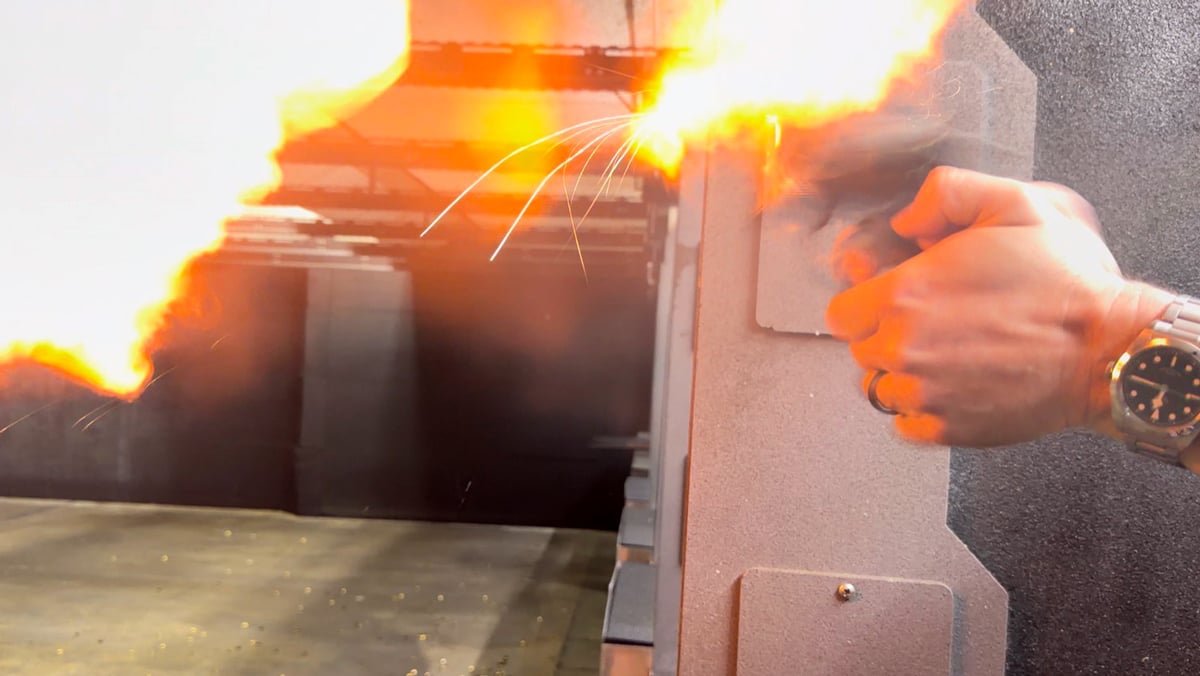
The short barrel does not allow the powder to burn off and produce maximum ballistics, so there’s an impressive flash and accompanying concussion. With .357, the sound was closer to what I normally associate with .44 Magnum. The barrel is so short that I was getting covered in unburnt powder flakes.
When firing .38, there was considerably less flash, but I found myself standing inside a black plume catching the Black Lung like Zoolander.
The scene was a bit comical, as I caught myself chuckling about shooting this smallish revolver with a giant boom, surrounded by black snow. And yet, I didn’t have the throbbing echoes of recoil shooting up through my elbow that’s common on a J frame.
I saw point of impact swings using all the cartridges I tested. I think some of it had to do with my recoil anticipation pushing the gun down at 10 yards shooting single action with magnums. I managed to hit a fist-sized group, and even keyholed a few shots. I definitely saw a wider spread at 7-10 yards, but the gun is very capable of defensive accuracy, even at speed.
Performance Notes
I did dump the cylinder twice – one in each caliber – to get a feel for how fast I can run the trigger. The let-off is obviously longer than most semi-auto resets, but I didn’t run into any phantom trigger pulls or issues there. You certainly can unleash a lot of firepower in a short timer period, but where exactly those eight shots landed on paper is an ongoing investigation. Between the flash and concussion, this is clearly best suited for extremely close distances.
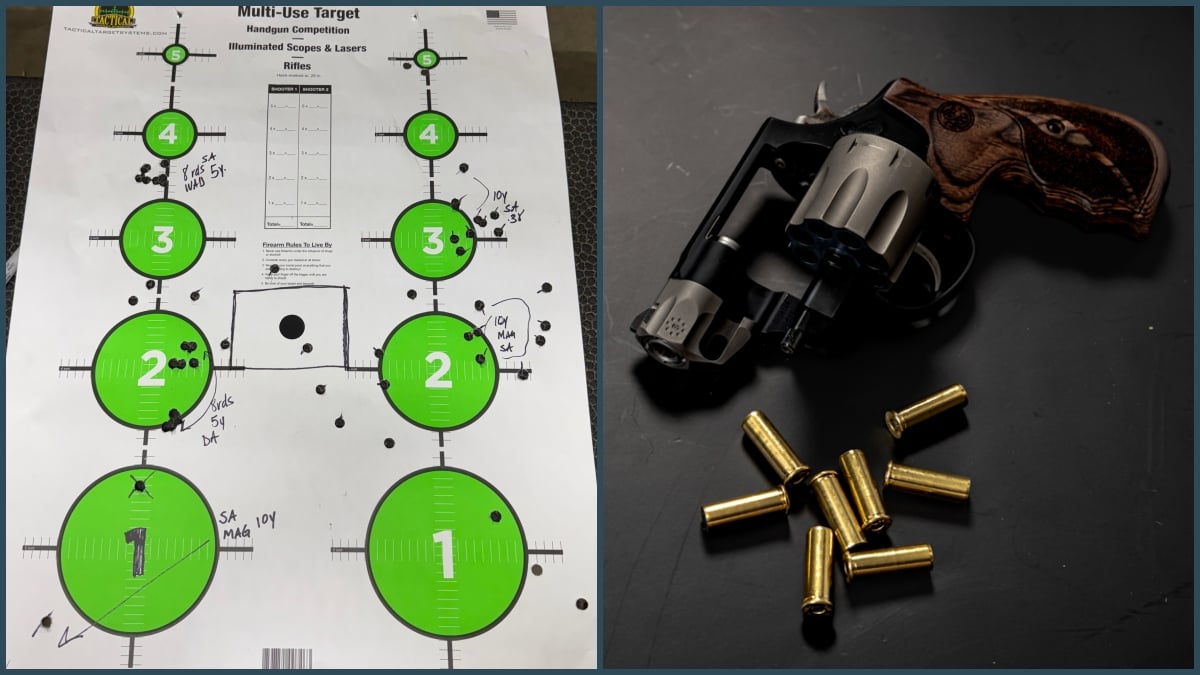
The larger grip and frame do a decent job of managing recoil, but I suspect that switching to rubber grips would improve control. That said, after this session I did notice some a small cut from hammer bite and violence of the recoil. Still, the gun remains quite manageable even with defensive magnum loadings.
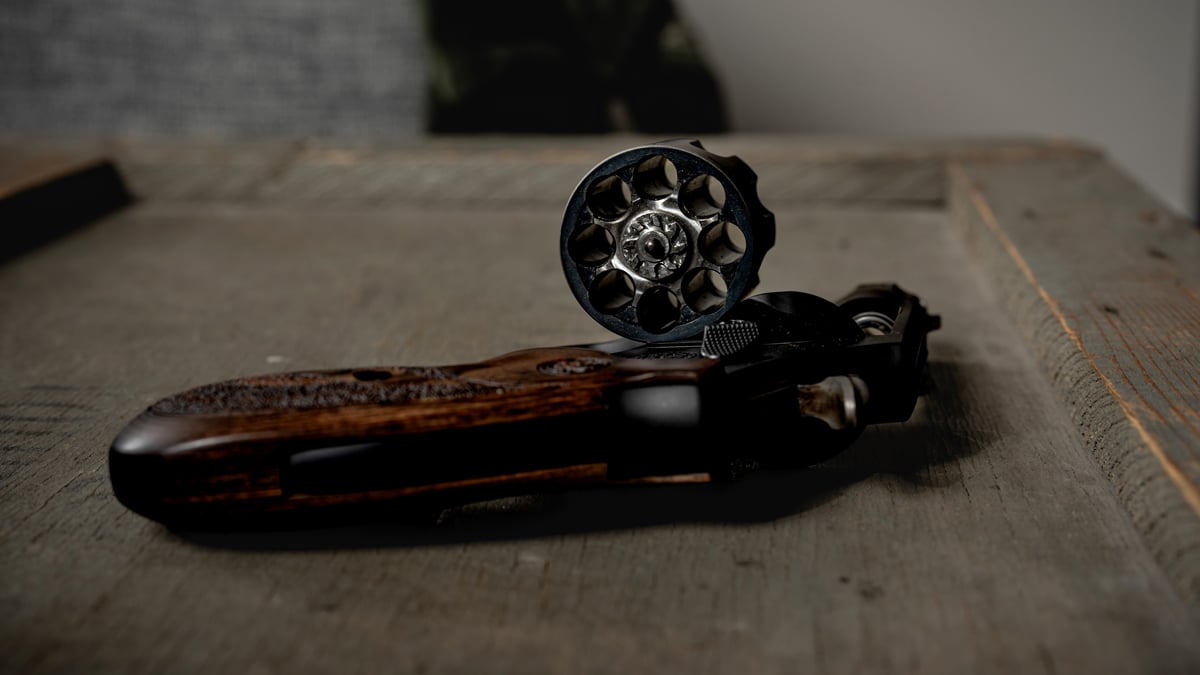
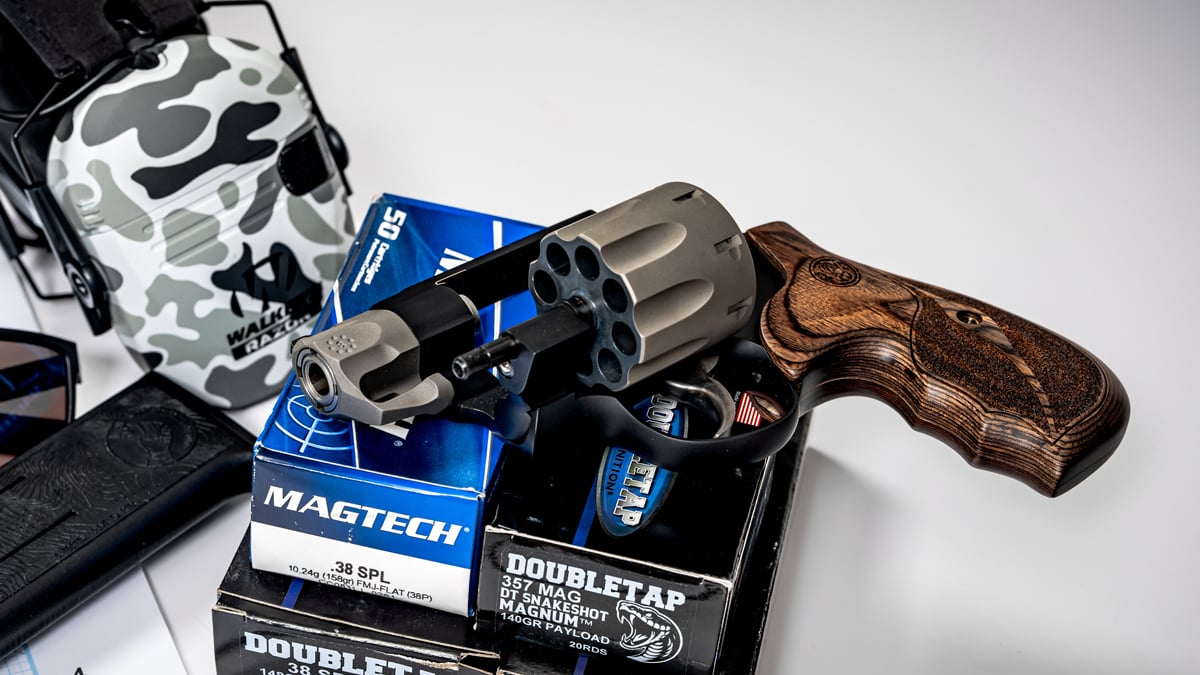
The cylinder has very little play and great lockup. The use of titanium and the steel barrel sleeve should hold up to a lifetime of use. I had no malfunctions, but after the second cylinder of magnums fired quickly, the casings tend to expend and get stuck. The gun comes with moon clips, which I did not use but should provide some additional help in ejecting. I did not have this issue with .38s, as they fell much more freely.
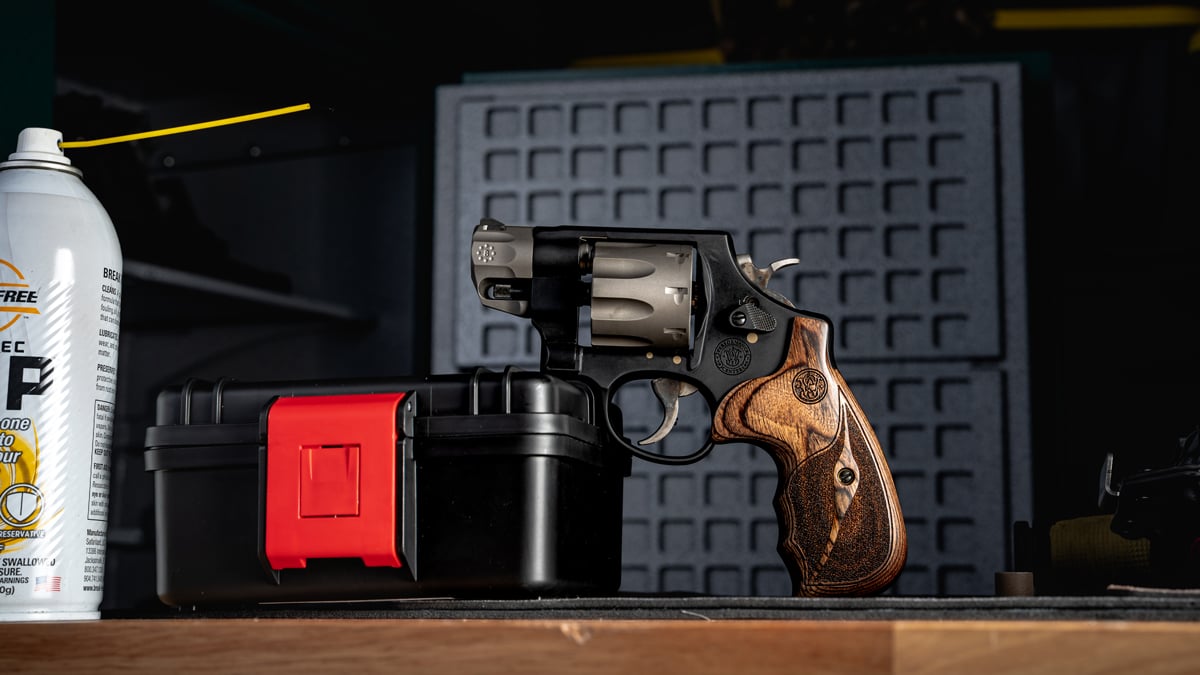
Parting Shots
A defensive gun that never makes it to the range usually doesn’t make it into your carry rotation. And let’s be honest: if a gun is ugly or unpleasant, it tends to get left behind on range day.
The M327 is a bit quirky, but is a gun with genuine character, and more importantly, it’s enjoyable to shoot – especially with .38 loads. It excels in close quarters and is still fairly easy to carry. It’s built to last forever and its scarcity makes it a collector’s piece to boot.
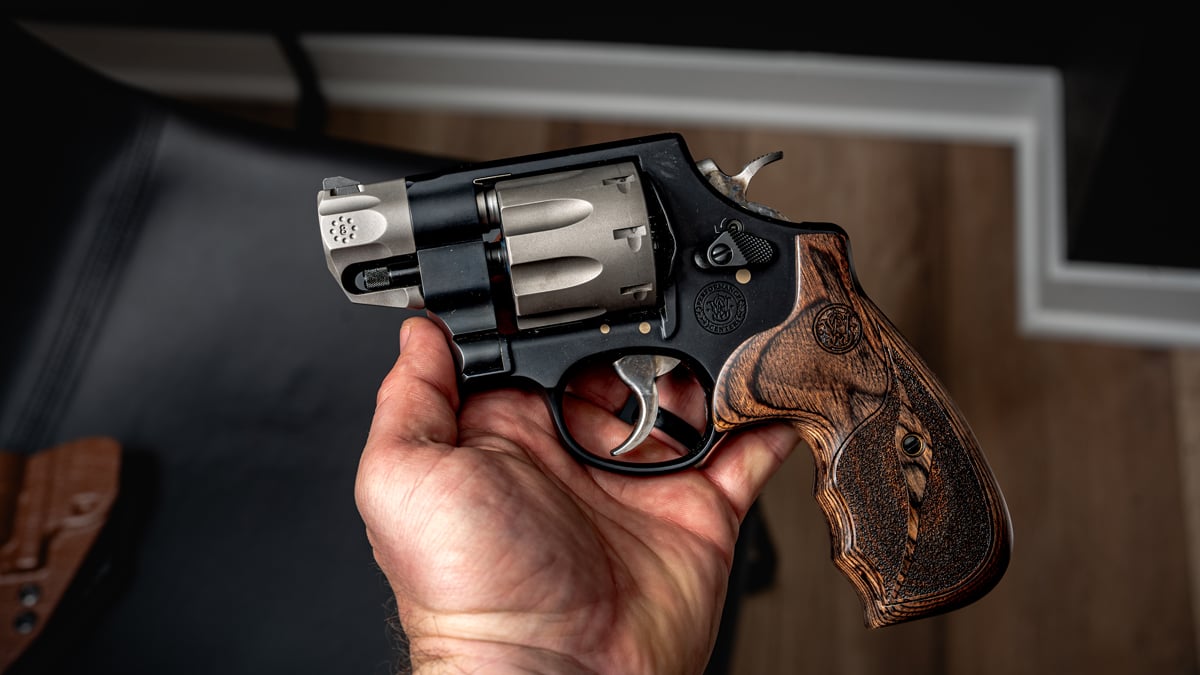
The Smith & Wesson 327 Performance Center is rife with idiosyncrasies: a tuned trigger with a short barrel and groove sights, built on the N frame using super-light materials and a full-size grip. Yet, the result is the ultimate snub-nosed revolver that’s just plain cool.

Andy Budnik
Andy is a self-taught photographer obsessed with creating stunning EDC and lifestyle imagery. As a creator, he focuses on highlighting a product's best features through engaging visual storytelling. While he has a relentless drive to evolve his craft, his personal passion lies with pistols, specifically the Beretta 92.
View All Articles by Andy Budnik