First Impressions and Features
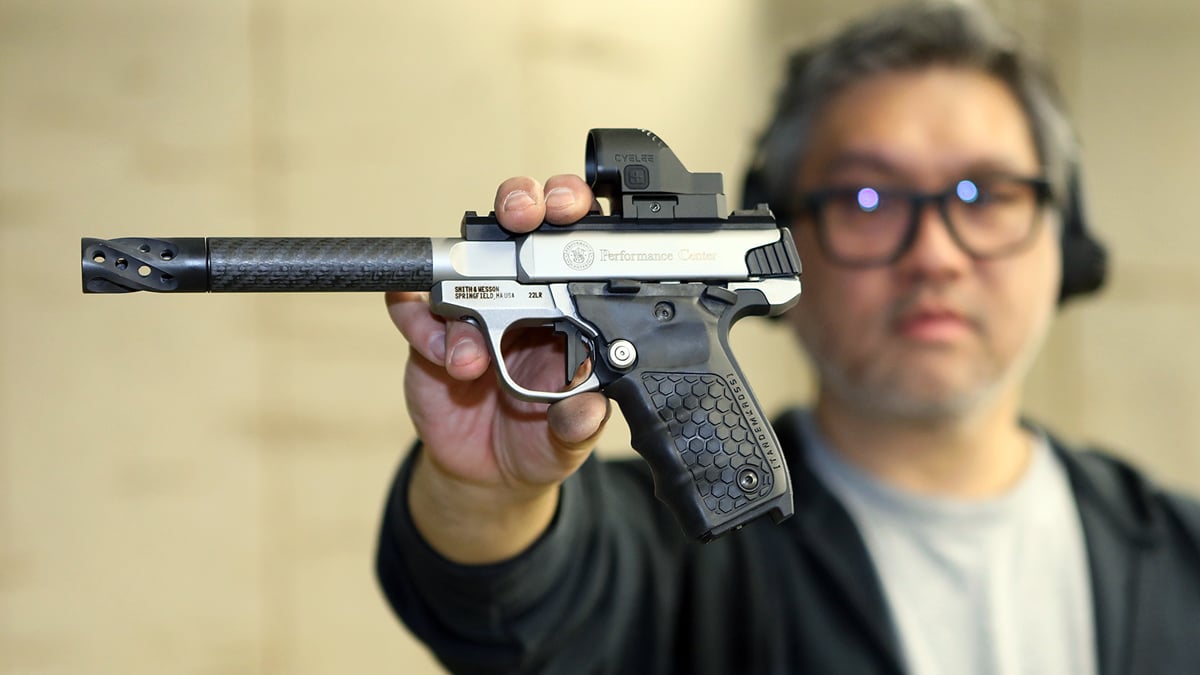
The first thing you notice when you pick up the SW22 Victory is the balance. The Target Model’s 6-inch carbon-fiber barrel keeps the front end light without feeling whippy. The pistol is extremely well balanced in the hand, points naturally, and transitions quickly from target to target.
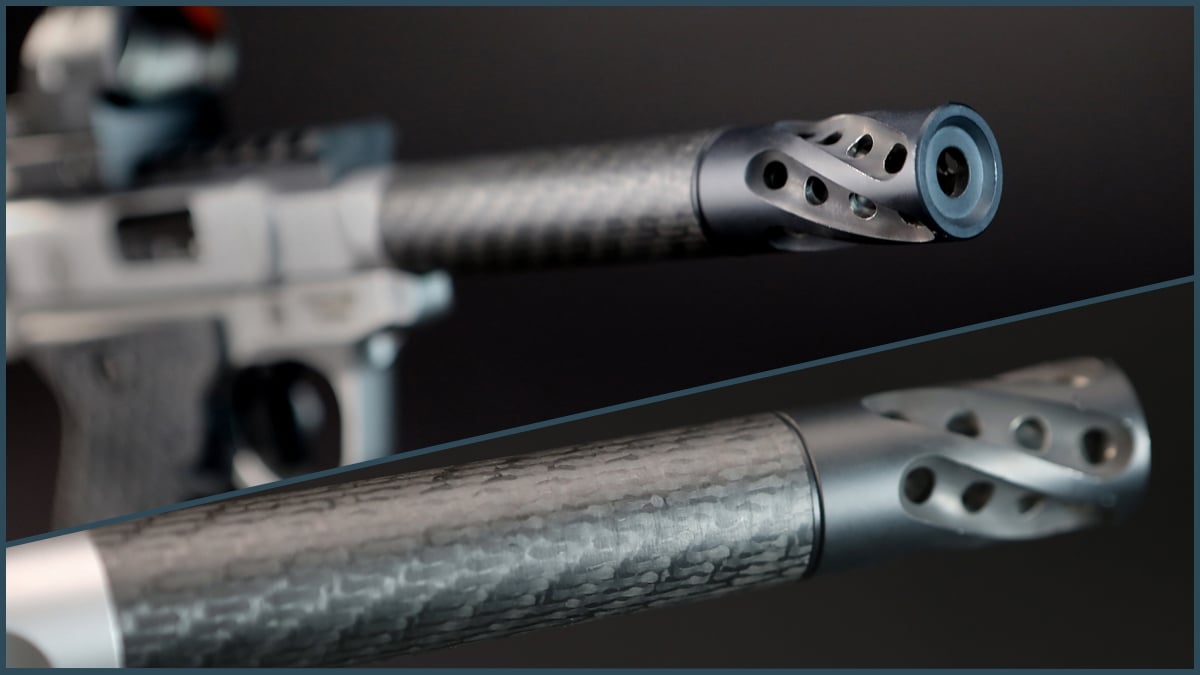
The integrated compensator is cleanly executed, and the spiral ports add flair to the barrel assembly. Now, we are talking about .22 LR, so there isn’t much recoil to begin with – but the compensator helps keep the sight picture virtually locked in place. The gun barely moves. For fast strings on steel, that matters.
One of the standout features on this pistol is the trigger. The Performance Center model I tested breaks consistently at approximately 2.5 pounds. It features a flat-faced trigger shoe with a crisp break and a short, positive reset.

This is a match-quality trigger and feels clean, predictable, and fast. In steel challenge-style shooting, that short reset can shave time. The consistency inspires confidence, and that’s critical when you’re trying to push speed without sacrificing accuracy.
The grip panels are from Tandemkross, though there are multiple aftermarket options available, including offerings from Lok Grips and other popular manufacturers. These panels have a slightly rubberized, tacky texture that sticks to your hand. The grip profile itself is slim and should accommodate a wide range of hand sizes. For my hands, the setup worked well, but as always, grip preference is personal.
Controls
Controls are straightforward but not fully ambidextrous. The slide can be racked from the rear by either hand, but the safety and magazine release are configured for right-handed shooters.
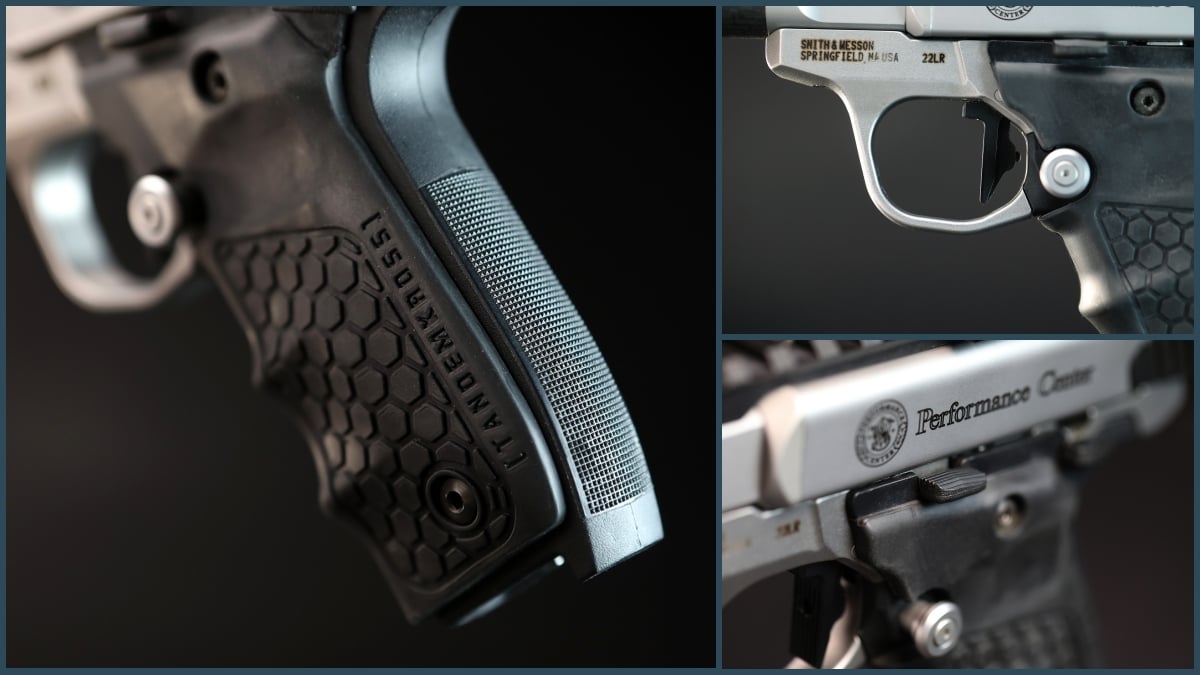
The magazine release is large and easy to reach. It produces strong, positive ejection when pressed, but I found it a little too large. My support hand regularly depressed it during firing, so I had to slightly modify my grip to prevent accidental magazine drops. Personally, I would opt for a standard-sized mag button if given the choice.
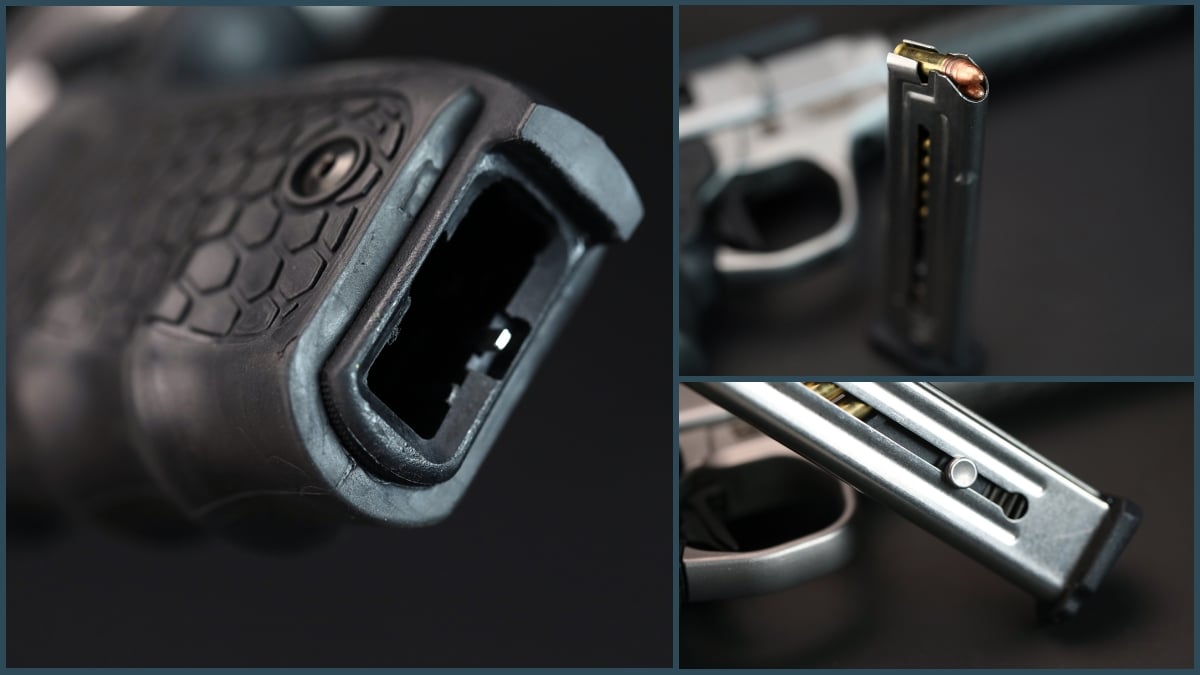
Another minor drawback is the small magazine well opening, which makes high-speed reloads more challenging. It’s not a deal-breaker, but in a competition environment, smoother reloads are always appreciated.
The pistol ships with two proprietary magazines. Fortunately, they are not overly expensive, and they include a loader tab, which makes them easy to fill. Anyone who has loaded .22 magazines without a loading assist feature knows how valuable that is. In my testing, the magazines were reliable and consistent.
Sights
The sighting setup is a little strange. There is no front sight, and the rear sight is integrated into the Picatinny rail that runs along the top of the receiver. This pistol is clearly designed to be run with an optic.
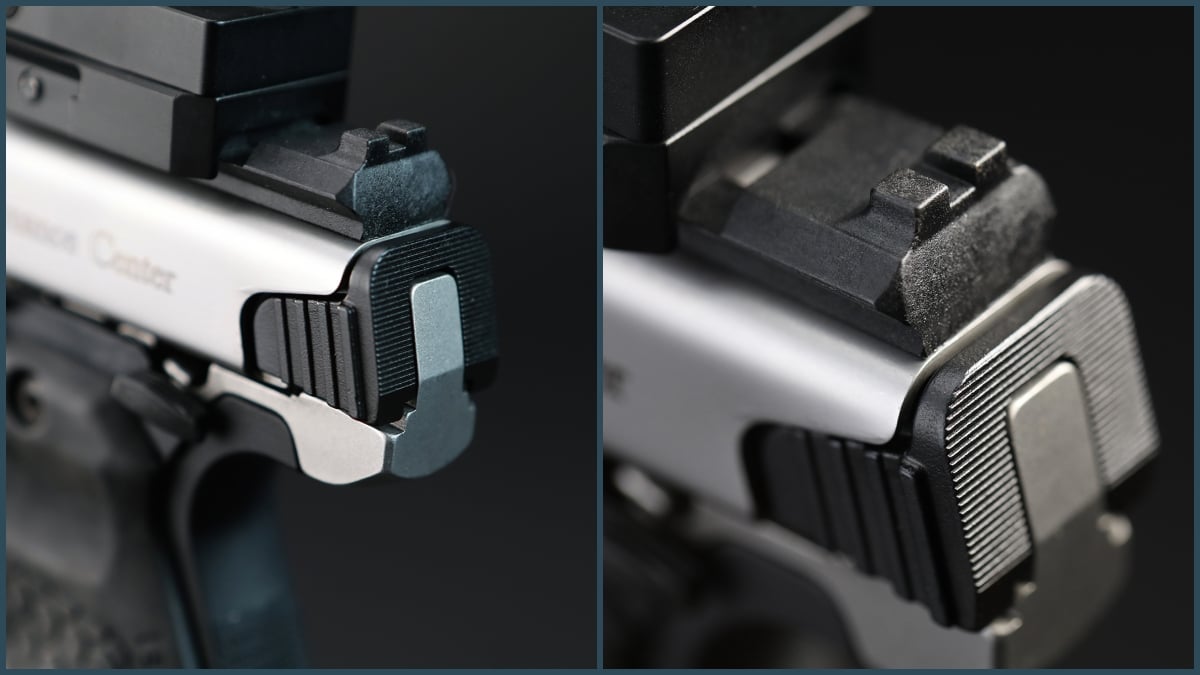
The rail makes mounting a red dot simple and universal, but I wish it sat lower or that the pistol came with direct footprint cuts. A lower optic mounting solution would improve the sight-over-bore relationship and potentially make transitions feel even more natural.
Test Optic
For testing, I mounted Cyelee Optics’ new Chameleon Flex red dot. Cyelee has traditionally been a budget-oriented optics company, but in my experience, its recent offerings have improved significantly. I’ve personally purchased several of their optics for myself and family members.
The Chameleon Flex has a large window comparable to an SRO-style optic and includes features expected at a higher price point: clear glass, top-loading battery, tactile adjustments, night vision settings, shake-awake technology, and a claimed 50,000-hour battery life.
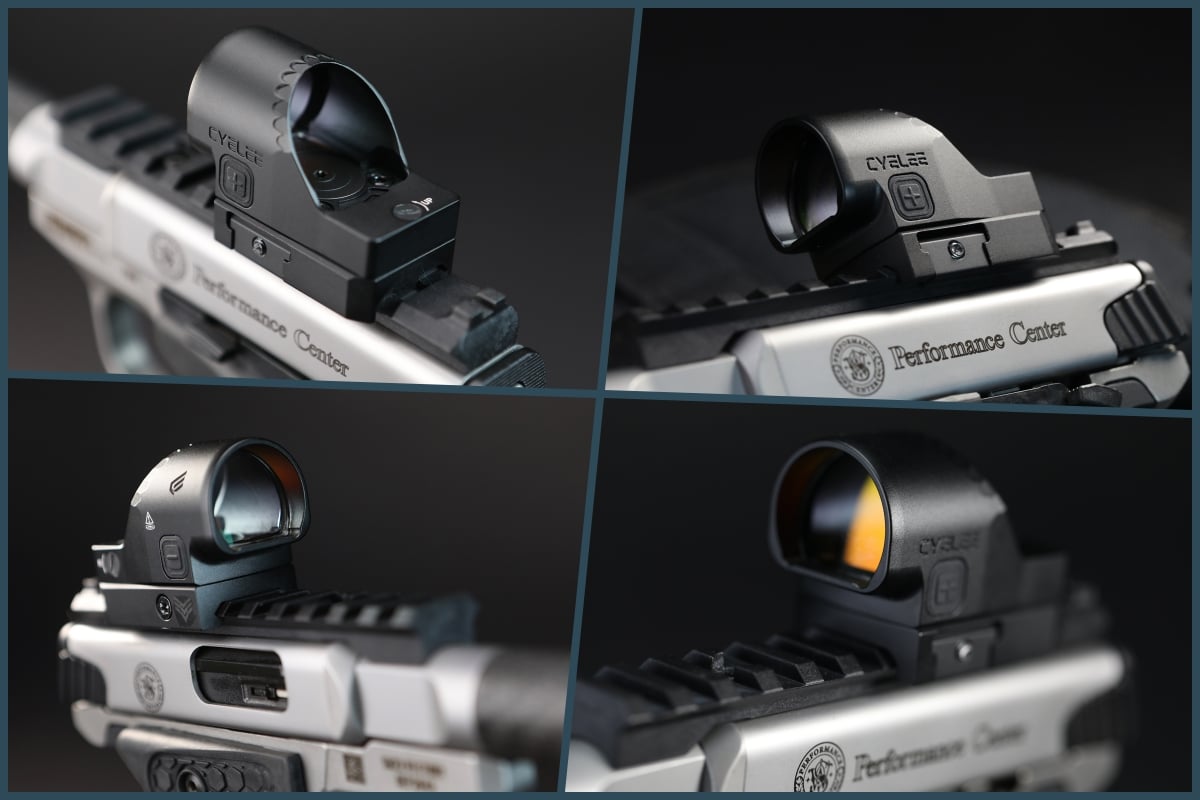
There are two unique features, too. First, the reticle can switch between a 2-MOA dot and a 6-MOA dot. That gives shooters the flexibility to prioritize precision or speed without swapping optics. I’ve rarely seen this option.
Second is Cyelee’s Astigmatism Relief System. Like many shooters, I have astigmatism, so most red dots bloom or starburst for me. This system noticeably reduced that distortion and was one of the cleanest dots I’ve used. The flare isn’t eliminated, but it’s dramatically reduced, even compared to more expensive optics.
Performance
On the range, the Victory Performance Center delivered exactly what it promises. Recoil is minimal, and the compensator keeps the gun tracking flat. Transitions between targets are quick and controlled.
Paired with the 2.5-pound trigger, I was able to produce excellent accuracy at 15 yards. The pistol feels purpose-built for rimfire competition.
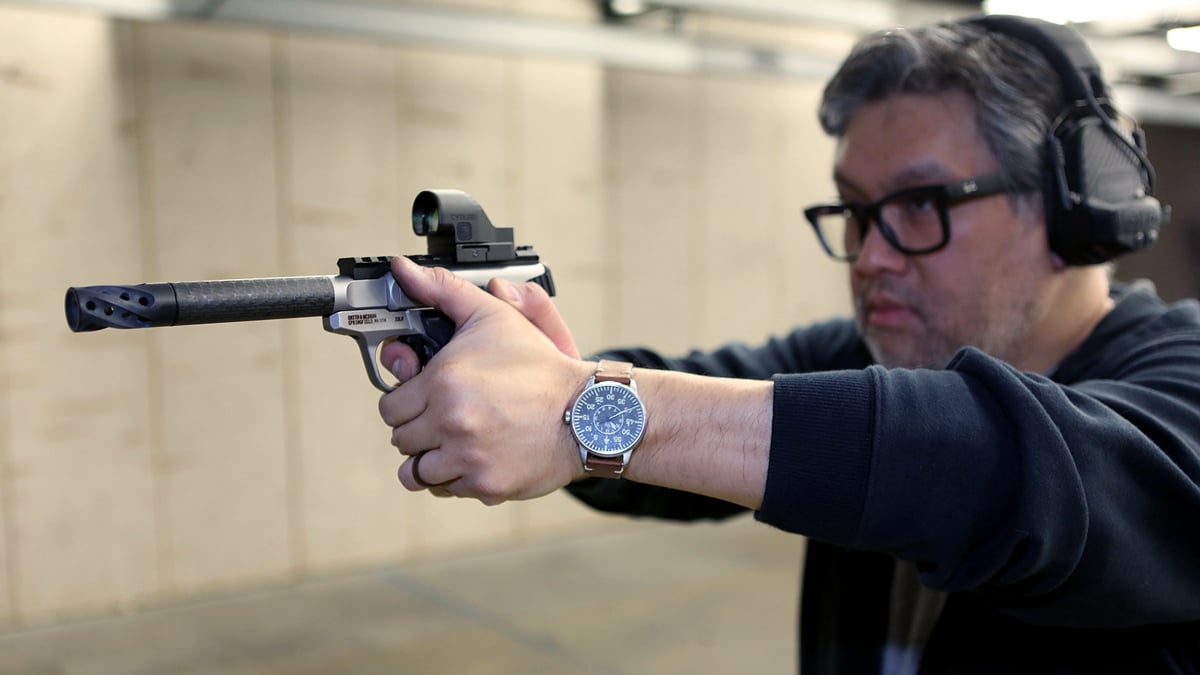
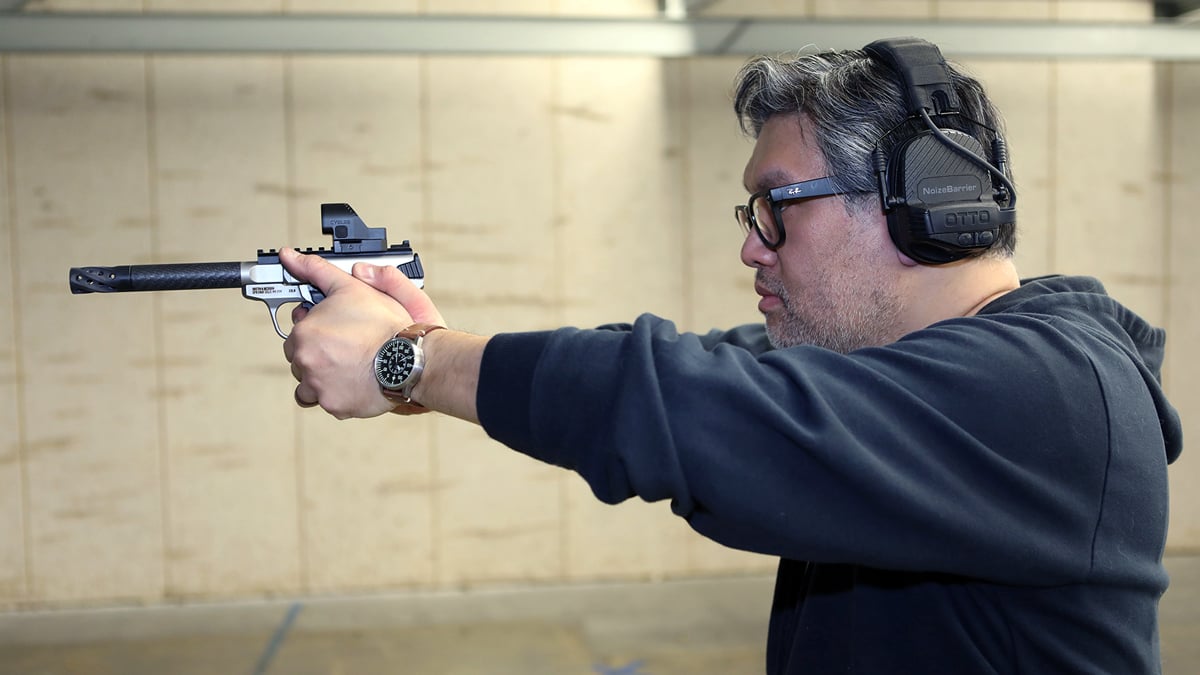
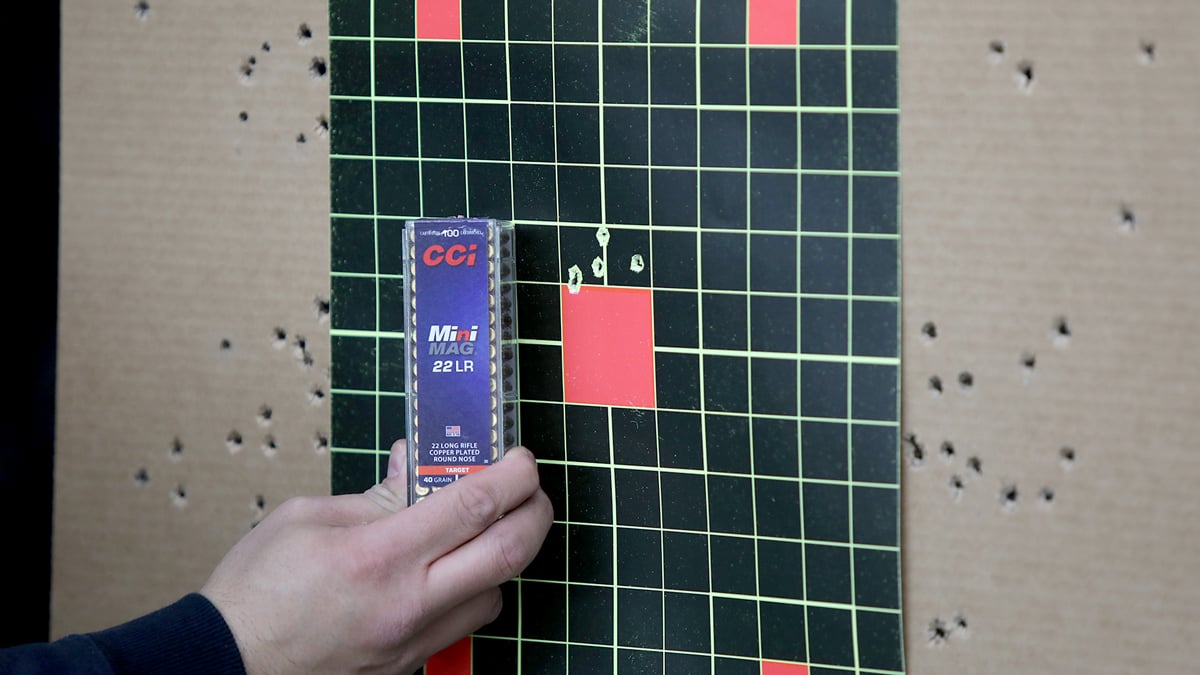
Reliability is critical in a rimfire pistol, because many .22 semi-autos are notoriously finicky. In my testing, the SW22 Victory Performance Center ran well with CCI Mini-Mags. It fed, fired, and ejected consistently. There are reports from some users that the platform can be ammo-sensitive, but I didn’t have a problem with this one. Rimfire firearms are typically picky, and regular cleaning is essential for .22s.