UNDERSTANDING THE DIFFERENCE
To not lose you in the weeds of granular details, I’ll keep this section at a macro level so you learn enough about the two but without falling asleep.

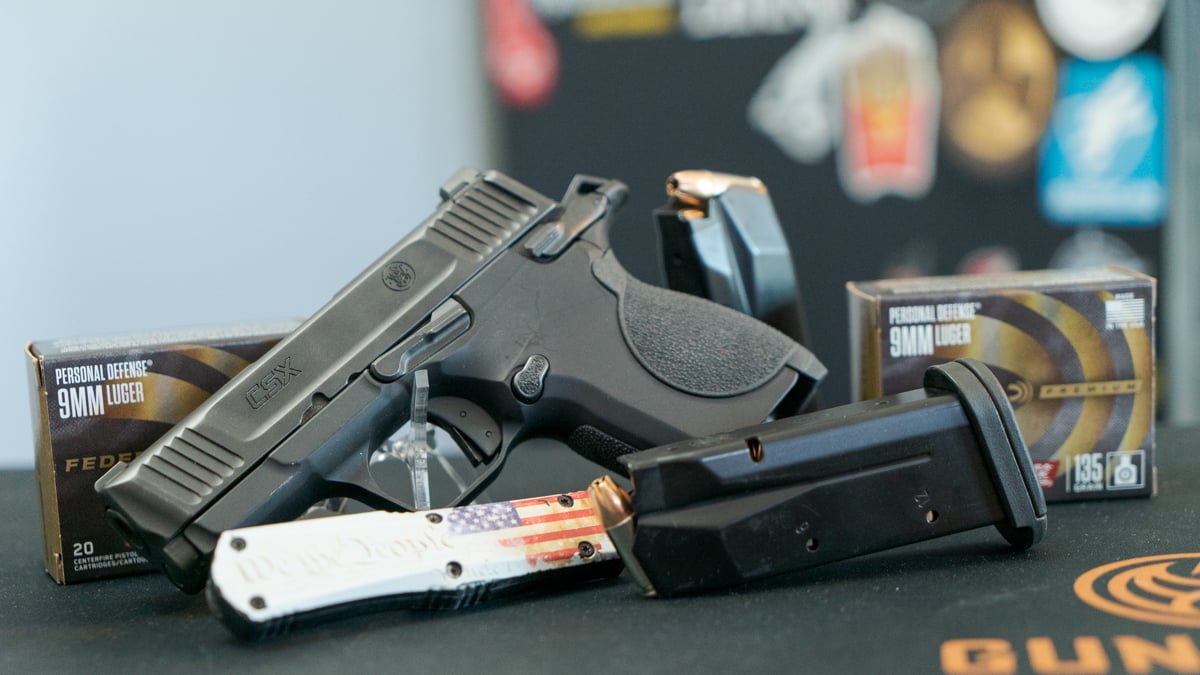
At the most basic level, every handgun has a firing pin that needs to “strike” and ignite the primer of those freedom seeds that you load into your magazine/gun. With a hammer-fired pistol, a spring-loaded hammer is released with the pull of the trigger and pushes the firing pin with enough force to ignite the primer.

In a striker-fired gun, there is no hammer. You simply rack the slide back, and with a pull of the trigger, the spring-loaded firing pin housed inside of the slide gets released and ignites the primer. Striker-fired guns thus have fewer parts, meaning they are typically lighter and simpler to use than their hammer-fired counterparts.
Now, we can get into the pros and cons of each.
PROS & CONS of Striker-Fired Pistols
Since we’re focusing on concealed carry pistols specifically, some of these pros and cons will be a bit different than if we were talking about, say, competition guns. I’ll try my best to stay as impartial as I can, despite my personal preferences.
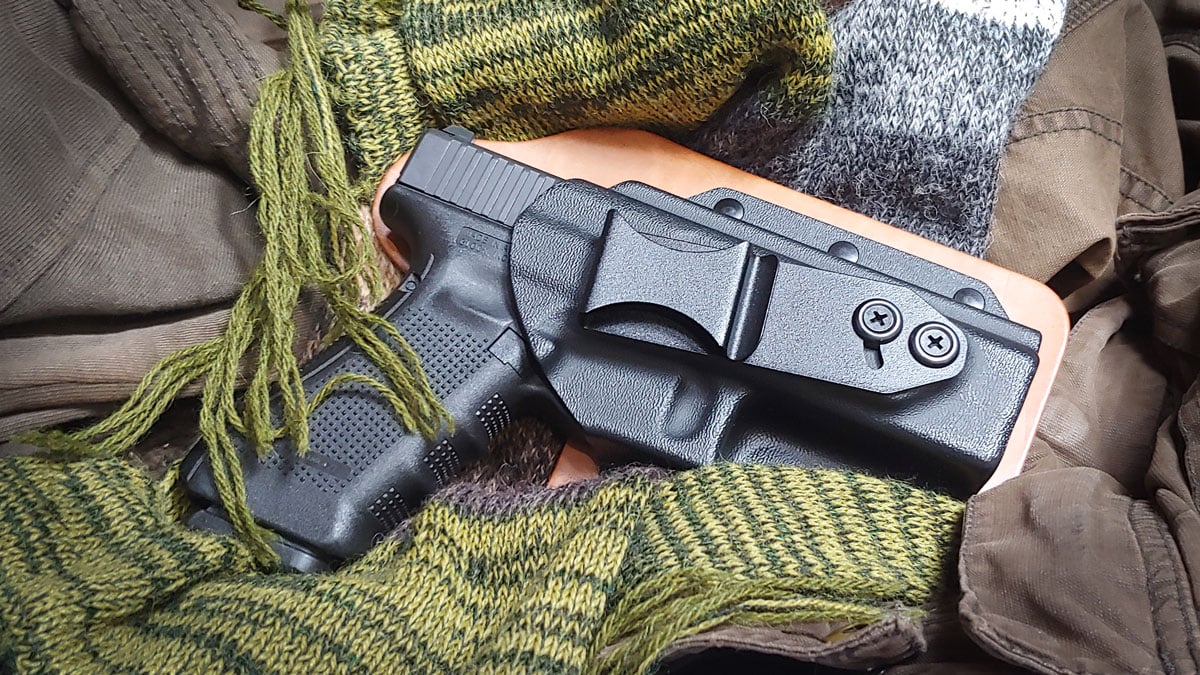
Let’s start with striker-fired pistols. In general, they are considered easier to learn on, shoot, and maintain. They also can be less prone to snagging your clothing while carrying, given there is no hammer protruding (yes there are “hammerless” hammer-fired guns … but remember, we’re keeping it more high-level). Some even argue that striker-fired pistols tend to be a bit lighter and more affordable. Of course, you can find exceptions, as with anything.
On the flip side, a common complaint is safety. There tend to be few models with external thumb safeties, and they often have lighter trigger pulls. Both can be considered safety concerns, depending on how you look at it. A strong focus on trigger discipline and training will mitigate much of the risk, though.
Pros & Cons of Hammer-Fired Pistols
Hammer-fired pistols, as you may guess from the above, are typically considered “safer.” Their external safeties and often adjustable trigger pulls can ease an overly cautious mind. Then through the ability to manually de-cock the pistol before re-holstering, you can easily err on the side of caution even more.
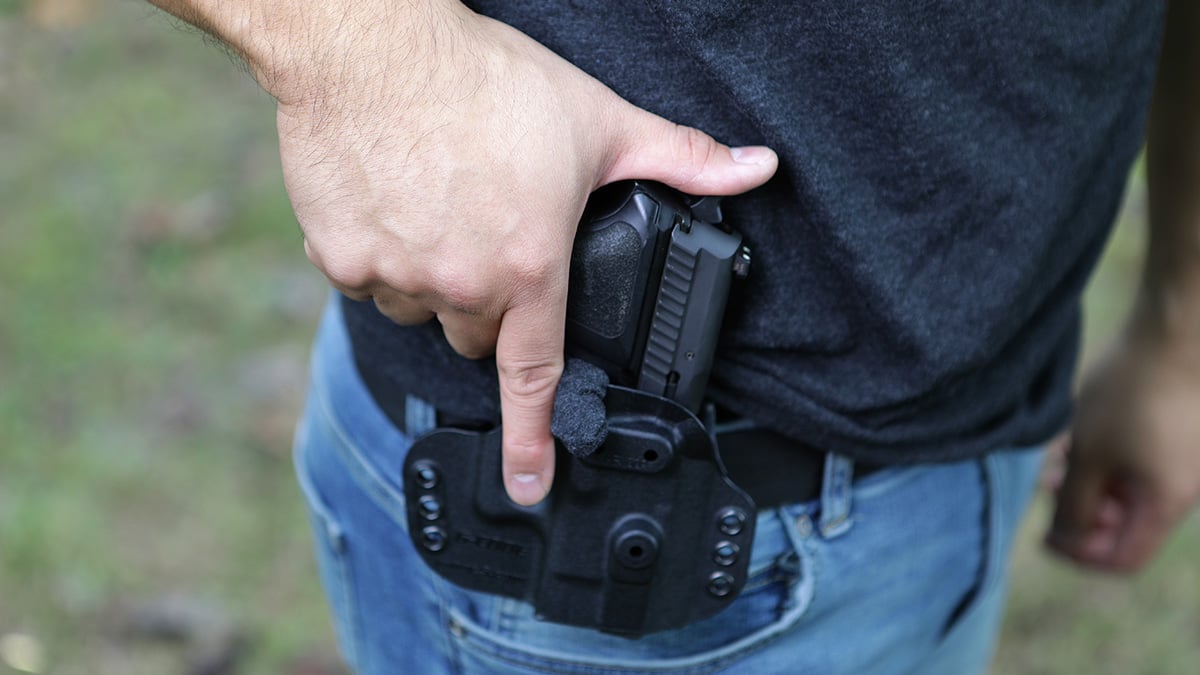
Additionally, the triggers can be in a class of their own from a smoothness and reset perspective. Some of the best triggers I’ve ever had the pleasure of shooting were on hammer-fired pistols.
Confusingly enough, the triggers can also be one of the largest complaints with hammer-fired pistols, especially if the pistol is DA/SA or DAO. That first pull or every pull in each, respectively, can be very heavy. In addition, if you’re shooting DA/SA, transitioning from that first heavy pull to the lighter second pull can take some practice to adjust.

Lastly, while that hammer can provide another layer of safety, it can also slow you down in a time of need and is one more thing to remember in a high-stress situation.
As you can see, both striker-fired and hammer-fired pistols have their respective pros and cons. Are you still on the fence about which you’d prefer to carry? I’ll give you a couple of popular examples of each that I’ve personally liked over the years.
TOP STRIKER-FIRED PISTOLS