It’s Your Right
First, this is America. It pains me to know that Europeans can walk into a local gun shop and pick up a suppressor (or moderator, as they call them there) and walk out without any further drama. While they can’t do the same with a firearm, it still seems unfair to me.
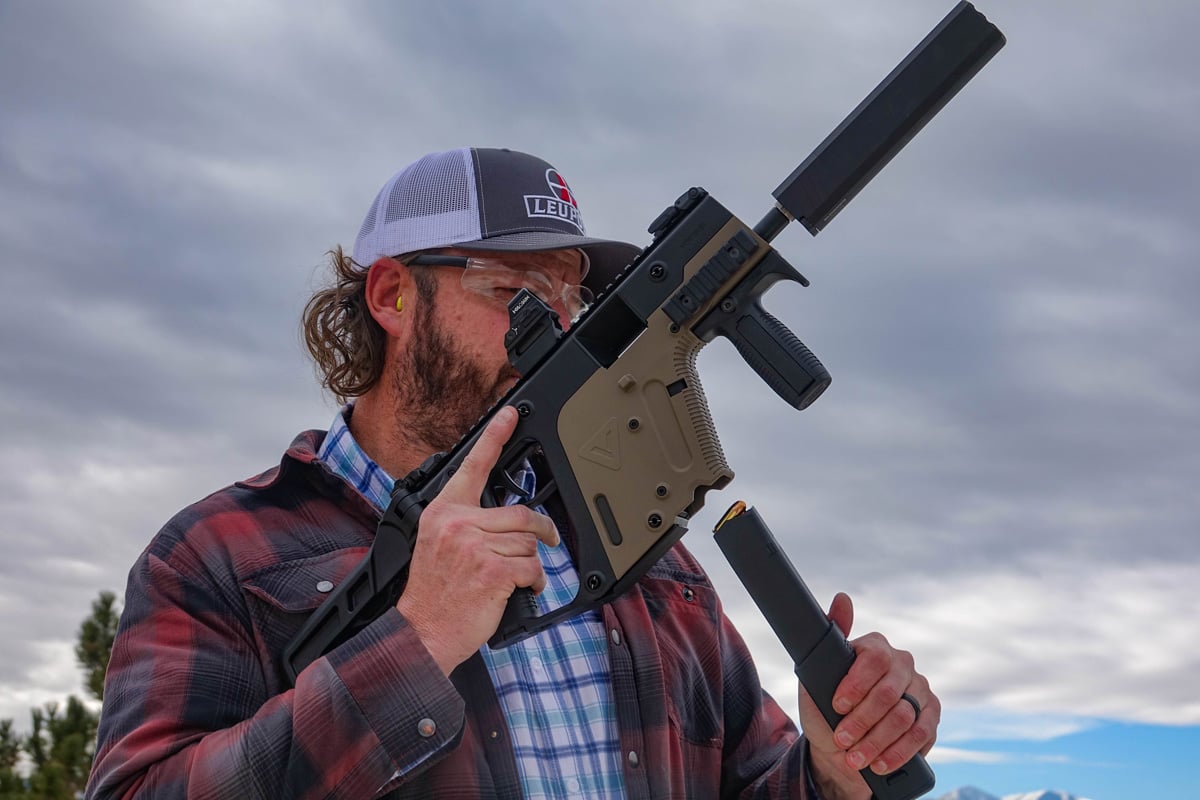
The right to bear arms is clear; any infringement on that right is immoral. So many of us have endured the intruding touch of the federal government in exchange for owning and using suppressors. While I hate to pay an unfair tax, I also see an incredible value in suppressors. It is with great distaste and contempt that any of us should continue buying our rights back from the government. But if we continue pushing the topic, it could eventually change.
Related: How Does a Suppressor Work?
Owning NFA-regulated items is one way to normalize them and convert them into what is called common use. Making them more commonly used among the public will help turn the tide against those who want your $200.
Noise
If you’ve been shooting long, you probably have experienced some form of hearing loss. I find myself often asking others to repeat themselves, surely because of far too many rifle shots with no hearing protection at all.

While suppressors greatly reduce the noise created by firearms, they do not remove it completely. The movie-quiet shots you see on the screen are only possible when shooting subsonic cartridges like the 300 and 8.6 Blackout. Even so, the reduced sound from a suppressed firearm is far better for your ears than without. It sounds more like a loud "hiss" versus the ear-ringing "boom."
Quiet Time With Suppressors: Why You Should Love the ‘Sound of Silence’
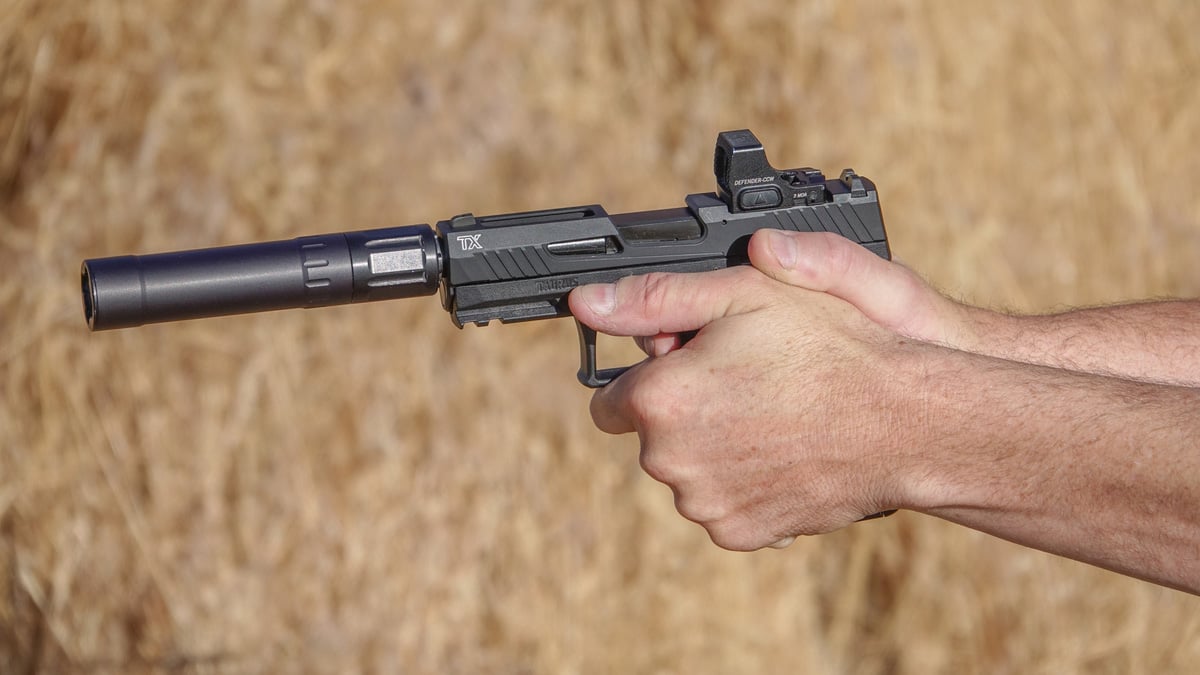
If nothing else, suppressors make shooting safer for your hearing. Generally speaking, you should always wear ear protection, but depending on the caliber and application, you may choose to forego hearing protection when shooting suppressed (for example, if you’re plinking with suppressed .22 LR, you might not need ear pro). General safety is improved when you have full use of your ears while shooting.
Accuracy
If you are a sharpshooter, you’ll be happy to find out that suppressors typically improve the accuracy of your rifle. There are plenty of theories as to why. Dampening the recoil of the rifle is certainly helpful, as well as uniformly stripping gas away from the bullet as it leaves the muzzle.
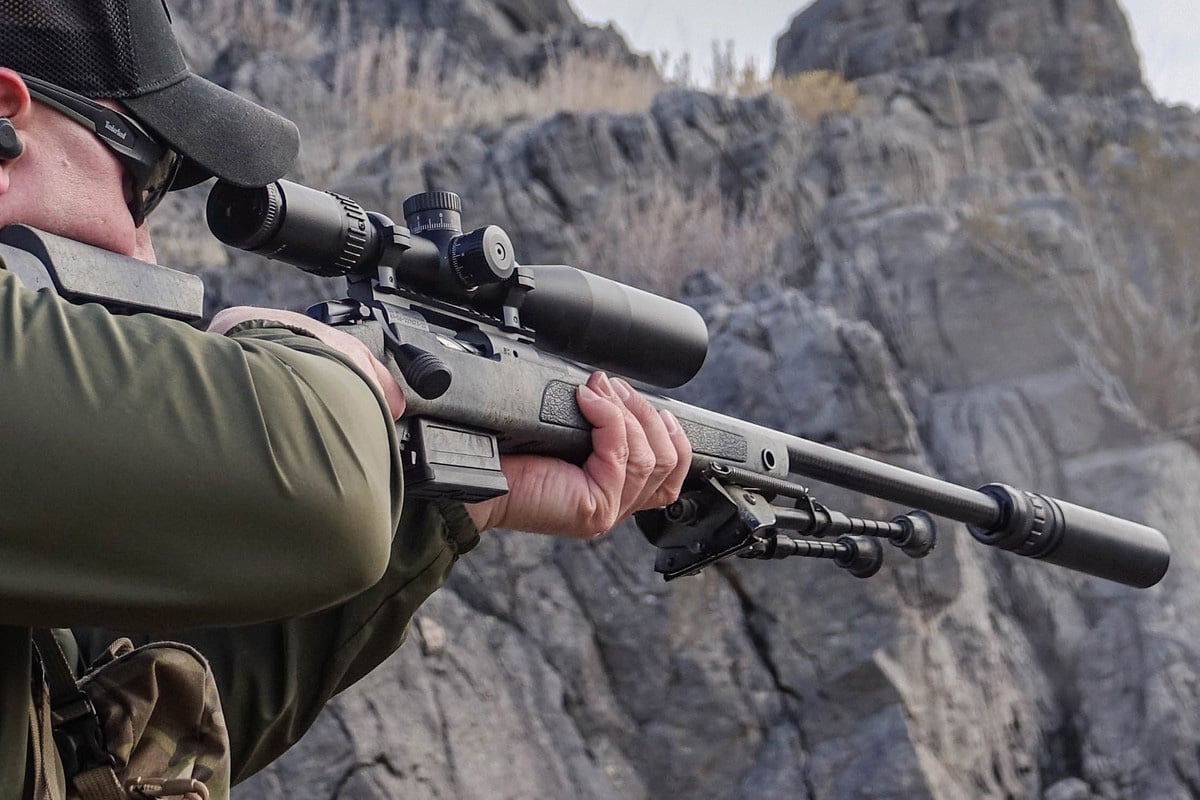
Not always, but usually, I see an improvement in shot groups when a suppressor is added. Different suppressors typically give different results, but for the most part they are repeatable.
Recoil Reduction
Much like a muzzle brake, suppressors can often reduce felt recoil. You could argue about the ways, but adding weight to the rifle is always going to slow the recoil some. Reducing the velocity of high-pressure gases as they exit the muzzle is also going to help.
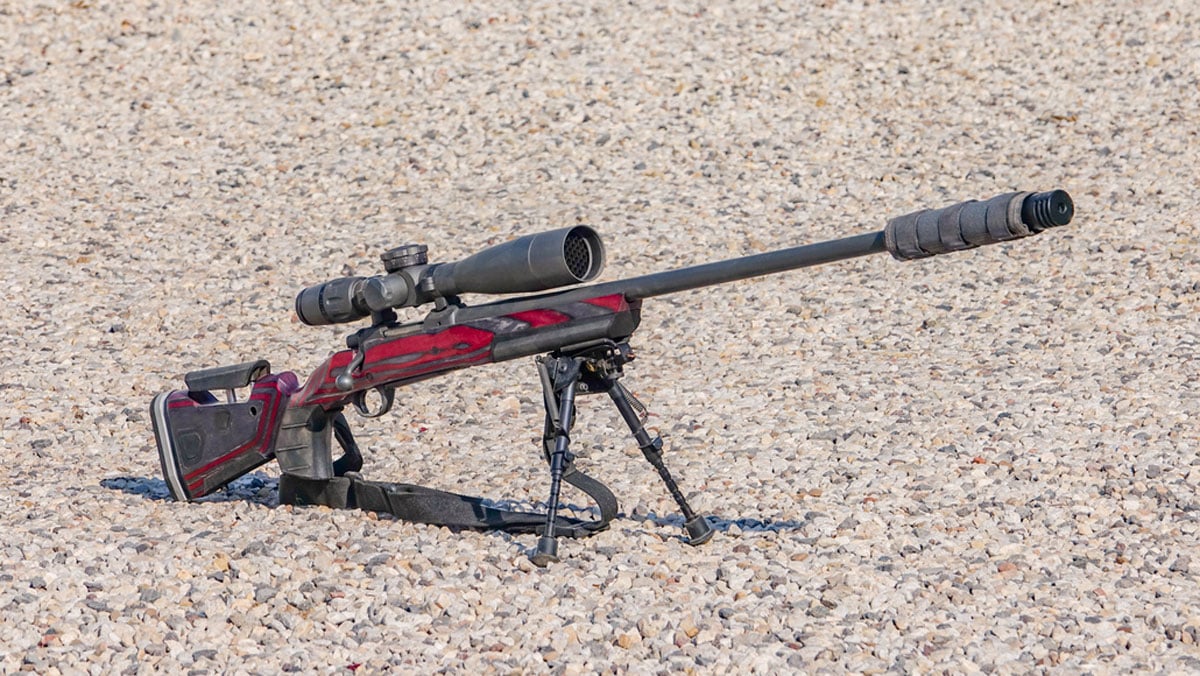
Some suppressors help, and others not so much. Occasionally, a suppressor will actually worsen recoil. Many new models include a brake built into the front of the suppressor to help with recoil, and most modern suppressor mounts double as a recoil-reducing brake when the suppressor isn’t installed.
Hunting
Hunting is one of my favorite applications, as suppressors add a level of anonymity to your hunt. While not completely silent, a suppressor gets rid of the loud boom of a firearm’s report. So, if you are even 50 yards away from an animal, it can be hard to determine where a shot originated.
With supersonic cartridges, you will hear the crack of the bullet going by, but that very noise will prevent your ears from hearing anything from the firearm. With subsonic cartridges, you might not hear anything other than the bullet impacting. If you are a hog or a deer, you’ll be lucky if you hear either, because that means the shot was headed for somebody else. The lack of a report also means that should you miss, your intended target may not be aware of what’s happening, allowing you a chance for a follow-up shot.

Related: Affordable Suppressor-Ready Hunting Rifles
Additionally, if you are in the business of eradicating a group of pest animals like hogs, coyotes, or groundhogs, it’s much easier to do without the noise. YouTube is filled with videos of coyotes coming into a call immediately after their den mate got shwacked by a suppressed .22-250. Often you can shoot multiple animals without spooking a group if you’re shooting suppressed, and if you aren’t wearing ear protection, you have a better ability to hear what’s going on around you. All these benefits can make you a more efficient hunter.
The Downside
You do need to know about the downsides to suppressor use. Obviously, the first one is the infringement I mentioned above: paying a $200 tax on top of the asking price is certainly a downer. That has kept many folks from taking the plunge, but I can tell you once you do, you won’t regret it.
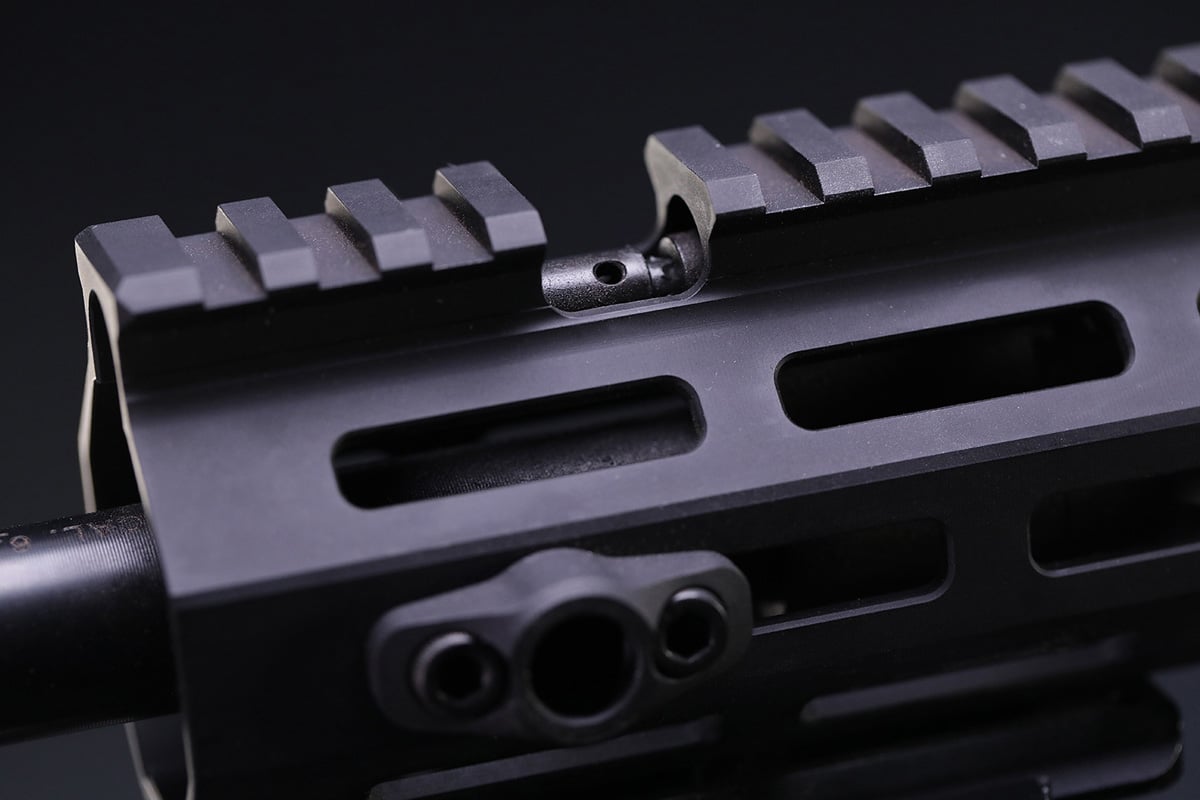
Most suppressors also change the way your rifle functions, adding back pressure to the operating systems of most semi-autos. This can cause excessive wear if not mitigated, and that is what adjustable gas systems are for.
Another complication from added back pressure can be additional fouling of your rifle. Extra gunk and carbon are common when shooting suppressed, at least with semi-autos. There are a few options like flow-thru suppressor designs that help with this problem, but there is still usually some added fouling.
Last Words
I am a huge fan of suppressed shooting. I remember when I got my first suppressor, it changed everything about my shooting. Now, everybody I shoot with has multiple suppressors, and it’s all about being quiet.
Adding a suppressor will greatly improve your shooting practice in more ways than you might imagine. While it is a pain to get through all the unconstitutional red tape, you will be glad you did.