Carbon Copies
When I first heard about carbon-wrapped barrels many years ago, I thought for sure it had to be some gimmick. That is, until I toured the Christensen Arms factory, where they were building aerospace parts alongside their firearms. Watching how they made barrels and stocks started making sense.

Related: Building a Bolt-Action Rifle in the Heart of Utah with Christensen Arms
Years later, a little outfit called Proof Research also came to market. Then it seemed like every time I turned around there was another company offering carbon gun parts. Lightweight, extremely strong, and rigid, the appeal of carbon for making gun components is hard to deny.
Technology has made it possible to make almost anything from carbon, and we firearm owners are reaping the benefits. Let’s get into the actual parts you might see, and why you might want one.
More than Barrels?
It’s not just barrels that are being carbon-wrapped. Parts from handguards to receivers and stocks are all using partial or complete carbon construction. Stainless-steel barrels are turned down to be seemingly too small, then wrapped in carbon and brought back to a regular profile. The result is a stiff and accurate barrel that can weigh half as much as a steel barrel, if not less.
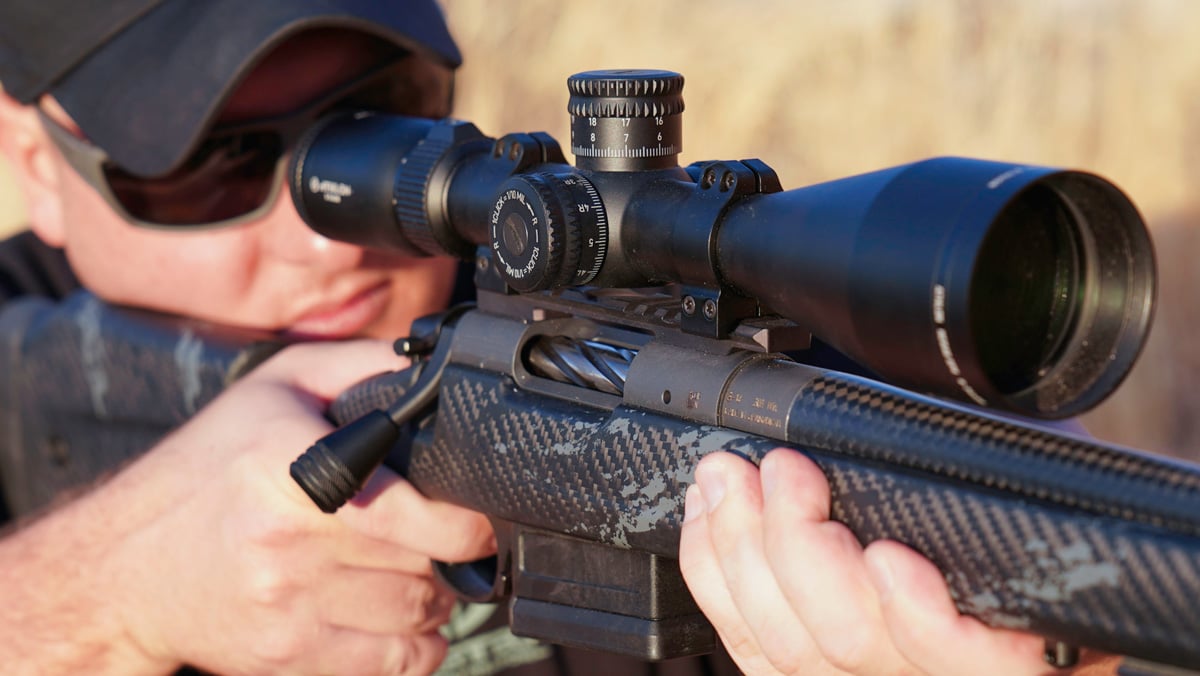
Fiberglass stocks are quickly being replaced by carbon-fiber copies with the exact same look and function but far less weight. Different carbon-fiber structures are used for a variety of purposes. The Bergara Crest Carbon barrel also incorporates a stainless-steel mesh within the carbon layers to help draw heat away from the bore at the center.
Incorporating stainless and steel parts to these carbon components makes them even more useful. Pillars and threaded steel parts allow accessories to be attached, and sleeves can also be used around carbon to make a strong and durable part. AR uppers and lowers are being made from carbon, too. There are few things you can’t do with carbon.
Why Choose Carbon?
I have built several custom hunting rifles using carbon-fiber components. If you’re the kind of hunter who drives a UTV to a blind to watch over a bean field, you might not appreciate the lightweight construction of these rifles as much. For those that hunt the rough and tall Rocky Mountains, hiking for miles and miles is tough enough.
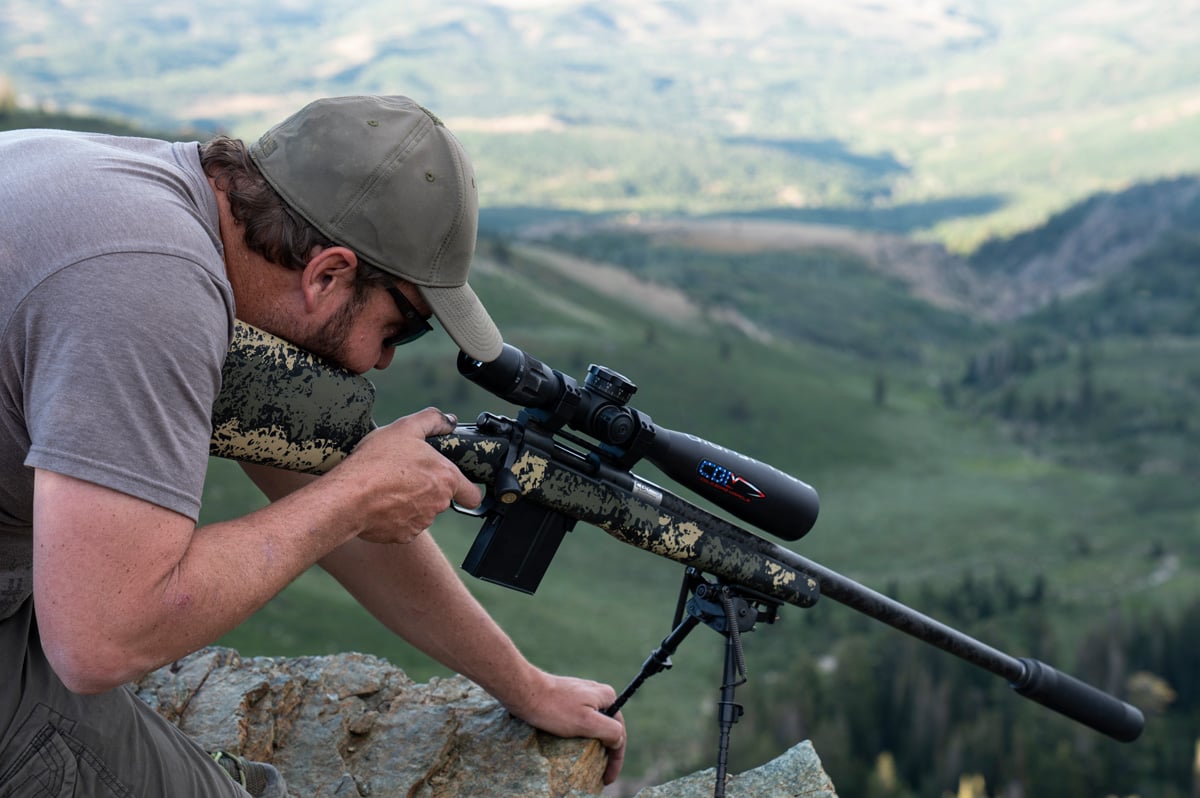
So, using a lightweight carbon-fiber rifle is extremely handy and will save your shoulder from exhaustion carrying it all day. Climbing hundreds or thousands of vertical feet while carrying your rifle is much easier when it weighs less, and today’s carbon options perform just as well as conventional steel rifles, for the most part.
Reducing weight is always a nice feature, for more reasons than you might think. Reducing the weight of a barrel and stock might make it possible to use a larger and more powerful riflescope or offer the ability to add other accessories like a suppressor. When you’re choosing a caliber, keep in mind that making a rifle lighter tends to increase the felt recoil.
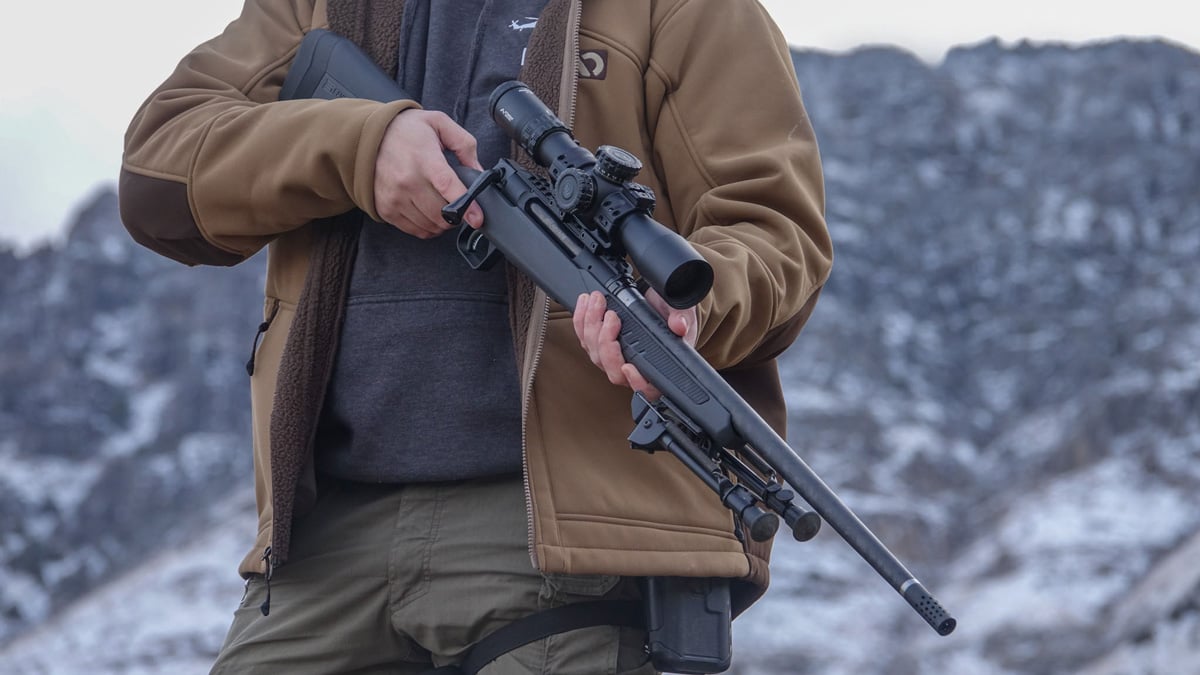
High-quality components and complete firearms can be had from some very reputable manufacturers. Many companies are producing great options in carbon fiber.
The Downside
Is there a downside to carbon fiber? That depends on a few things. First off, new technologies are almost always more costly than older ones. You can expect to pay more for a carbon component than a comparable steel one. Luckily, the cost is coming down as competition continues to drive innovation and business.
For example, a nice modern bolt-action rifle with a polymer or fiberglass stock and steel barrel might cost you between $500 and $1,000. Adding a carbon-fiber barrel and stock to the same action for a lighter version of the same rifle could drive the price up to between $1,500 and $2,000. Only you can decide if that increase in cost is worth it to you and your shoulder.

One of the reasons many folks didn’t like the carbon option when it first came out was barrel inconsistency. Some early carbon-wrapped barrels plain didn’t shoot well, which hardly made them worth the extra cost. While that has surely become less of a problem, it sometimes still rises to the surface.
Composite construction of something as important as a barrel also has other concerns. As metal and carbon both heat up during the shooting process, they may expand at different rates, causing the harmonics of the barrel to change. This can cause shifts in point of impact or other forms of accuracy deterioration. Most barrels will change some as shooting strings get longer, but due to their construction, I have seen carbon-fiber barrels deteriorate quicker as they heat up.
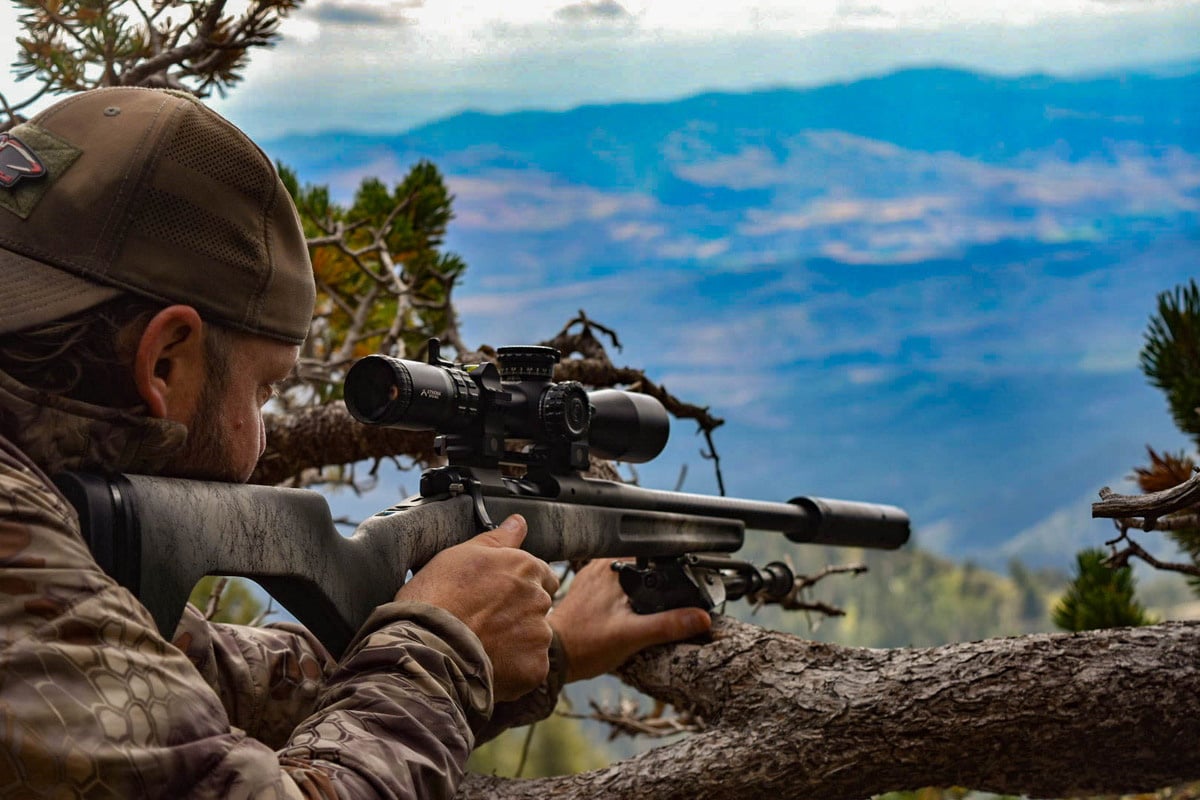
This might be a problem if you are shooting in a high-volume competition or delivering box after box of shots to a prairie dog town. But for big-game hunting rifles it seems to be much less of a problem. Our hunts often only use one or perhaps two shots, and for that I don’t worry about impact shift at all. As carbon technology advances, this will likely become less of an issue.
My Thoughts
We are often slow to accept new things, especially when technology creeps into our favorite places. The advancements keep coming, like it or not. Perhaps someday soon I will have my capacitor-fueled electromagnetic select-fire carbine. Until then, I’ll continue to use what’s available.
I’ve been very happy with my carbon-fiber firearms. They have performed beyond my expectations for the most part, are a joy to carry, and have excellent accuracy. The negative things I mentioned above are more of a disclaimer than a downside. I think that if you know what you are getting into and are aware of any limitations, you too will enjoy them.