Schmidt-Rubin K31
From watches to pocketknives to the latest and greatest suppressors from B&T, Swiss companies put a premium on quality, and the Schmidt-Rubin K31 rifle is another well-made product from Switzerland.
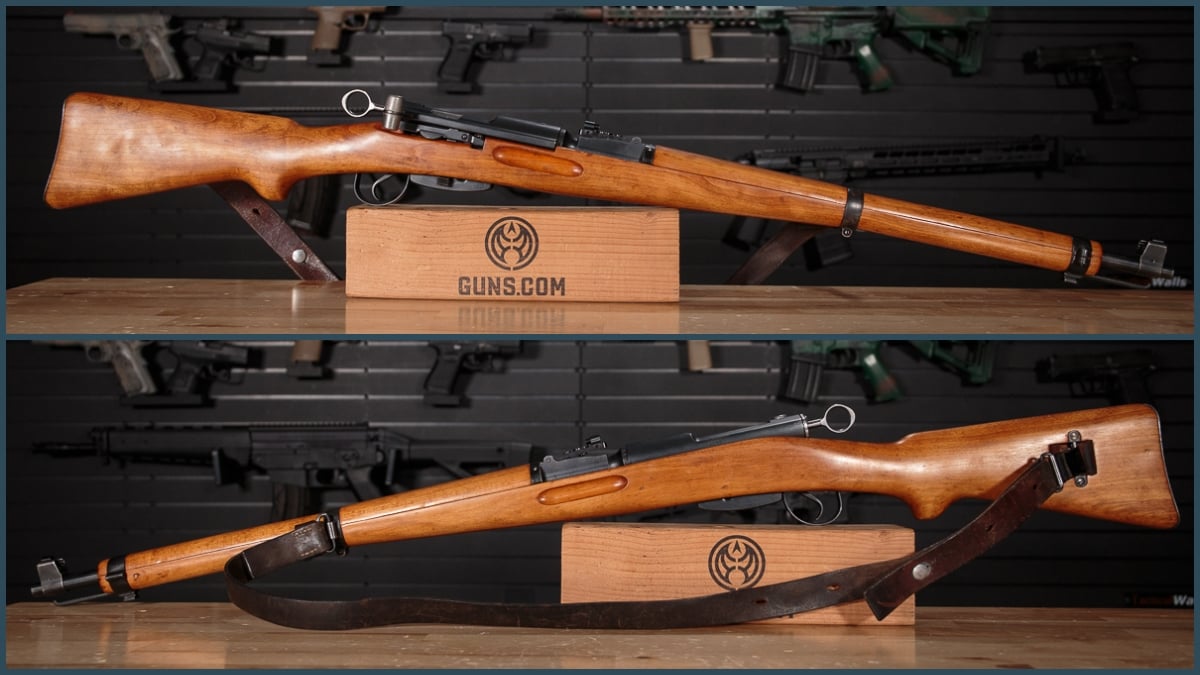
The K31 is a unique rifle with a straight-pull bolt design that dates to the 1911-pattern Swiss rifles. Unlike most turn-bolts, the Swiss K31 uses a simple back-and-forth straight-pull action. This makes it easier to operate the mechanism and allows the bolt to run faster.

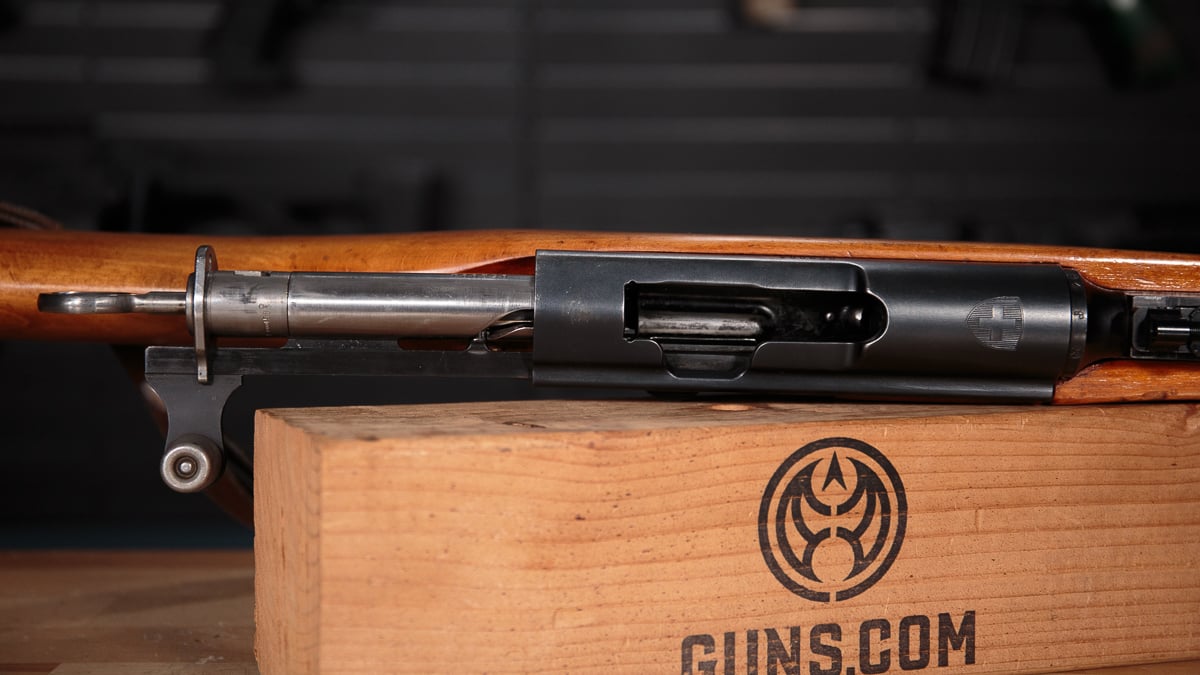
The K31 is an improvement on the original K11 carbine. The rifle’s Schmidt-Rubin name is an ode to the original Swiss straight-pull designers, although Rudolph Schmidt passed away before the inception of the K31. Eduard Rubin reimagined the action, making it shorter and more compact than its 1911 predecessor. Rubin also improved the trigger and sights to make the K31 one of the finest military service rifles of the time.
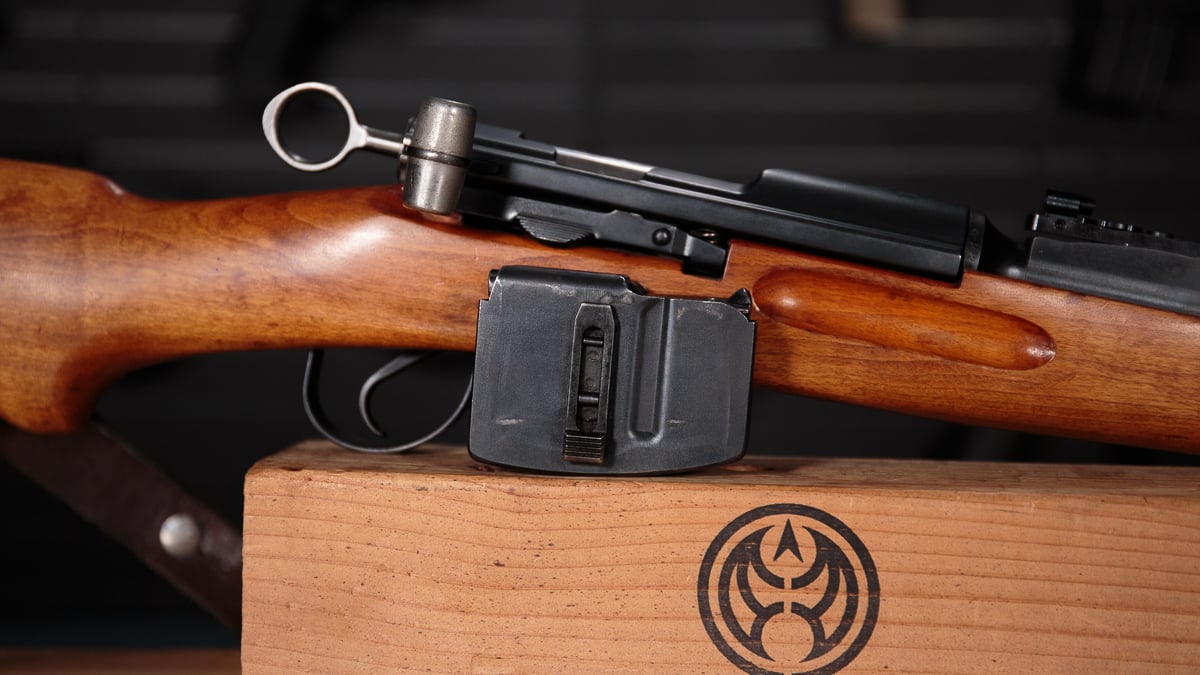
The rifle is chambered for the 7.5x55mm Swiss cartridge and feeds from a detachable six-round magazine. It’s designed to run on GP11 ammunition, a copper nickel-plated cartridge that came pre-loaded in six-round stripper clips. Unlike standard metal stripper clips of the day, these were made of a wax-dipped cardboard, making them biodegradable.
Reputation for Accuracy
This rifle and its unique action have a high reputation on the military surplus market. The K31 is often considered the finest-built, most accurate military rifle ever constructed. It would cost thousands of dollars to reproduce a rifle of that quality with modern manufacturing. That says a lot, considering you can snag the rifle for well under $1,000.
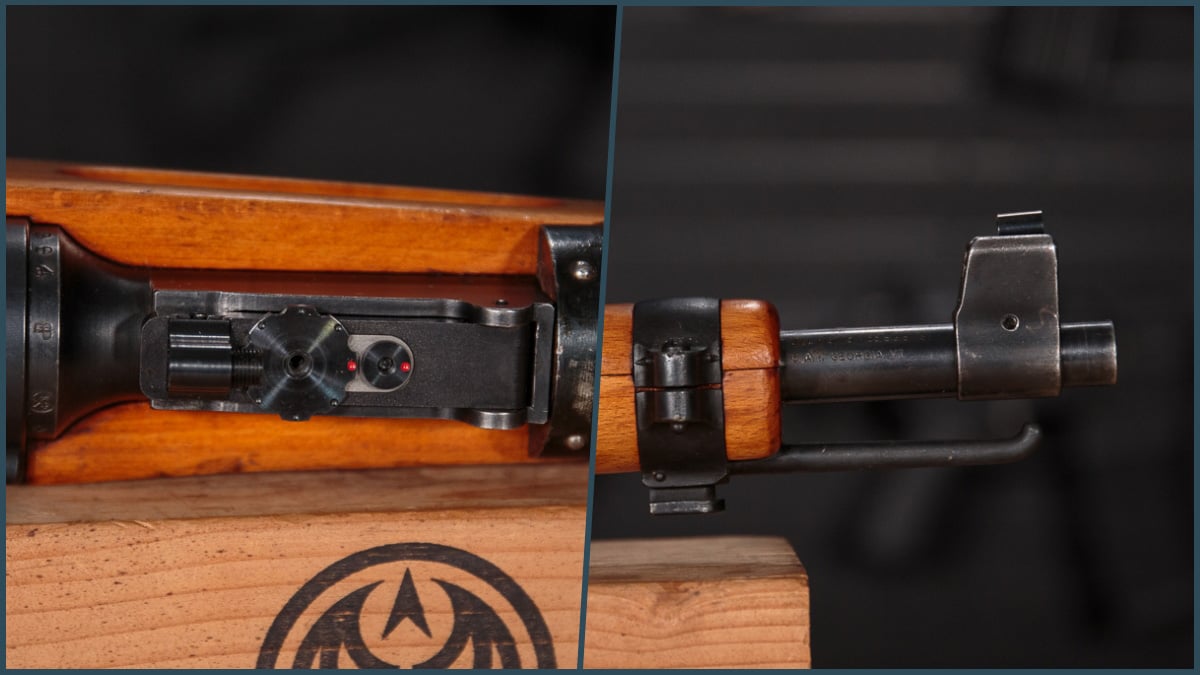
To prove the K31’s accuracy claims, world record holder Ernie Jimenez set the open sights rifle record by scoring hits at 2,240 yards with an unmodified K31. In fact, the Swiss have an old story that dates to the days of the original K1911 rifle, reinforcing their opinion about the rifle’s accuracy. Prior to WWI, Kaiser Wilhelm approached the Swiss minister and asked, “What will become of the 250,000-man Swiss army when the 500,000-man German army rolls through Switzerland?”
The Swiss minister simply replied, “Each of my soldiers will shoot twice and go home.”
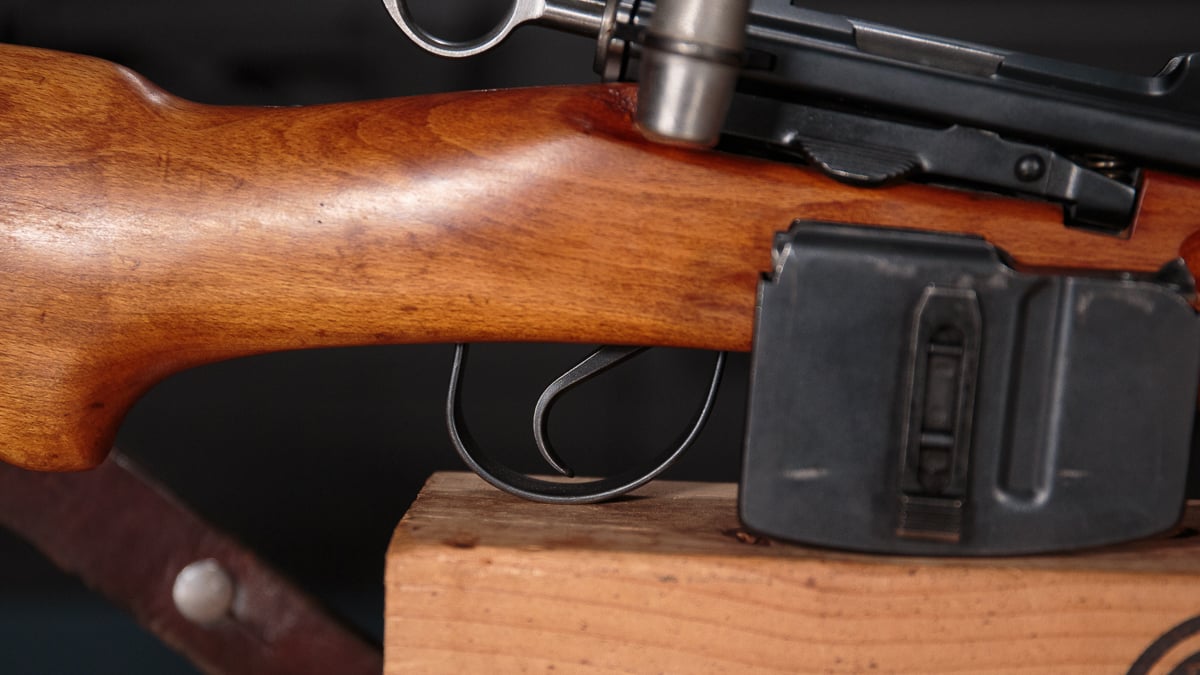
The K31 is the Swiss version of the American M1 Garand, in the sense that it is sold as a surplus rifle to the Swiss populace and is used in state-sponsored competitions and trainings. As Switzerland still relies on mandatory military service and emergency call-up militia units, the country encourages its citizens to train and sharpen their skills with a rifle – and what better rifle for the purpose than a Swiss K31?
Walther P88
Walther is an iconic brand known for handguns like the P38, P99, PPK, PPQ, and PDP, but another Walther model not discussed often is the P88. The Walther P88 was a short-lived double-stack 9mm handgun that replaced the Walther P5, which was just a modernized version of the P38/P1. While the P5 saw some commercial success, the design was expensive, with antiquated features like the single-stack eight-round magazine.
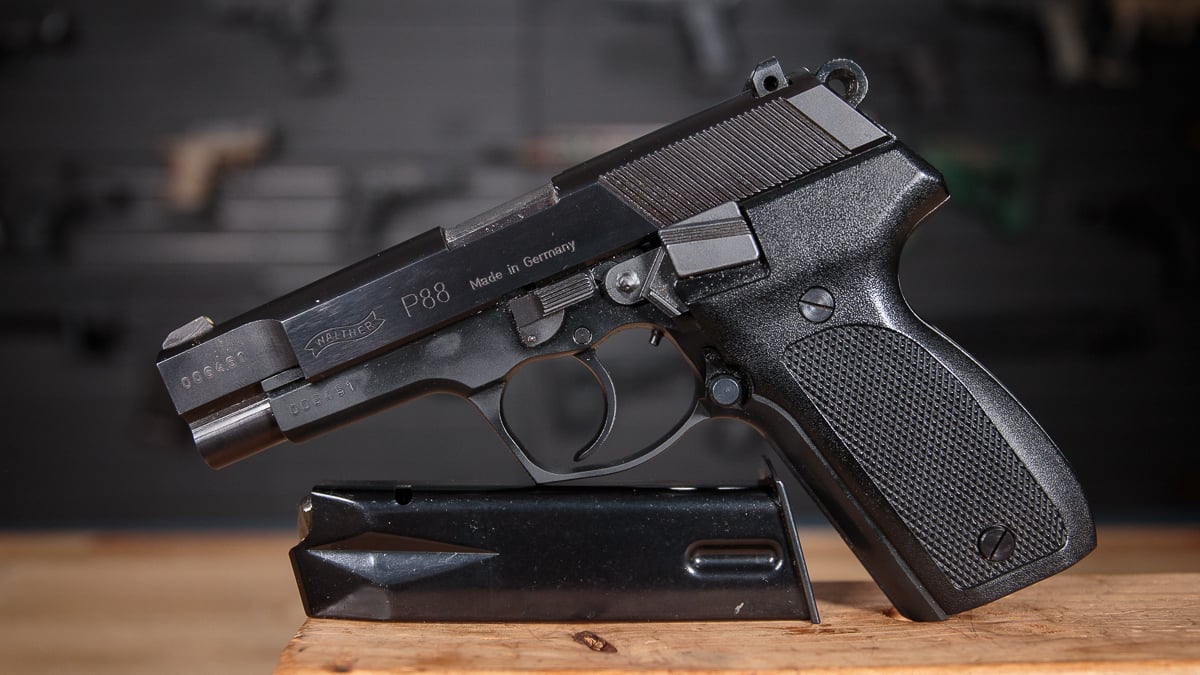
In the early 1980s, Walther began work on a new double-stack 9mm using the Browning action, which was cheaper to manufacture. The design was even submitted to the United States Joint Service Small Arms Program, ultimately losing to the Beretta M9 in 1985. Ironically, Walther ditched the swing lock design in favor of the cheaper Browning action, just to have the handgun lose American trials to the Beretta M9, which has a swing lock similar to that of the P5 and P38.
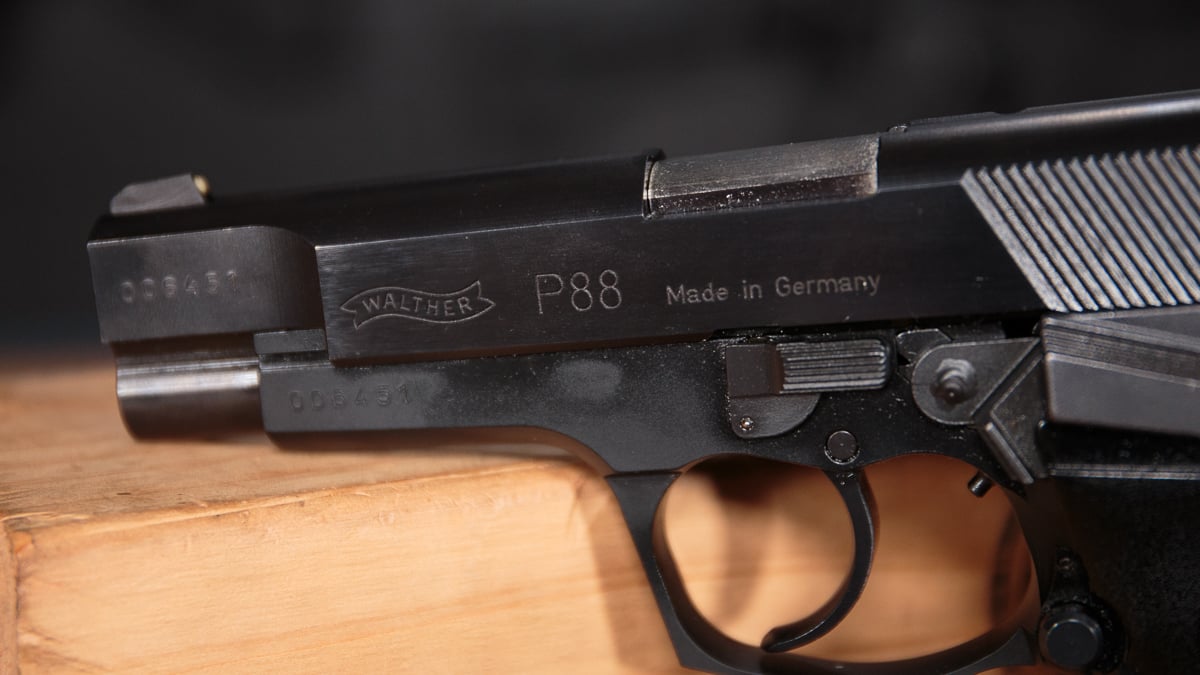
The P88 is so named for Walther’s efforts in 1988 to commercialize the design and sell it on domestic markets. After moderate success with minor law enforcement and military contracts, the 15-round, single/double-action 9mm had a short run on the domestic that ended with the introduction of the Walther P99 in 1997.
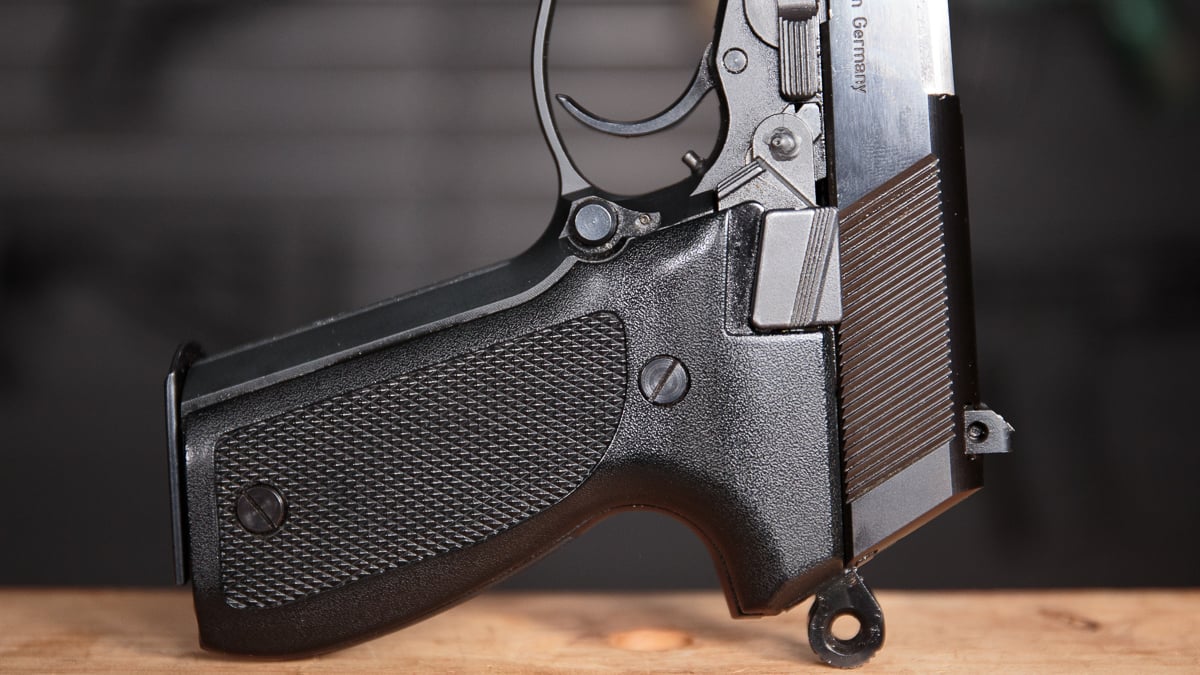
Sadly, while full of history, the Walther P88 is rarely seen in the United States. While you can easily find Smith & Wesson “wonder 9s,” Berettas, and even Walther P1s, not many P88s are sitting in gun shops.
Steyr AUG A3/M1 9mm Conversion
The last firearm from this month’s picks is newer – well, it’s old and new at the same time. The Steyr AUG is often considered the first commercially successful bullpup, and Steyr introduced the 9mm conversion kit a few years back to gauge interest on a 9mm PCC version of the classic bullpup platform.
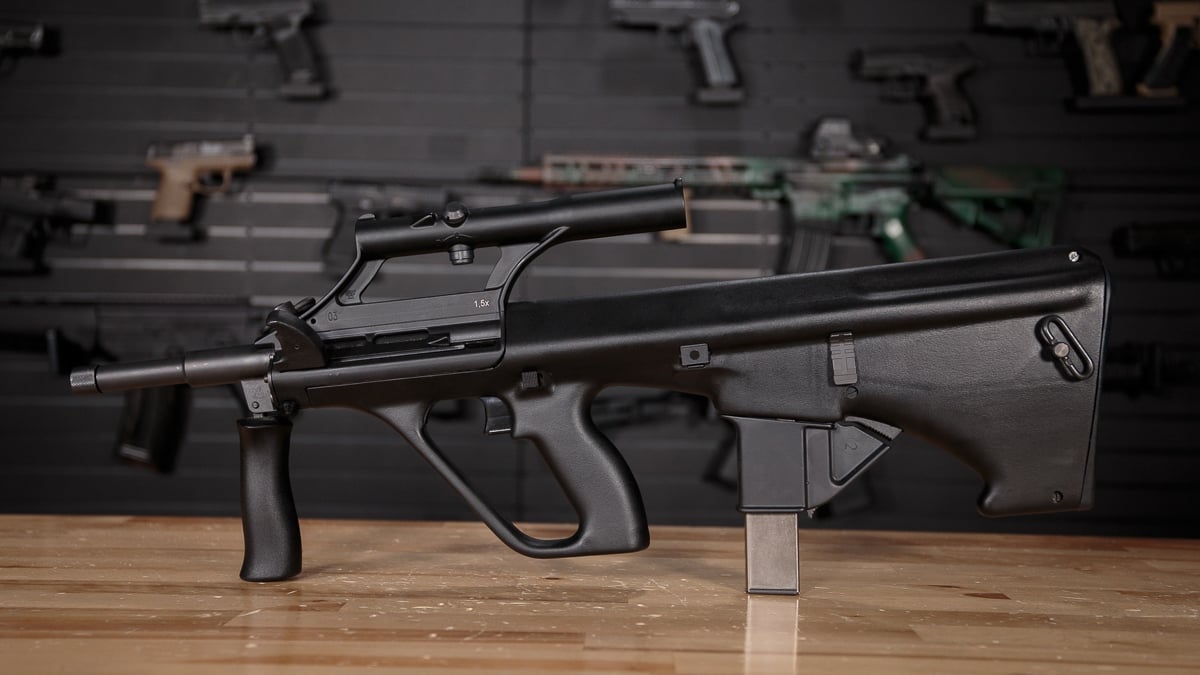
On a bullpup firearm, the action and magazine are located behind the trigger. This allows for a compact design with a standard-length rifle barrel. The 5.56/.223 version of the Steyr AUG is one of the most popular bullpups on the market, with nations like Austria and Australia using it as their standard service rifle.
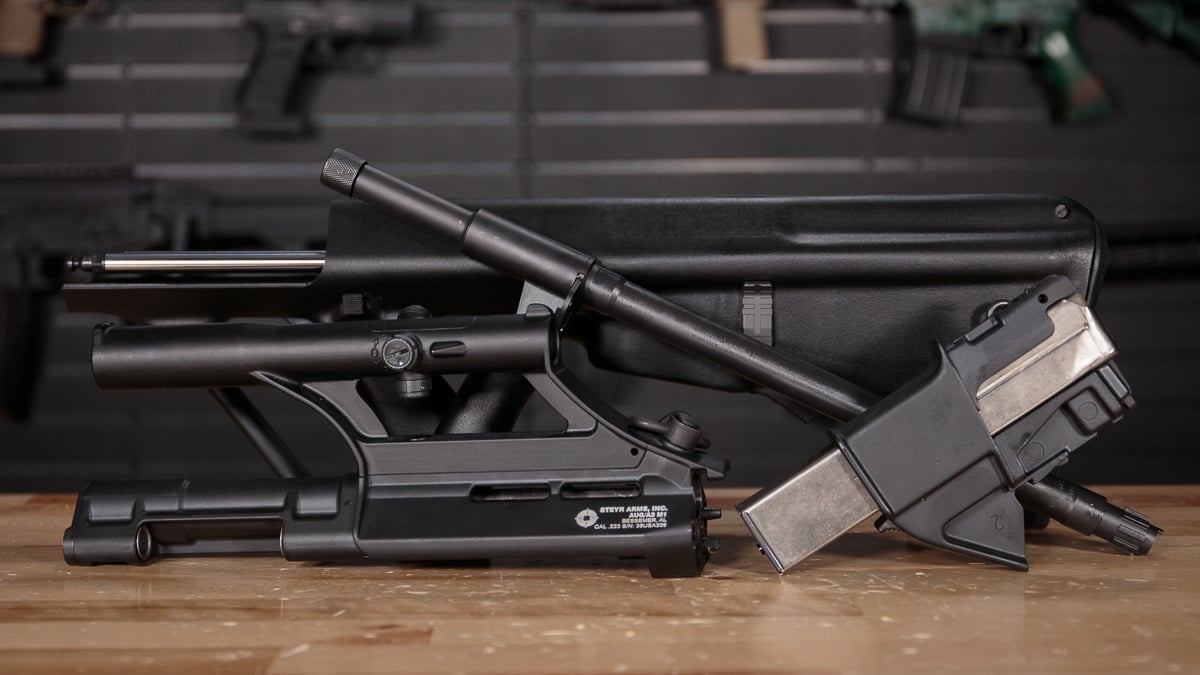
With 9mm PCCs rising in popularity, Steyr set out to make a conversion kit. In a rather genius way, Steyr’s conversion kit is simple. Using the AUG’s standard upper and lower receiver, the user simply changes the bolt and barrel and inserts a magazine converter that fits in the standard magwell. The barrel is easily removed by locking the bolt to the rear and pushing a button, while the magazine conversion clicks into place in lieu of a standard 5.56 magazine.

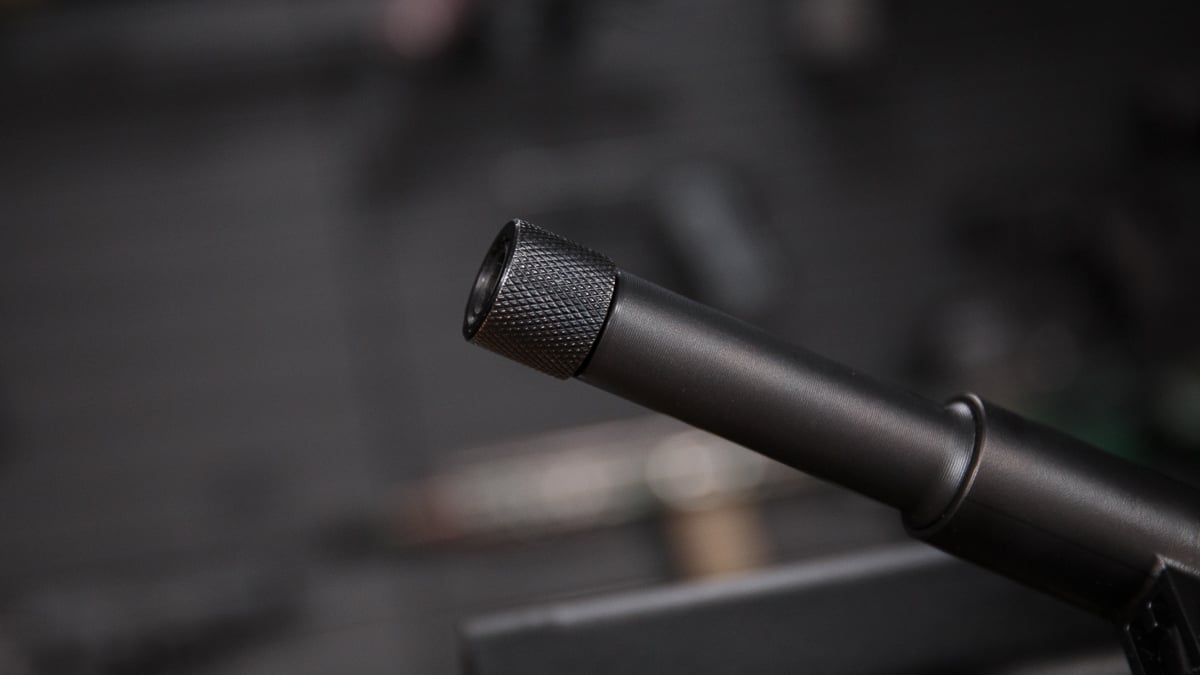
Steyr brought this conversion kit to the U.S. in limited numbers to test the market, and those who have the kits seem rather reluctant to sell them. Steyr never imported complete 9mm rifles, only the parts needed for the conversion. This conversion kit sits on a standard AUG A3/M1 .223-caliber receiver, complete with a Steyr 1.5x donut reticle optic. While there are some different magazine compatibilities, this conversion uses the Steyr SMG mags, which are not too common in the United States. The 9mm muzzle is threaded with a standard 1/2x28 pitch.
For the big Steyr/bullpup fans out there, this is a rarer find. The AUG has a great reputation, and it’s exciting to see such an easy conversion for the rifle series.
Summary
My real passion for collecting lies with military surplus firearms, which makes me want to spend my whole paycheck every time I walk down the aisles here at the Guns.com warehouse.
More than just tools, many firearms are pieces of living history. They open a portal to learning the ways of the past, and even a peek into the ways of the future. There is never a dull day at the Guns.com warehouse, and not a week goes by that I am not amazed by a firearm that comes through our doors.