What Makes a Magnum?
Magnum cartridges are larger than typical cartridges of comparable bore. For example, the .30-06 Springfield is a common .30-caliber cartridge. The .300 Winchester Magnum is a larger .30-caliber cartridge with more powder capacity. This allows the .300 to push bullets much faster, all else being equal.
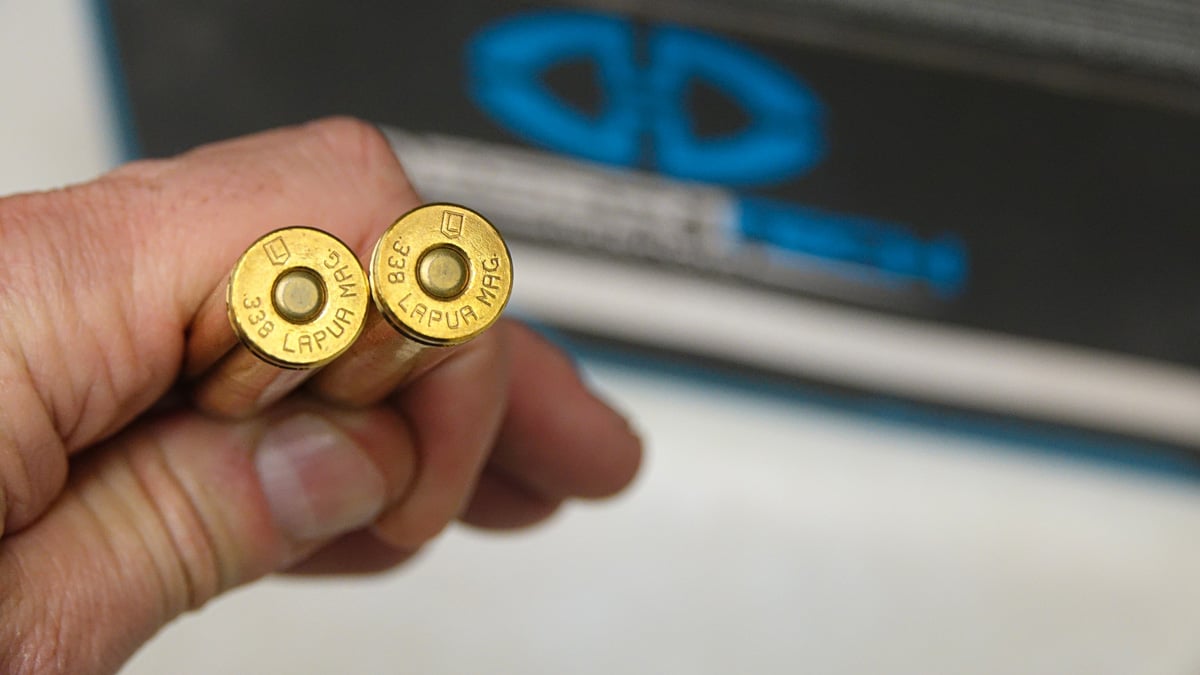
The whole premise of Magnum cartridges is to bring higher velocities and energy. When you shoot larger bullets and faster velocities, the energy imposed on the target increases. This can be critical when it comes to hunting animals, as energy is key to quickly incapacitating our prey.
Related: Magnum legends – .300 Win Mag vs. 7mm Rem Mag
Ballistic Performance
Magnum cartridges are popular also because of their ballistic performance. The same attributes that make them effective for hunting make them effective for long-range shooting. Being able to shoot bigger bullets at faster velocities, or standard bullets at even faster velocities, makes them a better choice for shooting farther.

Heavier bullets and faster bullets hold onto their energy longer, which increases their effective window. You can imagine how this would be helpful to hunters and long-range shooters.
Newer and better bullets are constantly hitting the market and ballistic performance growing ever better. The 180-grain bullets your grandpa shot weren’t as efficient as the latest and greatest 180-grain bullets we have today, but does that matter for many of us?
Real-World Applications
Peruse hunting and shooting forums, social media groups, or even the slums of Reddit, and you can get an idea of most hunting practices. It seems most hunters typically engage big game like deer at distances between 50 and 400 yards when hunting with firearms. Obviously, that depends greatly on location and the animal they are after.
Related: Hunting Calibers – Does Size Really Matter?
If you are stalking a 50-pound roe deer on the green fields of Great Britain, you will probably use different tackle than a hog hunter in Georgia or a stone sheep hunter in the Yukon. The size of your prey and the environment you pursue it in has much to do with your cartridge selection.
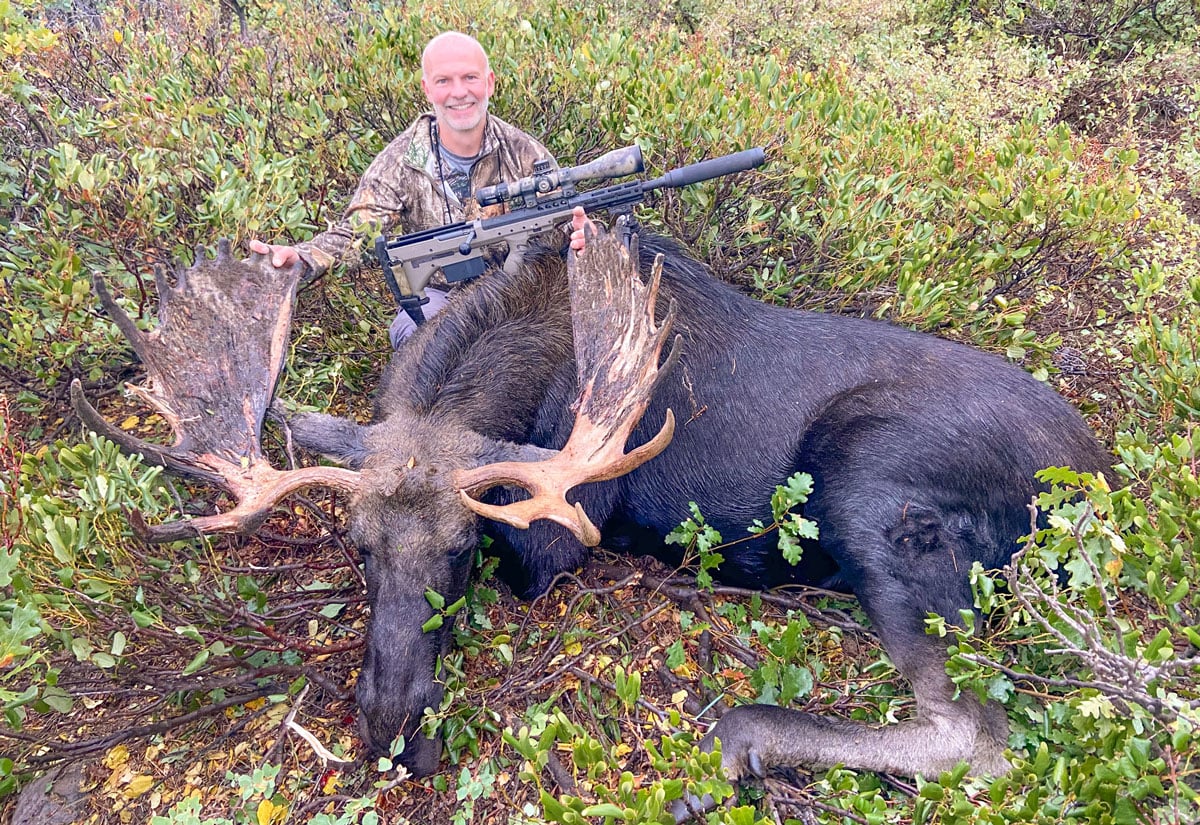
Even large animals like Rocky Mountain elk are easily taken with short-action cartridges like a .243 or a .30-30, but most people use heavy Magnums for hunting them mainly because elk live in places you don’t want to take your .243.
The Landscape
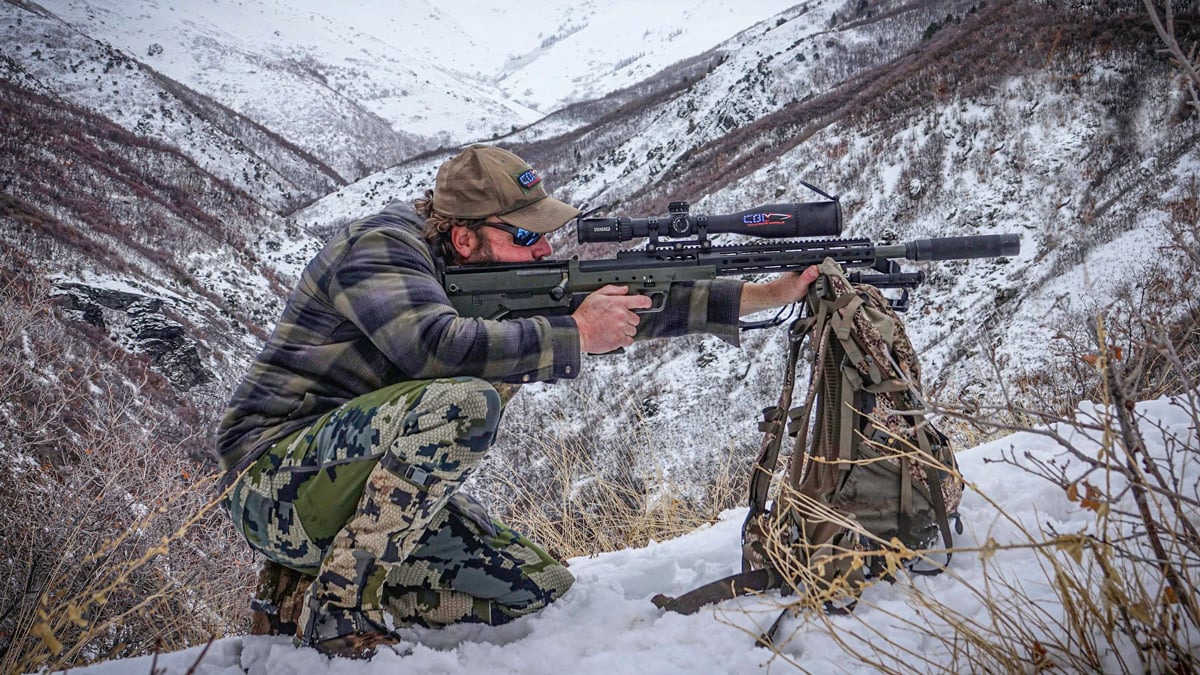
Western hunts often take place in big, open country, where shots could be much farther than average. Furthermore, a wounded animal might go for miles through the steepest, most miserable country you can imagine. So, it makes sense to use a rifle with more power and heavy bullets. In many of these hunts, it is also important to drop the animal right where it stands to avoid strenuous extraction.
Conversely, if you are hunting one of the Gulf states, you probably aren’t going to be making many 400-yard shots, and your chances of finding an elk down there are likely limited to exotic ranches. Location can have a lot to do with whether or not you really need a Magnum.
Biology
It is also important to understand the body structure of the animals we intend to hunt. Some animals are tougher than others and require a little more energy to quickly and cleanly put them down. Using an appropriately proportioned cartridge for the animal not only ensures a clean kill but also reduces waste. I like to eat what I hunt, so blowing a deer in half with a super Magnum is not on my list.
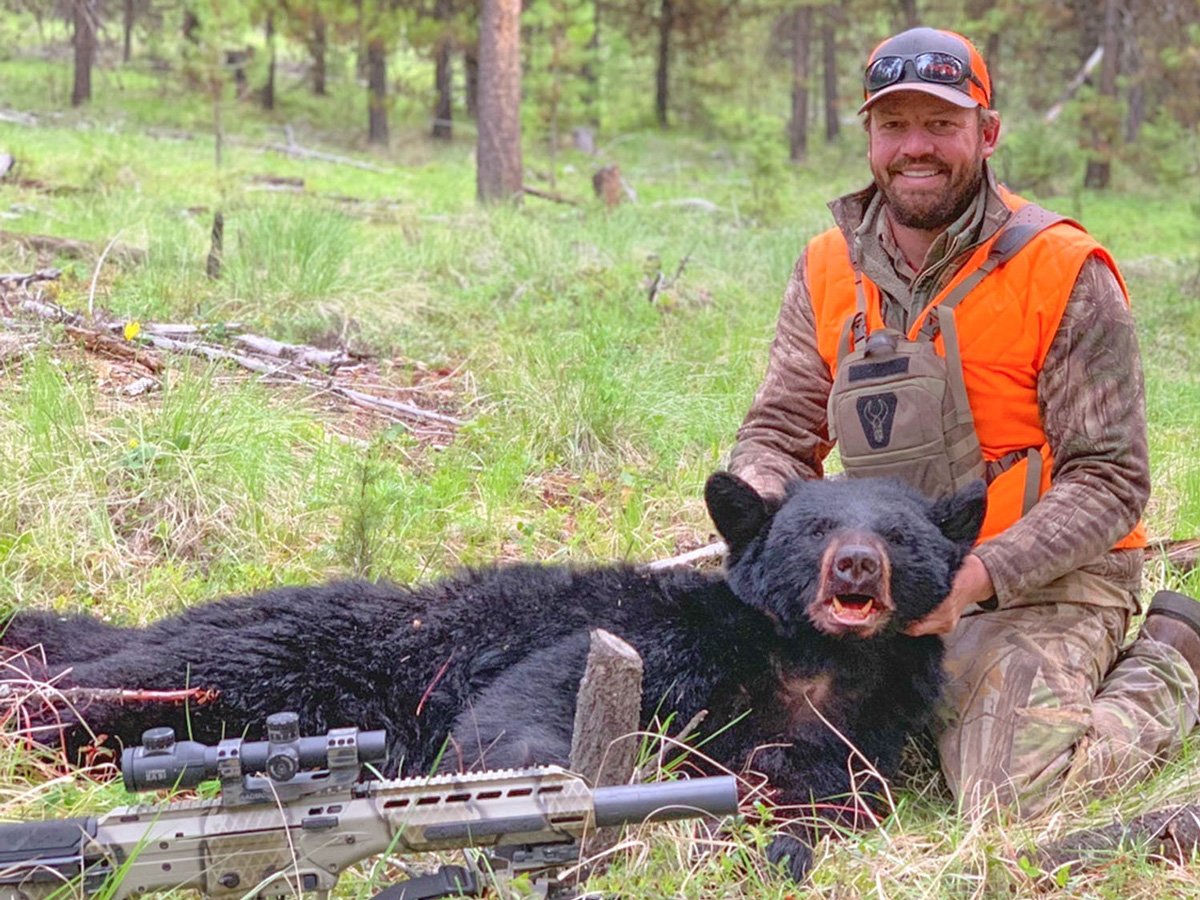
Using a Magnum on a small animal, particularly at short distance, is likely to cause more damage than necessary. This could cause meat to be lost and discarded. Shooting a 90-grain bullet from a 6mm Creedmoor might be perfect for hunting a pronghorn antelope inside 400 yards. You could use a .300 Winchester for the same job, but you might have a few pounds less to take home for the freezer.
Do You Really Need a Magnum?
All these points considered, do you really need a Magnum for certain practices? Let’s consider certain parts of the country where most deer are shot within 200 yards. They haven’t built a deer yet that could survive a well-placed shot from popular short-action cartridges.

Last year, I took a mule deer from 300 yards with a 6mm ARC, and I suspect most deer could be taken with similar cartridges and distances. Even a step up to something like a 6.5 Creedmoor or 308 Winchester would be more than enough for most of these scenarios.
In other parts of the country, 300 yards is a chip shot. Or, maybe you’re after something much bigger. Some parts of the country harbor big game like moose or dangerous animals like the grizzly bear. While you can kill these animals with something like a .308 Winchester, I’d feel more comfortable with a bit more energy. Most folks opt for a Magnum of some sort, like one of the many popular .300 Magnums, but .338 and 7mm Magnums are also popular for these purposes.
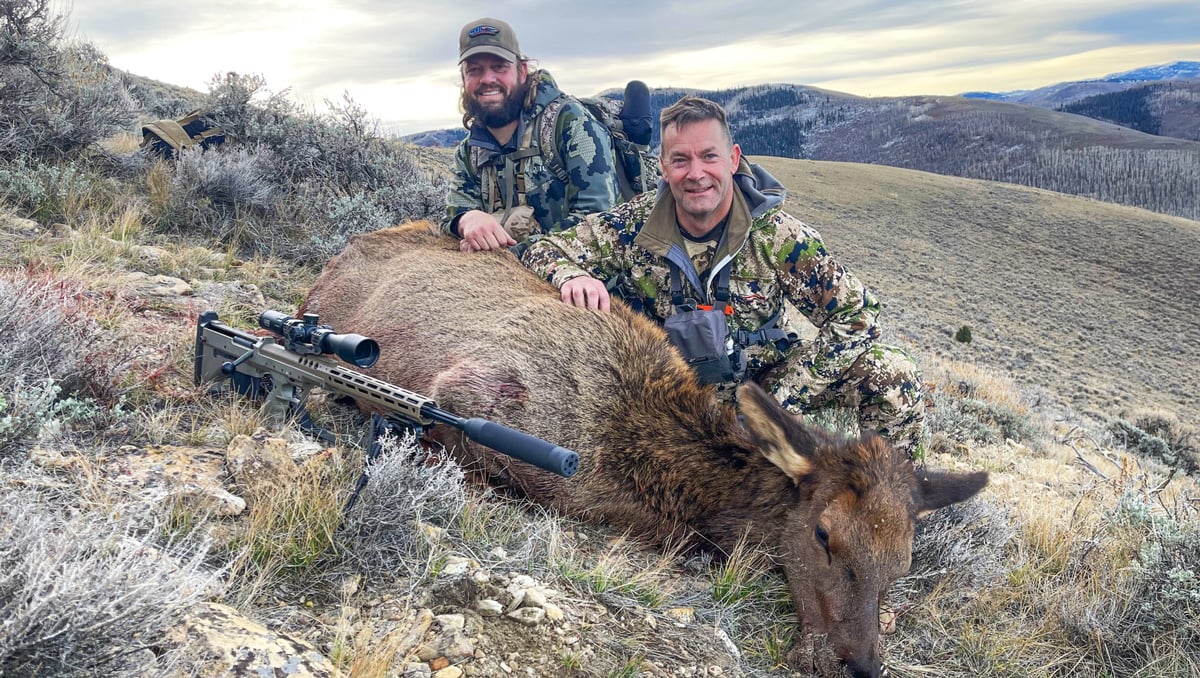
Having more energy from higher velocity and heavier bullets makes more sense when you are dealing with big, dangerous animals. Even if you are only shooting an average-sized deer, if he is 500 yards away, it’s nice to have that same power. At farther distances like that, even the Magnum’s power has been reduced to something more comparable to your .308 Winchester at 150 yards.
Decisions
Obviously, if you are going to be a one-gun kind of shooter, there are advantages to having a Magnum. If you want to shoot your .300 PRC at whitetails on a bean field from 100 yards, it will certainly work. Pick your cartridges according to your needs, and if you load your own, then you probably already load it for your situation.
Shoot what you shoot best. Just keep in mind that the big Magnum sales pitch isn’t always everything it’s cracked up to be. I could probably hunt everything from groundhogs to elk for the rest of my life with a simple, low budget .308.