Why It Matters
When it comes to concealed carry, caliber isn’t everything, but it is an important factor. In a life-or-death situation, you want to be sure you’re carrying something reliable and effective at neutralizing a human threat.

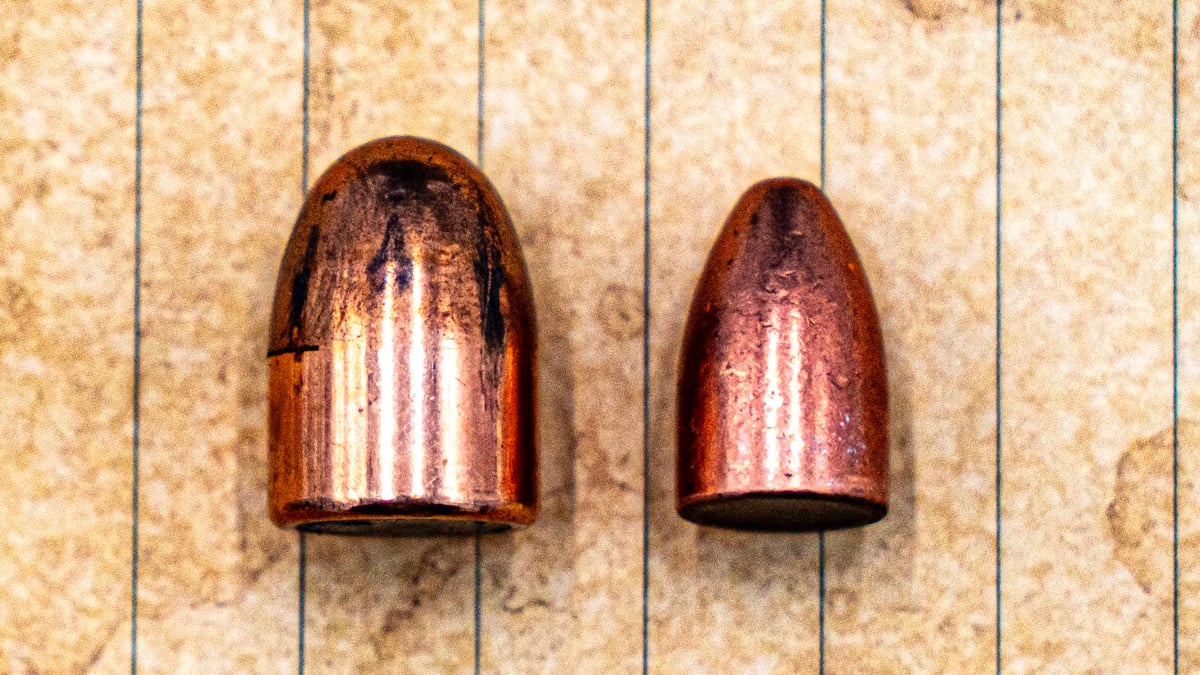
Stopping power aside, there are other factors to consider when debating 9mm vs .45 ACP for concealed carry. Cost and availability, magazine capacity, recoil management, and overall size all matter as well.
Let’s start by examining both calibers.
9mm
In 1901, German arms manufacturer Georg Luger designed the 9mm round. Over 125 years later, it remains reliable, and today it’s the most popular handgun caliber among concealed carriers.

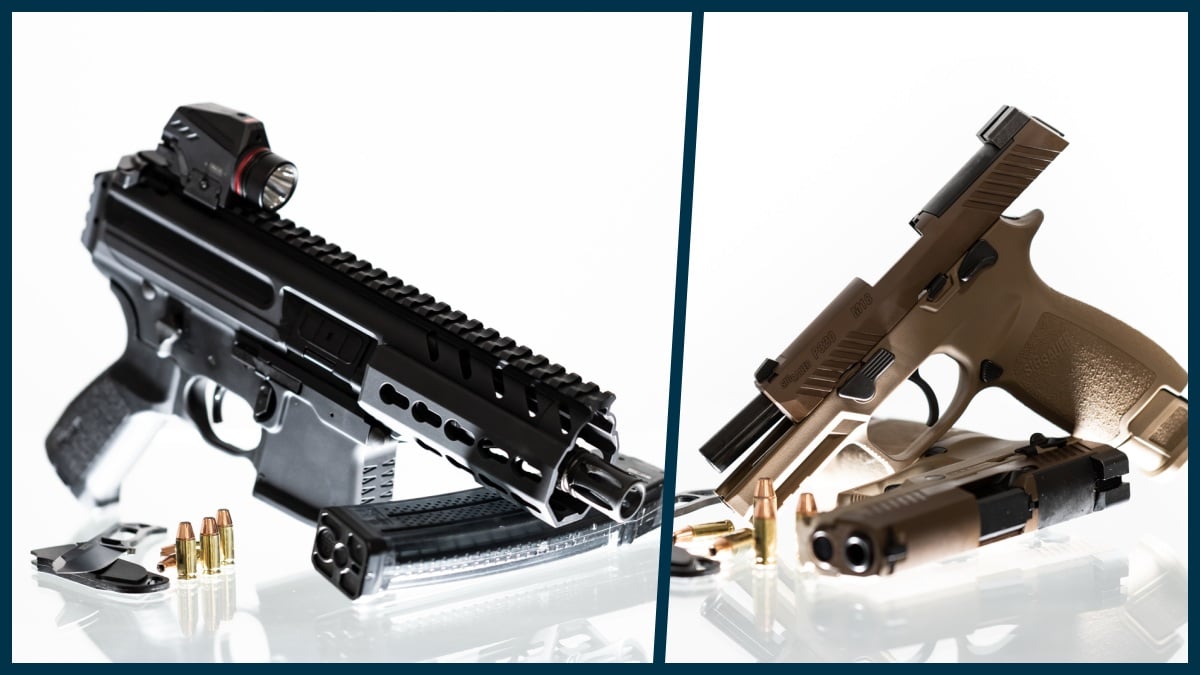
Most modern striker-fired pistols sold today are chambered in 9mm and range from full-size to micro-compact. When it comes to concealed carry pistols, 9mm offers many more slim, concealable options than .45 ACP.
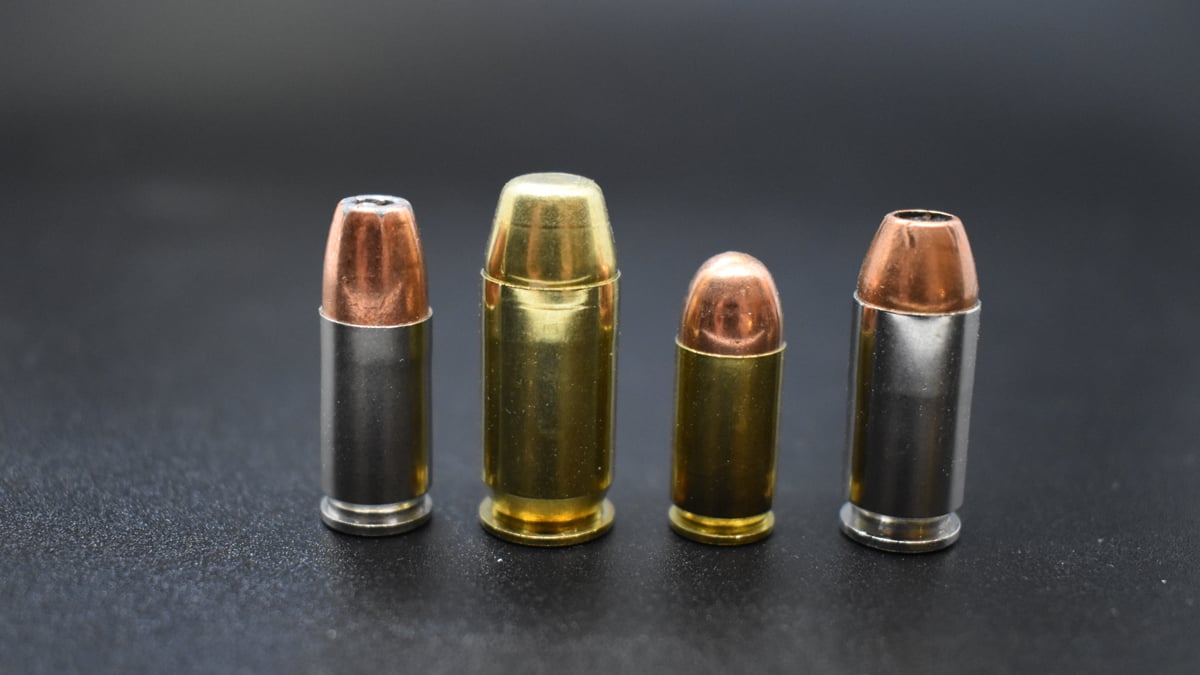
Many consider 9mm a balanced round for self-defense because it delivers the stopping power needed with much less recoil than larger rounds. For most shooters, 9mm recoil is manageable, which helps when training for accuracy and proficiency.
The 9mm is also more affordable and widely available than other rounds, enabling more frequent practice. These days, you can find a wide variety of training and hollow point rounds to meet your needs.
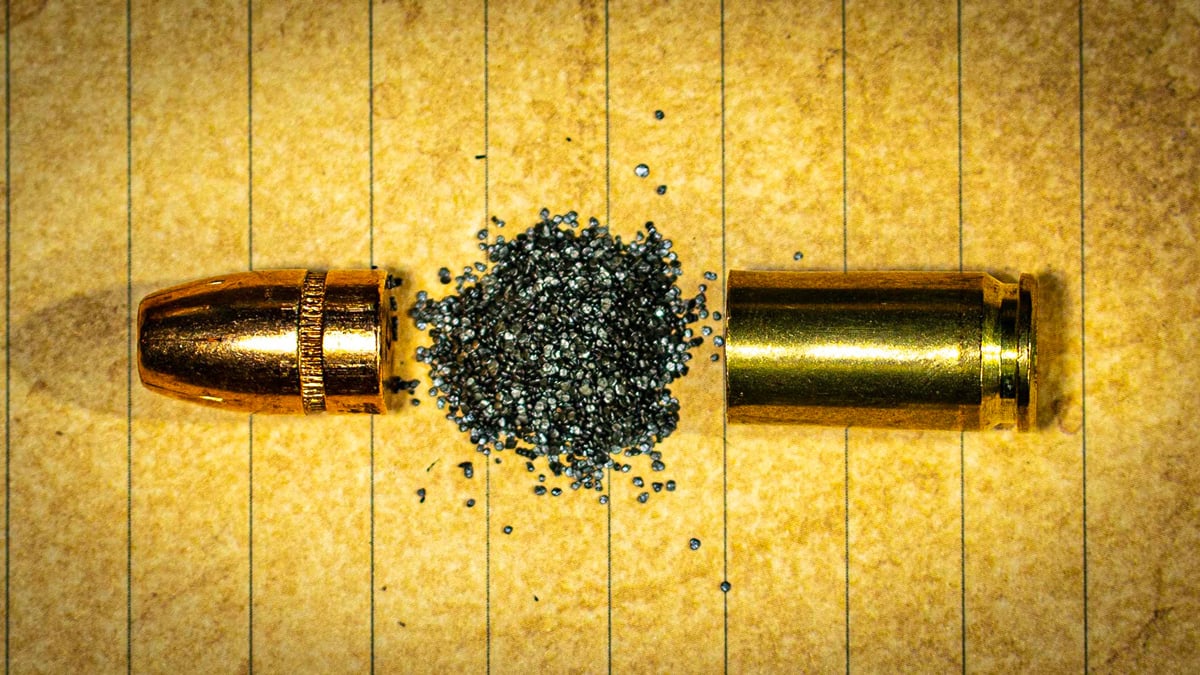
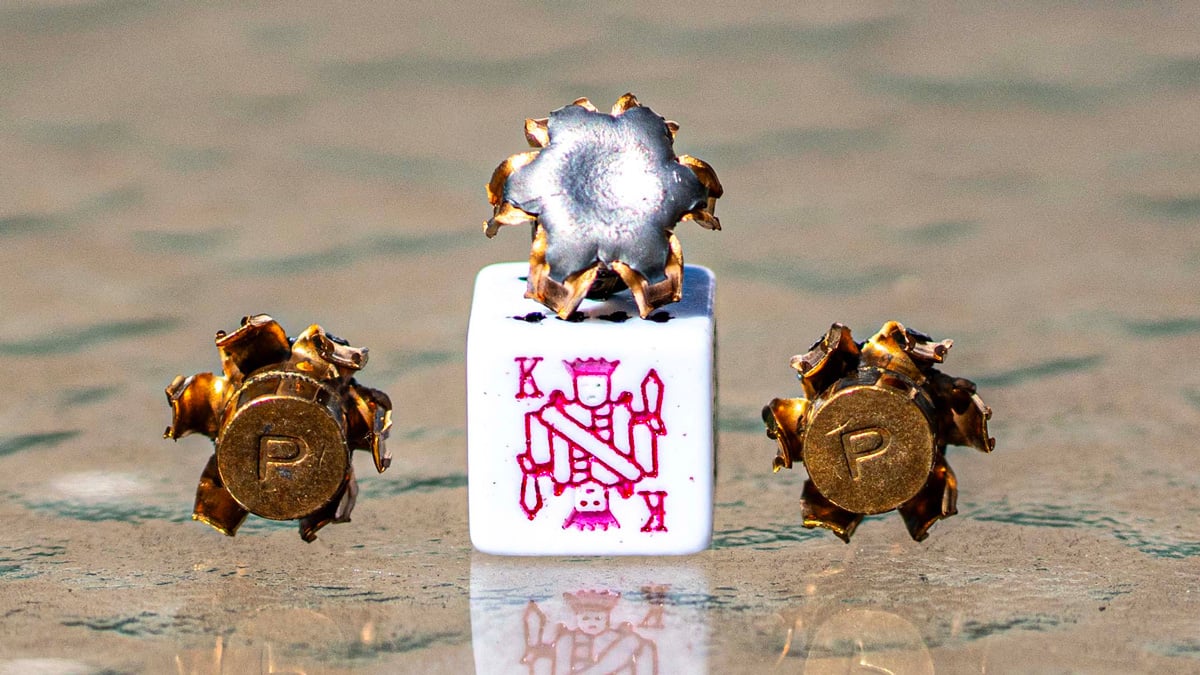
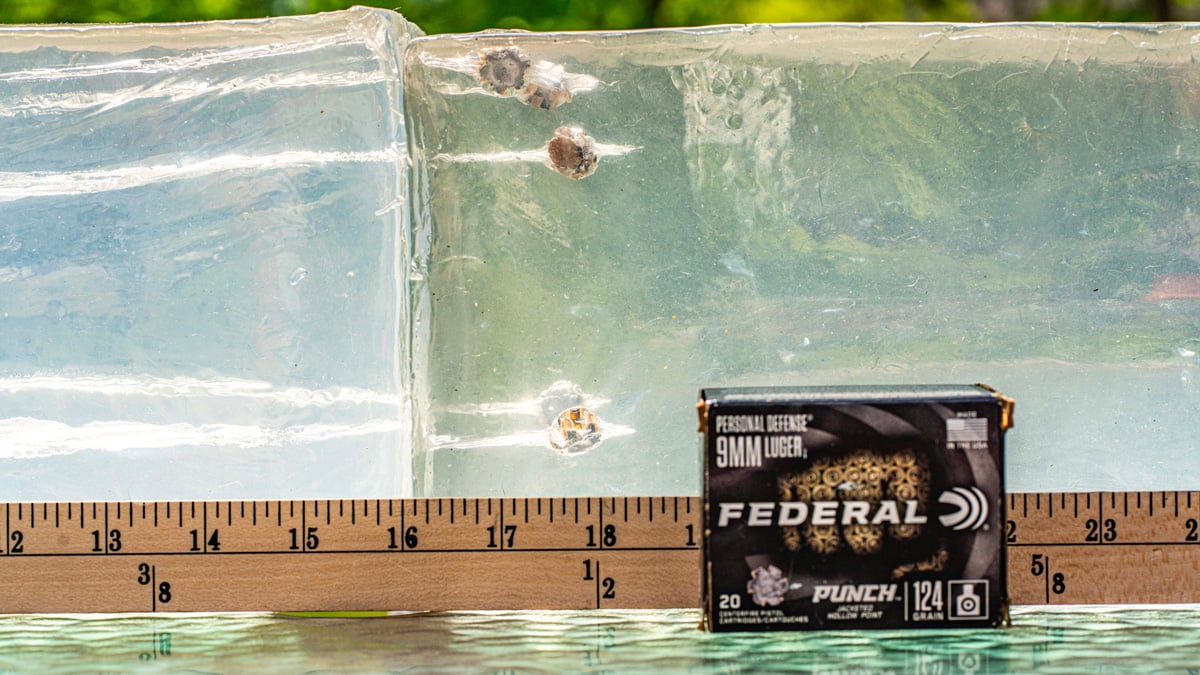
One myth that needs correcting is that 9mm is underpowered compared to .45 ACP. While that may have been true many years ago, decades of technology have allowed 9mm to catch up. The 9mm, particularly hollow points, that you can buy today may be just as effective as .45. Of course, these same advancements have improved .45 as well, which is why it’s still a powerful, viable choice.
.45 ACP
A few years after 9mm was created, in 1904, John Moses Browning developed the .45 ACP round. It was the preferred sidearm caliber used by the United States military and police forces for many decades. The cult-classic 1911 pistol made .45 ACP a popular choice for carry for years.

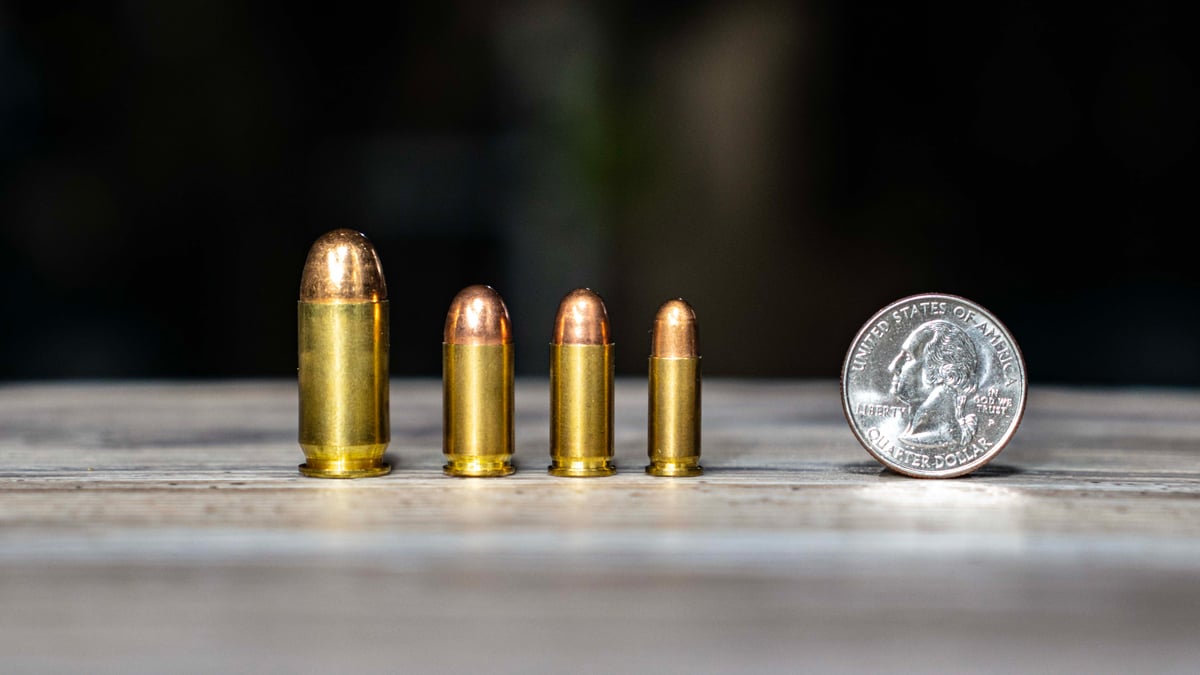
Many believe bigger is better, which is why they stick with .45 ACP. It’s a big, beefy round, and the HP variety tends to expand massively. There’s no doubt it’s reliable and effective at neutralizing a human threat.
One downside of the large round is that it generates significant recoil. Depending on the shooter, .45 ACP may be more difficult to control than 9mm. If that’s the case, it will be harder to train for accuracy and proficiency.
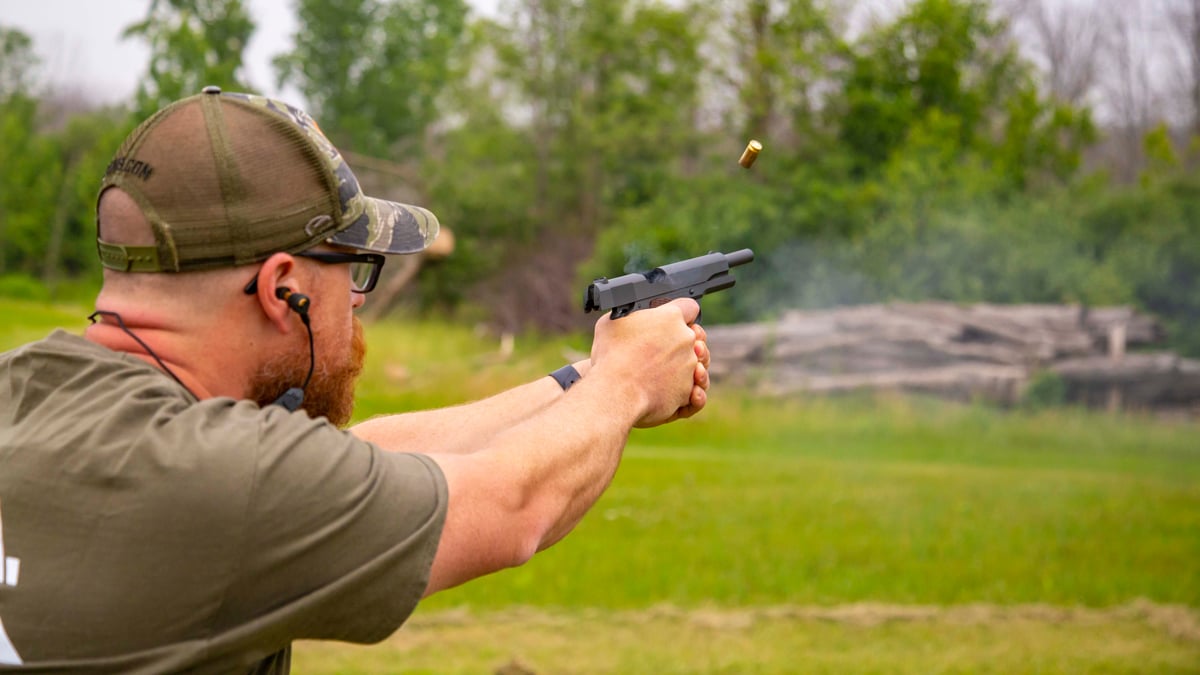

Naturally, .45 ACP pistols tend to be larger, particularly at the grip, which may be an issue for shooters at the range and in the holster. And even though the pistols are larger, the capacity is low by today’s standards because .45 ACP is such a big cartridge. Many argue that since .45 ACP packs a punch, fewer rounds are needed.
Lastly, .45 ACP is more expensive and less widely available than 9mm. If you like to train often, be prepared to pay more for ammo.
So, Which Is Best?
When it comes to choosing a caliber for concealed carry and self-defense, there is no single best choice. Instead, you should be asking what the best option for you is. Consider all the factors, such as size, capacity, affordability, and controllability, when making your choice.

The pistol and caliber you can conceal easily, carry regularly, and shoot accurately are best for you. If you aren’t carrying or you can’t hit your target, none of this matters.
Conclusion
At the end of the day, the question of 9mm vs .45 ACP shouldn’t be a debate at all. Both are fantastic calibers for concealed carry. If you prefer a slimmer, lighter carry piece, 9mm is for you. If a bigger, heavier round makes you feel more secure, go for .45. Either way, both calibers are effective for self-defense, provided you are training regularly.