The Land Pattern Musket
France was the dominant world power at the turn of the 18th century, thanks in large part to its ability to effectively field large forces in multiple theaters. This was done through a combination of weapon standardization, one-sided drill, and a meticulous rank-and-unit structure.
England left its Civil War with a hodgepodge of matchlock and doglock guns and a structure dictated by whomever sponsored the unit. The British Union of 1707 required another consolidation of differences between England and her sister countries. A new British Army organized after that, and its first standard-issue firearm arrived with the Land Pattern musket in 1722.
This smoothbore musket incorporated the updated flintlock mechanism, which was simpler than the doglock and wheellock, but more waterproof than the matchlock. The plug bayonet that rendered previous generations of guns into spears was replaced with an 18-inch socket bayonet. This style allowed the musket to be loaded and fired while giving the soldier the option to repel cavalry and close infantry.

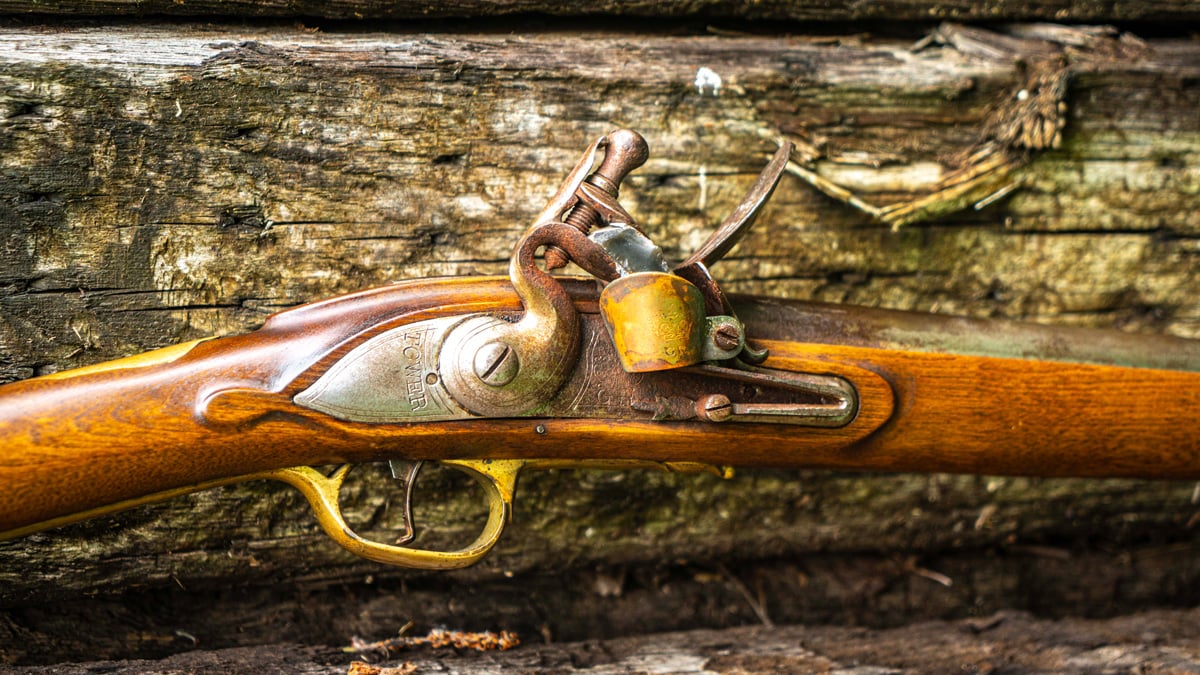
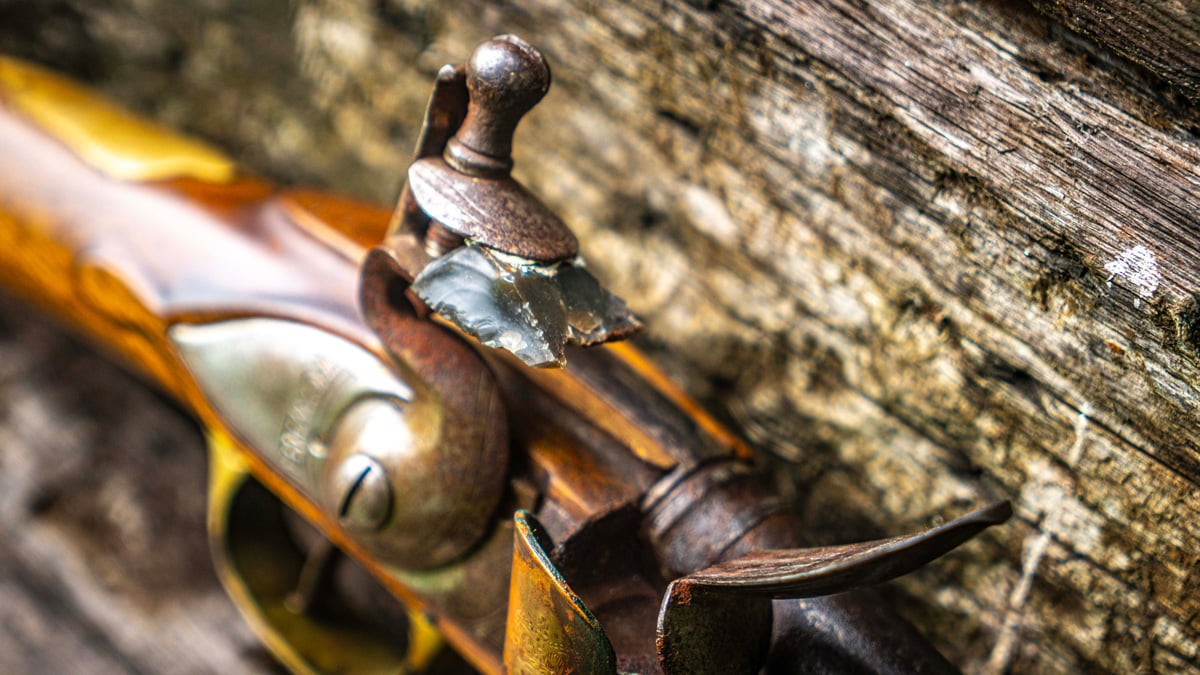
The Land Pattern musket came with a standard caliber bore, and the stock, barrel, and lock parts were built to acceptable tolerances. In an era before interchangeable parts, this meant a broken piece could be repaired with minimal hand-fitting.
Initially, the Land Pattern musket used a 46-inch .77-caliber barrel and a wooden ramrod, but within a few years, the caliber was reduced to .75 and a steel ramrod incorporated. The latter was particularly important, as the strain of loading this muzzleloader was baked into repetitive, thoughtless drills that ensured firepower through fast reloading.
The Mystery of the Brown Bess
Today, the Land Pattern musket is much better known as the Brown Bess. There is little agreement as to where the name originated.
Some speculate that the Bess is so named for its brown oiled walnut stock. Others say it is a term of affection for a soldier’s lady, of whom he would be required to take meticulous care.

Jonathan Fergerson of the Royal Armories hypothesized that Brown Bess is a euphemism for a lowly woman. Given the British Army’s reputation for coercing the dregs of society into its ranks, the Brown Bess moniker could be apt for a soldier’s companion.
Configurations and Ammunition
The Brown Bess was available in both infantry and cavalry patterns. The cavalry carbine, which featured a handy 26-inch barrel, saw little change after a belated switch to an iron ramrod.
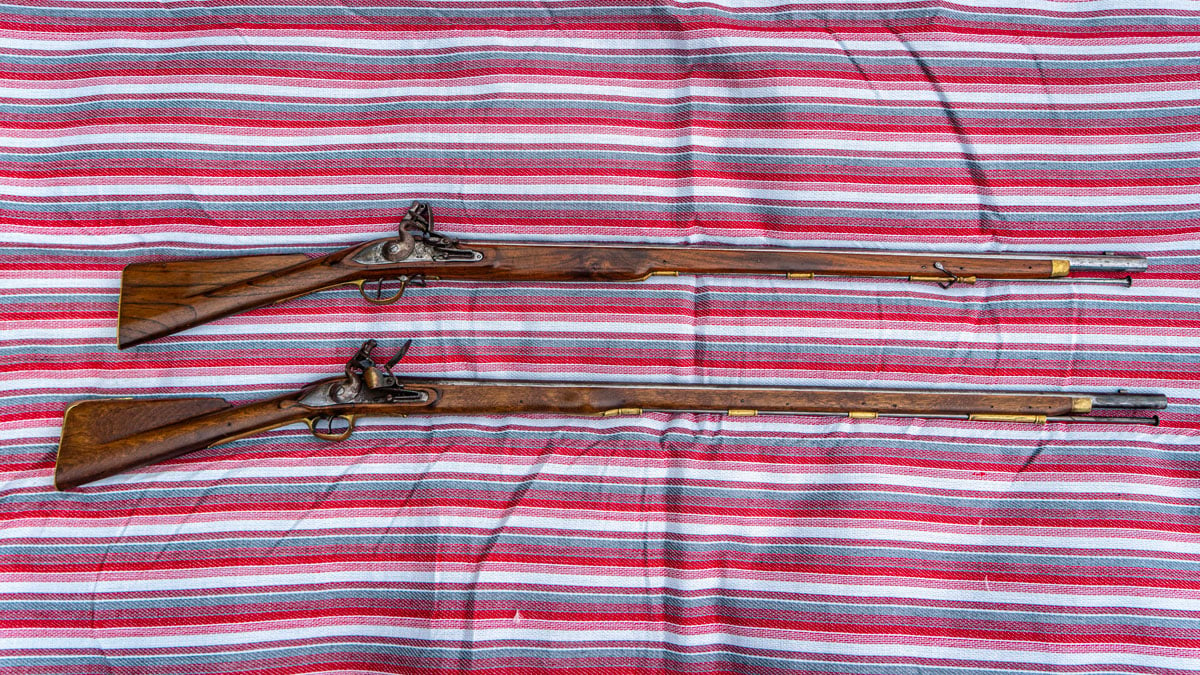
The infantry model is broken down into three patterns: Long Land Pattern, Short Land Pattern, and India Pattern. This is reflected by increasingly shorter 46, 42, and 39-inch barrels. This made the musket handier, and longer barrels became increasingly unnecessary as European mills perfected corning gunpowder to make it more powerful.

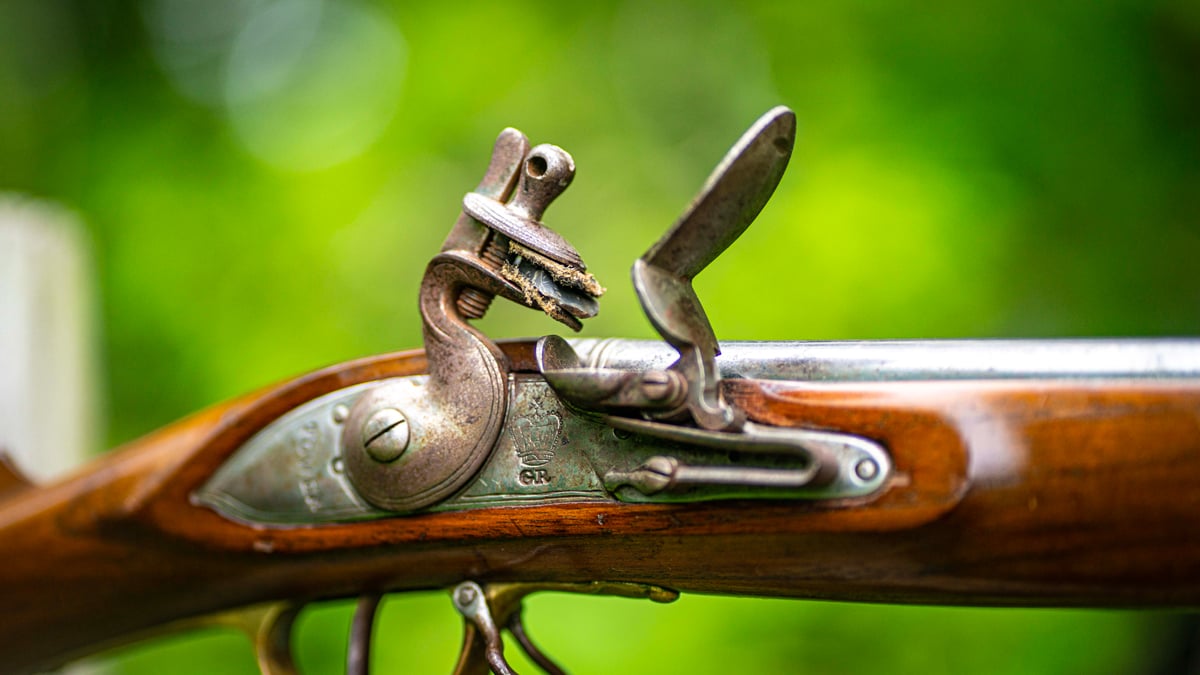
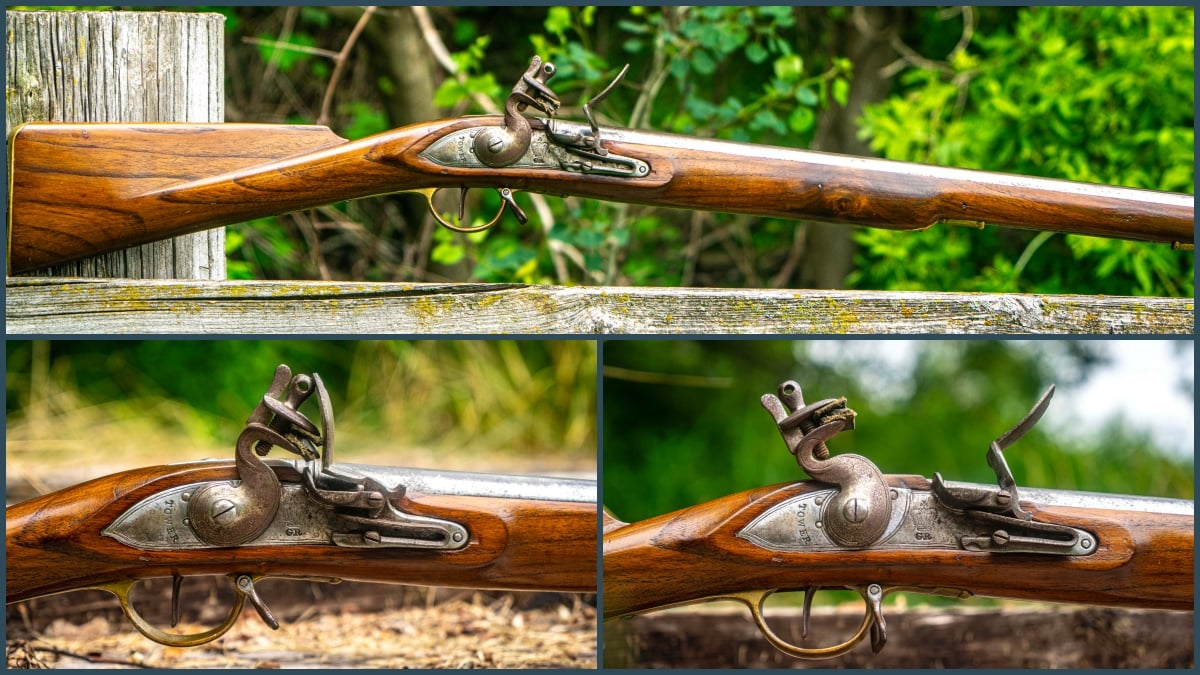
The original load consisted of a 165-grain charge of black powder under a .69-caliber musket ball from a paper cartridge. We've done some ballistic testing with just such a musket ball, and the results are very impressive, even by modern standards. By the time the Army adopted the percussion-cap version of the Bess in 1839, the load had been reduced to 110 grains.
The Long Land Pattern saw service from its inception in 1722 through the Seven Years War. The Short Land Pattern carried on from the 1760s until 1797, when the India Pattern was adopted. The Brown Bess and its percussion cap successor would be fully phased out in favor of the Enfield rifled musket in 1853.
For Allies and Enemies
Until the Seven Years War, British North America was generally self-sufficient and relied on colonial militia as its defensive backbone. Militiamen were generally required to supply their own muskets and ammunition. Guns on the frontier were expensive, and the smoothbore fowler did double duty as both a hunting and offensive arm.
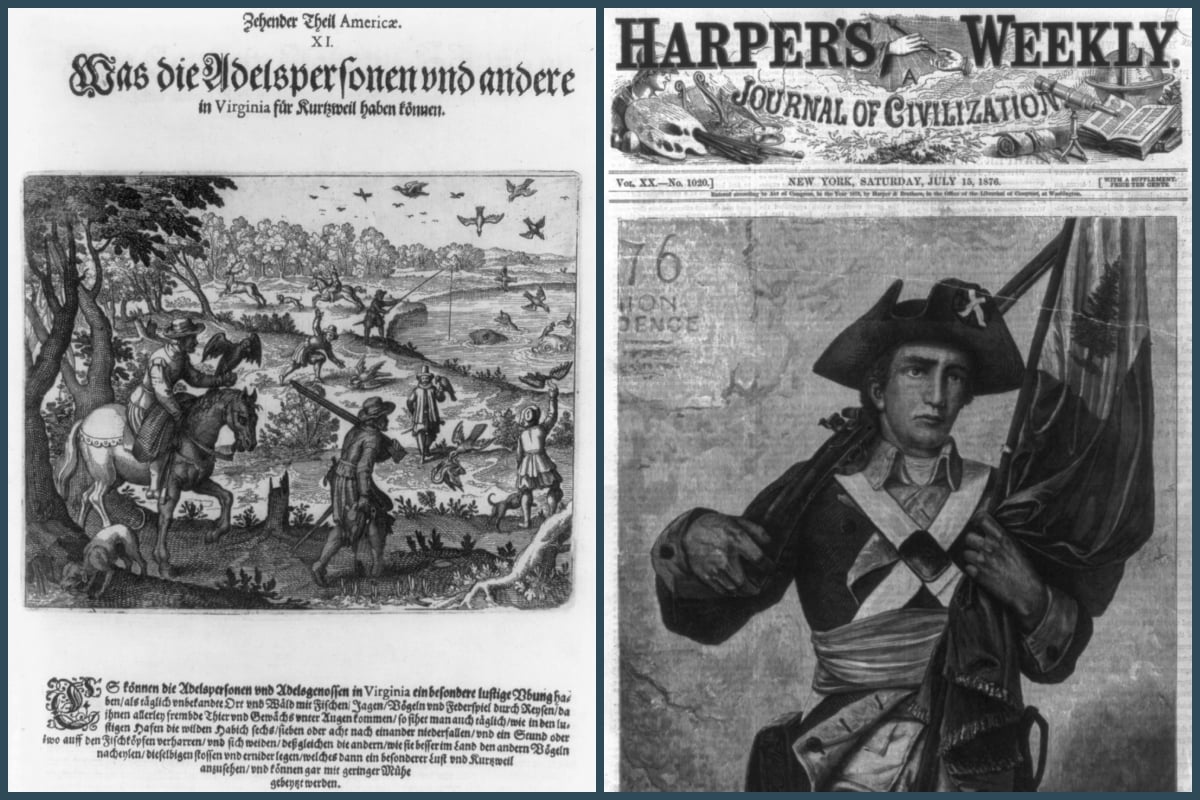
The influx of British troops in the 1750s saw large quantities of Long Land muskets enter militia armories. By the start of the American Revolution, they were the most common guns available to the Patriot cause. The type was so prolific, local committees of safety commissioned American-made Bess clones to equip the newly formed Continental Army. By 1778, elicit and overt shipments of French Charleville muskets had accumulated in quantity to fully outfit the rebels.


The Brown Bess musket was the long arm that allowed British forces to consolidate North America, subjugate the Caribbean, and make encroaches in the Indo-Pacific – but it was also instrumental as a unit of trade and foreign aid.
Despite its formidable reputation, the British Army was small compared to the rest of Europe. British foreign policy relied on the Royal Navy and generous subsidies to European coalitions to win the balance-of-power game. This reached its peak during the Napoleonic Wars, when large shipments of powder, muskets, and gold were sent to induce Austria, Russia, and the German states to weather Napoleon’s wrath.
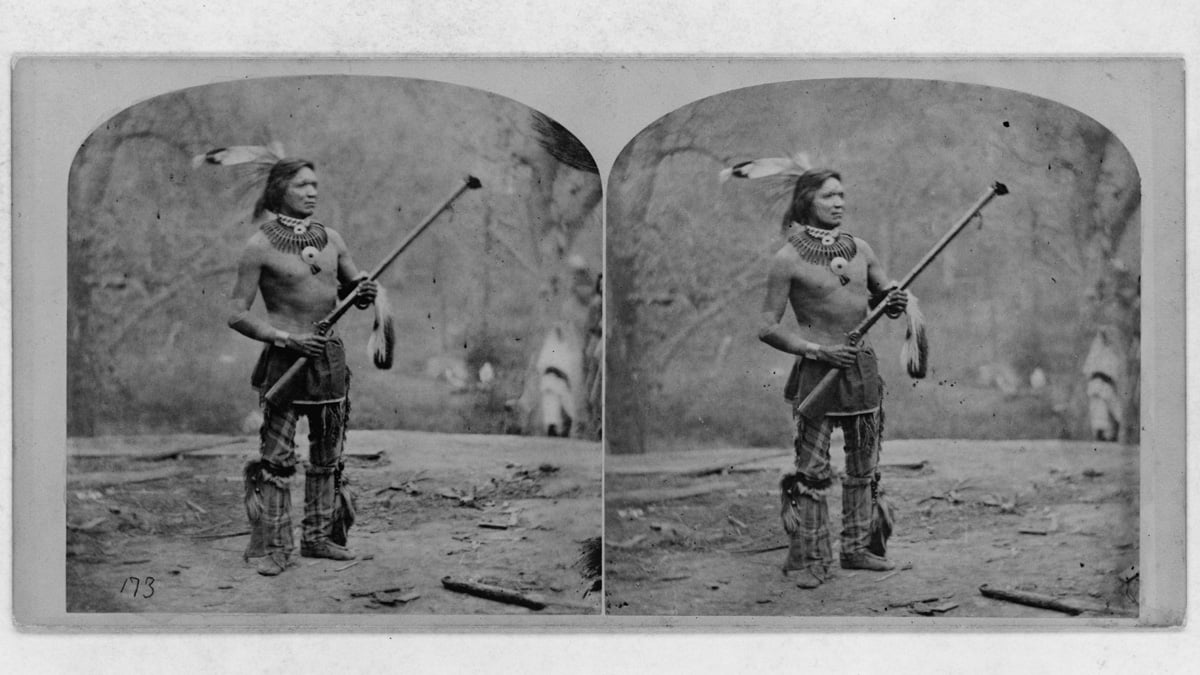
Beyond Europe, Brown Bess muskets were sold or traded to American Indians, African kingdoms, the new republics of Mexico and Gran Columbia, and even the Maori of New Zealand. These gunpowder armies had their own agendas, but their actions often coincided with Britain’s aims to open commerce and keep her European and American adversaries busy.
More Than Just a Musket
The Brown Bess seems unremarkable today. It is a single-shot muzzleloader without modern appointments like sights and rifling, but the Land Pattern Musket is more than the sum of its parts.

Although a little different from other European martial arms of its day, it had a similarly long service life. Through relentless drill and training, British regulars used it to create the most influential Empire in history. Through craft, it became the tool of resistance. The old Brown Bess is one of the most influential weapons there ever will be.

Terril James Hebert
Terril Hebert is the world's okayist historian and firearms journalist who occasionally moonlights as an NRA pistol instructor. In his spare time, he enjoys forensic accounting, waxing poetically about the efficiency of musket balls, and working on his latest fire-starting techniques.
View All Articles by Terril James Hebert