Overview
Introduced in 1955, the original Bodyguard snub was a shrouded-hammer, alloy-framed Airweight .38 revolver that later became the Model 38, while its steel-framed counterpart was the Model 49.
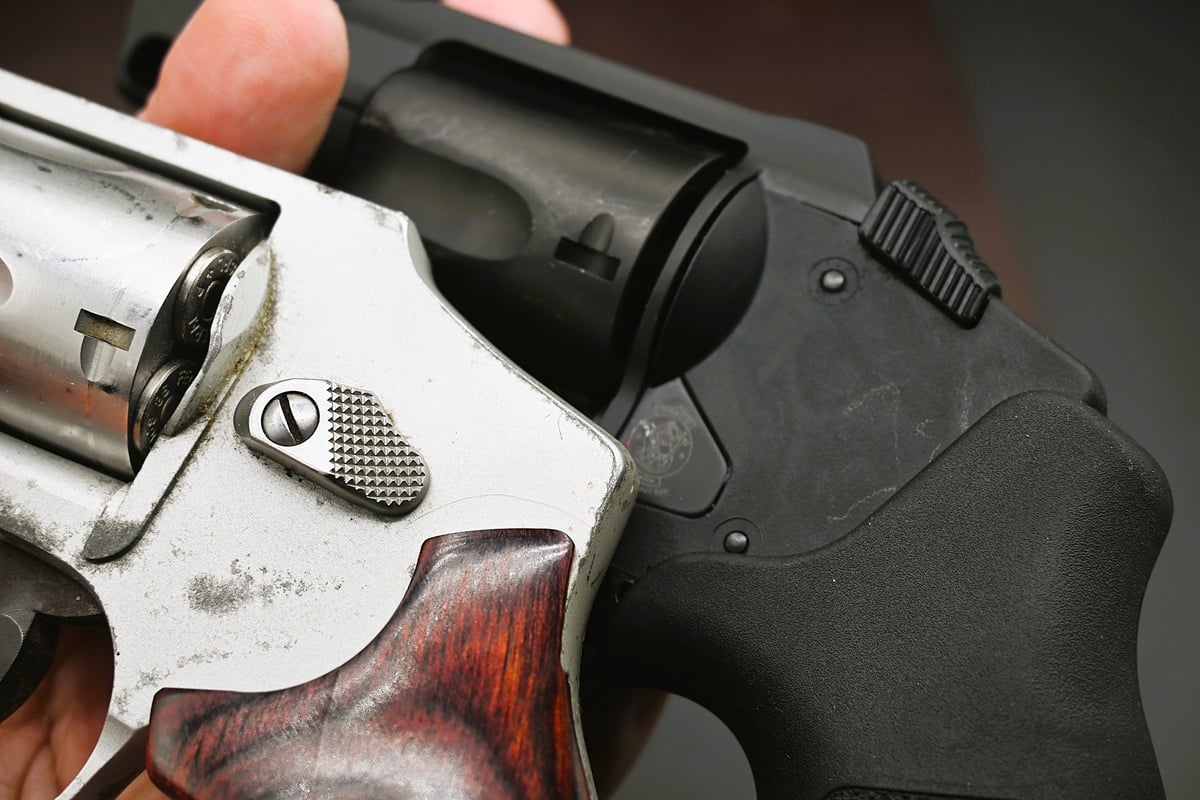
Then, in 2014, the M&P Bodyguard .38 hit the scene with some significant changes, including a different internal lock work, an ambidextrous cylinder release, and a frame made lighter via the magic of polymer. Further, while the previous Bodyguard models were double-action/single-action with a humpback frame and shrouded hammer whose top spur could still be manually cocked, the new revolver was DAO with no access to the hammer. In short, it was Smith's answer to the Ruger LCR, which had entered the market as a DAO snub in 2009.
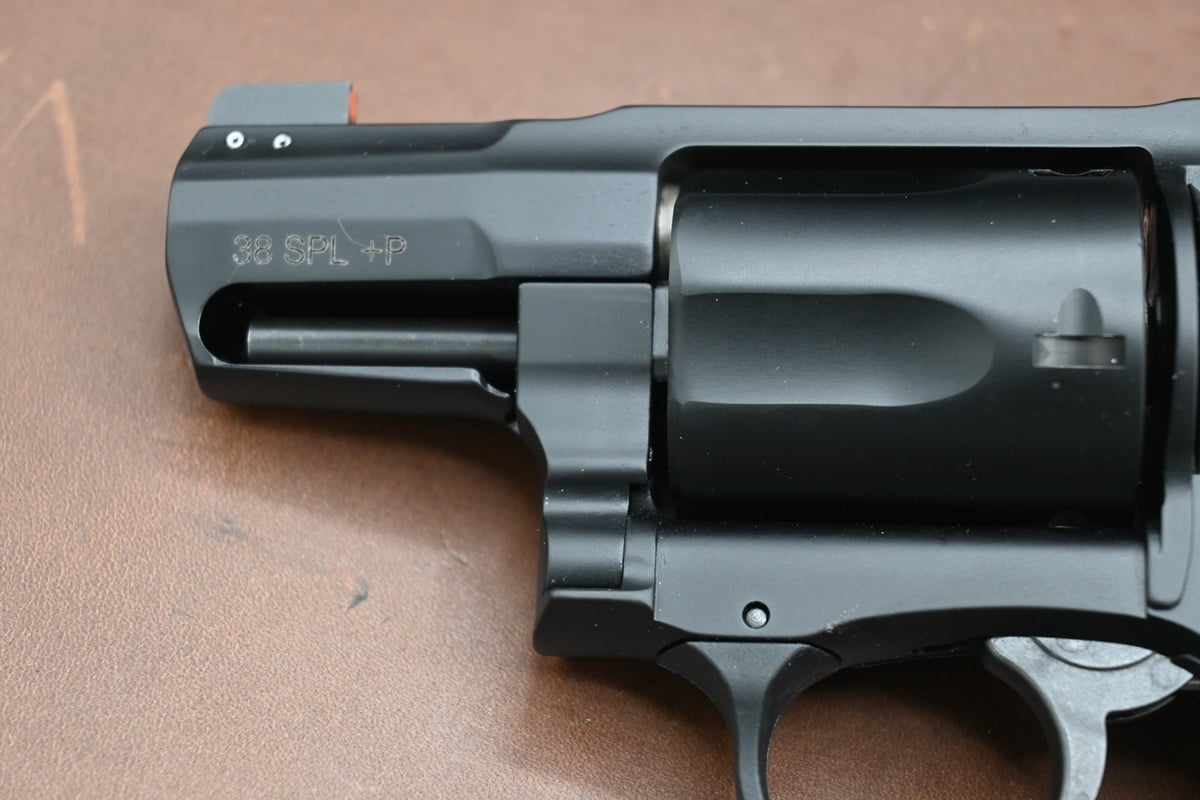
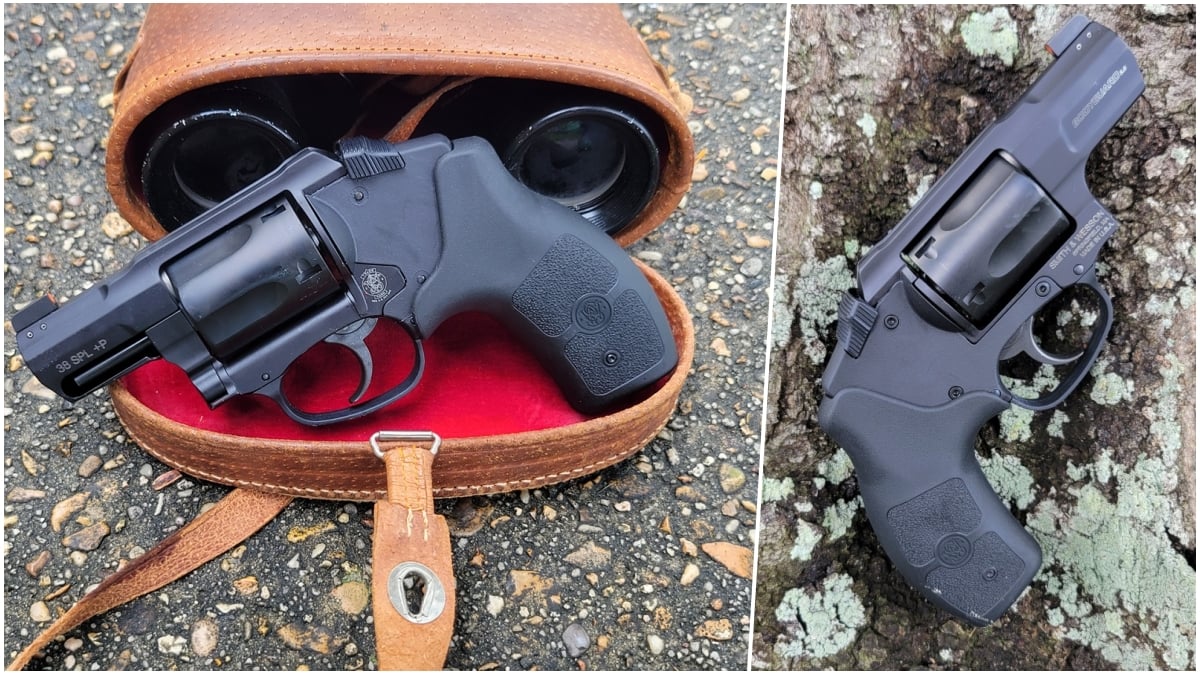
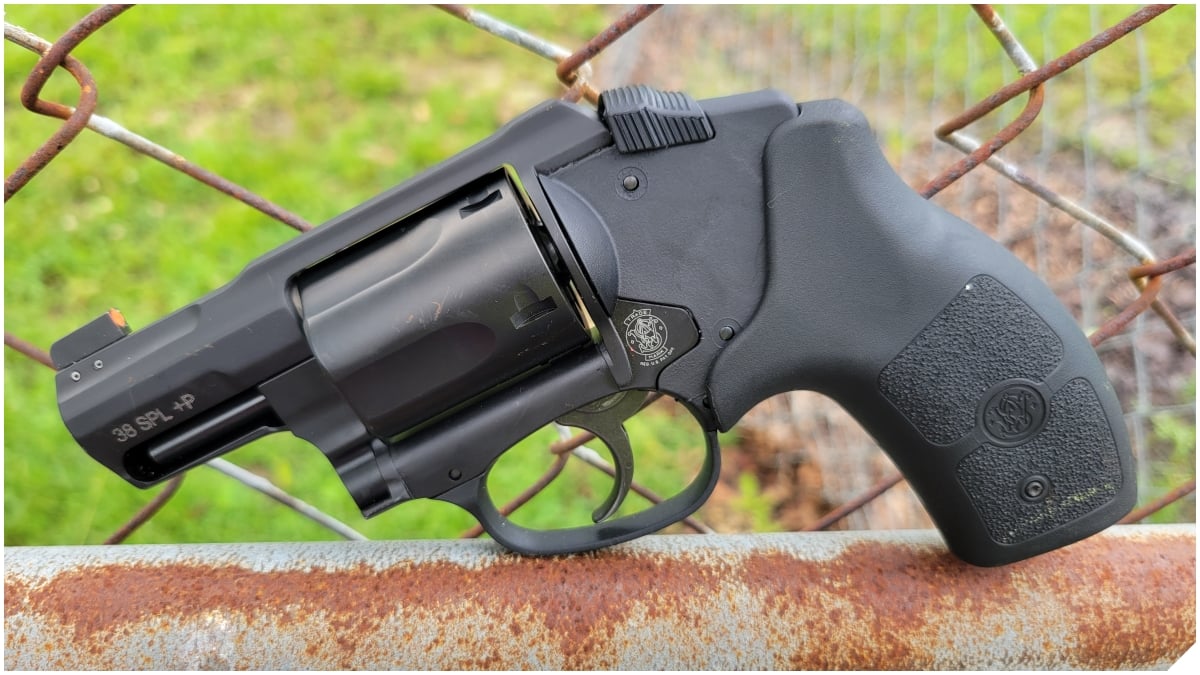
By 2026, the new Bodyguard 2.0 retains the core appeal of the original while adding several modern features, all in a 14.2-ounce package that carries five rounds of .38 SPL +P. You still have the ambi cylinder release and a lightweight uni-body design that comes from a mix of alloys and polymers, but you have several improvements from the circa 2014 design that we'll cover below.
For now, let us meet the new Bodyguard 2.0 .38.
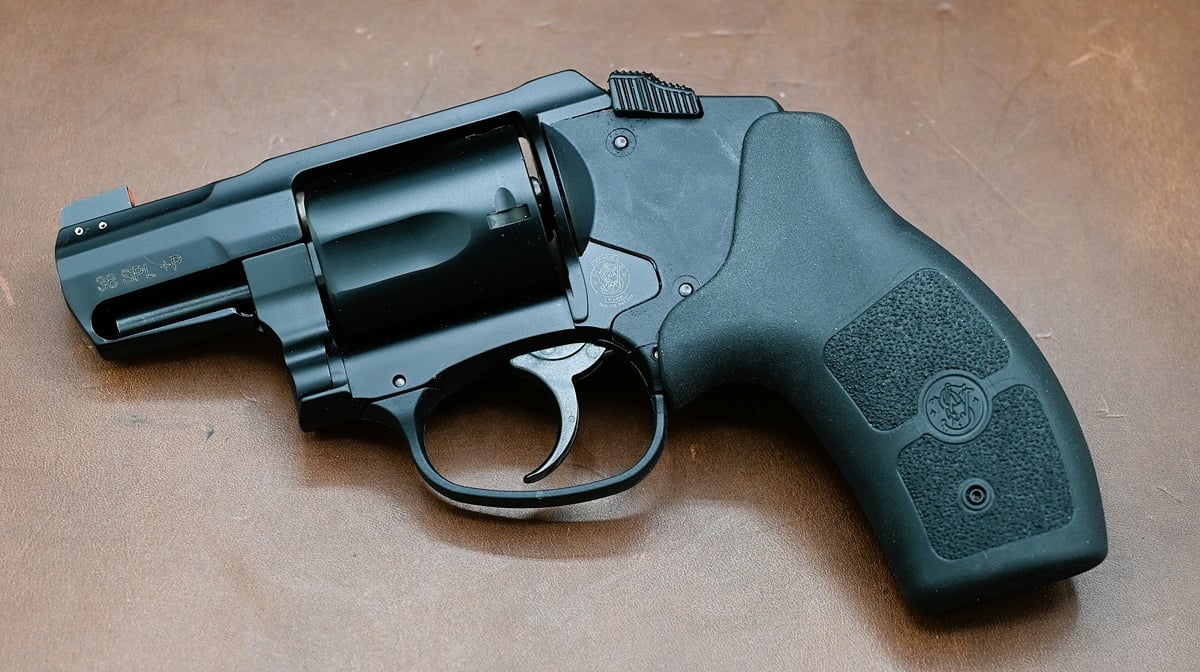
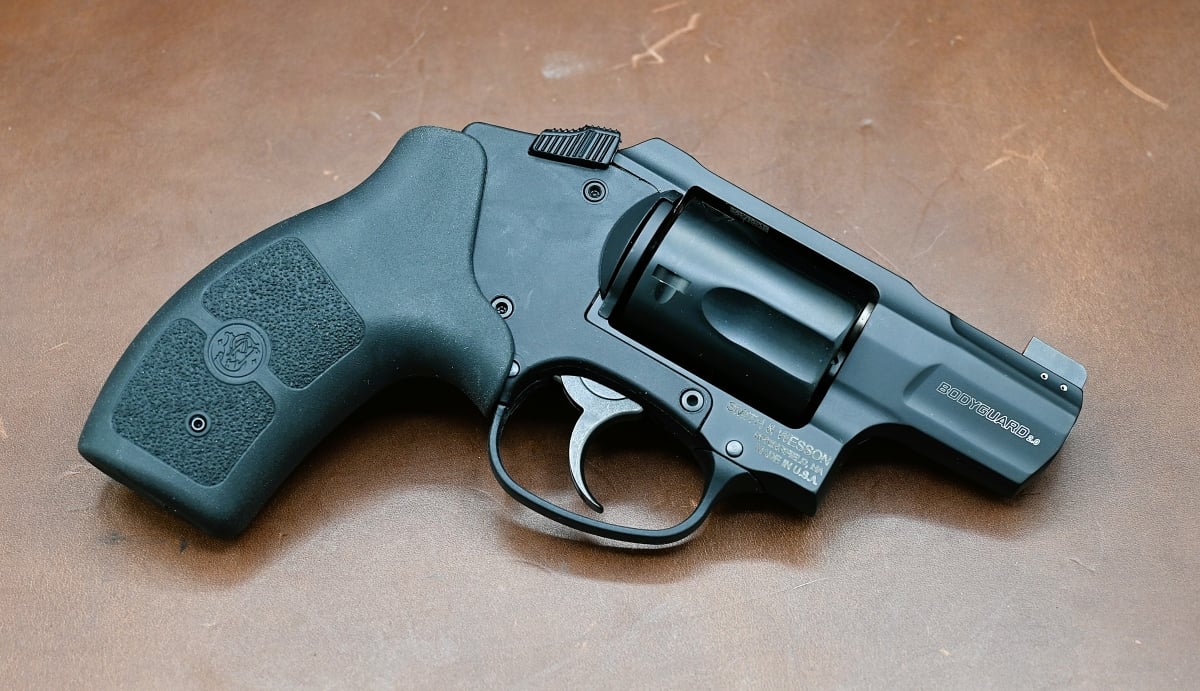
The MSRP on the new S&W Bodyguard 2.0 is $449, while a Crimson Trace laser-equipped model runs $549, prices that are typically lower at retail.
For full disclosure, S&W provided a Bodyguard 2.0 to Guns.com for review purposes. All testing was done on this one gun, which has been under evaluation since early May.
Features
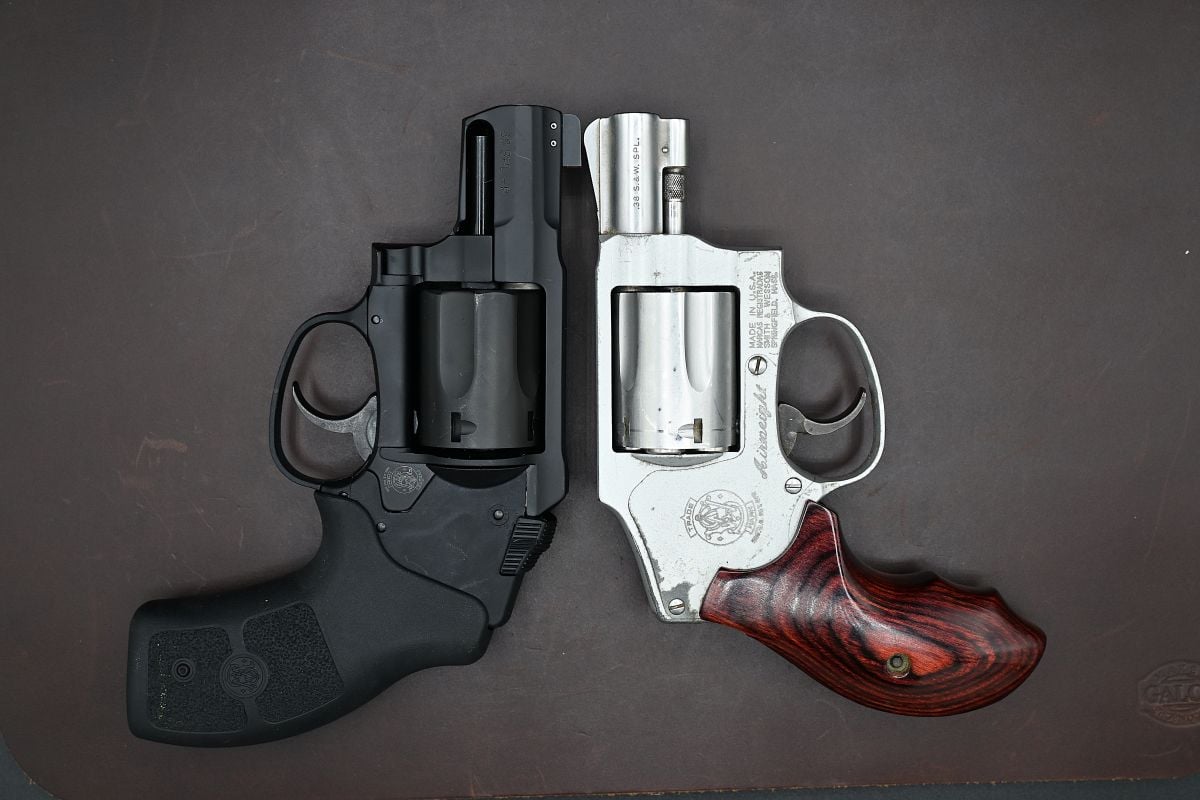
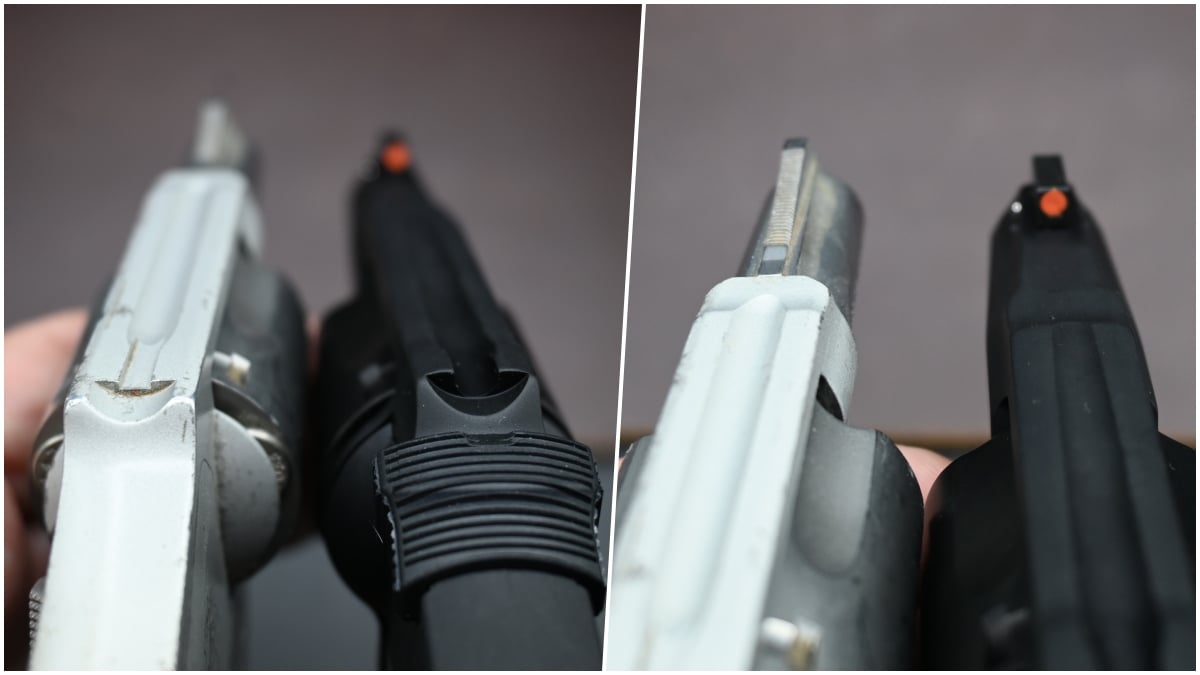
To start with, let’s compare the new Bodyguard 2.0 .38 with the older model and its direct in-Smith competition, the slightly more expensive DAO Model 642/442.
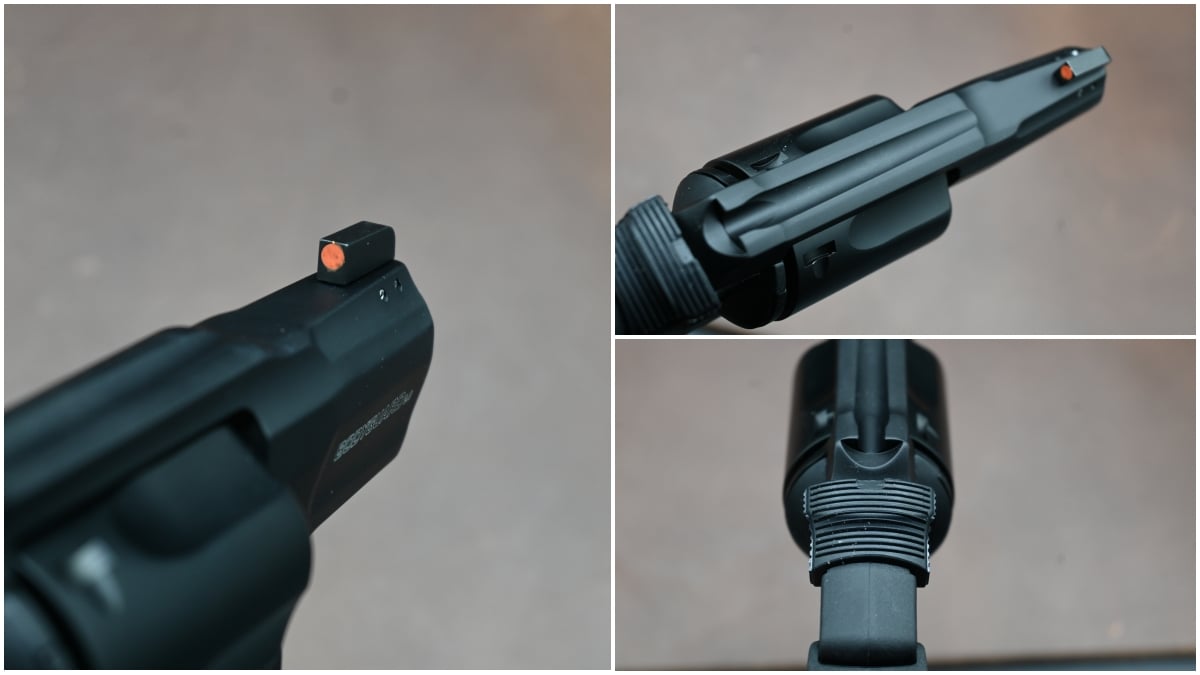
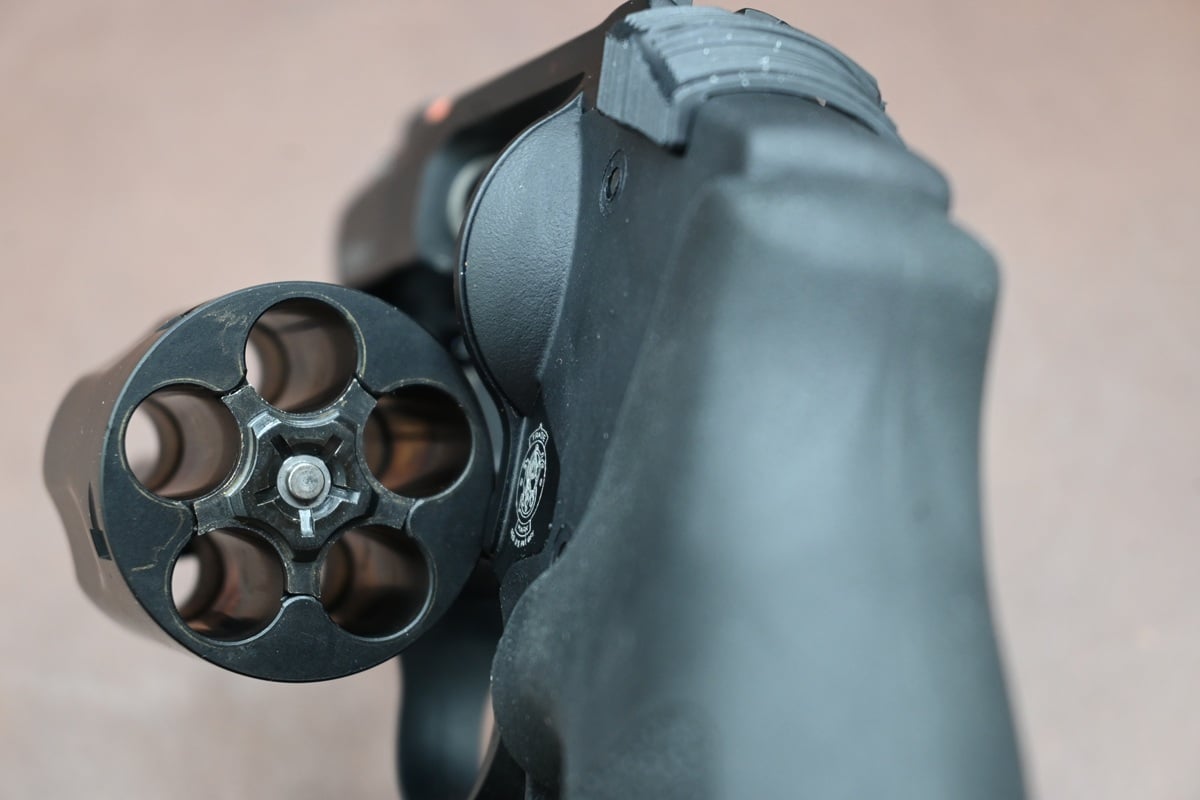
Trigger
The fundamental concept of a DAO revolver, especially in a snub nose designed for concealed carry, is that the long, heavy trigger pull is a feature, not a bug, intended to ensure safety in a high-stress situation (see sympathetic reaction in involuntary trigger squeeze) and deliver reliable primer ignition. However, the 10-to-15 pound pull on many DAO EDC wheel guns is a bit abusive, and almost guarantees an inexperienced user pulls the barrel off target during a trigger slap.
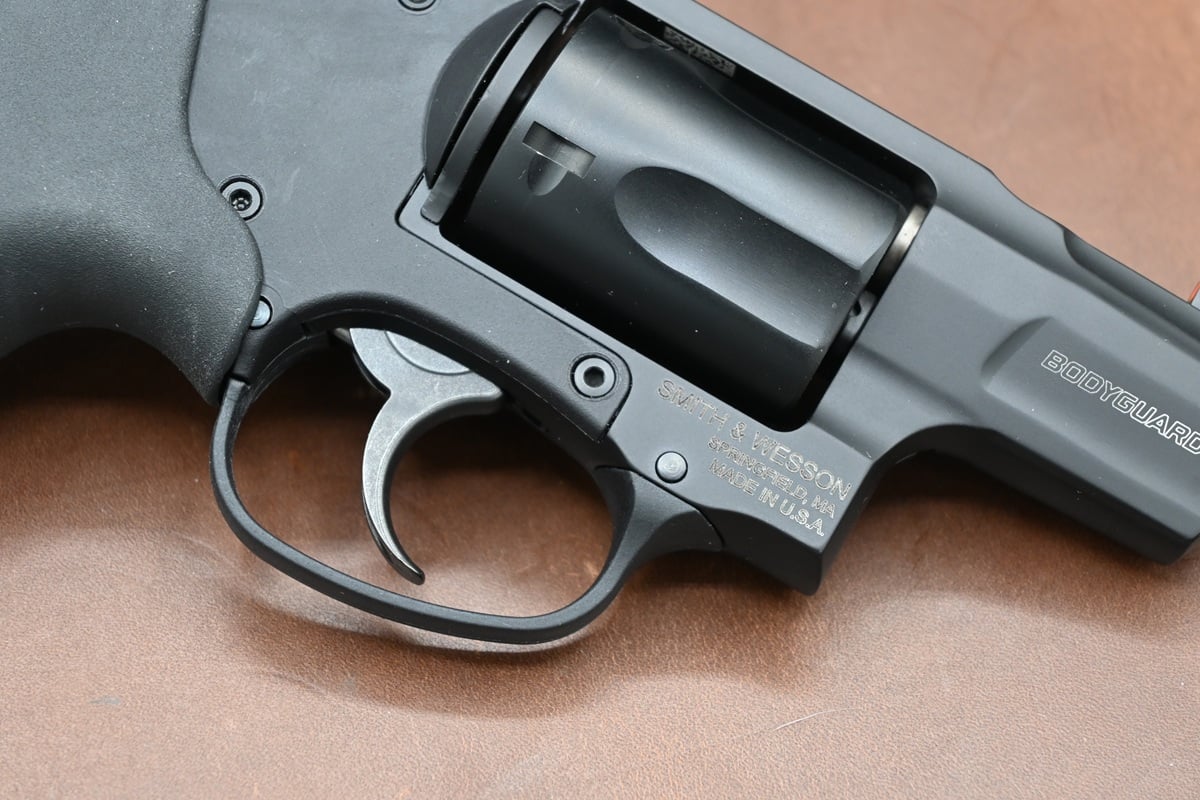
The good news with the Bodyguard 2.0 is that it is billed as having an 8-pound trigger, which is still abhorrent to anyone who is a 1911/2011 trigger snob, but feels much better than the more common default for such pocket .38s. Plus, our pull gauge found our test gun to hold close to that published standard, hitting an average of 8.6 pounds. It is still a long pull and long reset.
Reliability
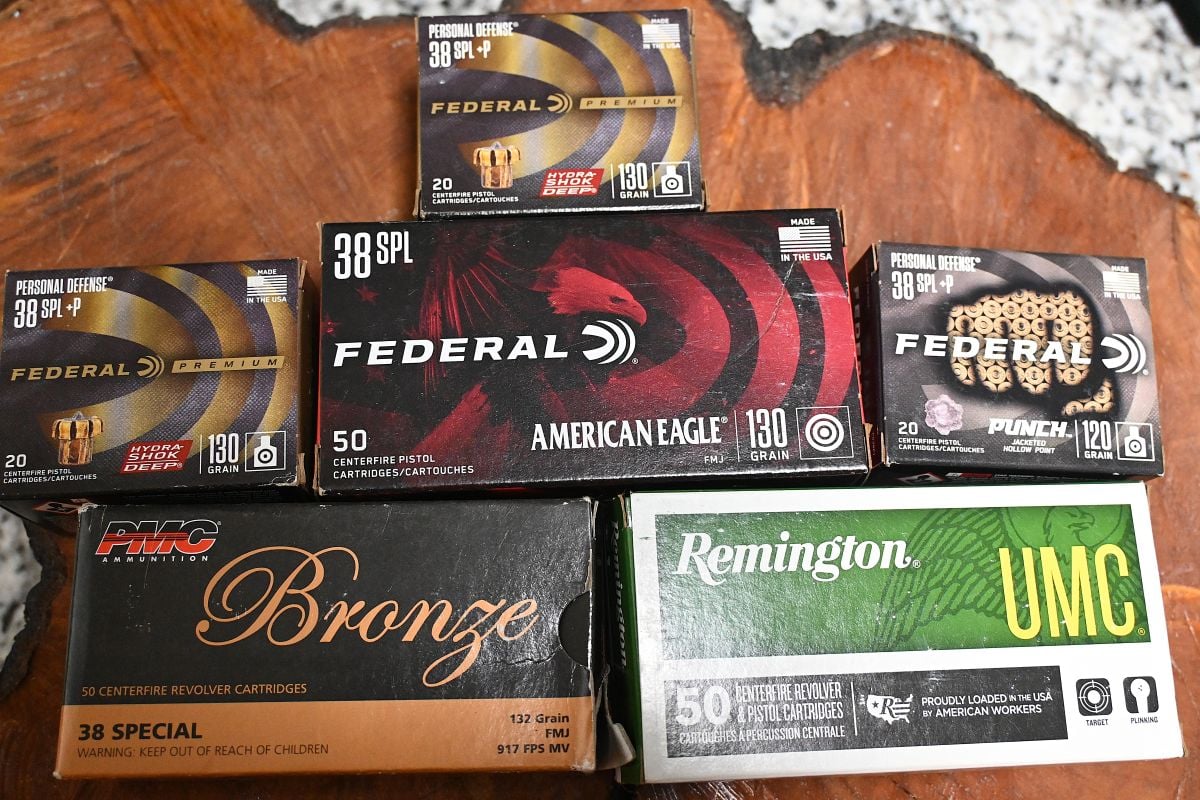
We assessed the Bodyguard 2.0 across three range sessions with a mixture of some 300 rounds of target ammo and another 100 of spicier self-defense ammo. This included 130/132/158-grain FMJs from Federal (red box), PMC, and Remington (white/green box) loads. Our personal protection loads were Federal's 120-grain Punch and 130-grain Hydra-Shok Deep +P JHPs.
All fired with no issue.
We experienced that oh-so-common pitfall of revolver speed unloading a few times-- spent casings slipping back under the extractor star and locking everything up-- but after patient clearing, the BG 2.0 was back in action.
While there have been some timing issues reported with older Bodyguard marks, we documented none with our test gun, nor did it shave lead.
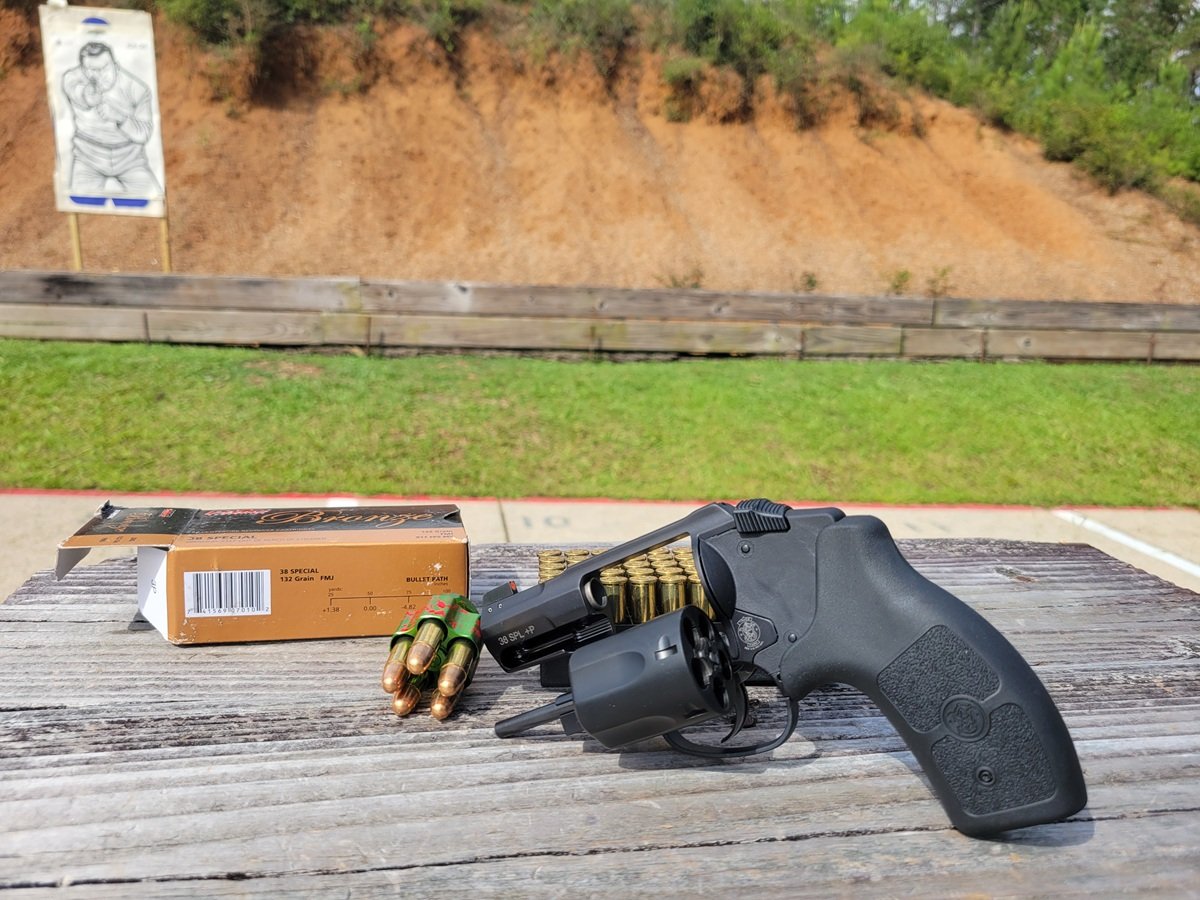
Accuracy
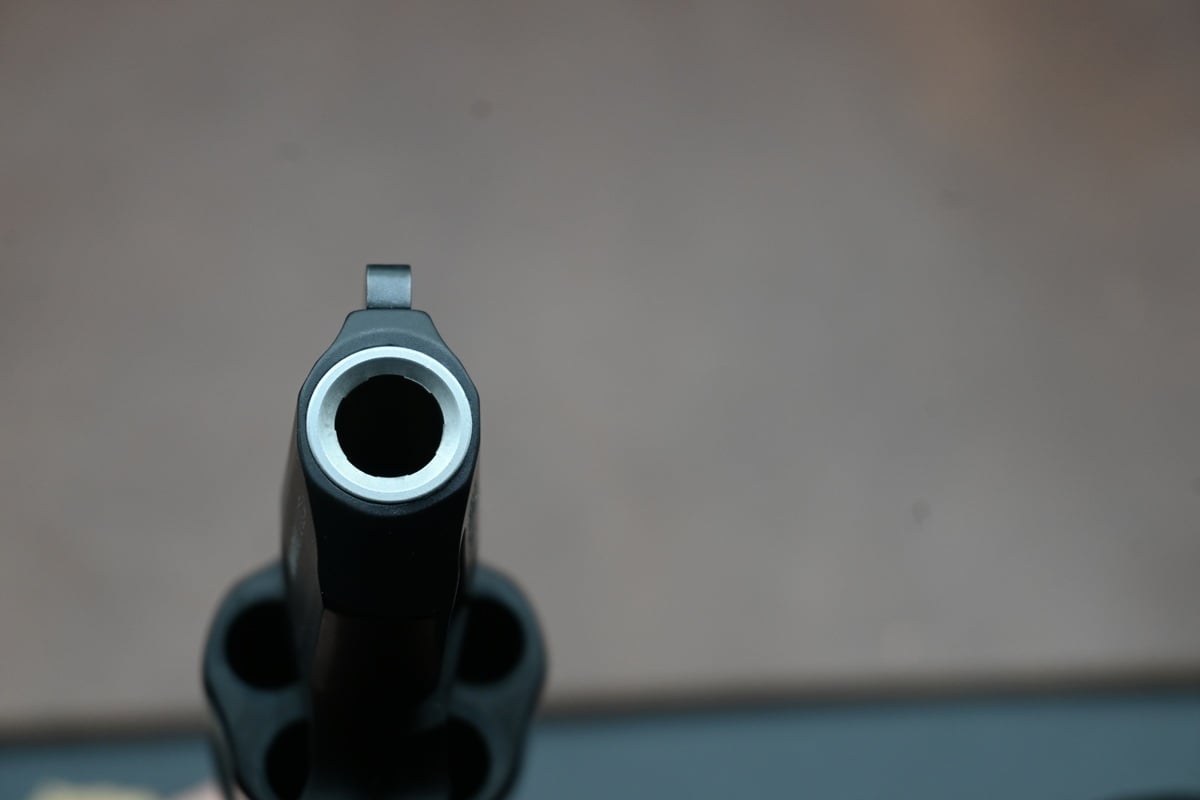
The combination of a nearly 9-pound DAO trigger with a long pull and a barrel that calls itself two inches on dating sights but falls short when the tape comes out doesn't set up the user of the Bodyguard 2.0 for long-range accuracy. But that's OK. The gun wasn't meant for trick shooting and IPSC competition.
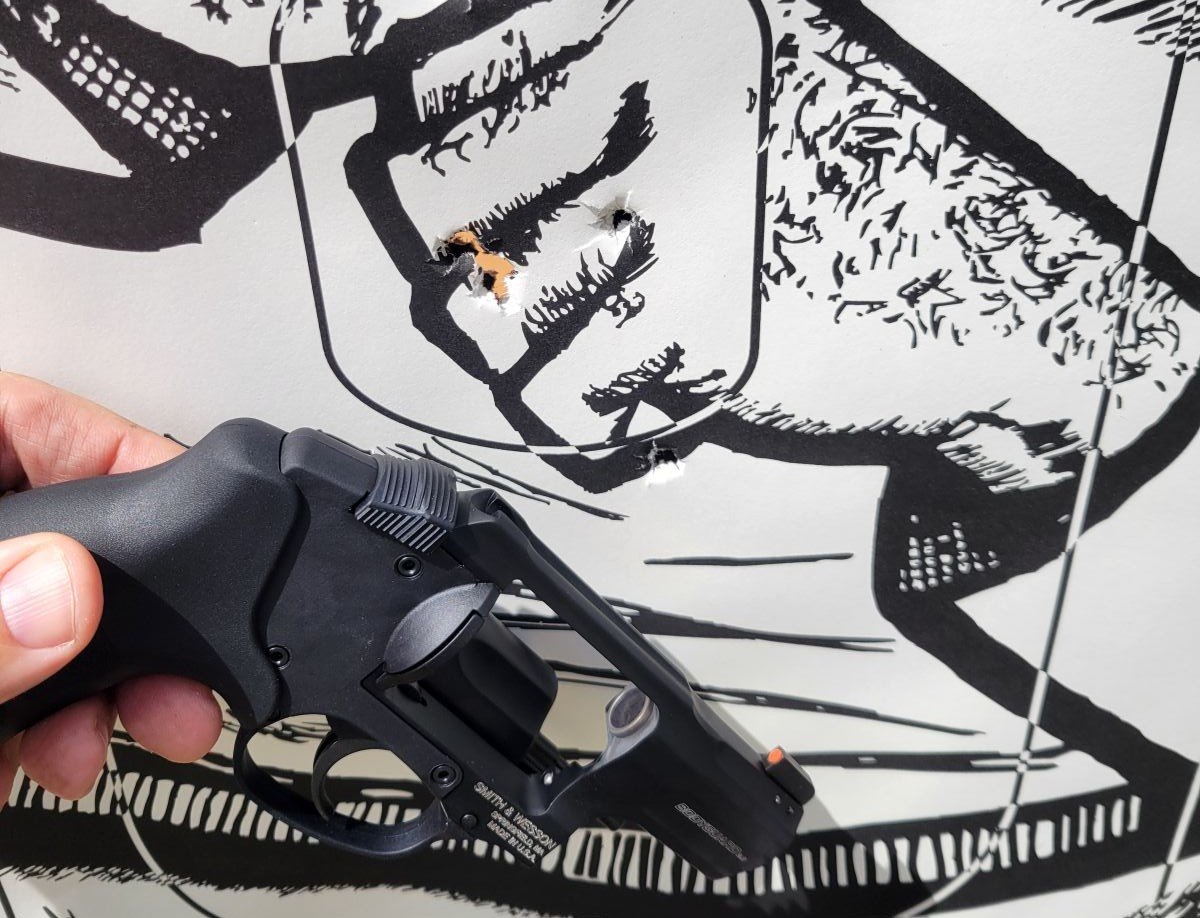
After finding out the proper hold for the fixed sights, we did find it to deliver all five rounds reliably inside the 8-inch 5-ring of an ICE/DHS QT "Thug" target at 10 yards with a two-handed grip in steady fire with no outliers, remaining inside the 12-inch 4-ring at 15 yards, and, from the barricade, keeping all inside the 17-inch silhouette at the 25 in slow fire.
Moving closer, we landed some very decent groups at 7 yards, including the below, which almost all landed inside the 5-inch X ring.
Carry
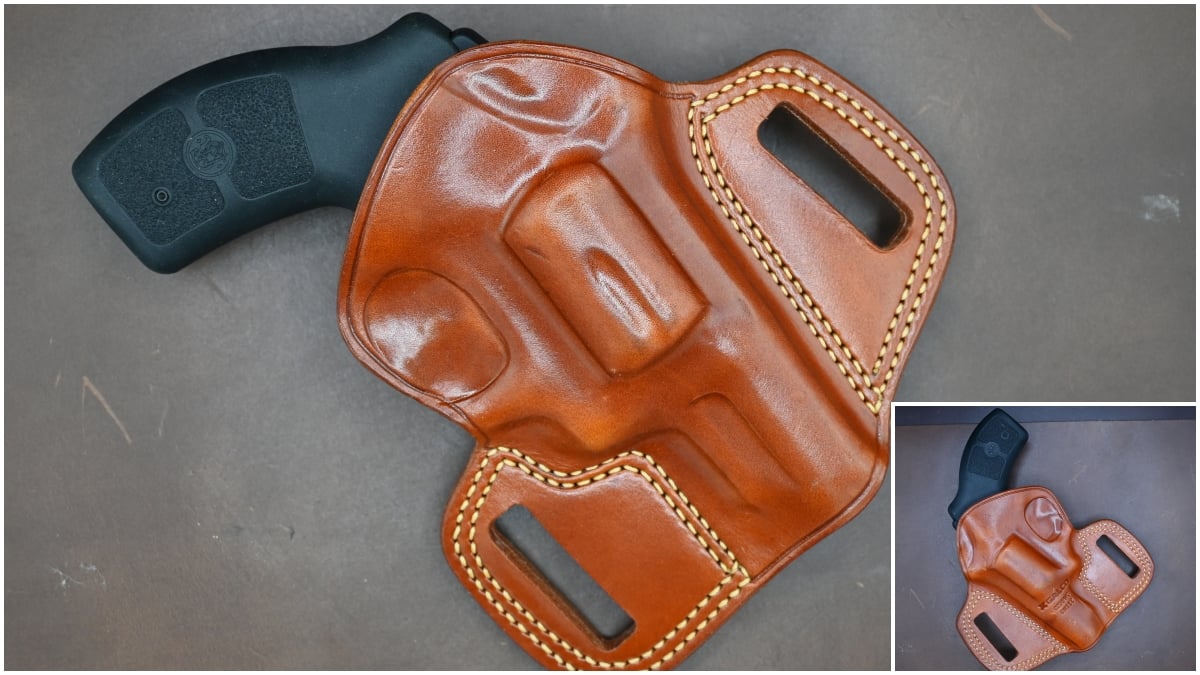
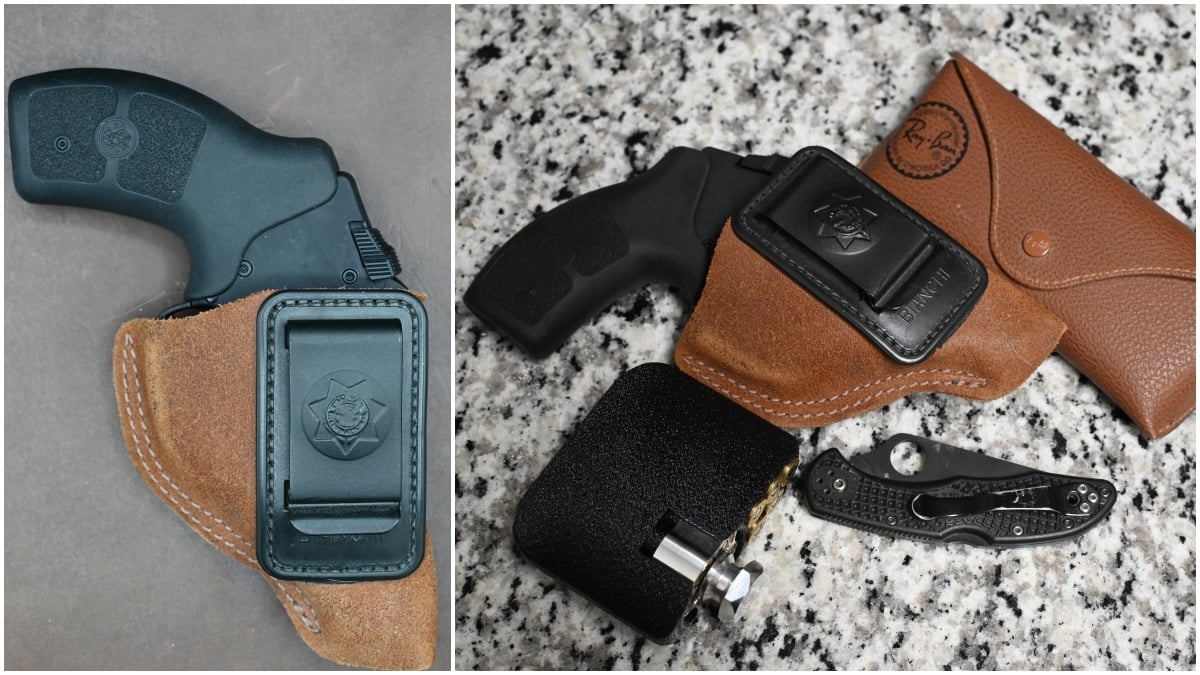
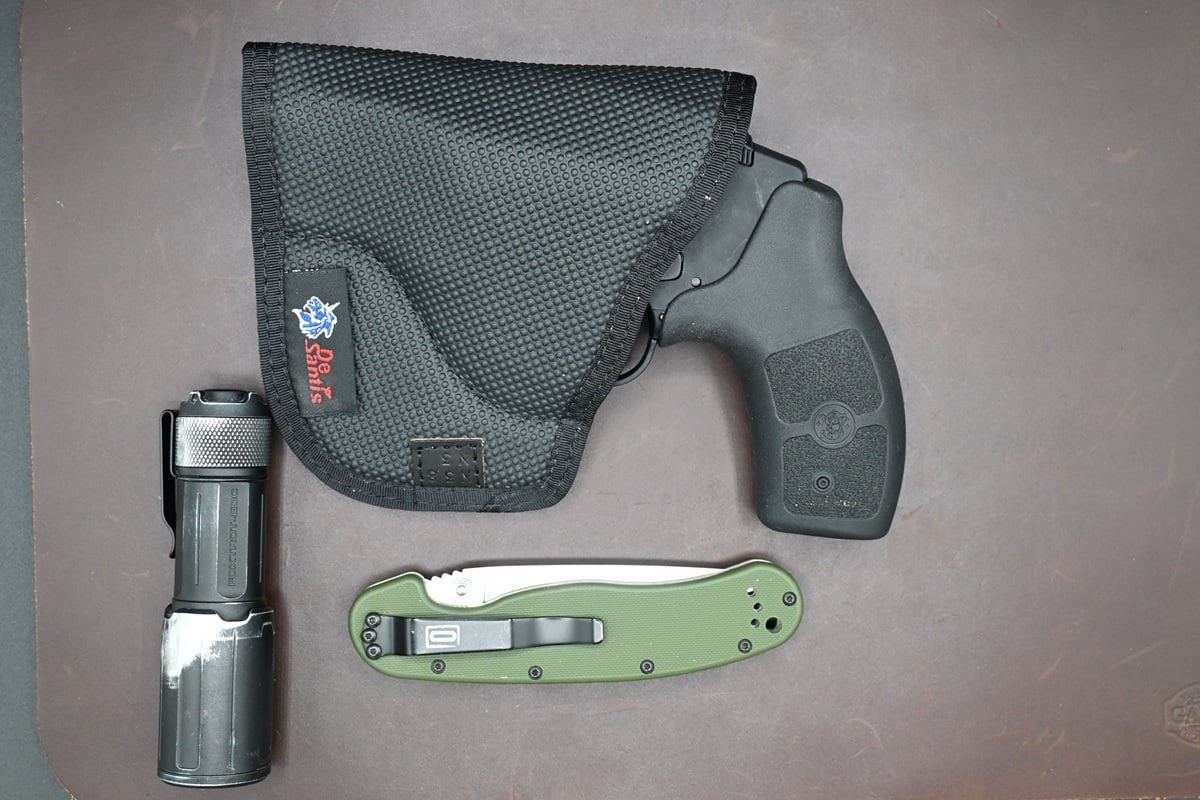
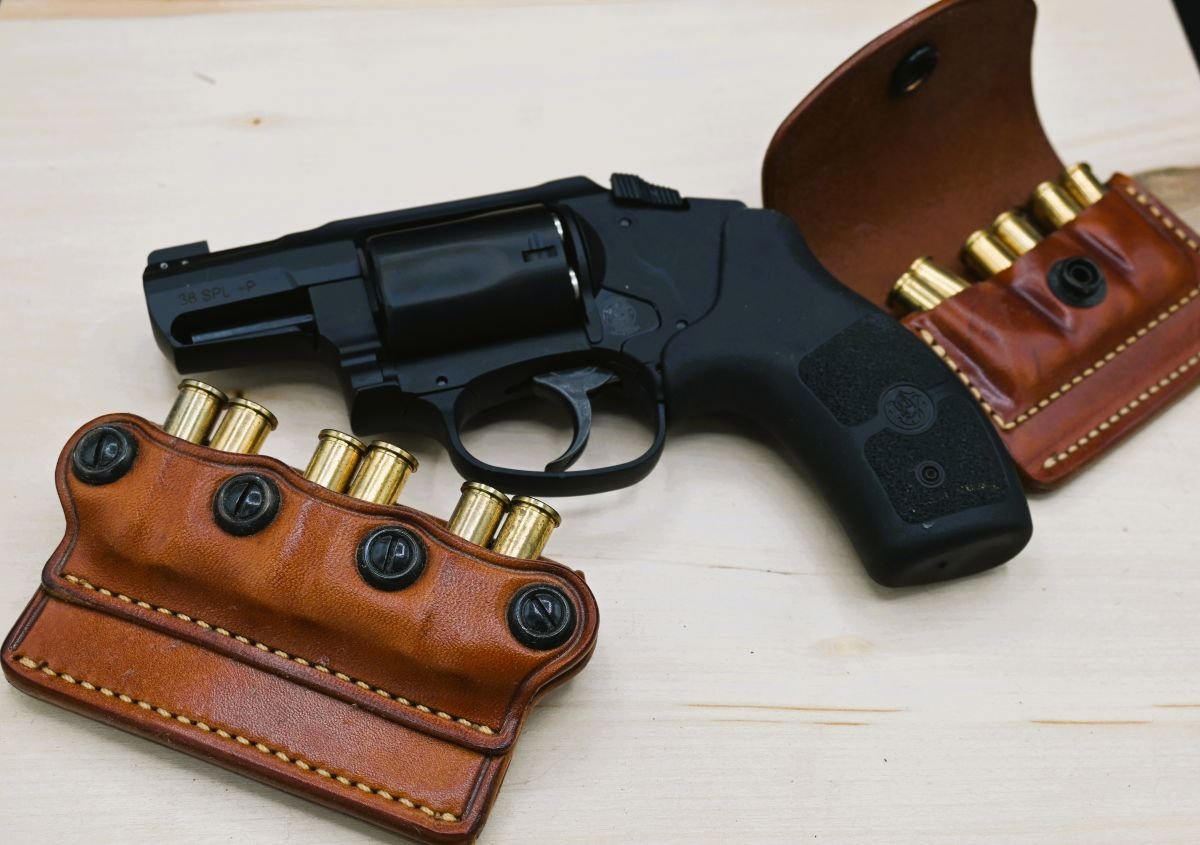
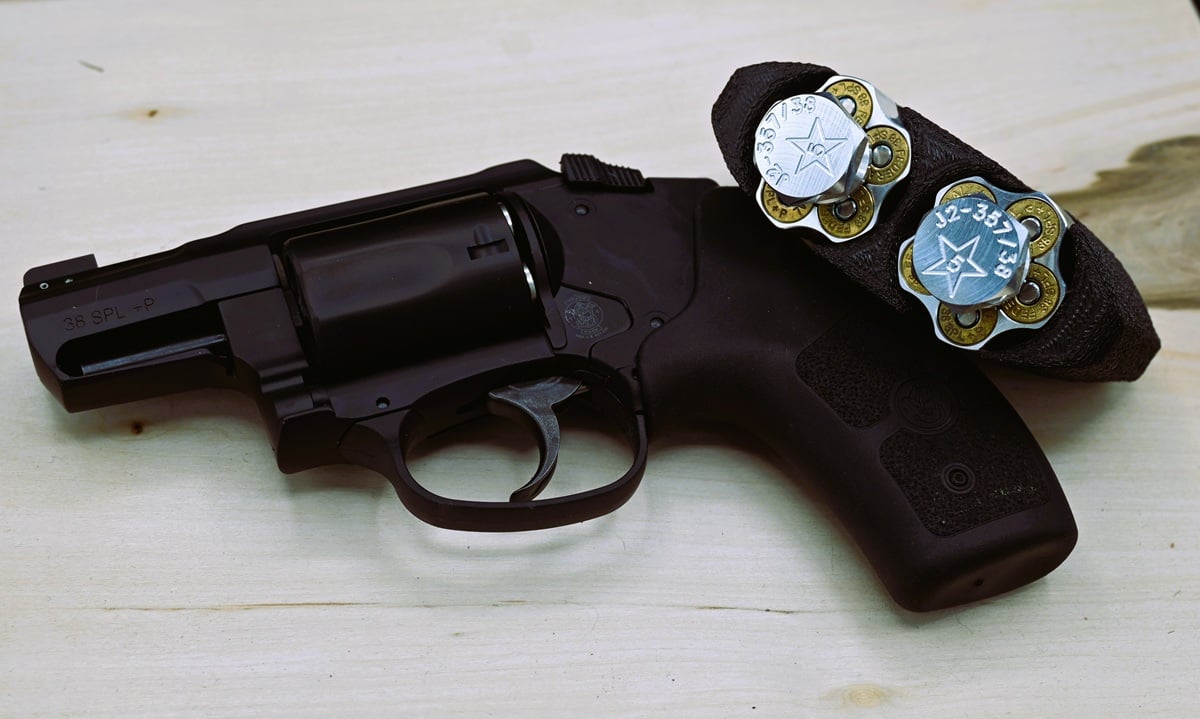
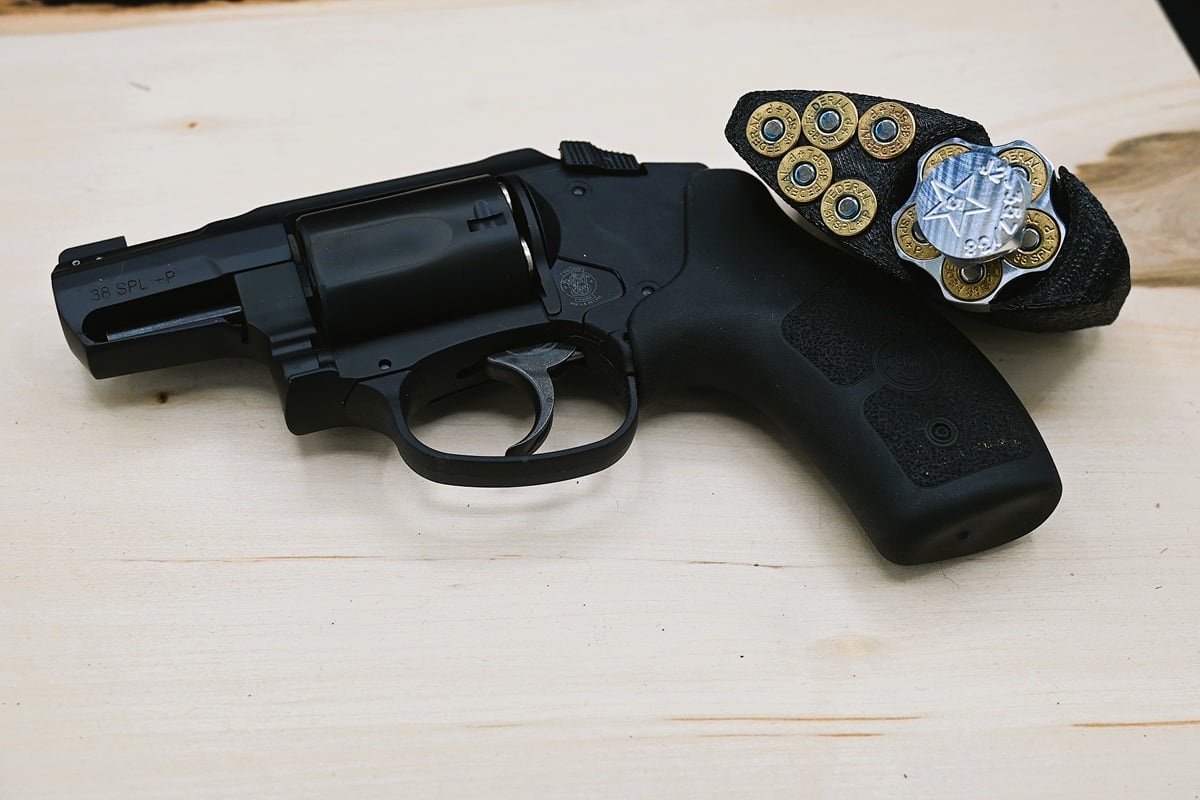
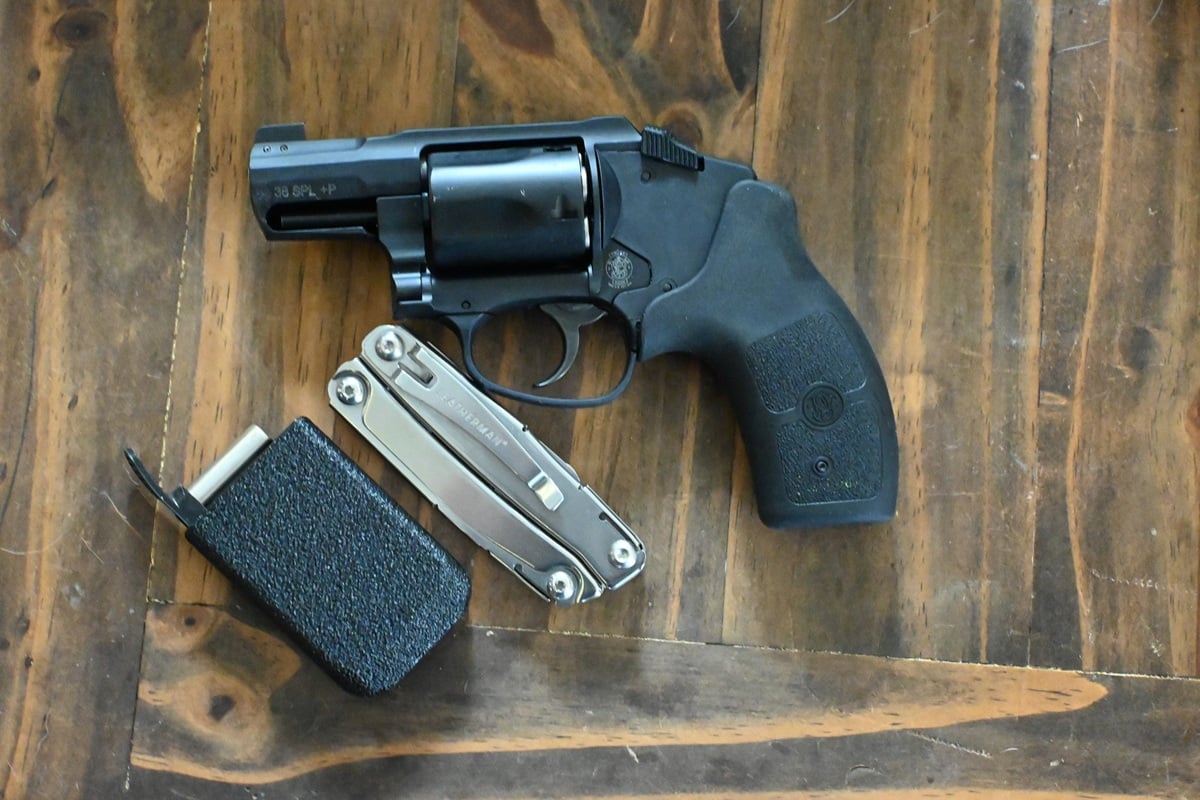
As the Bodyguard 2.0 .38 is a doppelganger for most other Smith 2-inch 5-shot snubs, there is already a vibrant holster ecosystem on the market. We found the revolver to easily fit some of our favorite J-frame holsters that we already had on hand.
Conclusion
Let it be known that I am that oft-reviled sub-species of old man gun owner, carrier, and enjoyer that has clocked in with snub-nose revolvers for the past 30 or 40 years. I lost count. Never wrote down my first time in my diary in breathless recall of the day's events.
With that being said, I think I have enough of a background in this type of "rosco" to be able to opine on whether the S&W Bodyguard 2.0 .38 is a good representative of its breed.
It is.
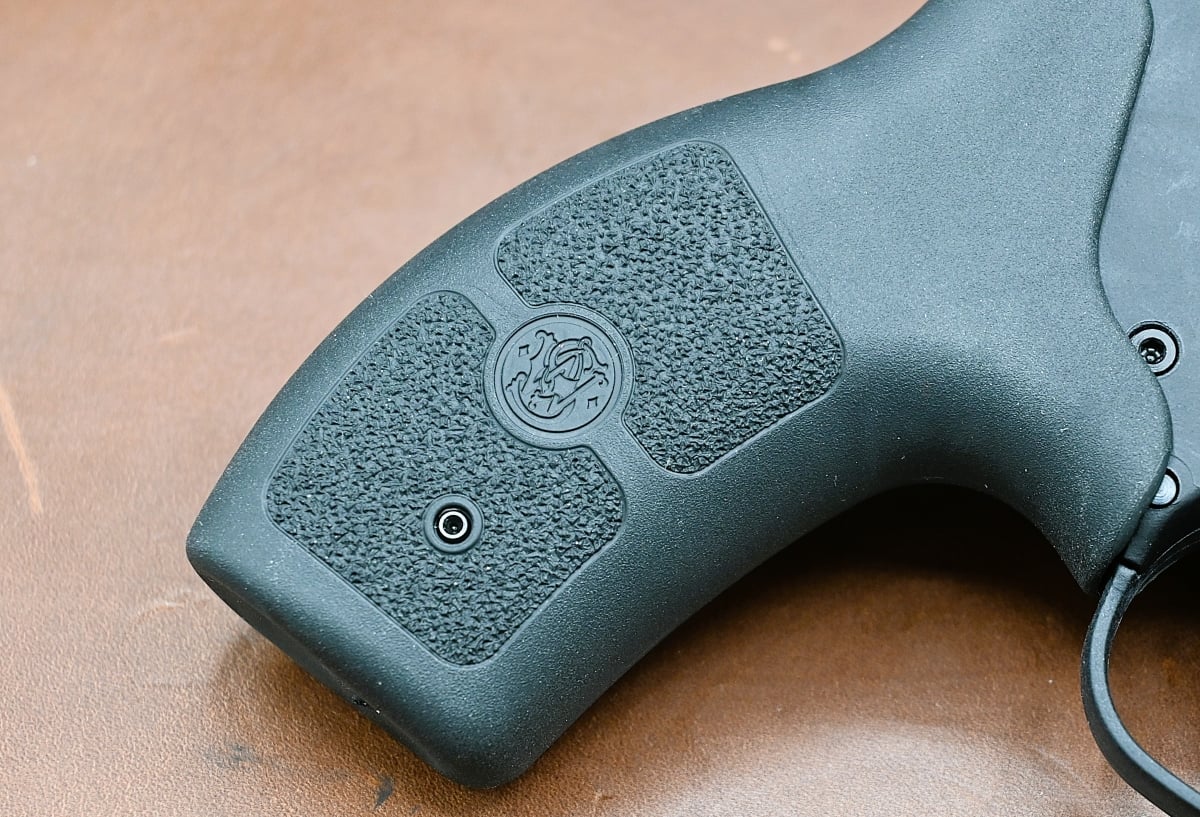
You get the same no-brainer small and deeply concealable profile that has kept small-framed .38s popular going back to the 1920s, while carrying a piece of mind in five installments. Smith has made lots of quiet improvements to the BG 2.0, including sights, a longer grip (the most common modification done to most snubs actually carried in the wild), and a lighter trigger that still preserves safety.
Plus, the price, at $499, is very reasonable, especially when you consider the improvements to the design. Sure, you can go with an imported Taurus 856 or EAA Windicator for a few dollars more, while the domestically made Ruger LCR runs a bit more, but I can't really say that you would be much better served.
The worst I can say about the Bodyguard is that extended range sessions can be brutal on the hand, a trait shared by just about every other revolver in its class. By extension, carrying and using a snub is not for everyone, and the guns require a bit more training to attain and maintain proficiency than some other designs. Be prepared to overcome.
It’s worth it.


Chris Eger
Chris Eger is an NRA-certified firearms instructor in multiple disciplines with a background in law enforcement and as a security contractor to the federal government. He has been writing badly since 2006 and has a number of poorly-received books in print.
View All Articles by Chris Eger