Wilson Combat
If you don’t know Wilson Combat, it is one of the earliest and most respected custom 1911 companies. When Wilson Combat wanted to diversity its lineup, the next platform the company chose to work on was the Beretta 92. I think that says something about the gun. I mean, if Bill Wilson praises this gun, then it’s got to be doing something right.

Wilson has collaborated with Beretta on three models: the 92G Brigadier, Compact and Centurion. Only the Centurion is still being produced by Beretta.
Centurion Tactical
The Wilson Combat 92 Centurion Tactical is a gun built by Beretta to Wilson Combat specifications. Wilson Combat not only specified the parts and features, but also the tolerances. I believe this is the “tightest” gun built by Beretta.

This model is built on an aluminum frame with an accessory rail, hence the “tactical” designation. It has a a Beretta “G” safety, which means the lever only works as a decocker.
The Centurion variant is Beretta’s name for a pistol with a standard-sized frame but a 4.25-inch barrel. This shorter barrel is not really for concealability, though. What the shorter barrel really does is slightly change the shooting characteristics of the gun.

In my opinion, the gun balances better, transitions quicker and shoots faster than a standard 5-inch barrel. It’s subtle, but I can feel a difference. It’s similar to the difference between a 5-inch 1911 and a Commander-sized 1911. It seems as if the 9mm cartridge works best on 4.25-inch platforms.
So, what did Wilson Combat improve? We’ll look at four key areas: barrel, sights, grip, and trigger.
Barrel
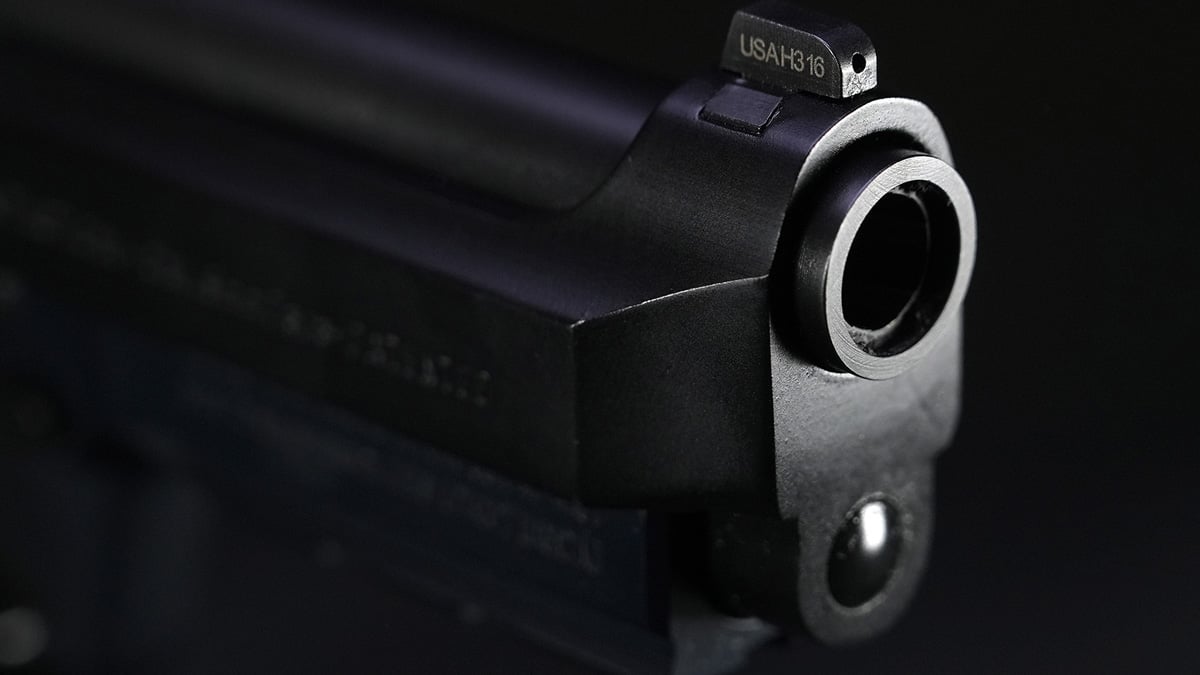
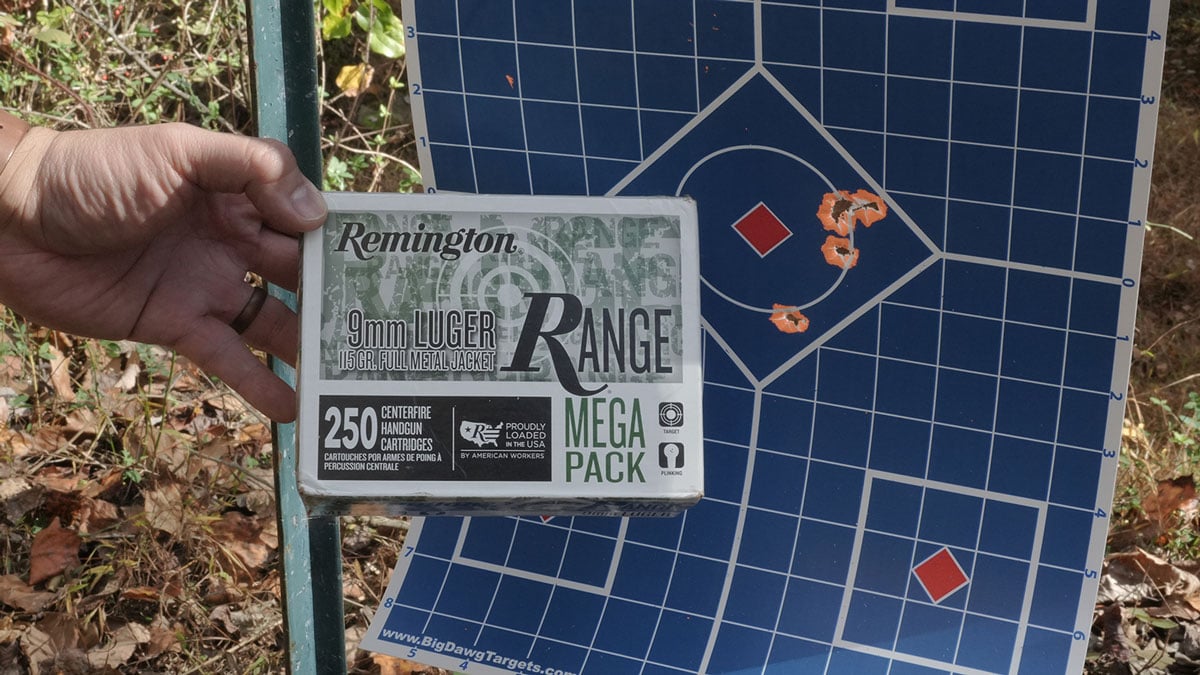
First, the barrel is a match-grade stainless-steel barrel with recessed crown similar to the one found on the Elite line. Combined with Wilson Combat’s slide-to-frame tolerances, makes for a very accurate firearm. I got some great groups.
Sights
Secondly, Wilson Combat chose the Vertec slide with dovetails for both the front and rear sights. Then they installed Ameriglo tritium front sights with an orange ring around the tritium dot – sights designed by Ken Hackathorn, one of the granddaddies of pistol instruction. The rear sight is the Wilson Combat rear U-notch Battlesight.

This front sight is fantastic. It’s very easy and fast to pick up. I’m not the biggest fan of the U-notch rear. It works fine, but if you want a more traditional square rear notch, replacements are available at Wilson Combat. I personally like the precision of a square rear notch.
Grip
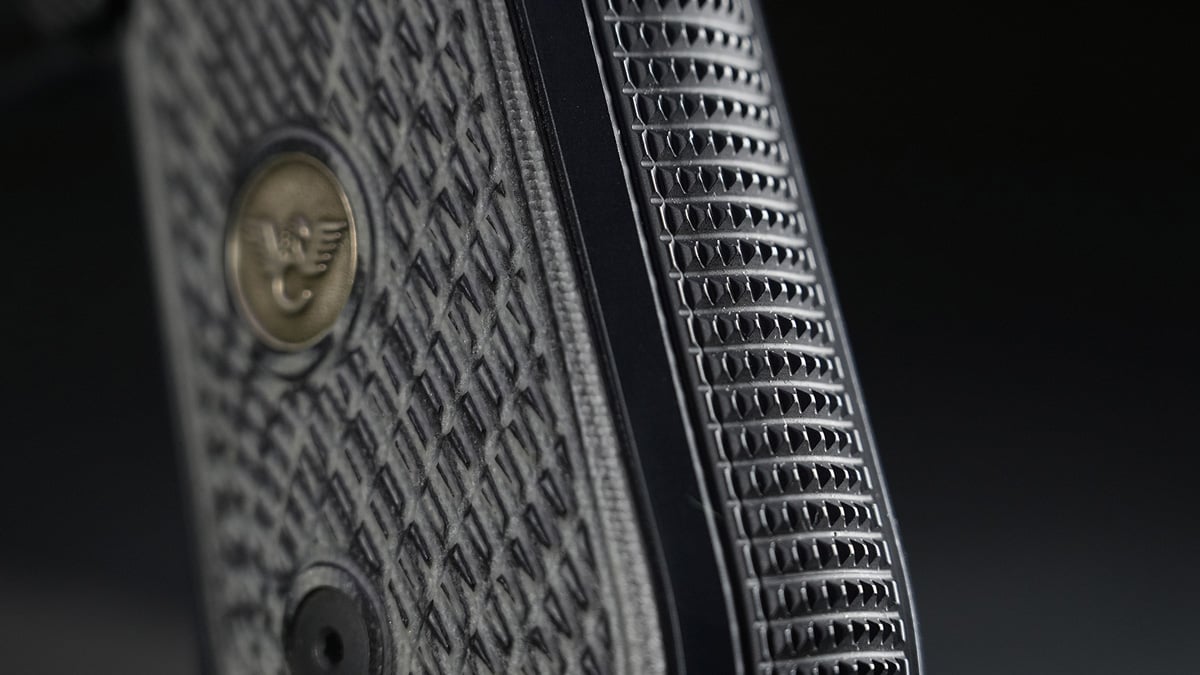
The third thing Wilson Combat wanted to improve was the grip, with deeper checkering on both the front and back straps. Extra slim G10 grip panels made by VZ address one of the main criticisms about the 92: the large grip. These slim grips reduce the overall circumference of the grip and improve the ability to grasp the gun.
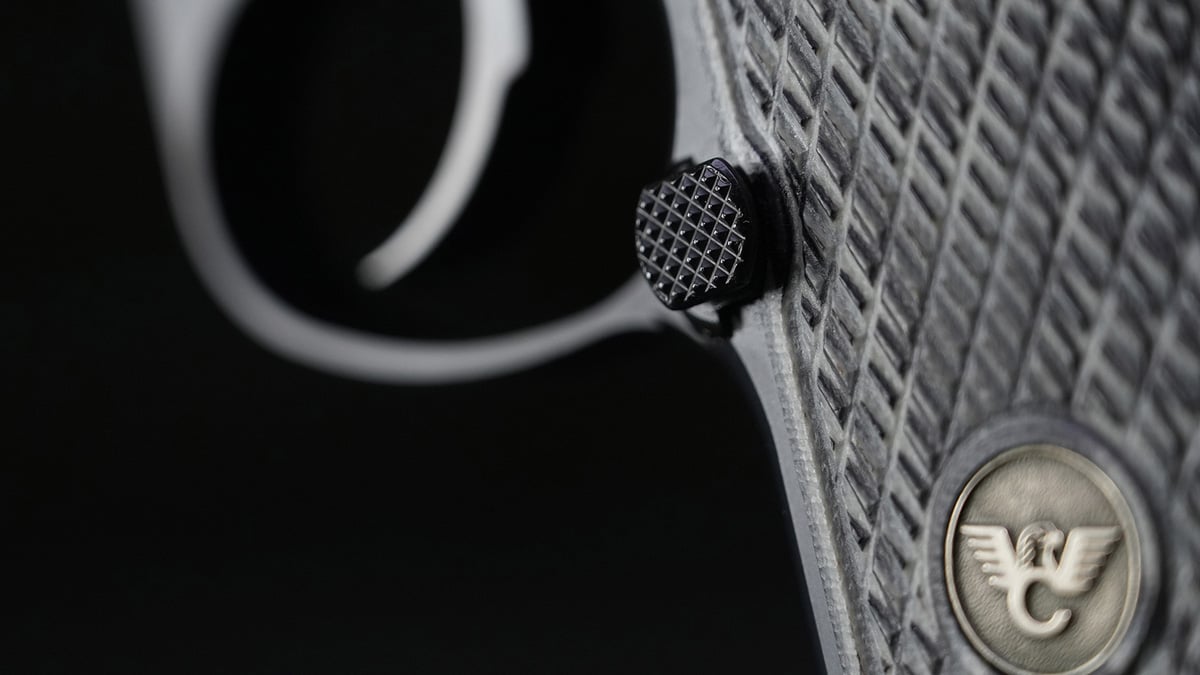
There’s also an oversized magazine release, magazine guide and beveled magazine well to help speed up reloads. On standard 92s, I have to break my grip to hit the mag release. Because of the thinner grip panels and big button, I don’t have to on this model.
Trigger
Fourth and finally, Wilson Combat improved the trigger with a lightened hammer from the Elite 2 series and a type “D” lightened hammer spring. Wilson Combat also asked Beretta to optimize all the action parts for peak functioning, making for a significant reduction in trigger weight.

To top it off, all Berettas purchased from Wilson Combat have the option of adding an Action Tune job. I highly recommend this upgrade, which is also available from Wilson Combat if you just want to send them your personal pistol.
This action job takes this pistol to “11.” It’s the best double-action trigger I’ve ever felt. It’s smooth, light, and breaks like the proverbial glass rod. It’s perfect.
Pros & Cons

I don’t have much negative to say about this gun. There are no front slide serrations, but there are the front scallops on the slide that I use for slide manipulations. And I think the gun looks better without the front serrations.
If you don’t like or know how to use a traditional double action, this gun is probably not for you. I’ve talked at length about why I like this trigger system, especially for carrying appendix, and why I like slightly larger and heavier guns for concealed carry.

My only pet peeve is that it does not come “optics-ready.” But guns of this era didn’t have that option, and if you want to add it, you can always send it to Langdon Tactical Technologies to get it cut for a red dot. The LTT cut sits much lower than the factory Beretta red dot mount.
Pros:
- Classic, reliable Beretta 92 design
- Slim Vertec grip
- Oversized controls
- Best double-action trigger I’ve felt
- Upgraded tritium sights
-
More Wilson Combat upgrades available
Cons:
- Not optics-ready
- Traditional double action isn’t for everyone
-
No front slide serrations
Conclusion
In conclusion, I love this gun. I’m not going to send it back – I’m buying it. It’s a do-everything gun, and it’s the best 92 I’ve ever felt. I can’t let it go.