Brief Yugo M48 History

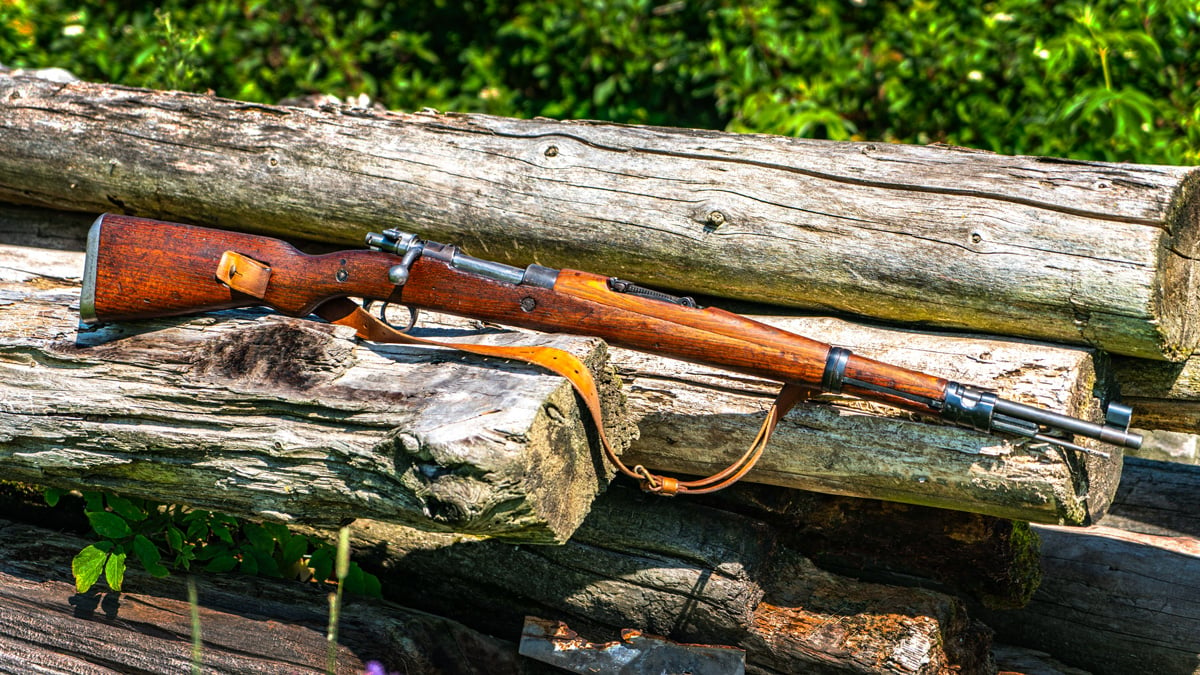
I spent a summer cutting lawns before my 18th birthday to save up enough money to buy this Zastava M48 and some ammo to go with it. Commonly called a Yugo M48 or Yugo Mauser, the Yugoslavia-made M48 is a carbine-sized Mauser Gewehr 98-pattern rifle.
The bolt-action M48 rifles rolled out of the Zastava plant in Yugoslavia (now Serbia) starting in 1950. Original M48s like this one hosted almost all machined parts, while later M48A and M48B rifles incorporated cost-limiting stamped parts.
Related: My First Gun – Classic Surplus Mauser


Perhaps the most notable thing – to me anyway – is that the guns were produced to the tune of some 1.2 million rifles between 1950 and 1965, right as the world’s militaries made massive shifts to semi-auto/select-fire rifles. Hence, the Yugo M48s represent an endpoint for Mauser-style military rifles.
As a budding gun enthusiast, I saw this M48 sitting in a rack at my local sporting goods store every time I visited it. I finally brought it home the day I turned 18 years old.
Specs & Features

At face value, the bolt-action M48 rifle has most of your classic Mauser profile with two forward bolt lugs on the cock-on-rotate bolt. It offers a five-round internal magazine and a chambering for the old 8mm Mauser (7.92x57mm) cartridge used by the German military through both world wars.
Yet, as one of the last military Mauser designs, the M48 incorporated some final updates to the original Mauser Karabiner 98k platform, which was itself a carbine-length variant of the Gewehr 98. Zastava’s take on the classic Kar 98k of WWII fame shortened the action and receiver to an intermediate length, incorporated a full-length top wood handguard, and added a curved bolt, which differed from earlier Yugoslavian Mausers like the M24/47.


Related: What Happened to Affordable Military Surplus Guns?
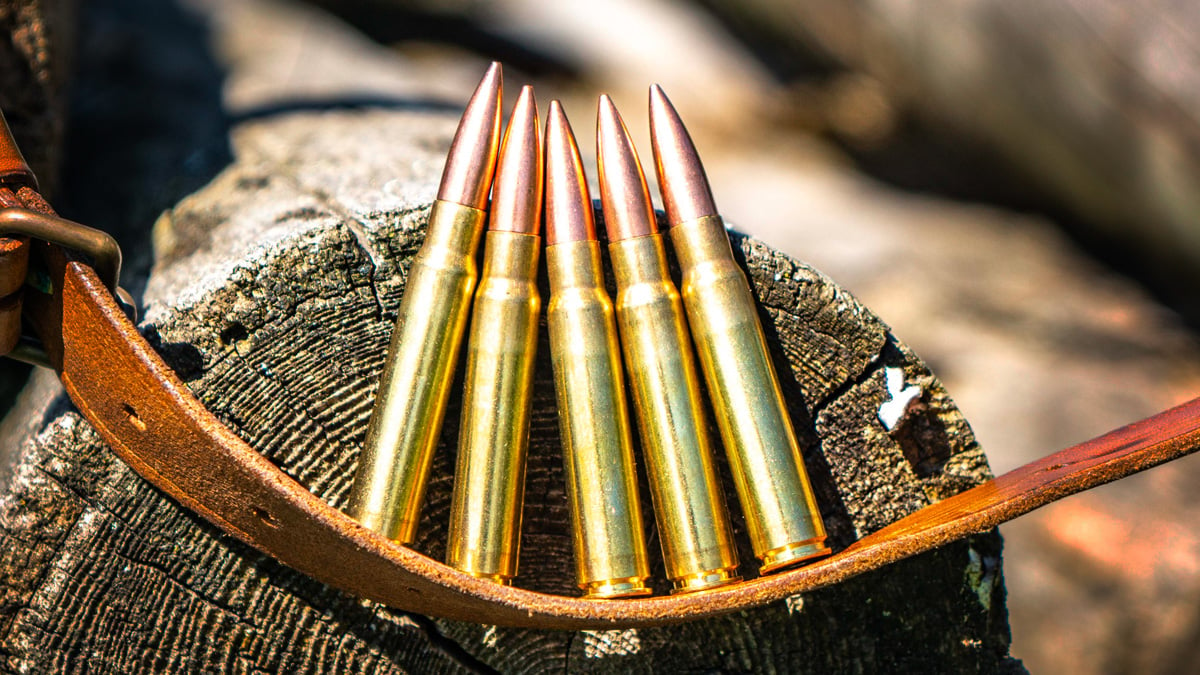
Here’s a short list of some basic specs for this Zastava M48:
Weight: 8.6 pounds
Length: 42.75 inches
Barrel Length: 23.25 inches
Sight Radius: 19.75 inches
Length of Pull: 13 inches
Capacity: 5 rounds (8mm Mauser/7.92x57mm)
Trigger Pull: 6.54 pounds
The trigger is a good example of a two-stage service trigger on a classic military rifle. There’s 0.2 inches of positive, springy take-up to the first stage of the trigger. The second stage is stiff and breaks at 6.54 pounds after 0.1 inches of travel. This allows you to easily stage your shots for more accurate shooting.


For a gun meant to serve in harsh combat environments – and particularly cold ones in Yugoslavia – I find this to be an exemplary service-level trigger. The gun’s weight, on the other hand, stands out as a limiting factor for a five-shot, bolt-action rifle by today’s standards. At 8.6 pounds unloaded, this rifle is hefty.
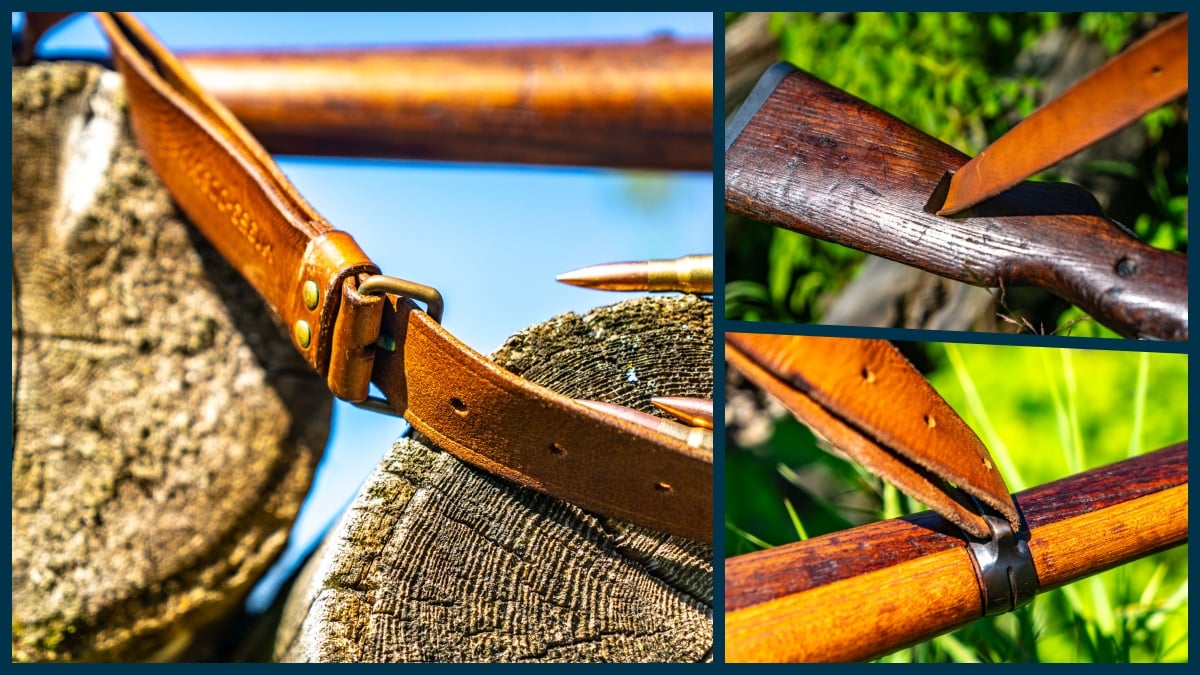

However, I find it balances well, carries easily enough, and shoots with a soft recoil thanks to the weight and 8mm chambering. The length of pull is just about spot on for me at 13 inches, and the generous sight radius of nearly 20 inches keeps the gun relatively short, fast, and accurate.
Range Time
I find that quality Mausers like the ones that rolled out of the Zastava plant have a particularly solid feel to them. Guns like my Arisaka Type 99 and Enfield No. 4 Mk 1 just feel less refined and more rattly. Those are both fine shooters, but they just lack that classic, solid Mauser feel.

This M48 shoulders fast and is short enough to be nimble for a military rifle of its era. The recoil is almost pleasant. The 8.6-pound weight, straight stock design, and 8mm Mauser chambering all add up to recoil which is more of a push than a kick.
It’s been a few years since I had this gun out on the range for prolonged target shooting. I think its most accuracy-limiting factor is my dislike of V-notch rear sights, but it’s more than capable of ringing a 5-inch steel gong repeatedly with all five rounds at 100 yards.
Related: Reviving a Neglected Mauser – BadAce’s Scope Mount & Accuracy Test
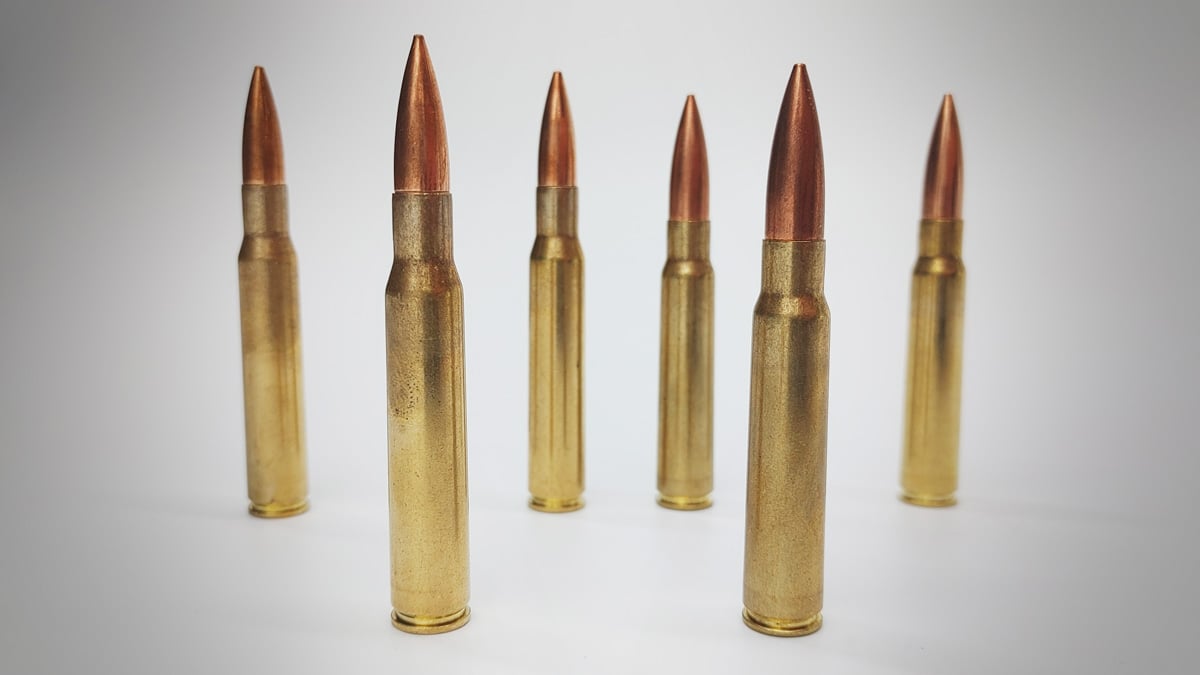
Honestly, I treat each range visit with this old rifle as a kind of treat. While 8mm ammo is quite enjoyable to shoot, it’s hardly enjoyable to purchase at current prices. Still, there are several manufacturers of the once ubiquitous 8mm Mauser these days. There are so many rifles chambered for the round that I expect that will stay true for many years to come.

Hitting the range with this gun is still well worth the cost, even if I must limit my sessions to a box or two of ammo. The gun cycles smoothly and there’s a certain joy that comes from working a classic surplus bolt.
Pros & Cons
Here’s my short list for the pros and cons of this old Zastava Yugo M48 rifle:
Pros:
- Great history
- Classic Mauser feel and looks
- Very rugged and reliable
- Built with quality machining and parts
- Accurate
- Soft recoiling
- Nice trigger
- Good sights
- Fun to shoot
- Cool history
Cons:
- 8mm Mauser ammo is a bit pricey
- Five-round capacity
-
Heavier weight
Final Thoughts

For those who wonder what gun they should start with, I think it’s worth taking a look at something classic like this Yugo M48. It was my first rifle, sure, but it’s brought me joy for decades, and that makes it worth every single penny I spent on it.
Since classics like this are becoming more and more scarce over the years, that should be an added incentive to find one at a reasonable price sooner rather than later. I cannot tell you how many times I’ve kicked myself for missing out on waves of affordable surplus guns when they first came into the states. Those waves are increasingly rare these days.
Like cool old firearms?
Check out our Military Classics and Collectors Corner for more.