Suppressors Silence Gunshots
A suppressor is a small cylindrical device that attaches to the barrel of a gun to reduce gunshot noise. Inside the cylinder are baffles that act as chambers to trap the high-temperature, high-pressure gas, which is released behind a bullet traveling down the barrel. Cooling and slowing down the gas reduces the noise from the gunshot.

A suppressor and a silencer are the same thing. Silencer is the legal term, and suppressor is the technical term, but they mean the same thing and are used interchangeably.
The term “silencer” is misleading, though. Hollywood action movies have long perpetuated the myth of the silent gunshot. A covert agent sneaks into a room, fires a single soundless shot, and leaves without a trace. As cool as it looks in the movies, it’s not even close to being accurate.

When you fire a gun, and the bullet travels through the barrel, a lot of hot, pressurized gas is released. The gas is the source of most of the gunshot noise. When a suppressor is attached to the barrel, it traps the gas, cools it, and slows it down. This decrease in temperature and pressure results in much less noise, but it doesn’t magically make shooting a silent activity.
You Can Ditch the Hearing Pro
On the same note, you may have heard that you don’t need hearing protection when shooting a suppressed gun. Maybe you’ve even seen a YouTuber shoot this way. This is a particularly dangerous myth because once your hearing goes, you can’t get it back.
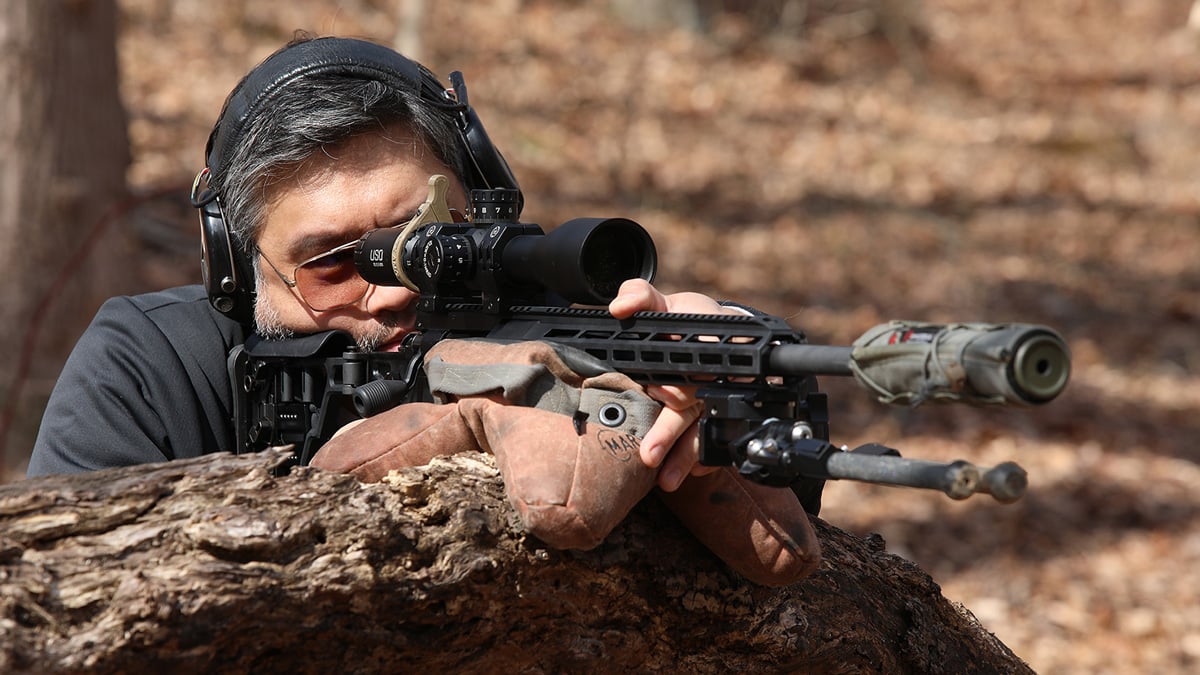
Think of a suppressor like a car muffler: instead of eliminating noise, it reduces it. Most suppressors will decrease gunshot sounds by 30 or 40 decibels.
For example, an extremely quiet suppressed firearm is still typically above 110 decibels. Everyday noises like a car door slamming, an emergency vehicle siren, and a leaf blower all clock in between 115 and 120 decibels. You still need to protect your ears with a sustained decibel level that high.
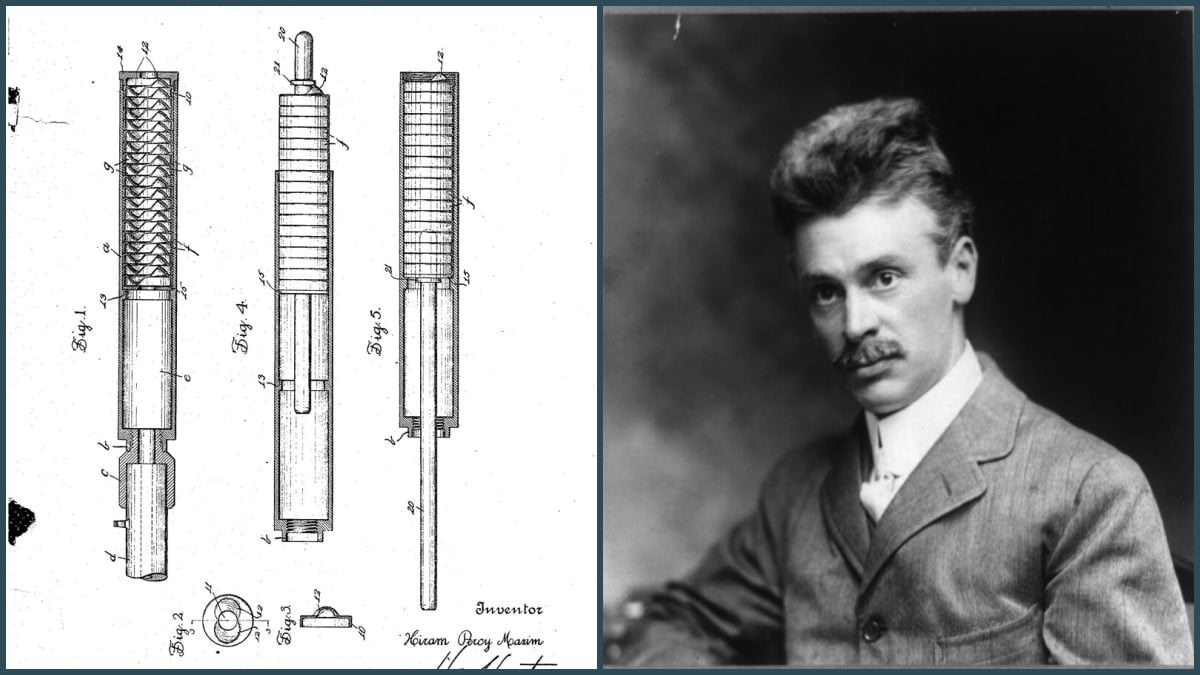
You might wonder why companies still call them silencers, and there are two reasons. One, the inventor, Hiram Maxim, called them silencers. And two, the government calls them silencers.
A Suppressor Will Boost (or Bust) Your Accuracy
The accuracy misconception swings from one extreme to the other. Some say that suppressors improve accuracy, and others say they hurt accuracy. Neither claim is true.
Suppressors do not interact with the bullet, so they cannot directly make a firearm more or less accurate. As mentioned above, they simply manage gas to reduce noise. Indirectly, though, some users claim better accuracy for a few reasons.

Related: Will a Suppressor Affect My Shooting Accuracy?
First, a suppressor adds a bit of weight, and we all know heavier guns usually have less recoil and can be easier to shoot accurately. Secondly, noise reduction can help jumpy shooters concentrate on making their shots. There’s no doubt that shooting suppressed is more enjoyable.
Some claim that suppressors reduce the velocity of a bullet. That’s a myth. If anything, the opposite would be true since it essentially extends the length of the barrel, allowing for increased pressure. As mentioned above, suppressors don’t interact with the bullet, so they neither slow nor significantly speed up velocity.
Suppressors Are Illegal
Suppressors are not federally illegal but remain highly regulated under the National Firearms Act. You must be legally eligible to purchase a firearm, be able to pass a background check and be at least 21 years old when purchasing from a dealer or 18 when purchasing from an individual.
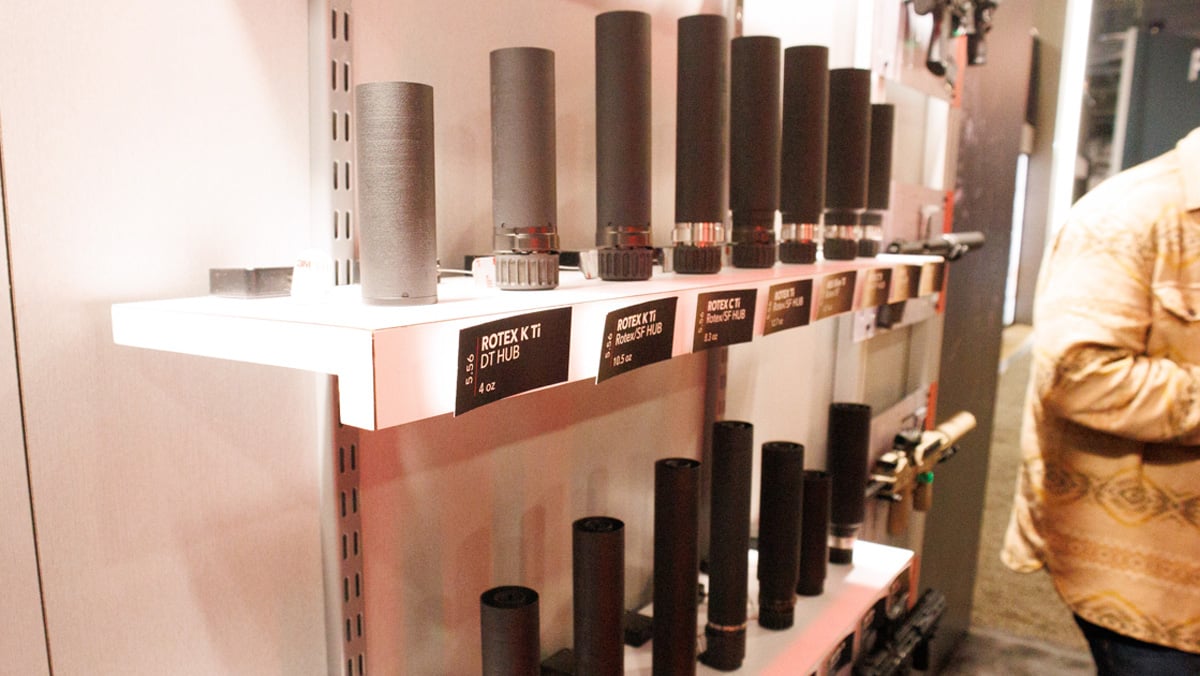
You must also reside in one of the 42 states that don’t restrict ownership. Currently, eight states do not allow individuals to own suppressors (California, Delaware, the District of Columbia, Hawaii, Illinois, Massachusetts, New York, New Jersey, and Rhode Island). Although there are some extra steps to follow, buying a suppressor is easier than most people think. Your local gun shop will walk you through the steps, and if they have a Silencer Shop kiosk, it’s a breeze.

The steps to owning a silencer are as follows:
- Fill out a BATFE Form 4 in person or eForm 4 online with your dealer at the time of purchase.
- Get two passport photos to submit with your Form 4.
- Have your fingerprints taken for your FBI Form FB-258.
- Inform your local chief law enforcement officer of your intent to own a silencer.
- Pay a $200 tax stamp to the BATFE and submit it with your Form 4.
- Wait for the ATF to approve your Form 4.
- Pick up your suppressor when your dealer calls to say it’s ready.
Another related myth is that owning a suppressor gives the ATF a free pass to enter your home. This is entirely false. Owning a suppressor doesn’t change your rights as guaranteed under the Fourth Amendment. Local or federal law enforcement still needs probable cause to obtain a warrant to enter your home.
Conclusion
The truth about suppressors is that they are designed to reduce noise and improve hearing protection. They can’t make a gun function silently or improve your accuracy, but they can enhance the shooting experience. Shooting suppressed is a lot of fun, and if you haven’t tried it, I highly recommend it.