History
Developed in the early 1940s, the Soviet cartridge was used in both the SKS and AK-47 infantry rifles. The short cartridge shoots a .30-caliber bullet at velocities comparable to something like a .30-30. While not as impressive as cartridges like the .30-06 Springfield or the 8x57 Mauser, I certainly wouldn’t want to be shot at with one.
Related Review: Norinco SKS – Cold War-era Chinese Military Rifle Still Performs

The adoption by both Soviet nations and whoever they could sell the rifles and ammunition to have made the 7.62x39 cartridge one of the most common available. Communism helped spread both 7.62x39 and its casualties across the globe. I’d hate to try and find a positive result from that, but if there is one, it’s that you and I have an inexpensive and fun ammo supply.
At least we did until some ol’ boy started hanging up iron curtains in eastern Europe.
Related: A Few Notes on Surplus Yugoslavian 7.62 Ammo
.30 Russian Short
I said the cartridge is .30-caliber, but not so fast. The 7.62x39 Soviet uses .311-caliber bullets, at least it’s supposed to. I think it’s fair to say that depending on where your rifle and ammunition were manufactured, you may have either.
A plethora of .309, .3105, and .311 bullets are available from many sources. The good news is that the few thousandths difference typically doesn’t cause problems. Of course, to avoid ending up in a gulag, I can only recommend you shoot the correct ammunition for your rifle’s design.
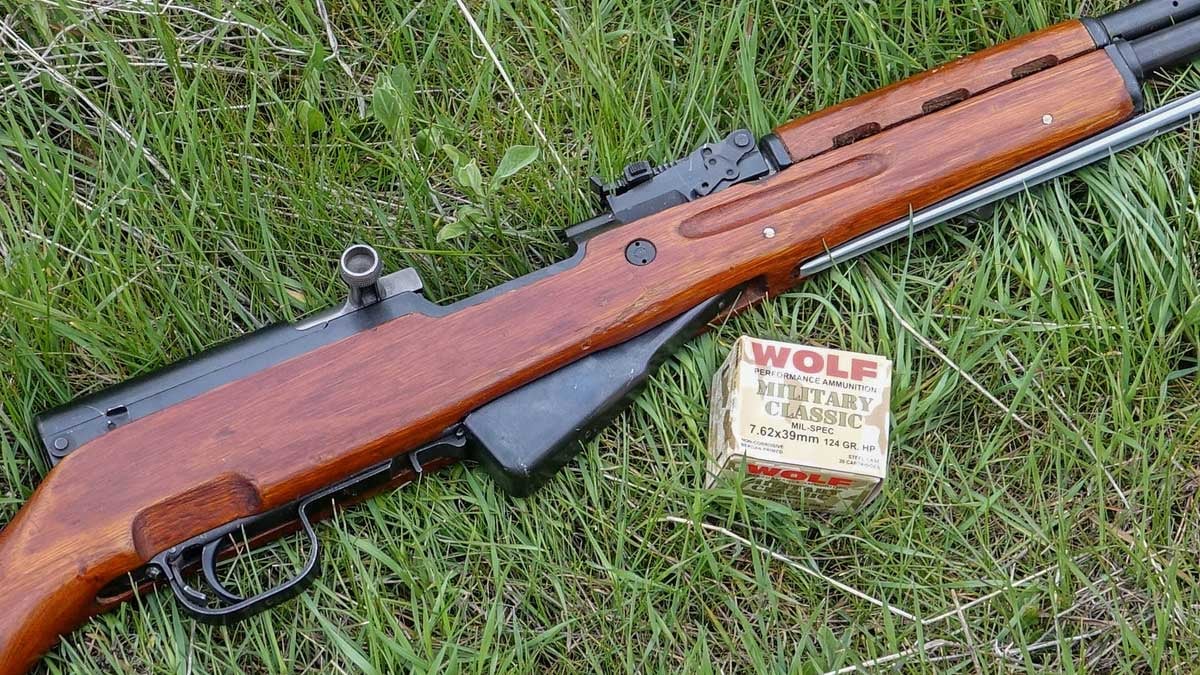
Nearly all commercially and communist-produced ammo comes loaded with a 120-grain bullet, or something very similar. I remember back in the 1990s getting cases of the lacquered Russian steel-cased ammo delivered to my house from Sportsman’s Guide for under $100. My SKS and AK-47 chewed through it like Ukrainian grain in 1932.

Velocities produced by the little Soviet seeds hover around 2,300 feet per second. This is fairly slow compared to many other cartridges like the 5.56 NATO or 7.62x51, but that hasn’t kept it from filling countless graves.
American 7.62×39
The most American thing you can do is take one of your adversary’s best tools and use it for freedom activities over amber waves of grain. Here in the promised land, the 7.62x39 has found safe harbor with American shooting enthusiasts, and our resourceful firearms industry has given us a wide selection of quality firearms chambered in the little Soviet sensation.
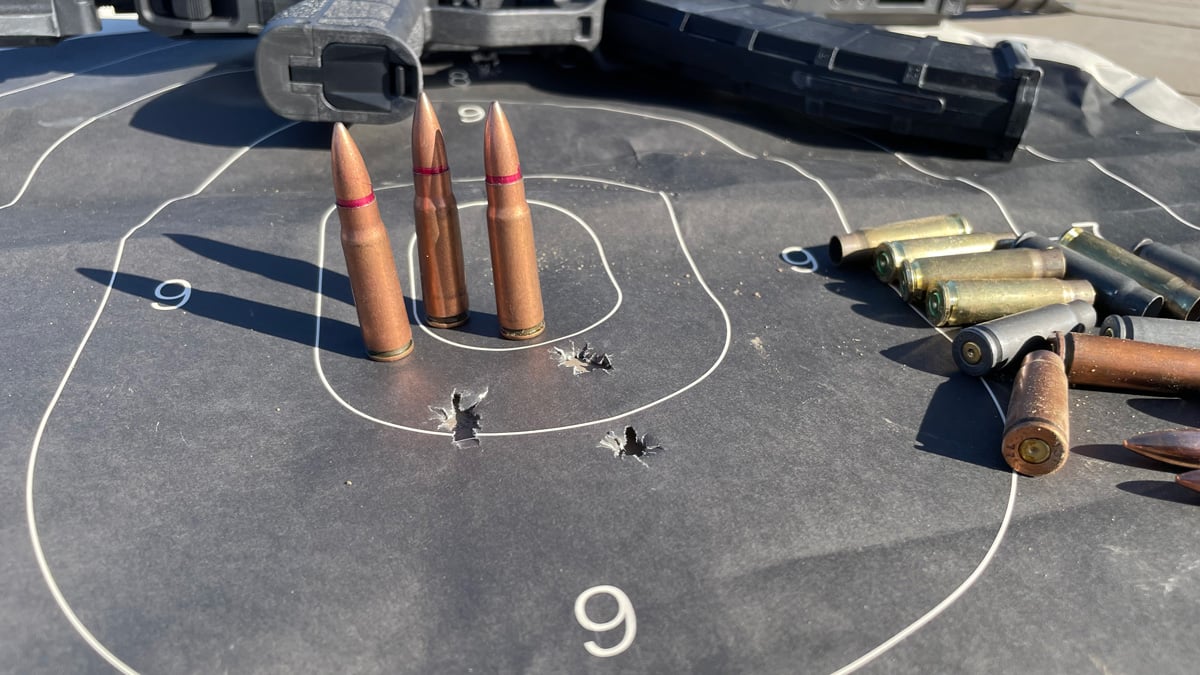
There are affordable imported rifles like my SKS and AK-47 or one of the more modern rifles like the CMMG Resolute Mk47. Ruger has been making the Mini-30 since the 1980s, and lucky for us, the selection of firearms has only gotten better.
Additionally, American ammunition companies like Hornady and Federal also make excellent ammo to shoot in these rifles. I’ve been able to shoot quite a few different options through a variety of firearms lo these many years.

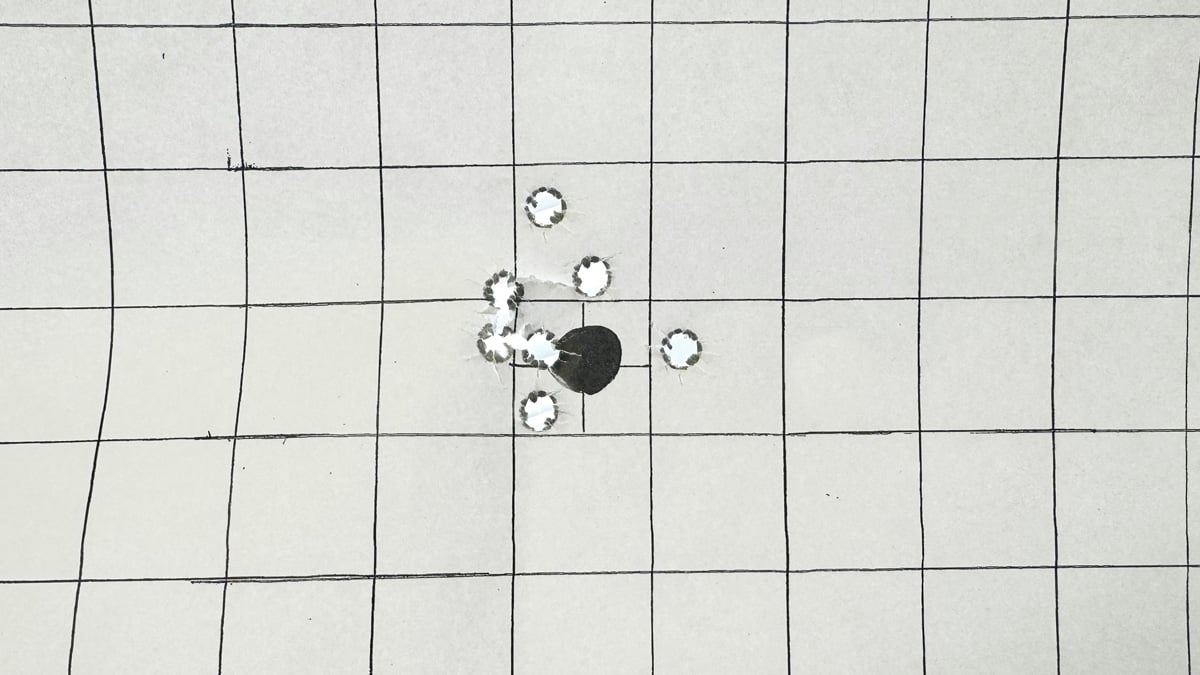
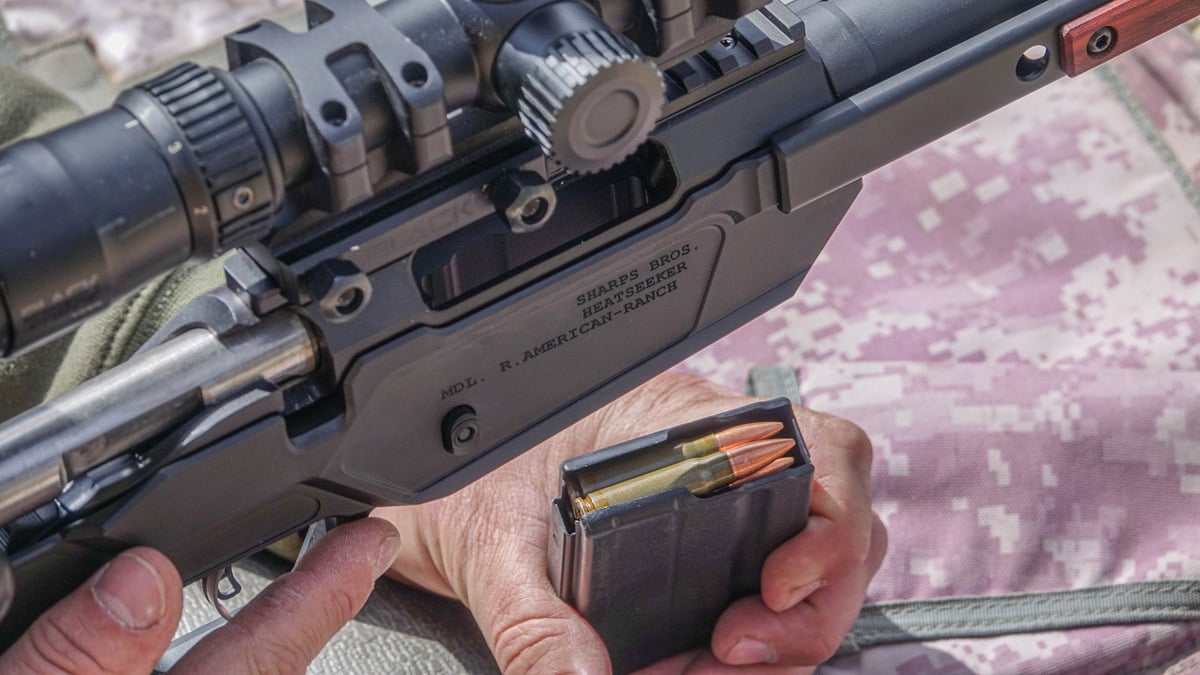
The most recent was a Ruger American rifle chambered in 7.62x39 – a very simple rifle dropped into a Sharps Brothers rifle chassis and fed from Duramag 7.62x39 AR magazines. Topped with a modest little 4x scope, we found this rifle to be easily accurate enough to shoot deer and coyotes out to 300 yards. The icing on the cake was it easily shot sub-MOA accuracy using 20-year-old Wolf steel-cased FMJ ammo.
Drawbacks of the 7.62x39
If you aren’t 30-plus years old, you might not even understand the biggest drawback of the cartridge. In my opinion, the biggest drawback is how much the availability has decreased. Of course, that has driven prices up. While the cartridge was never a stunning performer, it was always cheap and plentiful.

You might think that the 120-grain bullets would make the cartridge superior to the 5.56. But the low velocity greatly reduces the weight advantage, making it nearly a draw depending on purpose.
One of the reasons the ammo is so inexpensive is that much of it is steel-cased. Many people don’t like running steel-cased ammo through their rifles, and nobody wants to risk reloading it. Though, the cartridge is very easy to load for and components are readily available from many places. Questionable origins are also always a concern, because of things like corrosive primers and propellants.
Still Satisfying
There are still plenty of reasons to invest in the 7.62x39 Soviet cartridge. It has a very similar performance to the popular .300 Blackout, and I see no reason why you couldn’t re-barrel a gun with a 6 or 7-twist barrel chambered in the Soviet. This would allow you to shoot a subsonic heavy bullet much like the .300 Blackout does while still being able to use the cheap and plentiful import ammo.
As shown above with the Ruger American, there is great accuracy potential, particularly if you reload and can customize your ammunition. I imagine a sharp-shooting little rifle like this would spoil the local ham population rather quickly or dispatch any other medium to small game with ease.

If you’re like me, you also might find some joy in utilizing some technology of times past. Old rifles and antique ammunition bring some enchantment with them. They help us remember how not so long ago, the best tools were quite rudimentary by our modern standards. Yet, so much satisfaction can be had by getting the most performance out of such relics.
Final Thoughts
As a child of the Cold War, I do find myself a little fascinated by the allure of old Soviet designs. The utilitarian designs of the firearms and the olive drab interiors of the old Mikoyan aircraft both seem intriguing.
Despite being far surpassed by modern cartridges, there are probably people on every continent still shooting and fighting with 7.62x39 rifles. You too can join the ranks of 7.62x39 owners, hopefully without having to shoot your way out of tyranny. The performance may not be spectacular, and the affordability may not be what it once was, but it can still provide you with plenty of fun and utility.