The Model L579 Forester
When the Forester was more of a new item, these were highly sought after Sakos. They maintain a fairly high market value due to their reputation, selling for $1,200 to $1,400, which is a bit of a surprise were it not a Sako.
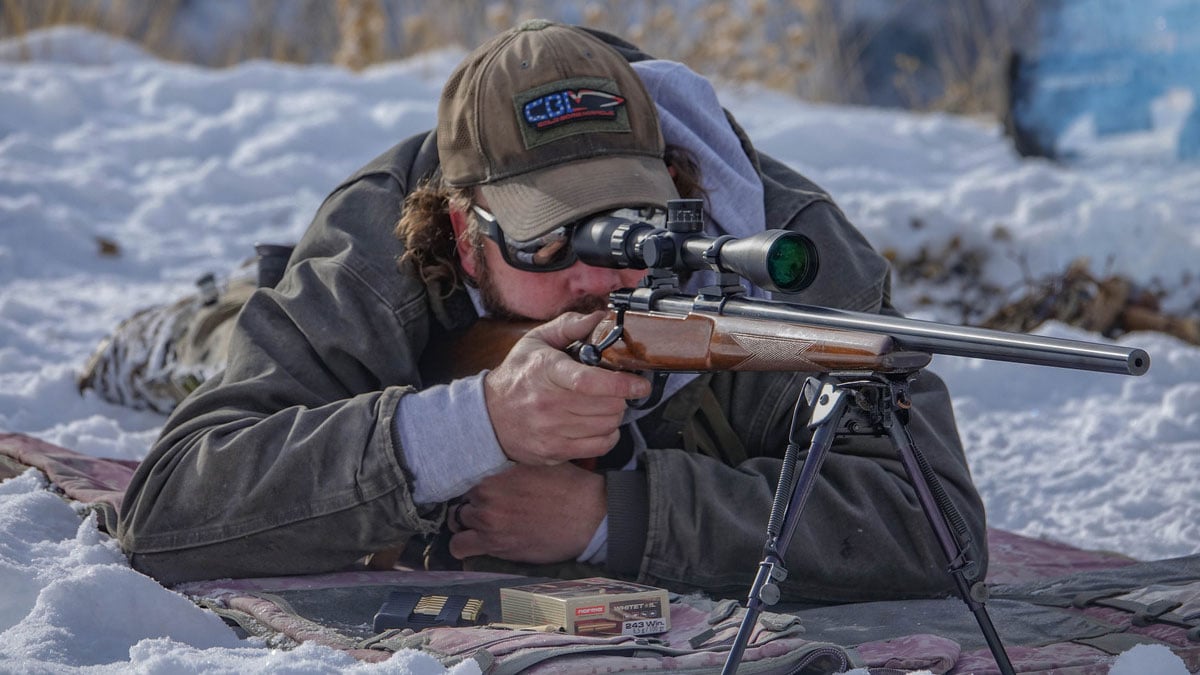
This classic rifle comes with a dark walnut stock, machined finely to fit the barreled action well. Checkering the stock was a common practice, as was the hard buttplate – probably not a comfort issue, though, with a 9-pound .243.
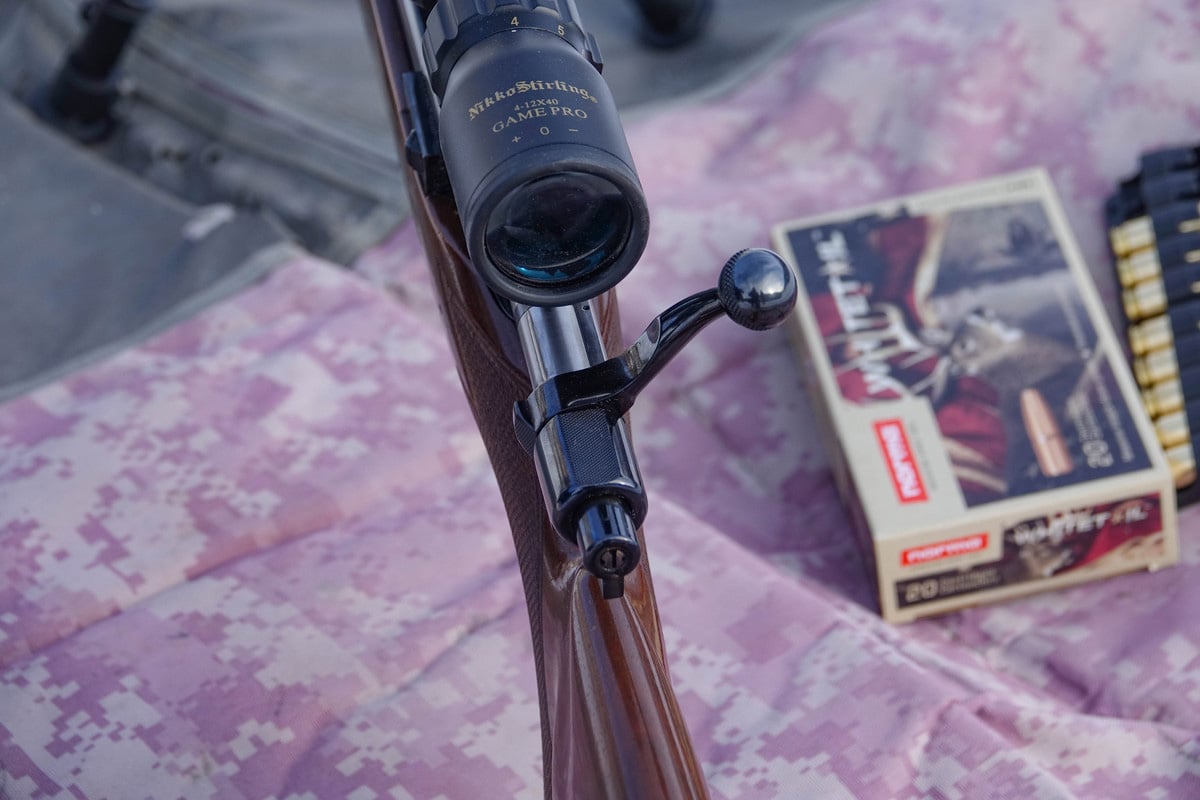
Both the barrel and the action make the L579 interesting. The heavy profile barrel is made from Bofors steel, an oil-hardened steel prone to high durability and strength. Chambered in .243 Winchester with a 1:10 twist, this rifle promises to hammer like only a .243 can.
The L579 action is quite interesting. The bolt body is more petite than anticipated and uses what appears to be a Mauser-type claw extractor, but instead uses the Sako extractor cut into the side of the bolt head.
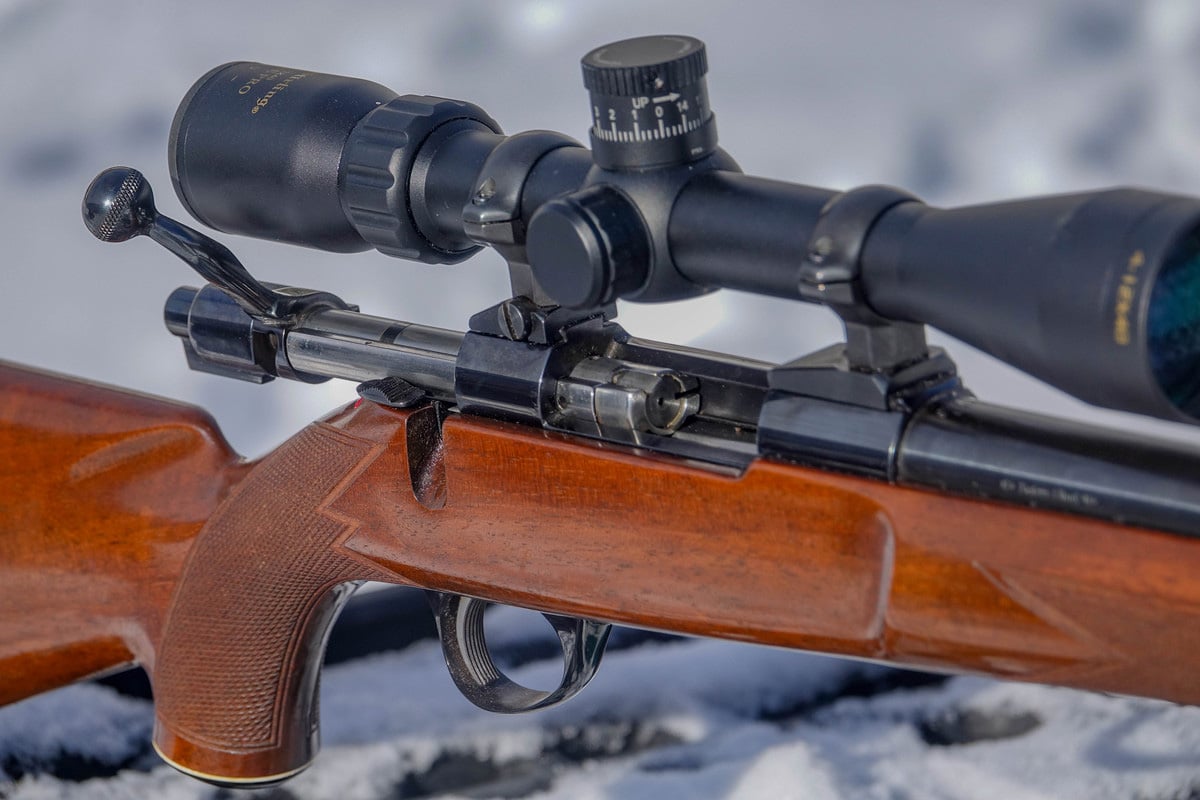
The safety is located on the right side of the bolt shroud, and opposite the safety is the bolt stop to remove the bolt. Underneath the action itself is the hinged floorplate.
Range Prep
First up, this Sako was going to need a scope. My inventory of 1-inch tube riflescopes is dwindling, and the rifle had come with rings mounted. So, I grabbed the first decent scope I could, which was an inexpensive Nikko Stirling 4-12X40.
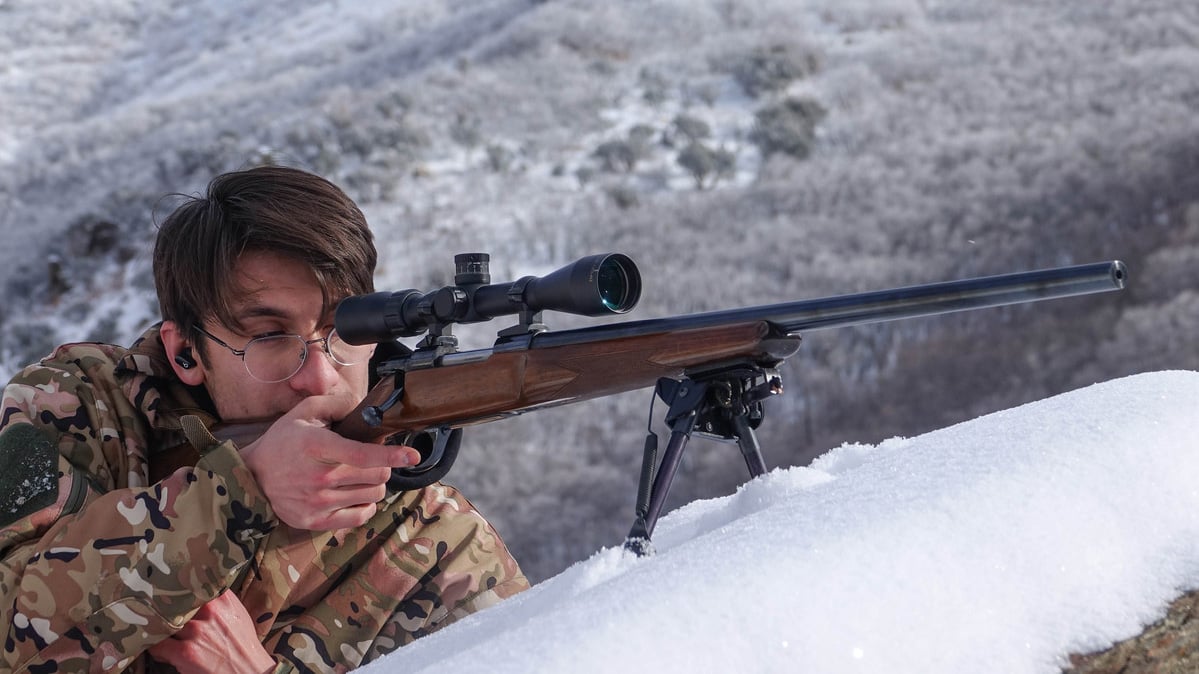
After tightening up the rings, I pulled the bolt from the rifle to do a quick boresight job. Then I grabbed a Harris bipod to attach to the front sling stud to use as support while shooting. With all my gear in tow, I swung by the local ammo hub and grabbed a few boxes of Norma Whitetail 100-grain ammunition, which was all they had.
Shooting the Sako
In typical fashion, I retreated with the sturdy Sako into the frozen Rocky Mountains nearby. I’d much rather test the rifle in real conditions. With a target set up at 110 yards, I lay prone with the rifle and stuffed three rounds into the magazine.

Let me take a moment to say how classy these Sako actions are. Running cartridges through the action was as smooth as could be. Extraction and ejection are fluid and fast. Furthermore, the L579 gives you incredible control of ejection. If you are in a hurry to reload, slamming the bolt back sends the spent case clear. If you are target shooting like I was, a slow pull leaves the spent case sitting right in the action port to remove by hand.
The older standard barrel twist does limit it to the traditional bullet sizes and weights; if it had a 1:7.5 twist it would be a monster. Shooting modern heavy 6mm bullets at incredible speeds would push the distance envelope of this rifle significantly. Even as it is, there isn’t a coyote safe inside 600 yards.

The trigger in the L579 is fantastic: a single stage that breaks clean and reliably. Like everything else with this rifle, there is a high-quality feel to every moving part. I believe the smaller shank of the bolt reduces the amount of friction when it is pushed fore and aft. This is likely part of why the bolt runs so smoothly.
Accuracy
Adjusting for point of impact was quick, and I was soon shooting a few patterns to see how the rifle shot. On average, the Norma Whitetail ammo produced three-shot groups just under an inch – nothing too exciting.

I also shot some hand-loaded Hornady 75-grain Vmax, which performed better, with groups averaging around .5 MOA. The 100-grain ammunition is designed for animals like deer and antelope, for which it would perform well. The 75-grain Vmax, on the other hand, would be devastating on coyotes, groundhogs, and other varmints.
This gun was built for smacking coyotes and light big game animals, based on the cartridge. I think for those purposes it would shine; I would certainly feel adequate hunting mule deer in these steep Rocky Mountain canyons. And with the legendary Sako quality and performance, I could do it with class.
Pros & Cons
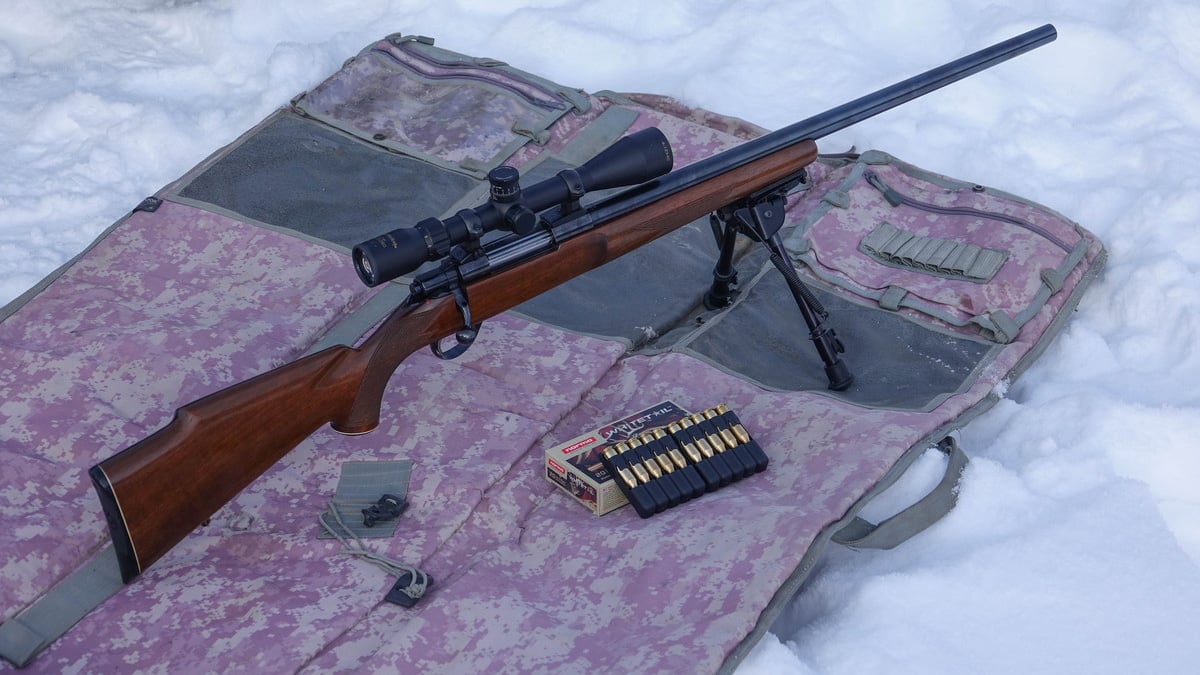
I’ll preface this by saying I have a slightly different taste in firearms, but I cannot deny the great things about the Sako L579 Forester. The action design and function are as good as they come; the smooth operation is pure elegance. The heavy Bofors barrel shoots accurately, likely aided by the great trigger.
The only things I could hold against the rifle are these: it is heavy for what it is, as the thick barrel adds significant weight to the rifle. That might be an issue if you plan on hiking very far with it, but if you are sitting in a blind calling coyotes, perhaps not so much.

Also, the scope mounting system isn’t as mainstream as I would have liked. Granted, this rifle is from another time, but its limited mounting system left me wishing for a different one. I would have loved to drop a Pic rail on the action to run one of my better scopes. As well as it shoots, I would love to put a better scope on this rifle and terrorize the local coyote population.
Pros:
- Handsome aesthetic and finish
- Super-smooth action
- Excellent design and function
- Great trigger
Cons:
- Heavy at 9 pounds
-
Limited optic mounting system
Final Thoughts
I’ve had the good fortune to shoot several Sako rifles, and I’ve never been let down. Every time, it’s always the same story: a pure class act. Even the things I don’t particularly care for are things I could live with if needed.

The L579 Forester is another example of the excellent craftsmanship from the Sako factory. While it may not be the ideal rifle for me, I have zero doubt that if I had to hunt for the rest of my days using only this rifle, they would be good, successful days.
It makes sense to me now why these older rifles keep their value. Perhaps this one might get re-barreled to a .260 Remington after the bore gets scorched. Let us know which is your favorite Sako in the comments section below!