Brief Walther PP History
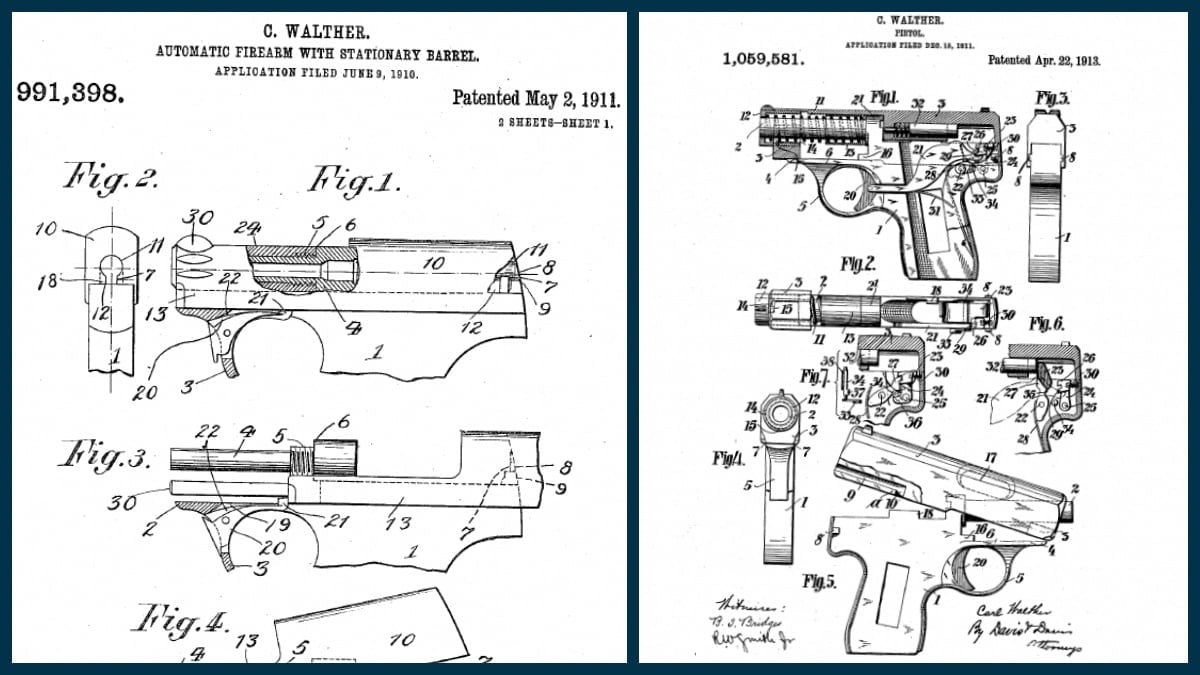
Thanks largely to its popularity among high-ranking German leadership during WWII and the Hollywood success of Ian Fleming's James Bond character, the Walther PPK has stolen much of the attention in pop culture memory. However, it was the slightly larger Walther PP that paved the way.
In fact, the first “Walther PPK” we see on screen with 007 was actually a Walther PP in disguise in the movie “Dr. No.”
Related: Walther PPK Pistol History – Warfighter Turned Movie Star
Walther hammered out the PP design we know today during the interwar years between World War I and World War II. The original target market was primarily law enforcement agencies across Europe, hence the “Polizeipistole” (police pistol) designation.

Walther found limited success for its PP line among law enforcement, with a small number of military contracts boosting those sales. In the end, the smaller PPK that followed the PP design made a bigger splash and captured far more attention over time, partly thanks to its more carry-friendly design.
Still, the Walther PP caught the eyes of numerous post-WWII firearm designers. This spurred a boom in PP-inspired guns after the war. That trend dominated many of the gun designs on the opposite side of the Iron Curtain during the Cold War.
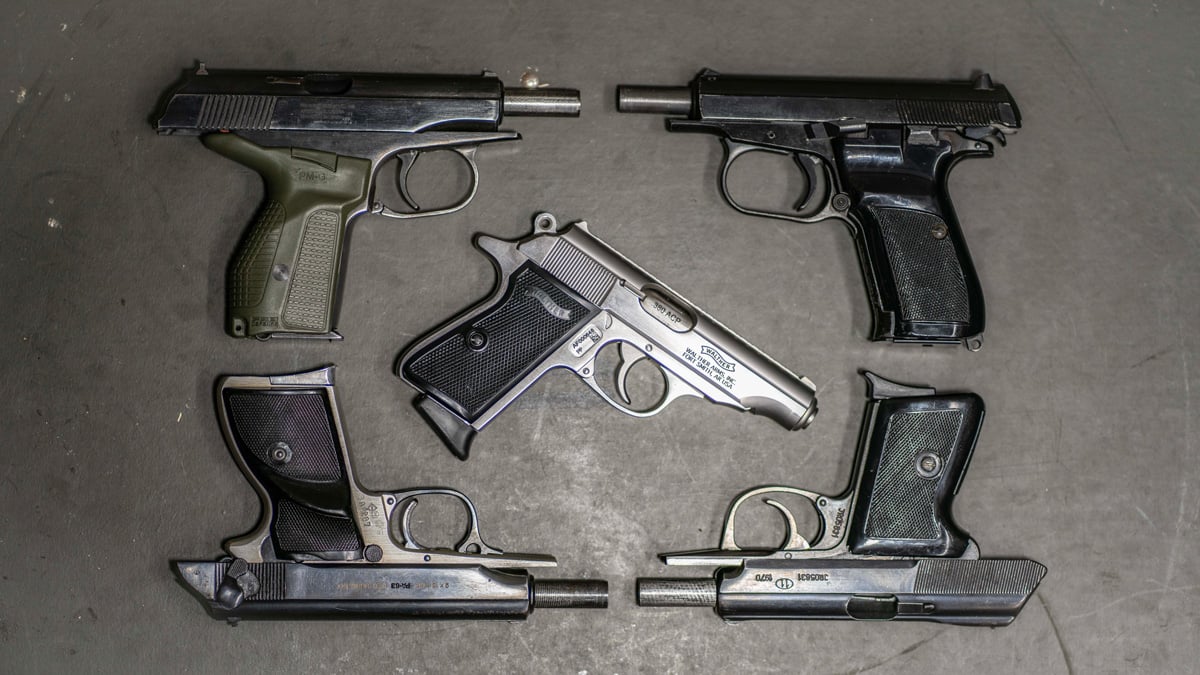
Related: Makarov PM – Russia's Warfighting 'Walther'
Walther’s PP and PPK pistols continued to serve after WWII, again seeing limited success among European law enforcement. Perhaps more importantly, the guns became highly sought-after war trophies among American GIs.
Specs & Features
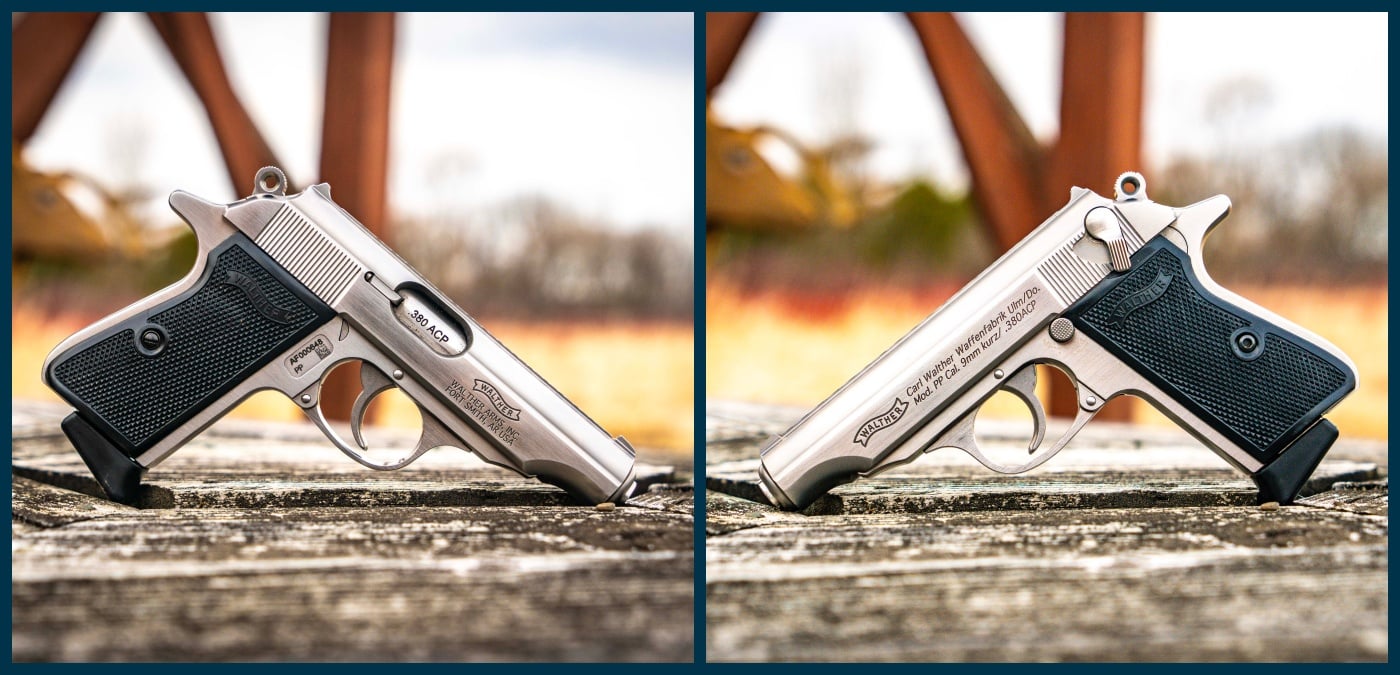
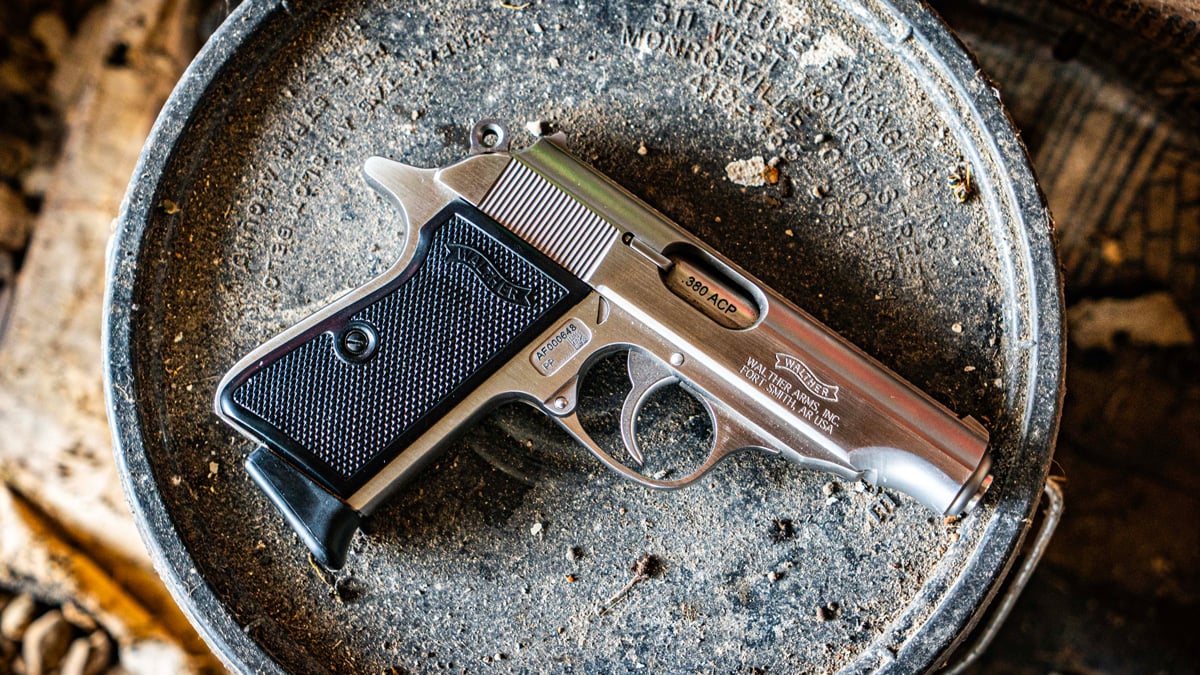
At face value, the Walther PP is a simple hammer-fired, blowback-operated, double-action/single-action pistol that uses a single-stack magazine and features a fixed barrel and decocker/safety.

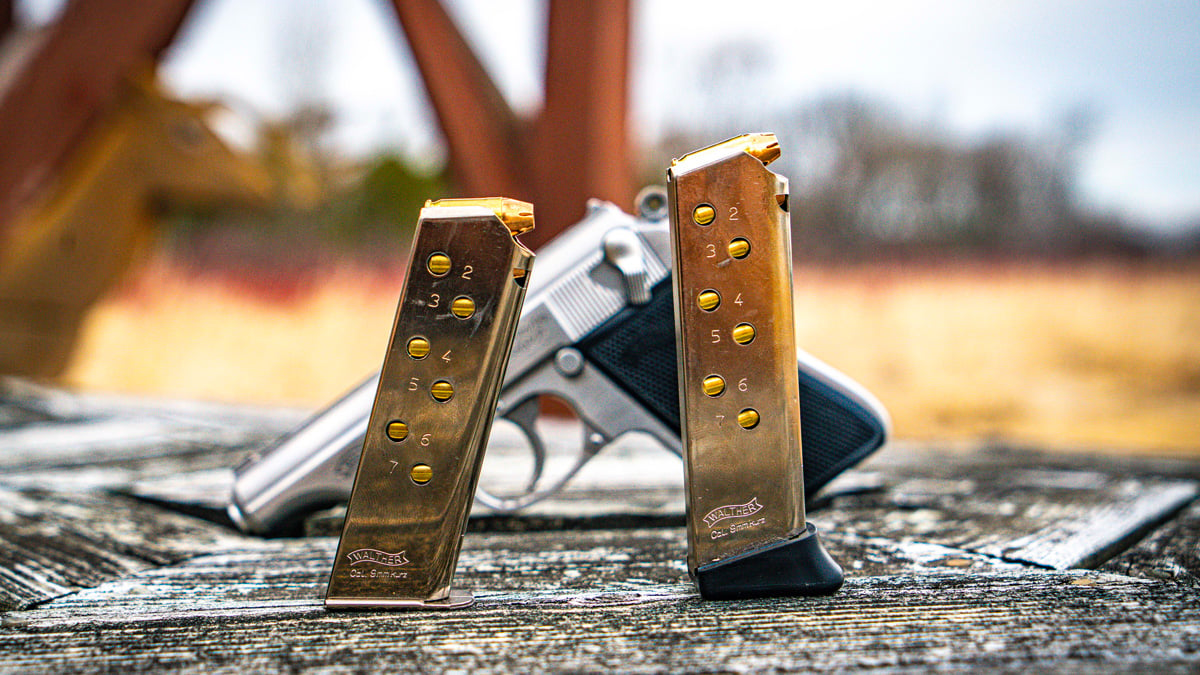
This modern .380 ACP variant from Walther features an American-friendly button magazine release that is not ambidextrous, though some older models wore heel releases as well.
The gun’s dominating feature is the fixed barrel, which serves as the guide for the recoil spring. This blowback, fixed-barrel design offers fine accuracy potential for such a small pistol, but it has some limitations – the main one being long-term recoil survivability with larger handgun calibers.
As a result, common chamberings for the Walther PP family were limited to .25 ACP, .32 ACP, and .380 ACP. Cold War copies like the Makarov PM often ran hotter 9x18mm Makarov – a descendant of the German .380 Ultra – but that round still offered substantially lower pressures than the common 9mm Luger.
Related: Bond Ready – Review of the New Walther PPK in .32 ACP
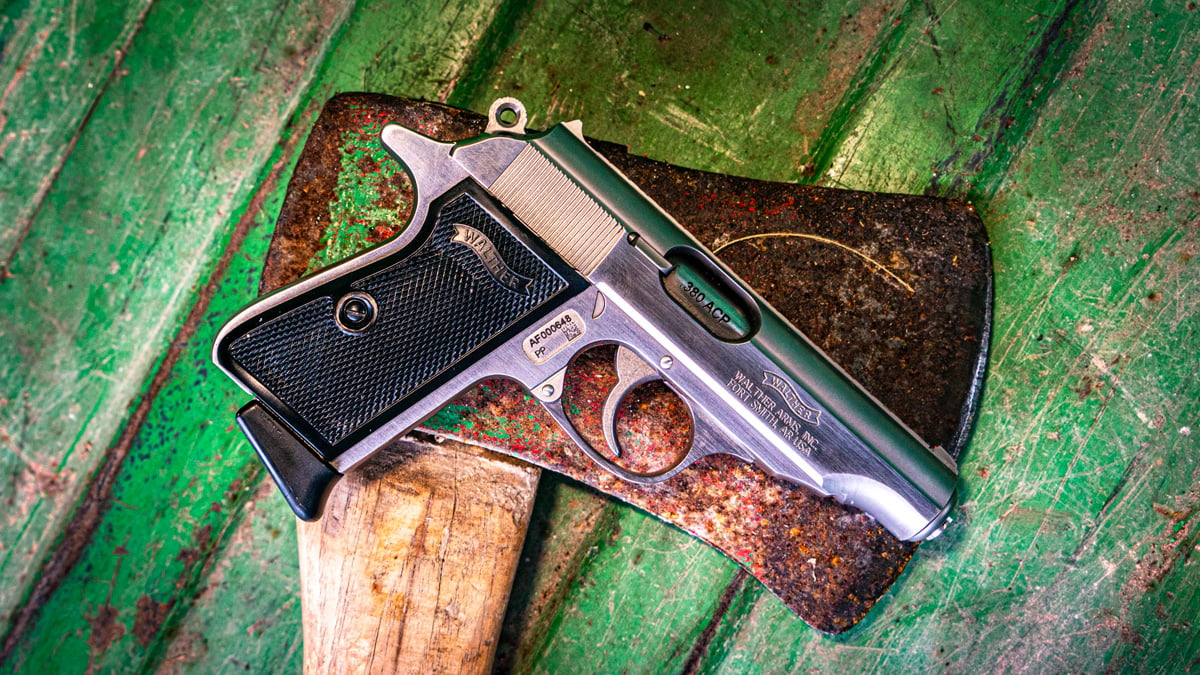
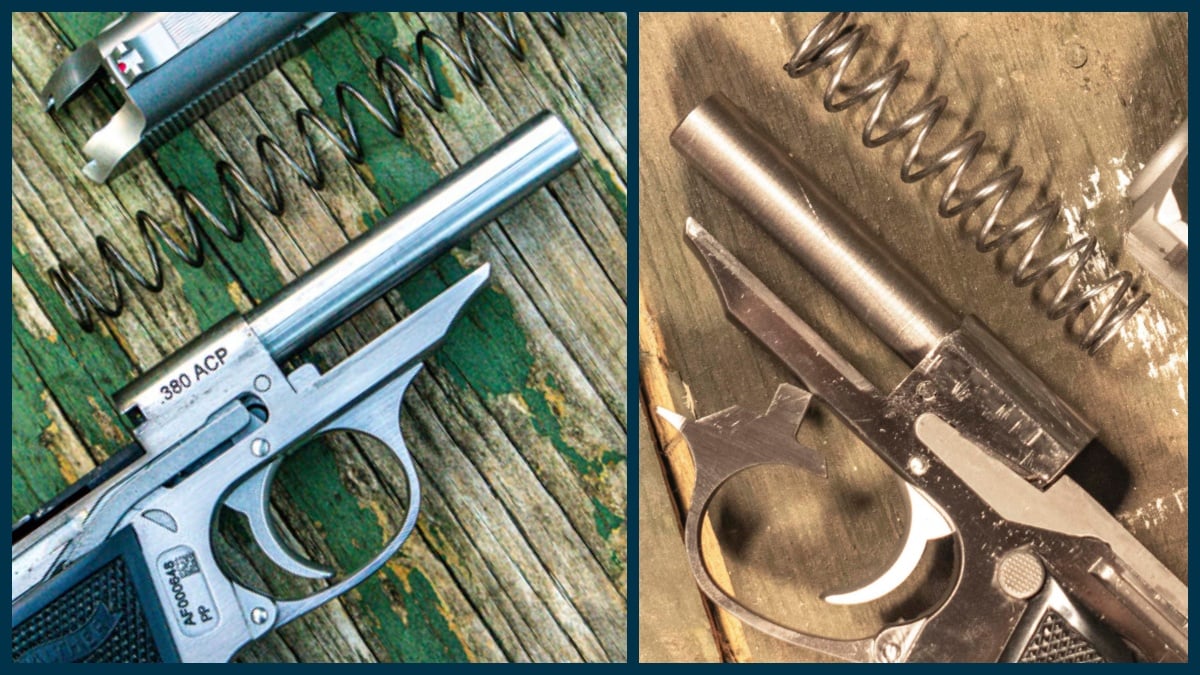
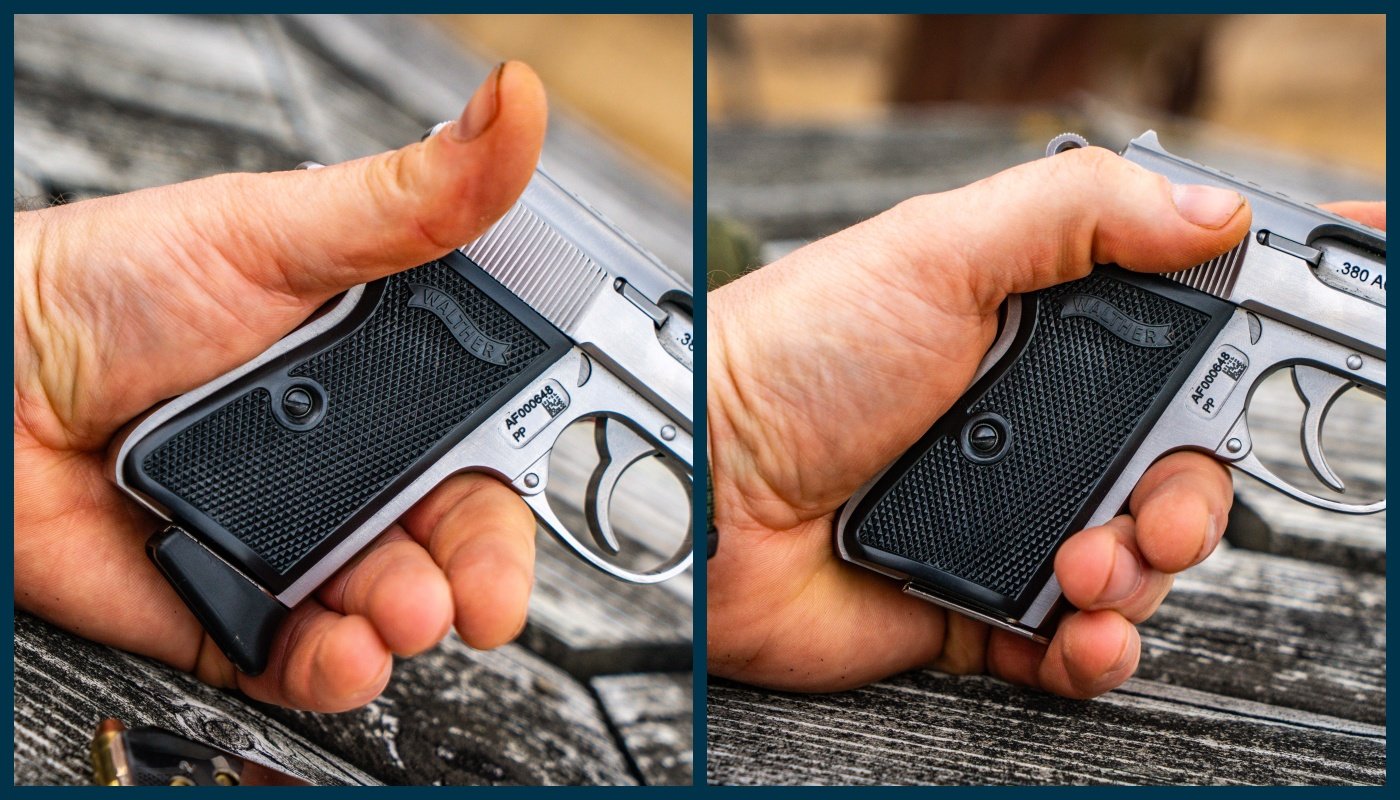
As an all-metal gun, this modern-production Walther PP has a decent heft to it. I personally find it more comfortable in the hand with that weight than ultralight polymer alternatives, but there are some sharp edges at the rear of the slide you’ll want to watch out for while manipulating the gun.
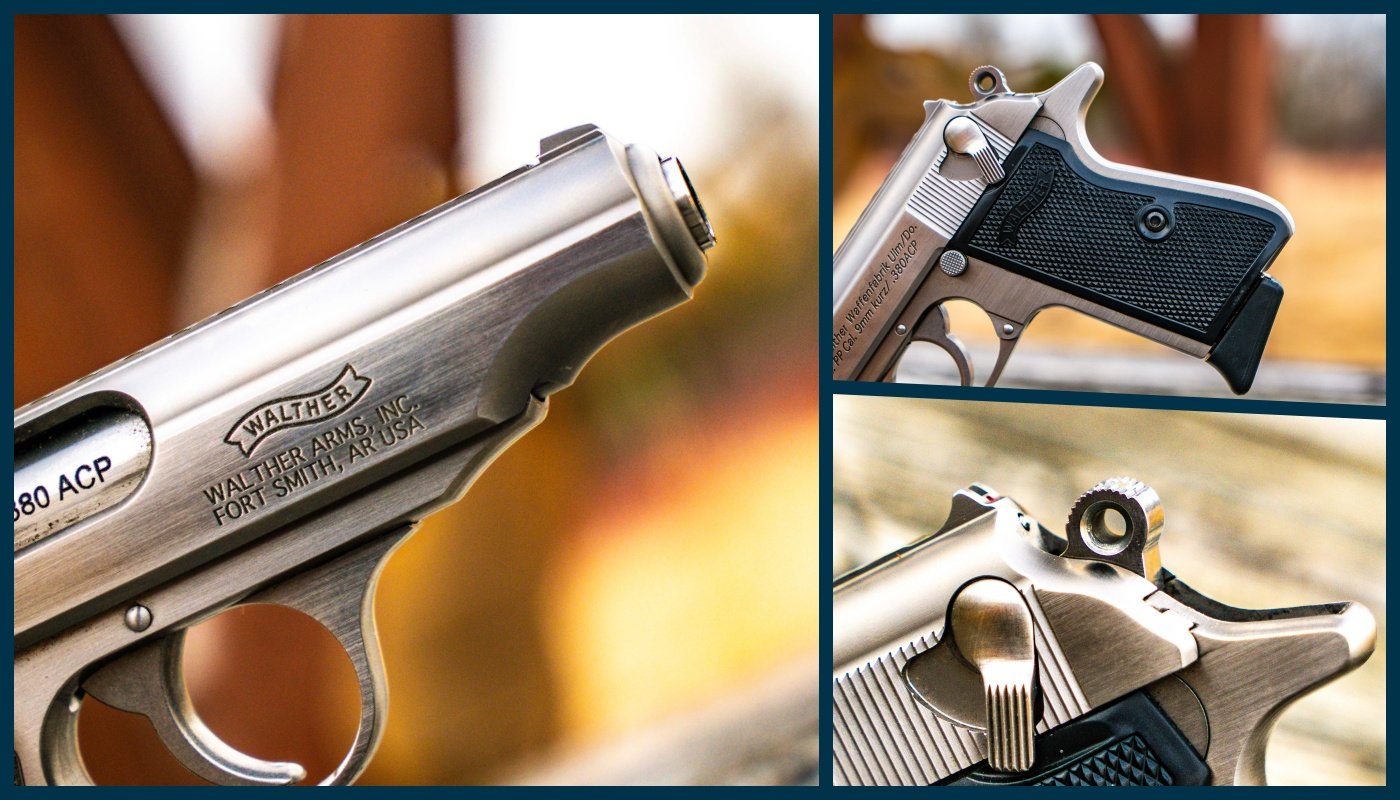
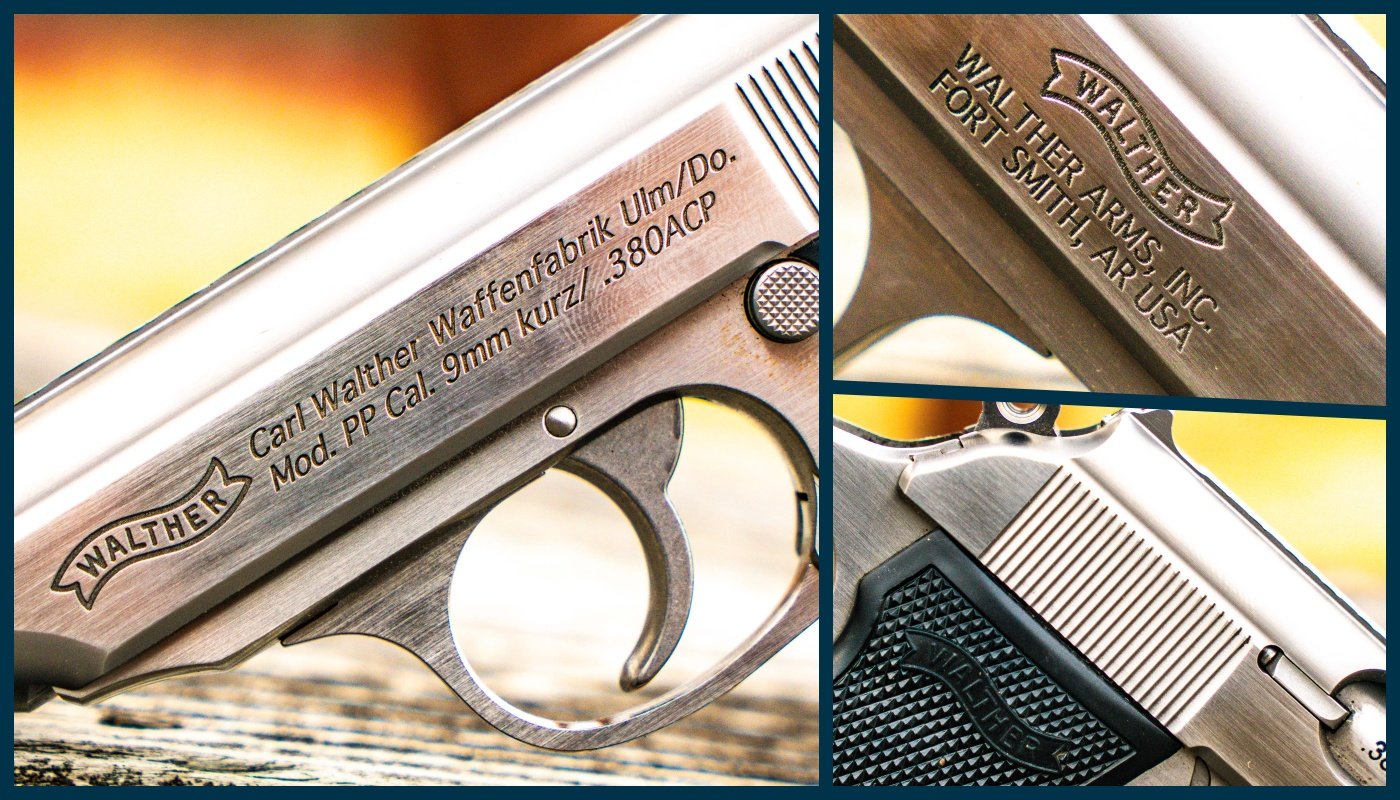
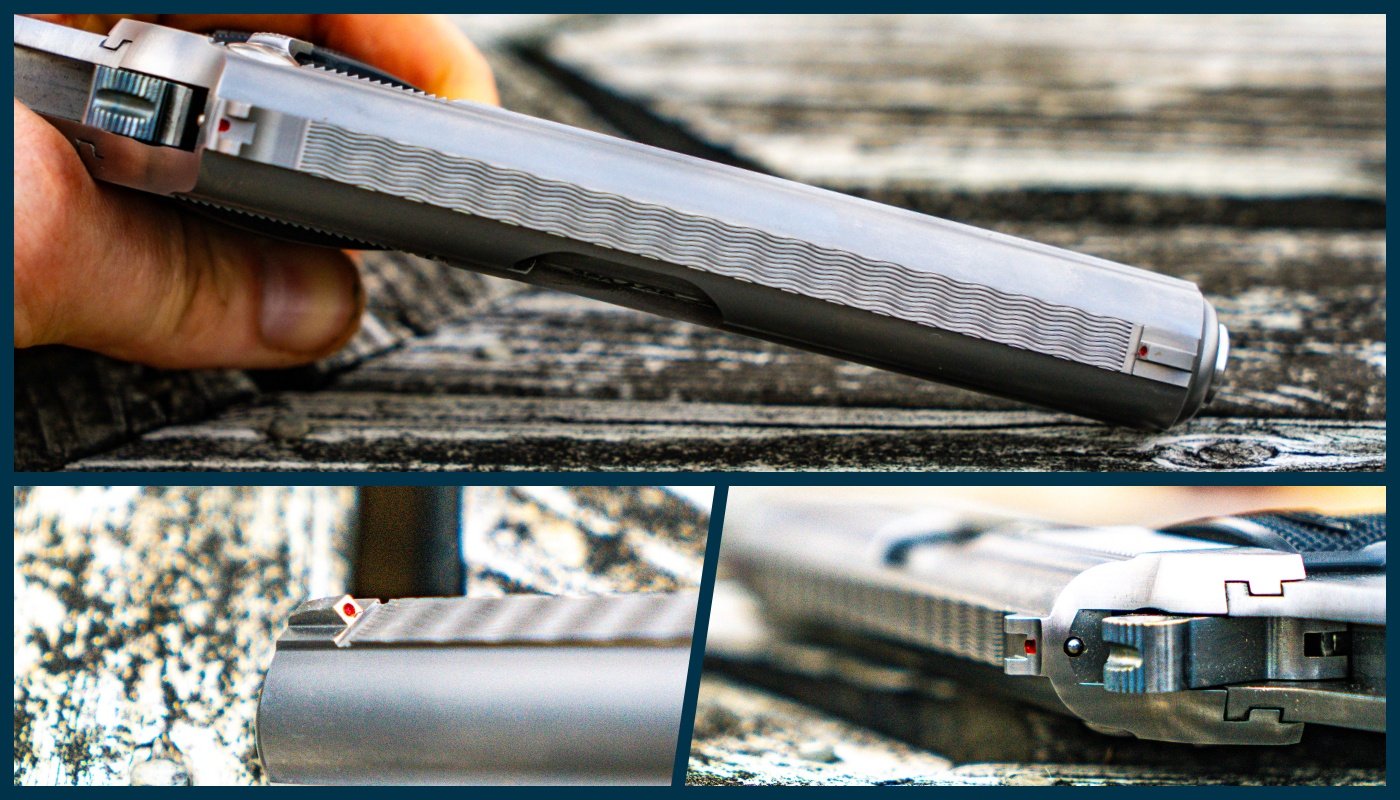
Here’s a quick rundown of the basic specs:
Weight: 1.41 pounds (1.52 with empty mag)
Length: 6.88 inches
Barrel Length: 3.85 inches
Sight Radius: 4.9 inches
Height: 4.25 inches (flush magazine)
Width (Grip): 1.17 inches
Width (Slide): 0.86 inches
Capacity: 7+1
DA Trigger Pull: 12.73 pounds
SA Trigger Pull: 4.63 pounds
The double-action trigger acts as its own sort of safety with a nearly 13-pound pull. It isn’t a long, stacking pull, either. Rather, it’s a matter of overcoming the initial resistance before the hammer draws back, and then the trigger slides more easily to the rear as you finish the movement. It’s fine, but a bit clunky.
Here’s a quick trigger video for a better look:
The initial single-action trigger travel is a smooth but positive pull of just 0.25 inches to get to the wall. There’s another 0.07 inches to that wall, which has a break that feels quicker and crisper than the distance suggests.
At 0.15 inches, the reset is so short I barely noticed it while shooting and never found myself short-stroking the trigger. It is a positive, springy return to the reset, but it’s not overly audible or tactile while on the range.

Related: CZ’s vz. 50 – James Bond's .32 ACP Cold War Alter Ego?
That short reset, combined with the SA trigger pull, makes for a gun that can fire off an aimed follow-up shot very quickly. After the initial heavy DA pull, the SA pull almost feels like it’s a racing trigger.
On that note, let’s jump into how this gun performed on the range.
Shooting: Accuracy & Ballistics

The Walther PP fills my hand well and has enough weight to help mitigate recoil. It’s still a tad snappy, but I found I can reliably drain an entire magazine one-handed without an issues or discomfort.
You will burn through those seven-round mags fast with the gun’s single-action trigger, so be mindful of that. It’s not a bad thing, though, because those quick follow-up shots after the heavy 12.73 double-action pull are easy enough to keep on target.
Related: S&W Walther PPK/s .380 ACP Review – Obsolete or Carry Gem?
Here are my targets after my first extended range outing last winter, which was a toasty 26 degrees Fahrenheit:


I’m generally a fan of the ergonomics on Walther pistols. Heck, even the old P38 of WWII fame shot well for me in the past. For an all-metal throwback design, the Walther PP still feels like a natural pointer for me on the range.
Related: Walther P38 Review – Germany’s True WWII Powerhouse Pistol
That pointability showed as I pushed my targets farther downrange.


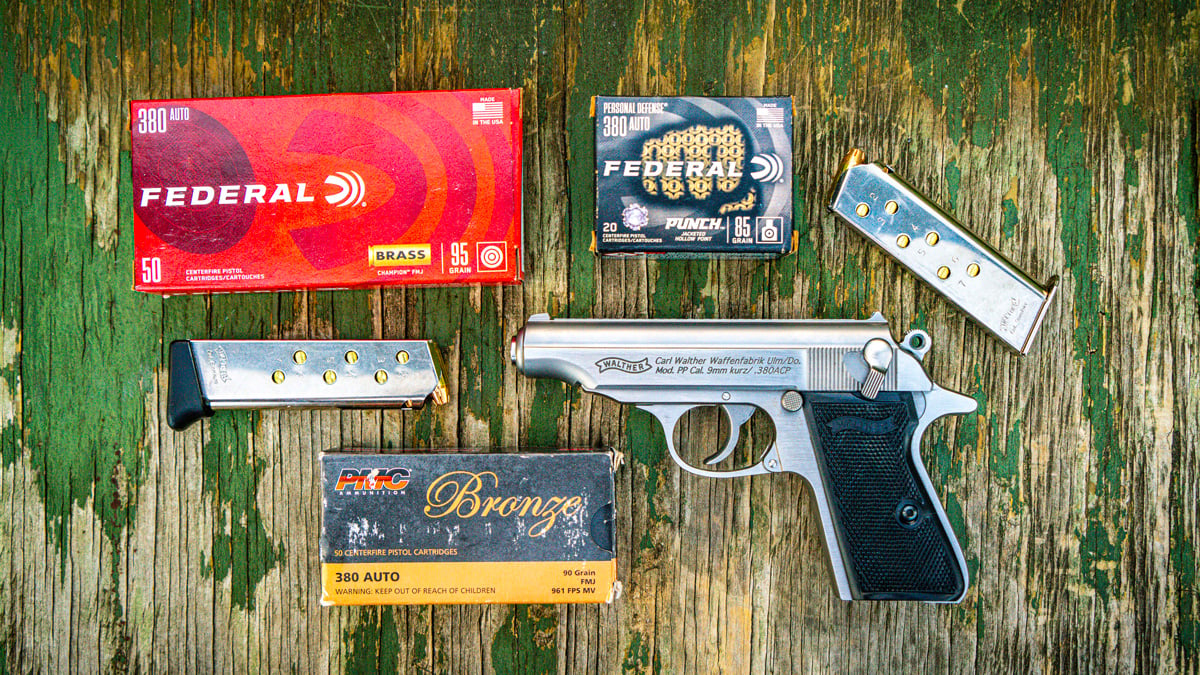
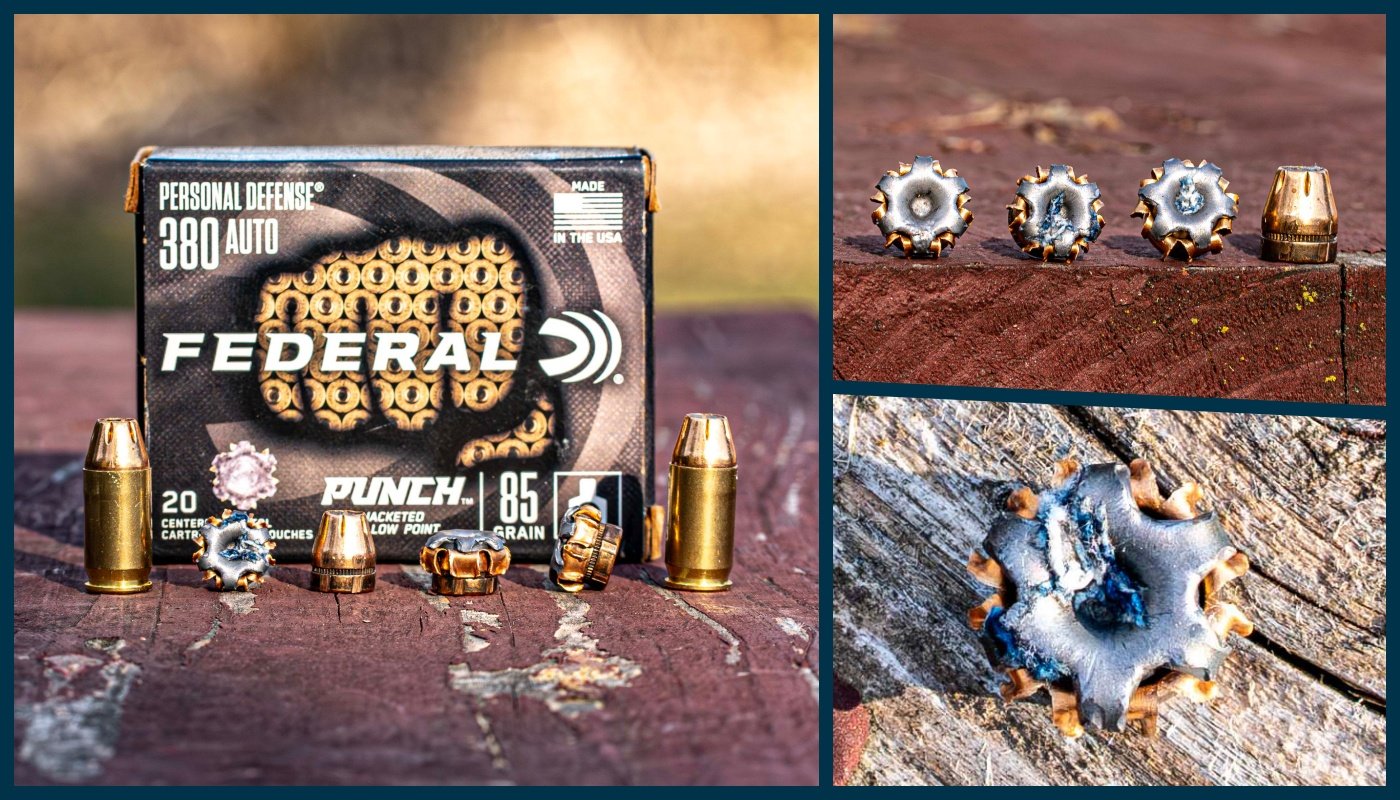
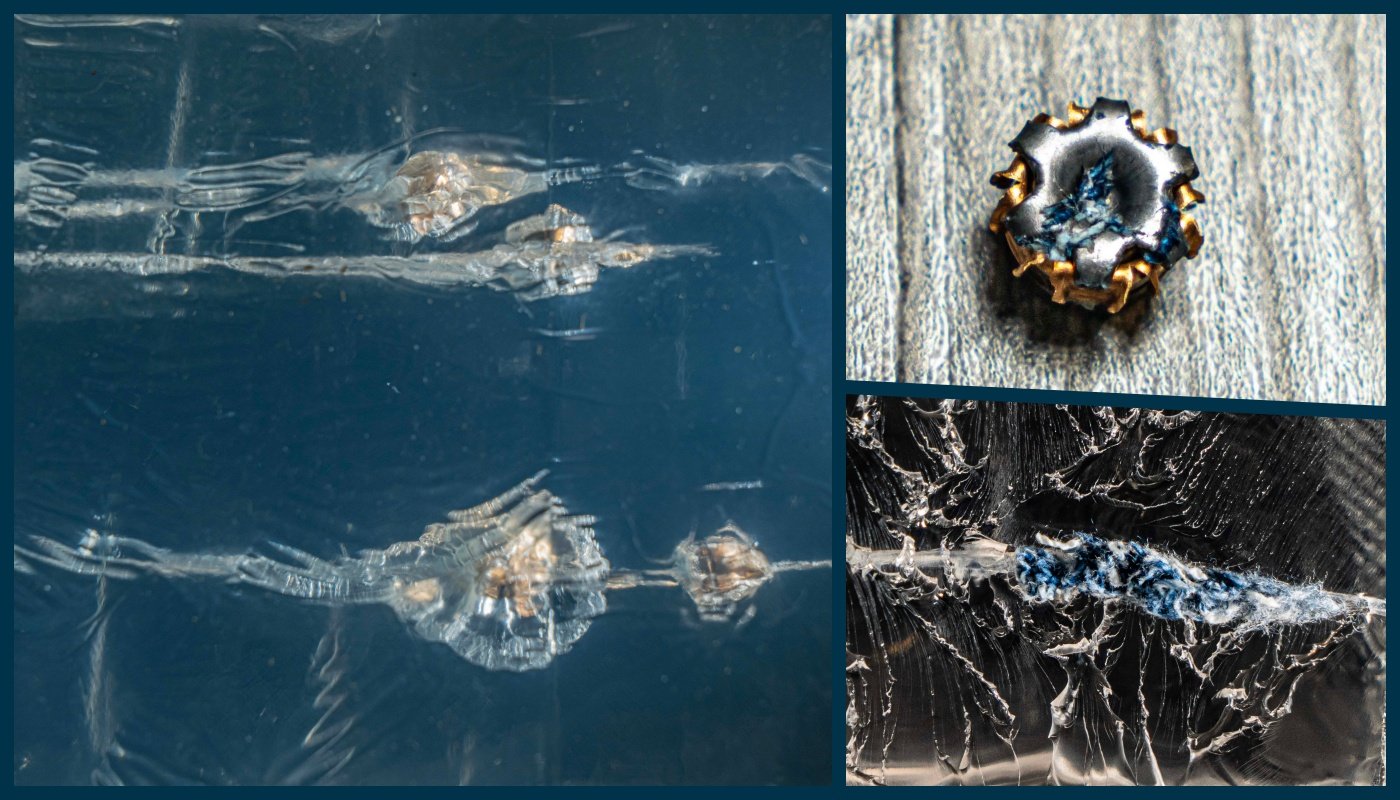
For self-defense needs, the Walther PP is well within my comfort zone for shootability. Reliability was solid over 560 rounds of testing, with one caveat. I had no malfunctions after 300 rounds of 95-grain Federal FMJ. Similarly, I had zero issues with 60 rounds (i.e., three boxes) of 85-grain Federal Punch hollow-point ammo.
I also had zero issues with 100 rounds of 95-grain Speer Lawman FMJ. However, in what has been a bit of a trend with some budget ammo regardless of firearm lately, I stumbled into seven light primer strikes and two failures to extract over 100 rounds of 90-grain PMC Bronze FMJ.
Lingering primer issues from recent shortages may be to blame, but it just goes to show that you need to test your go-to carry ammo regardless. If you find one that you love, buy extra from the same lot numbers to be sure you’re set.
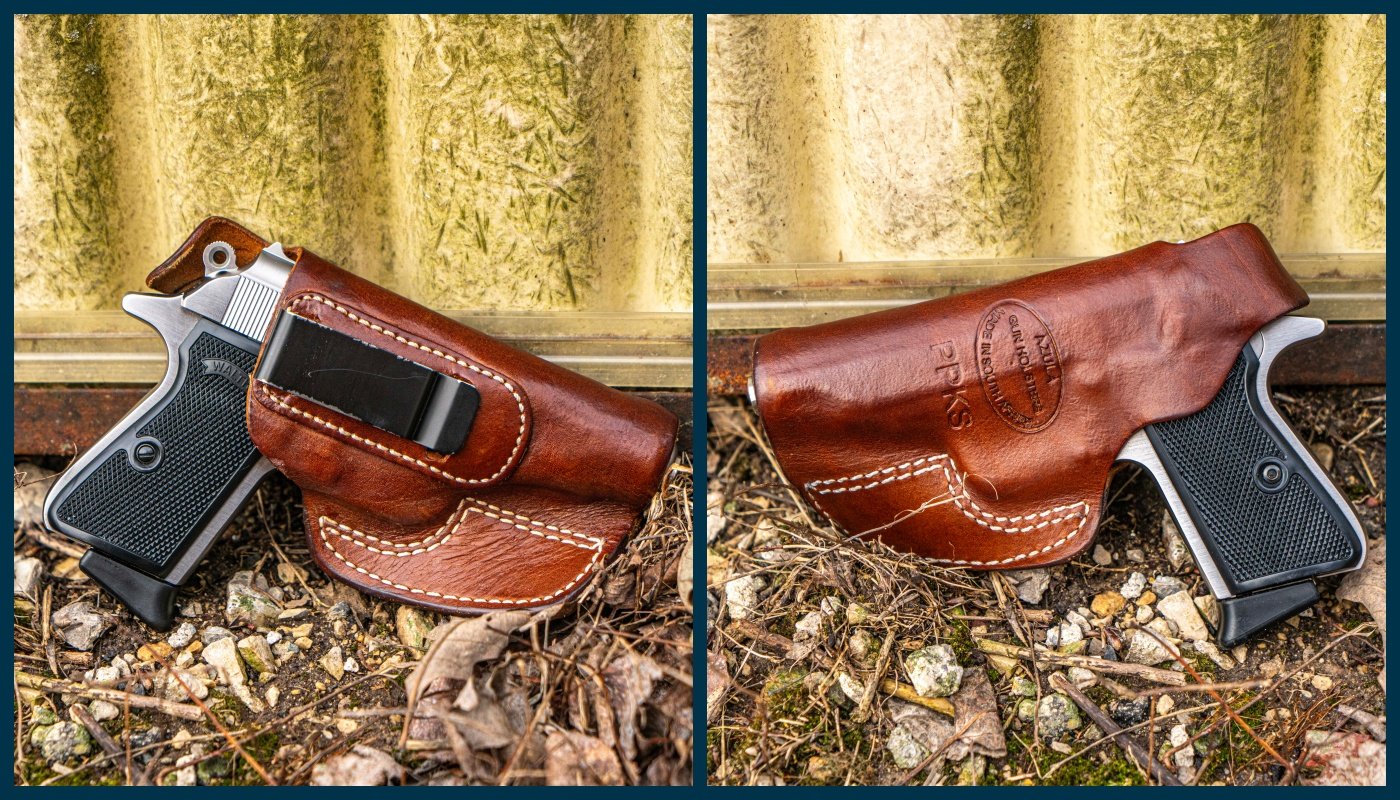
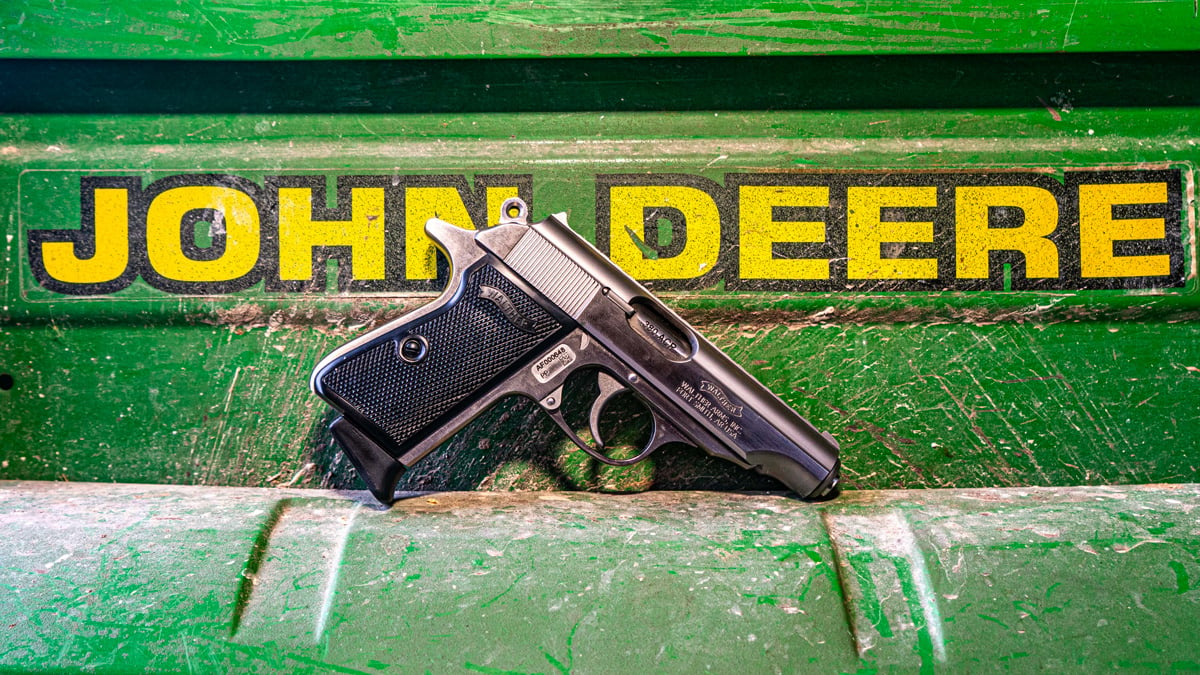
Overall, with the right ammo, the Walther PP has plenty of self-defense chops for a design that is now approaching 100 years old.
Pros & Cons
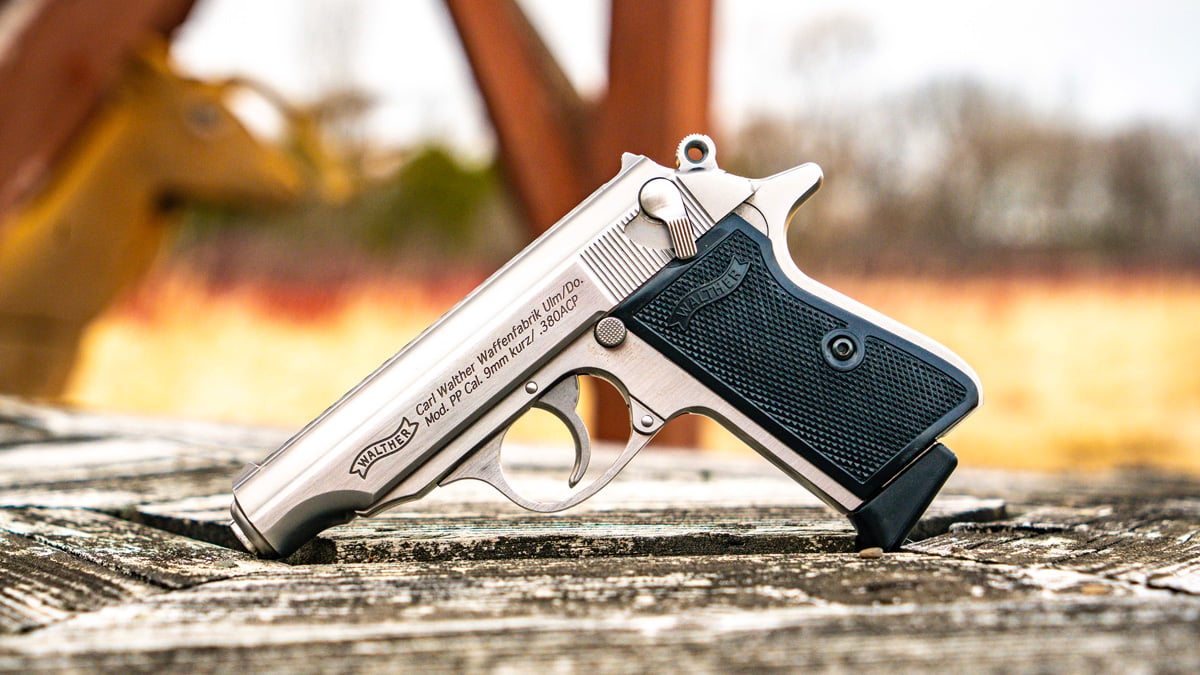
Here’s my short list of the pros and cons for Walther’s re-release of the PP pistol:
Pros:
- Classic design with classy looks
- Good ergonomics and DA/SA trigger
- Reliable, with the right ammo
- Threaded barrel options are available
- Sights are easy to pick up and use
- Stainless finish shows no sign of wear so far
- Plenty accurate
Cons:
- Heavy at 1.41 pounds for its 7+1 capacity
- Non-adjustable, milled sights
- 7+1 capacity is low by modern standards
-
Heavy double-action trigger
Final Thoughts
The Walther PP gets overlooked a lot because of the red-carpet resume of its hip relative, the PPK. Yet, having gotten my hands on this classic, I find that I prefer the ever-so-slightly larger Walther PP.
That extra length adds just a bit to the sight radius and barrel length. It’s a small addition that gives the gun a uniquely vintage profile and, for me, leads to a more enjoyable shooting and carrying experience.
Your tastes may be different. Luckily, Walther has plenty of PPK options for fans of the shorty. As for me, I’m wondering if my budget has space for another classic blowback pistol that I could add to my collection.