I am a staunch believer in the biblical adage that there is nothing new under the sun, and that is especially true in the world of firearms. The 6.5x55mm Swedish cartridge endured about 110 years of successful existence just to be usurped by its modern reinvention: the 6.5 Creedmoor. Let’s look at the similarities and differences between the two cartridges and shine some light on the reason for the 6.5 Creedmoor’s introduction.
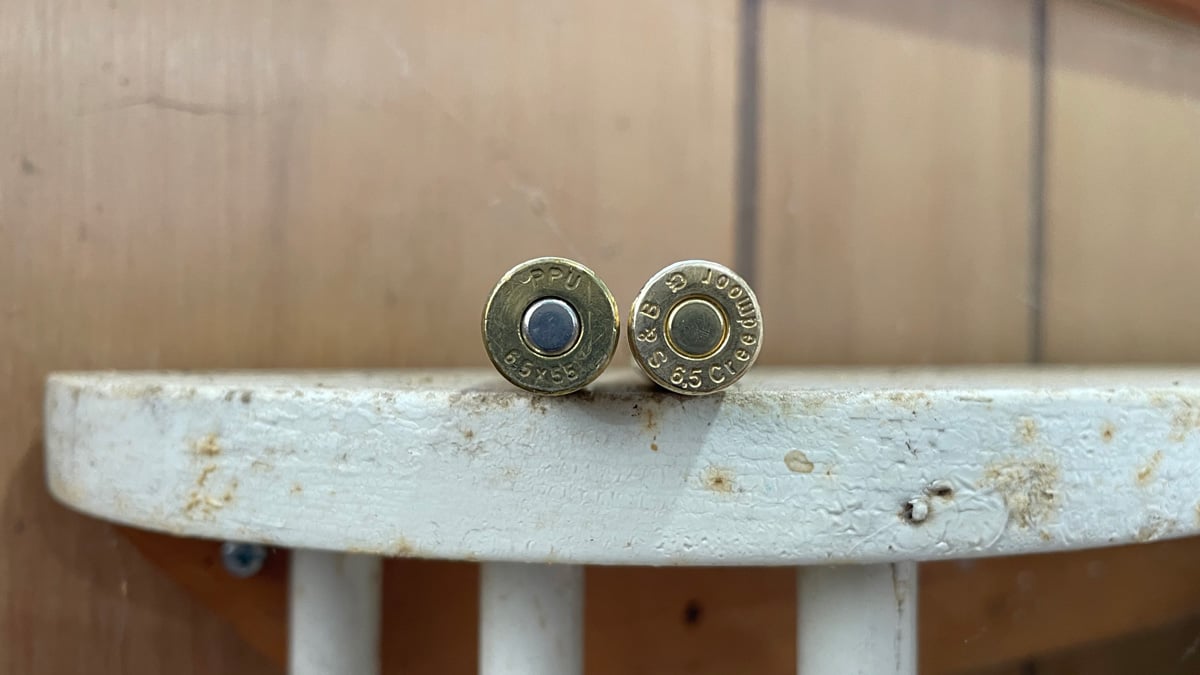
First off, I will admit that as an avid lover of military surplus rifles, I was hyper-annoyed when 6.5 Creedmoor was introduced. Just when the caliber was really gaining traction, I was working behind a Cabela’s gun counter. I would hear discussions about the new “miracle caliber” with crazy ballistics, the likes of which the gun world had never seen. The only problem was, I had a Husqvarna-built M38 Swedish Mauser chambered in 6.5x55 Swedish at my house that would beg to differ.
Table of Contents
Trending: The 6.5 Caliber
6.5x55mm Swedish
6.5 Creedmoor
In Comparison
On the Range
In Conclusion
Trending: The 6.5 Caliber
There is a trend in the firearms industry of certain concepts being revised and brought back. I recently discussed that phenomenon with the adoption of the .277 Fury round, considering that the U.S. military laughed off the .280 British cartridge 70 years ago.
Most things in the gun world just seem to be cyclical, and the 6.5 caliber feels like another one of those things. In fact, this is not the first time that the 6.5 caliber has seen a bump in popularity.
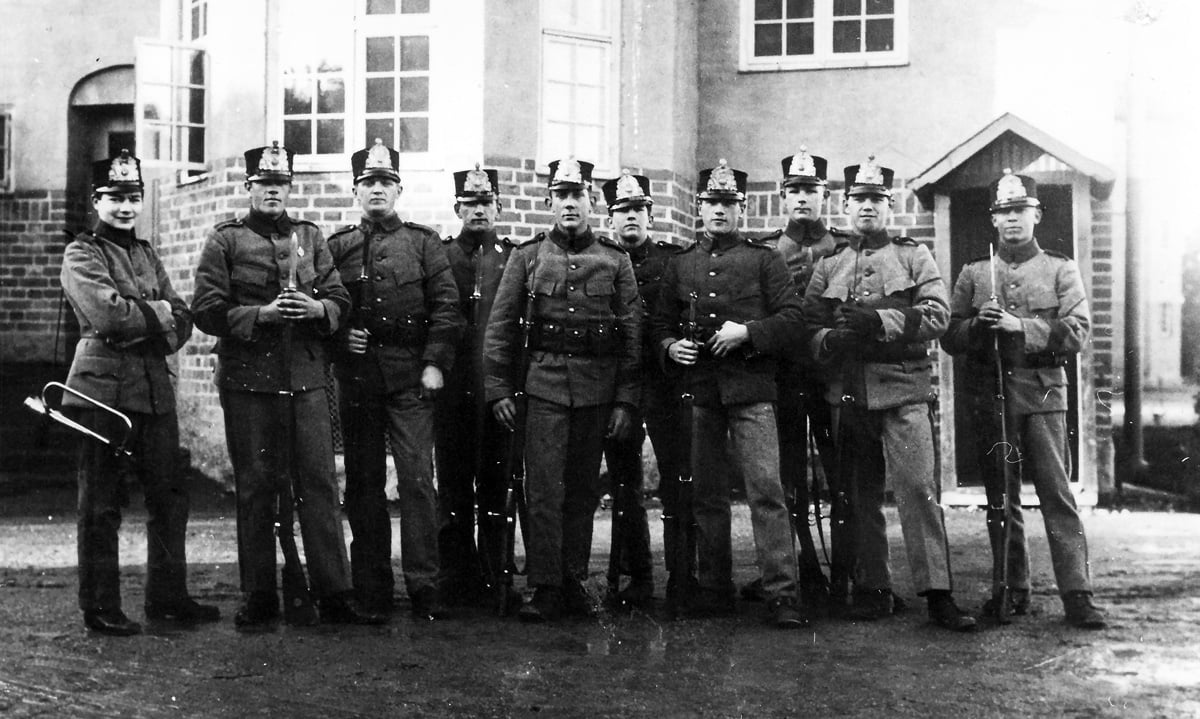
Prior to World War I, the 6.5 found itself in major military service with the 6.5 Carcano, 6.5 Arisaka, 6.5 Mannlicher-Shönauer, 6.5x57mmR Mauser, and the 6.5 Swede. During the early part of the 20th century, almost all those rounds were deemed too small for effective use and replaced with bigger bullet diameters. That is, all except for the 6.5 Swede, as it was introduced in 1894 and continued its military service until 1995.

Now, well over 100 years after World War I, the 6.5 caliber is gaining popularity again. Both 6.5 Swede and 6.5 Creedmoor have established themselves in different markets, with large fan bases in their own respect. So, what characteristics have kept the 6.5 round relevant? First, we must look at each round individually.
6.5x55mm Swedish

The 6.5x55mm Swedish cartridge is a soft-recoiling, full-sized rifle cartridge that enjoys a high ballistic coefficient. That basically means the shape and body of the round more efficiently overcome air resistance in flight, helping the round to lose less velocity at distance. The incredible ballistics led to Swedish Mausers being considered some of the most accurate military Mauser rifles to be mass-produced.
Related: Historic Arms – The Swedish Mausers in 6.5x55mm Were the Crown Jewels of Europe
Outside of military service, the 6.5 Swede cartridge is still extremely popular in the European hunting community. In fact, the NRA’s American Hunter publication lists the cartridge as the most popular choice for hunters across the pond.
6.5 Creedmoor
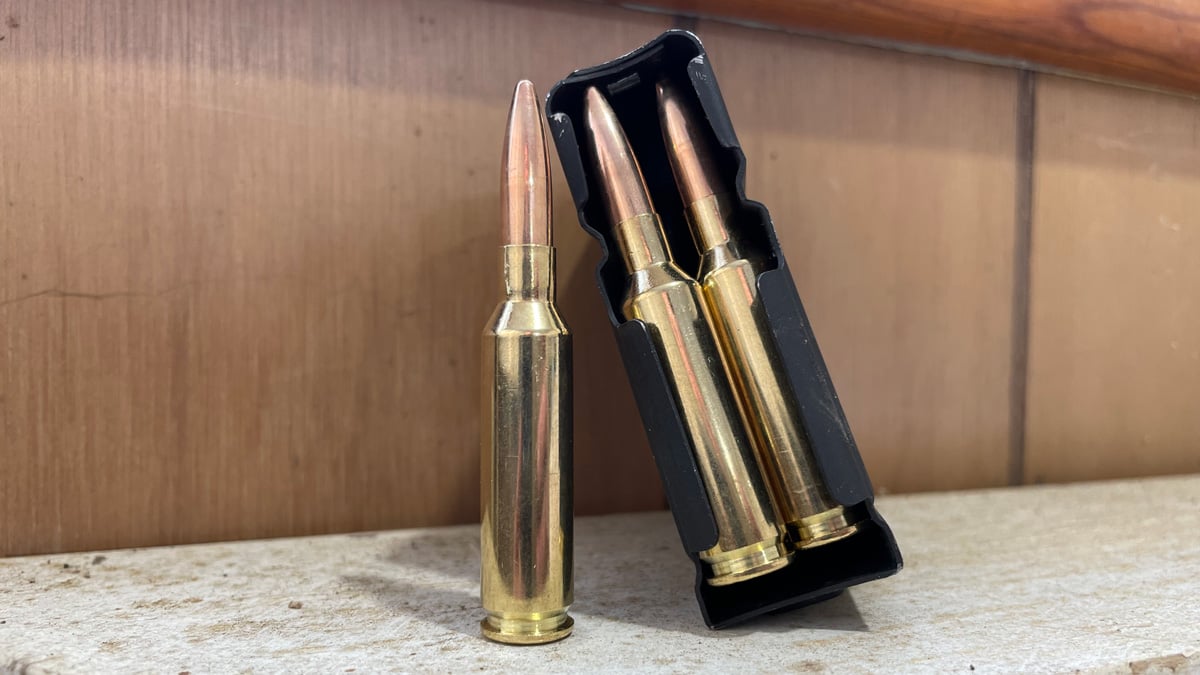
The 6.5 Creedmoor cartridge was introduced by Hornady in conjunction with Creedmoor Shooting Sports in 2007 as a long-distance target round. Hornady is known for extensive work in advancing ballistic technology with state-of-the-art engineers and production, pushing the company to be one of the top ammunition manufacturers in the world. The 6.5 Creedmoor would become a wonder child for the brand, as it soared in popularity during the 2010s.
Related: Love it or Loathe It – All About the 6.5 Creedmoor Round
The round often finds itself in the same rifle footprint as the .308 Winchester but offering a much higher ballistic coefficient than the 7.62mm American cartridge. The objective of the 6.5 Creedmoor was to offer a round that could easily be pushed to 1,000 yards accurately, out of the same pattern rifles as the .308 Win.
In Comparison
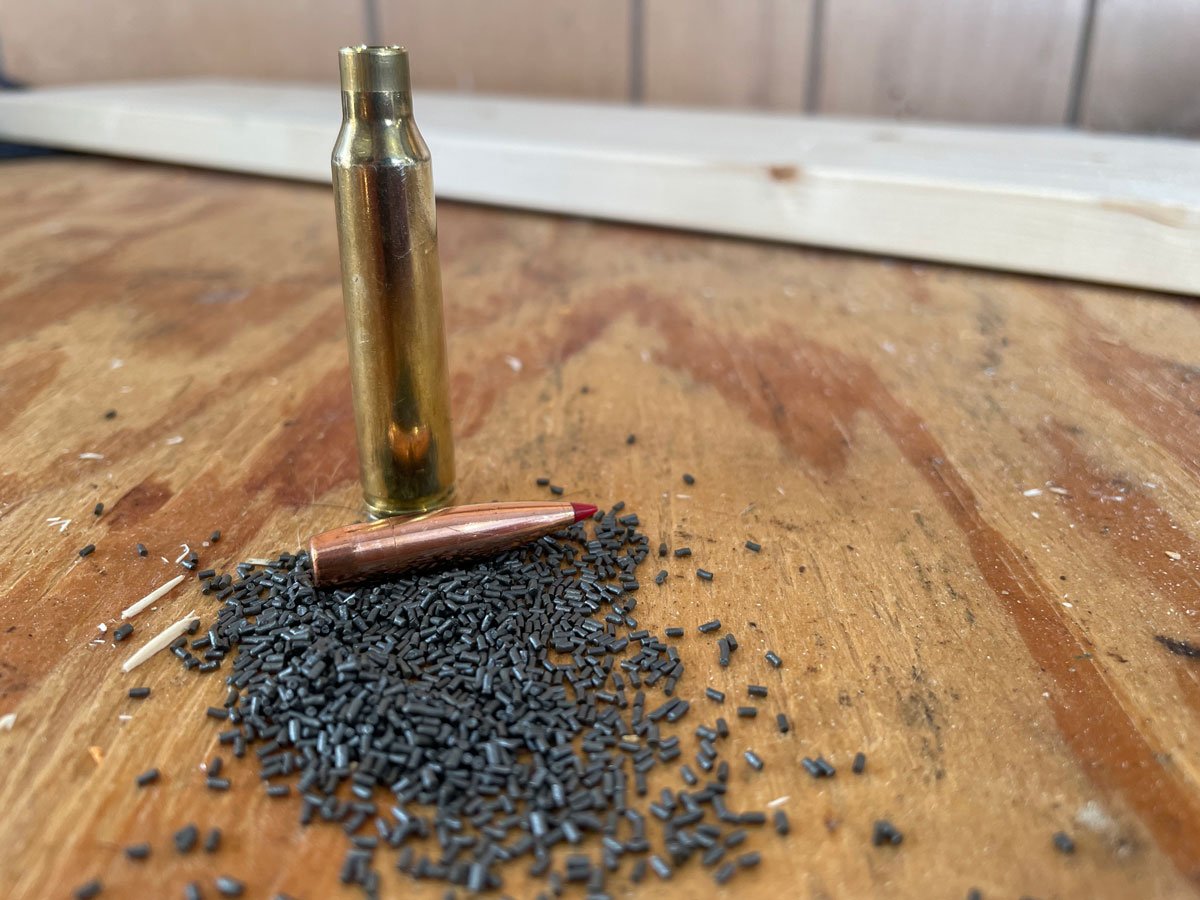
From a ballistics standpoint, the calibers perform with negligible differences. Without getting too deep into ballistics charts, the standard 140-grain projectile in both cases (pun intended), zips at around 2,700 FPS, producing around 2,200 foot-pounds of energy. There are slight differences, but in a grand generalization, the rounds perform at a very similar pace.

Now, you can say that the 6.5 Creedmoor is more efficient than the 6.5 Swede, as the caliber is able to achieve the same performance in a smaller casing capacity (3.75 cubic centimeters vs 3.4 cubic centimeters.) This is also a reason why the 6.5 Creedmoor has gained such popularity over the 6.5 Swede in the United States, considering the round fits in platforms such as the AR-10, which its Swedish counterpart does not.


The size comparison between the two rounds is a tad similar to the switch between .30-06 Springfield to .308 Winchester. The smaller, more efficient, cartridge becoming more popular over the larger and older rifle caliber.
Related: The concrete truth behind .308, 6.5 Creedmoor (VIDEO)
On the Range
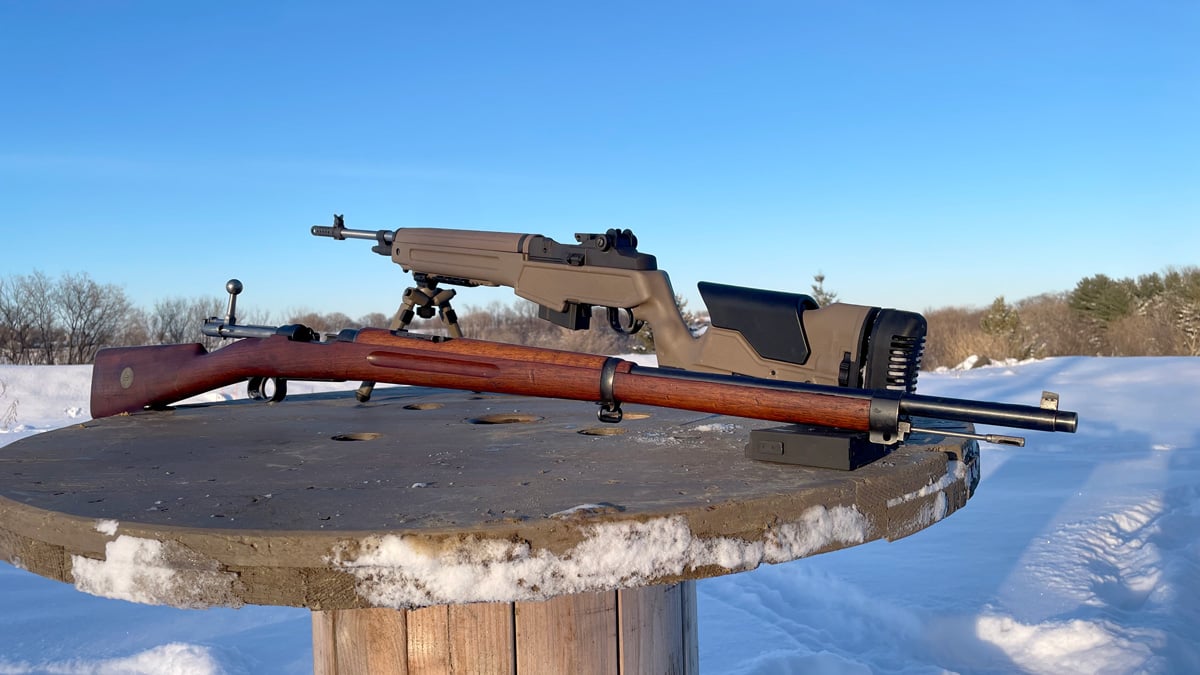
The only real way to compare the two cartridges is on the range. This was a true old-versus-new battle, as my 1905 Carl Gustafson Stads Swedish Mauser went up against a Springfield M1A Loaded chambered in 6.5 Creedmoor. I chose the M1A because I wanted to compare the accuracy of iron sights rather than optics.
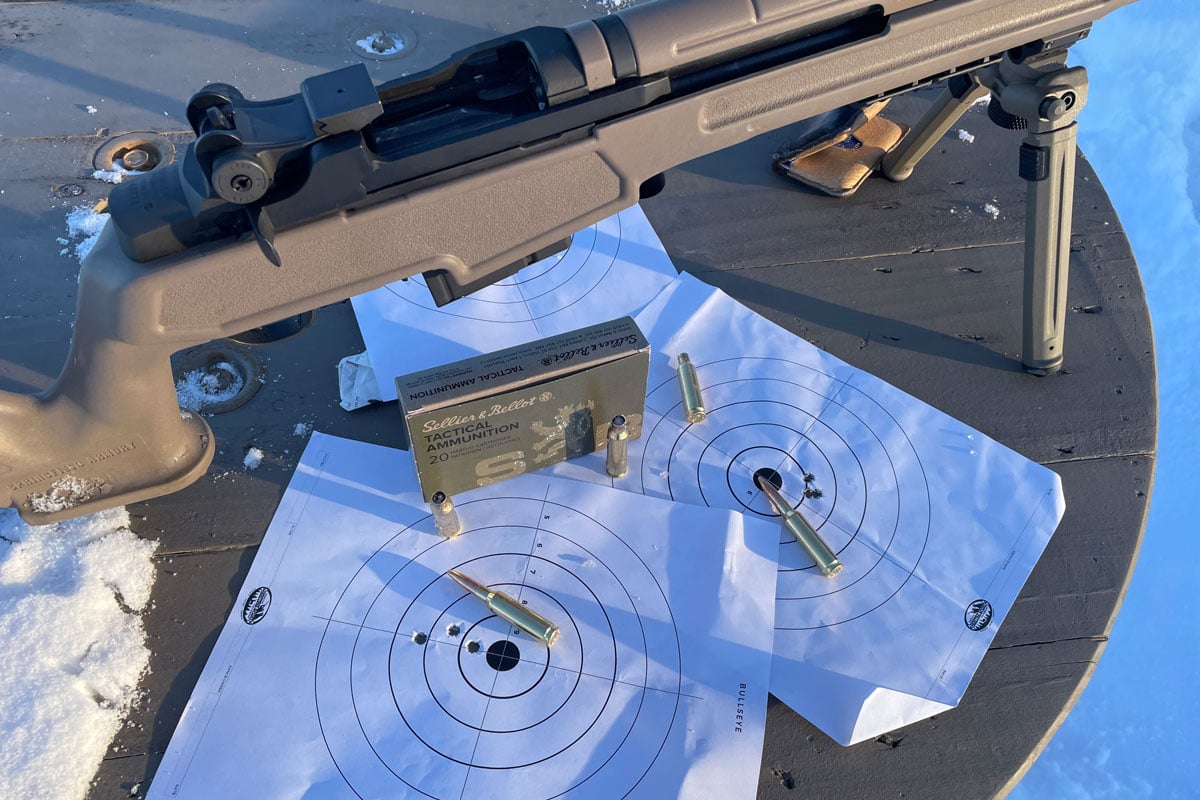
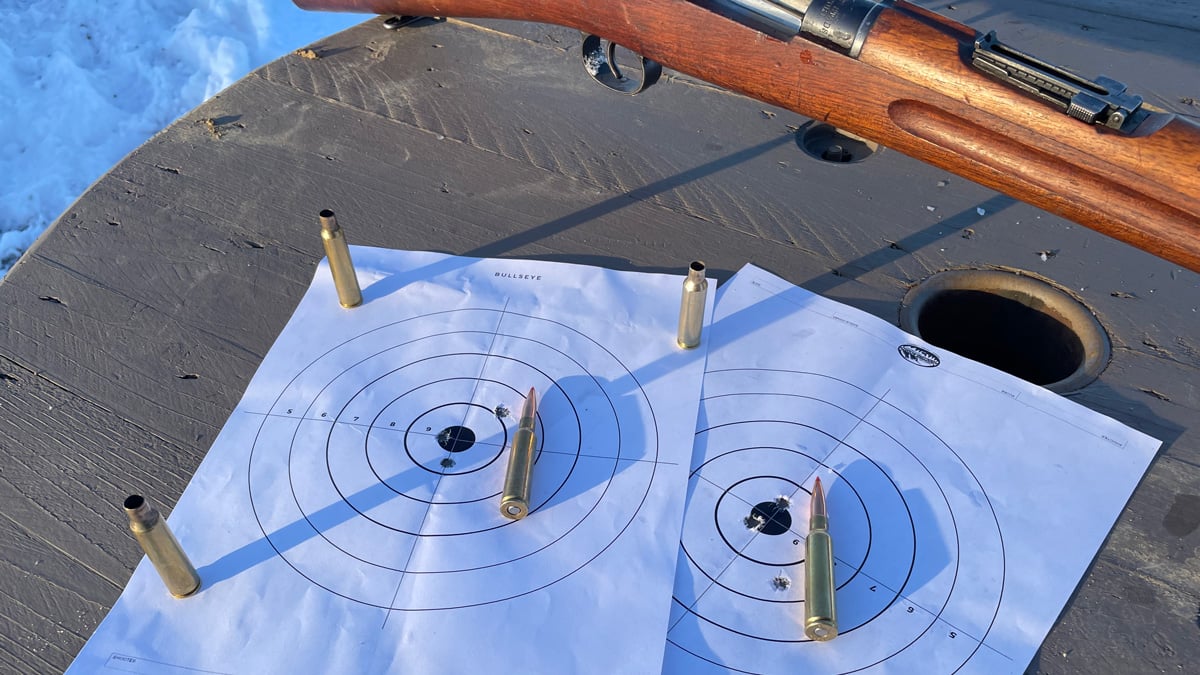
I shot both rifles on iron sights at about 100 yards. It took a few sets to get dialed in, but I was surprised at the accuracy on both platforms. Obviously, the M1A gets a slight bump considering the iron sights are much more effective than the rear ladder tangent of the Mauser; regardless, they both performed well. I pulled the best three-round groups from both rifles, so you can see how both calibers performed. Now, this is no 1,000-yard accuracy comparison, but I think the metric shows the basic concept that the 130-year-old caliber is on par with its modern reinvention.
In Conclusion
The obvious question in the end will be, “Which one is better?” Well, I didn’t intend for this comparison to pick the best; it is more of a contrast of two extremely popular rifle calibers. Neither cartridge is going away anytime soon, as they are popular in different markets with staunch defenders in both camps.
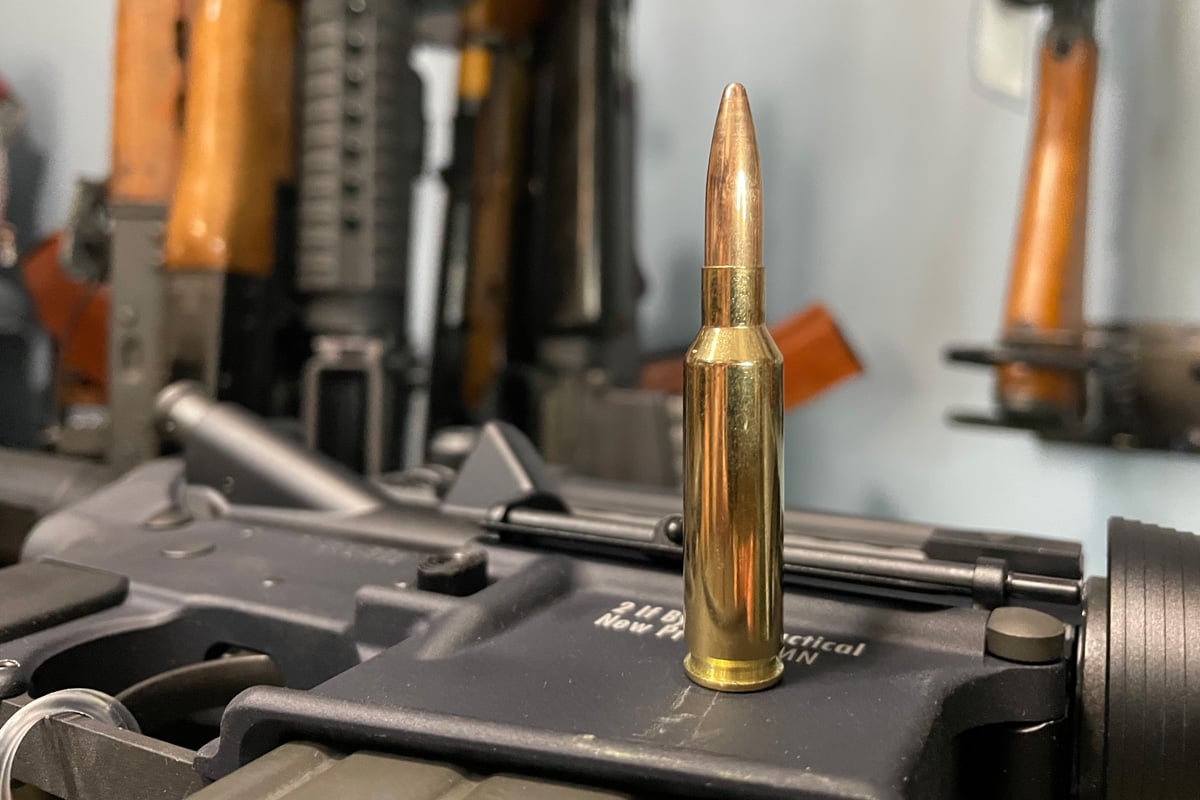
I will do my best to give you the best attributes of both designs. The 6.5 Creedmoor is probably the more diverse and efficient caliber, with a wide array of platforms available for the caliber. There is something to be said about a round that achieves such an incredible ballistic coefficient and matches a 130-year-old round while using a smaller casing. With platforms like the FN SCAR, AR-10, and just about every bolt gun design imaginable placing 1,000 yards at your fingertips, it’s no wonder the 6.5 Creedmoor is so popular.

On the flip side, the 6.5 Swede has quite the reputation, especially in Europe. Where there may be a lack in platform availability, there is something to be said about the cartridge’s resume. As cool as an FN SCAR might be in 6.5 Creedmoor, it’s not a 120-year-old Mauser that’s still capable of shooting tight groups. The 6.5 Swede has probably taken 1,000 times the wild game as the Creedmoor, as well as being at the forefront of military technology during the early and mid-1900s. The round is still commercially available with a plethora of load options in production that fit different needs.
It’s fair to say that the annoyed Alexander behind the gun counter at Cabela’s did not have nearly as much experience with both calibers as I do now. But does that mean my feelings have changed? I am willing to admit that the 6.5 Creedmoor has its place as a great caliber with a versatile footprint, but I hope this discussion shows it’s not some amazing new thing that the world had never seen before.
But, with all that, I am sure there will be some opinionated comments. I’ll leave you with this: 6.5 Creedmoor or 6.5 Swede? Just get both – it’s America and you can never have too many guns in your collection (at least that’s what I tell myself).