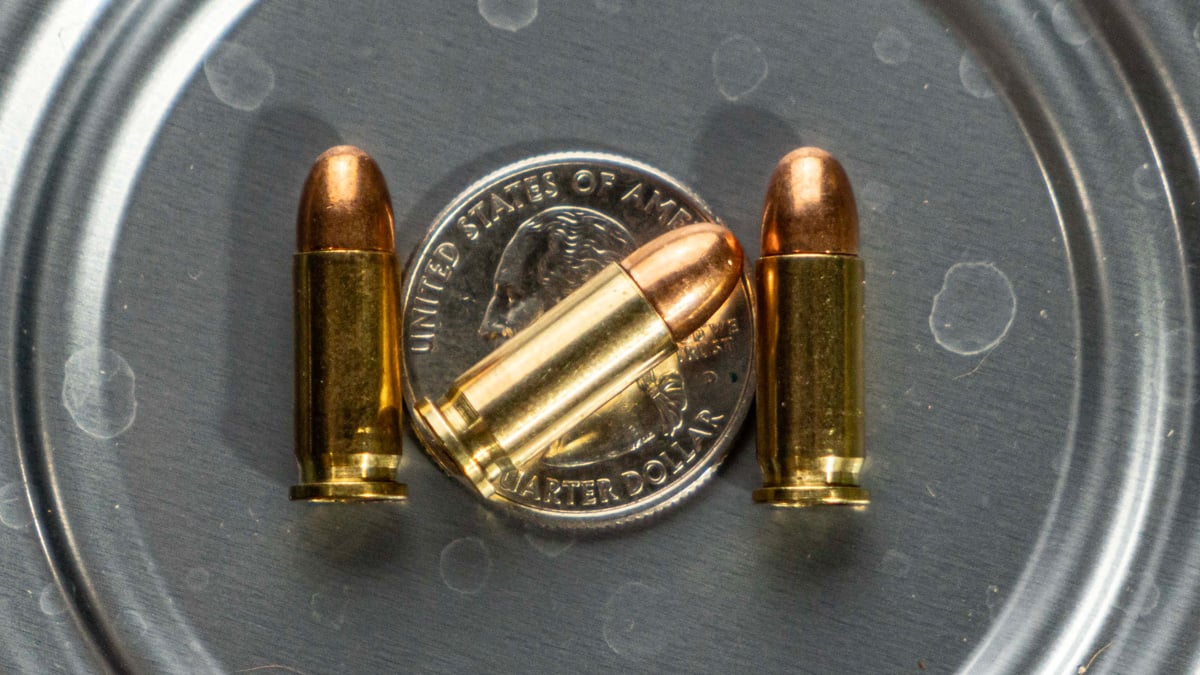
I can’t say that John Browning invented pocket carry for self-defense firearms, but the semi-rimed centerfire .25 ACP (Automatic Colt Pistol) did a lot to popularize it in the era of metallic cartridges and semi-auto pistols. The .25 ACP – also known as the 6.35x16mmSR – is the smallest and least-powerful cartridge on this list.
Featuring a small semi-rimmed case, the .25 ACP was nevertheless a common carry option for civilians and military officers alike in the early 20th century. Unveiled in 1905 alongside the extra-small FN Model 1905/1906 pistol, the .25 ACP followed Browning’s smashing success with the slightly larger .32 ACP.

Related: Browning's .25 ACP – Mouse Gun History
By modern standards, the .25 ACP is underpowered even for its size. Still, its semi-rimmed design was perfect for early pocket guns. It also spawned popular collectible guns like the “Baby Browning” and a wide variety of old .25 ACP vest-pocket shooters.
While it’s an uncommon chambering now, there are a few modern-production guns that include the Phoenix Arms HP25A and Beretta 21A Bobcat, offered in either .25 ACP or .22 LR.
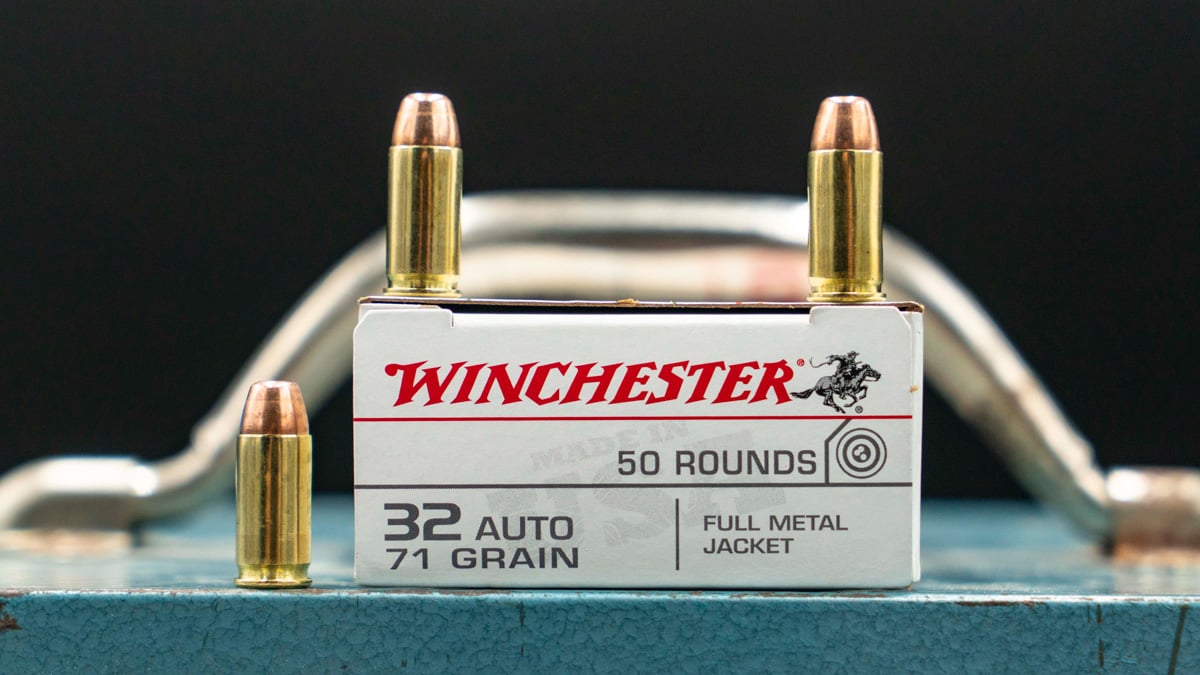
As Browning’s first pistol cartridge design, the semi-rimmed centerfire .32 ACP broke new ground and helped pave the way for modern semi-auto pistols at the start of the 20th century. The potent little .32 ACP first found a home in Browning’s M1899 pistol.
The gun helped launch Fabrique Nationale de Herstal into the limelight, and other gun designers quickly took note.
Also known as 7.65x17mmSR Browning or 7.65mm Browning Short, it’s hard to overstate how rapidly the .32 ACP took hold among popular handgun designs. I’d almost call it the 9mm of its age but possibly more significant because of its timing. Droves of other handgun designs popped up well into the middle of the last century because of it.

Related: Browning’s .32 ACP – The Tiny Bullet That Changed Handgun History
Popular handguns included the famed Walther PP (1929), Colt 1903 Pocket Hammerless, Mauser HSc (1940), and the Savage 1907/1917. Despite the round’s incredibly small size, it was quickly adopted as a military cartridge throughout the world.
Its years of dominance have since passed, but fear not. There are plenty of surplus and even newly manufactured handguns to be had out there. Popular modern examples include the KelTec P32 and Beretta’s 3032 Tomcat.
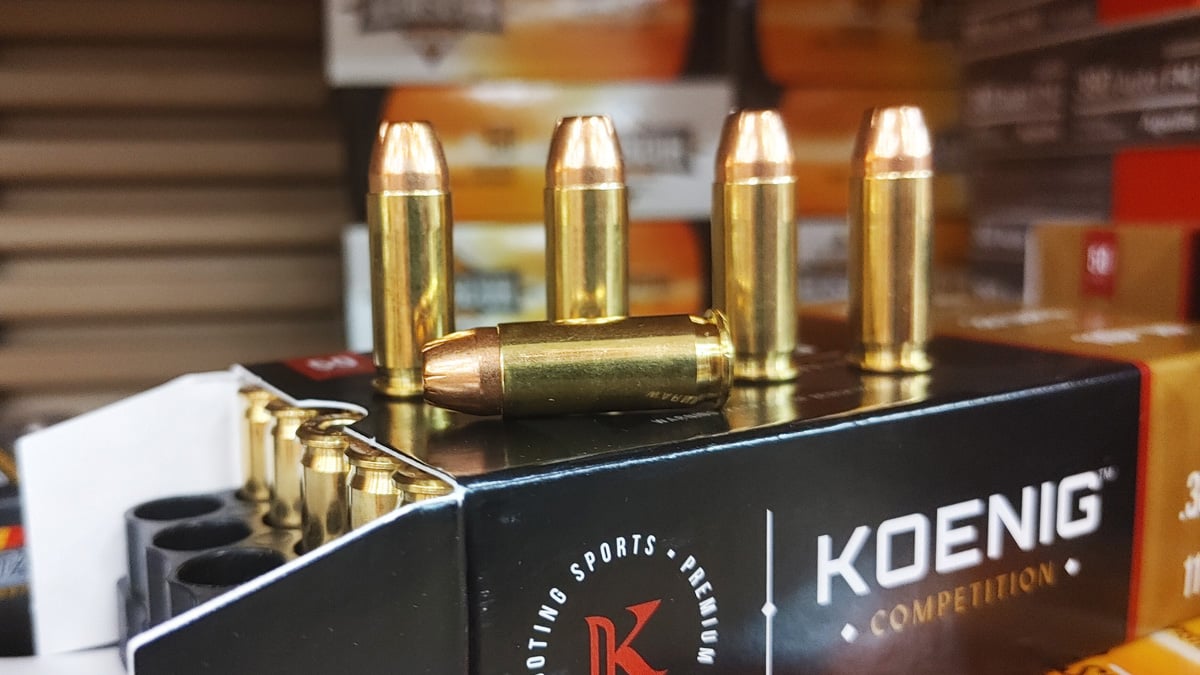
Also known as the .38 Auto and. 38 Automatic, the semi-rimmed centerfire .38 ACP is largely a forgotten cartridge these days. It’s now probably best known by its offshoot, the .38 Super, which was introduced in 1929.
Compared to the previously mentioned chamberings, the .38 ACP offered a huge boost in power, with 130-grain bullets traveling at velocities around 1,260 fps.
Given that the round was introduced at the turn of the century, that power was actually tough to tame in available semi-auto designs of the day. That included the Colt Model 1900, which it was designed to serve inside.
Hence, the family of firearms chambered for the .38 ACP is appropriately small. That short list includes variants of the Colt M1900/1902, Colt 1903 Pocket Hammerless, Webley Automatic Pistol, and an uncommon version of the M1911 made for the commercial market.
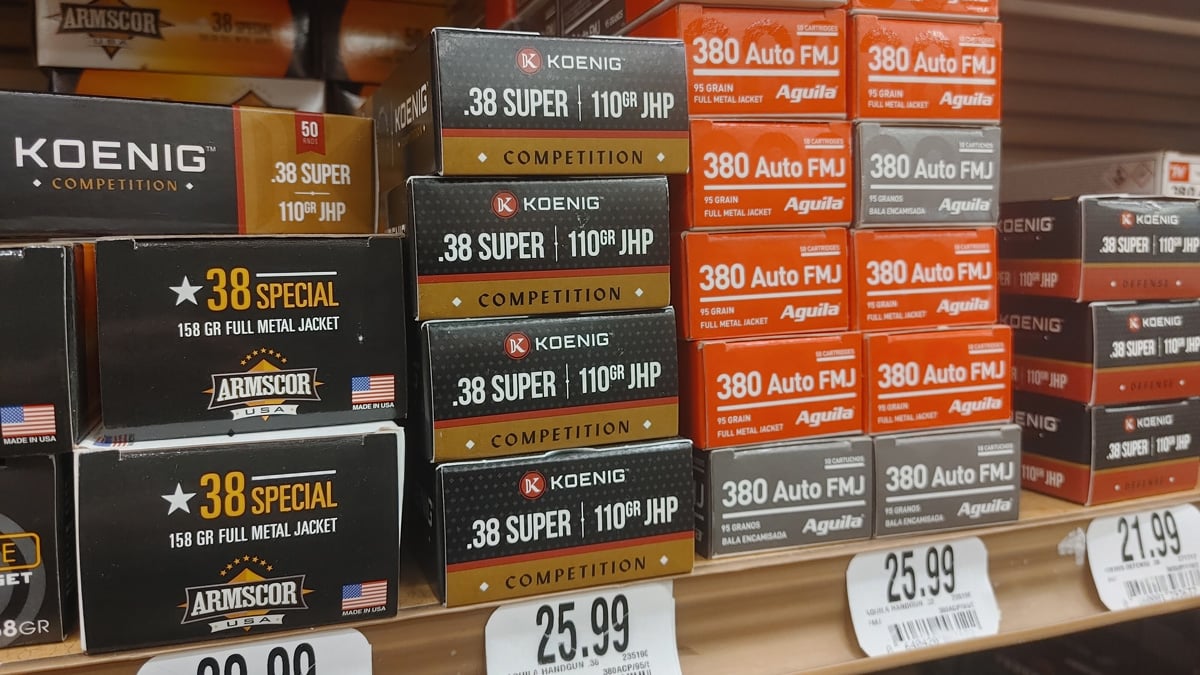
Our last survey of the local gun store shelves unveiled only a single offering of .38 Super and zero options for the older .38 ACP. Admittedly, .38 Super firearms still have their fans. In fact, Colt introduced a new 1911 chambered for the round as “recently” as 2016.
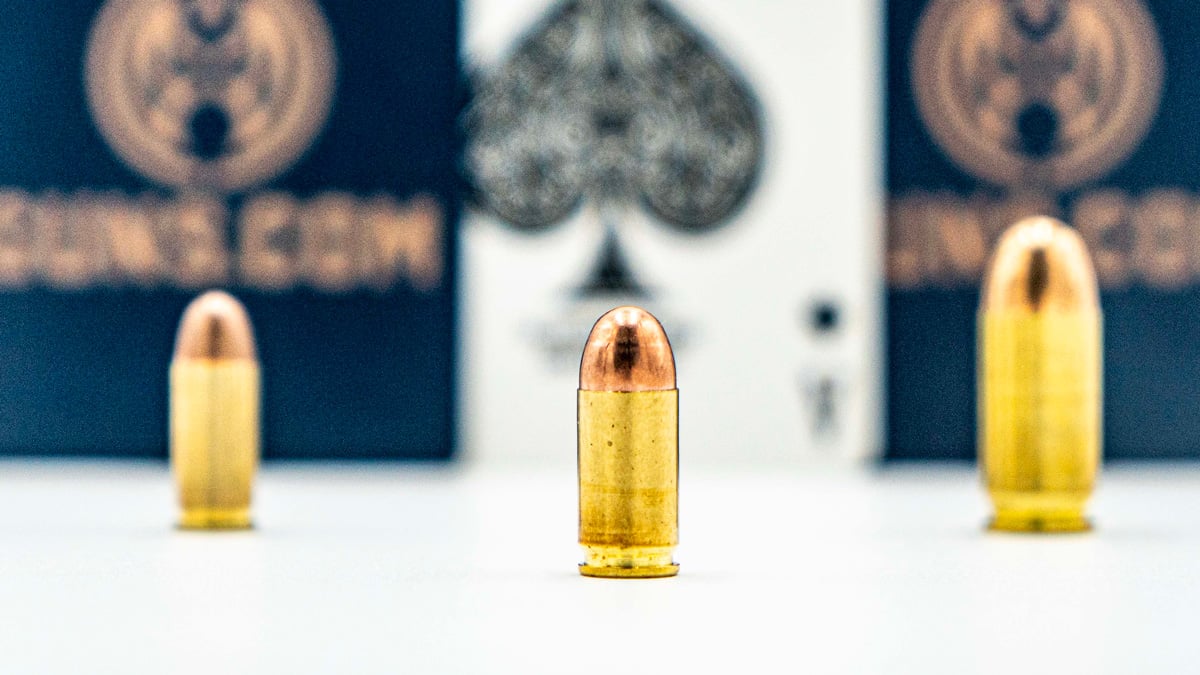
Headspacing off the mouth of the case instead of the previous semi-rim headspacing, Browning’s rimless centerfire .380 ACP represents a truly modern semi-auto cartridge design. Also known as .380 Auto, 9x17mm, and 9mm Short/Kurz, the .380 ACP was introduced in 1908, which places it after the handgun cartridge designs above.
It might not surprise John M. Browning himself to know his petite .380 ACP cartridge proved to have true staying power. It serves as a workhouse for ultra-compact pocket pistols today. That includes Ruger’s highly popular pocket-carry line covering the single-stack LCP, LCP II, and double-stack LCP Max offerings.
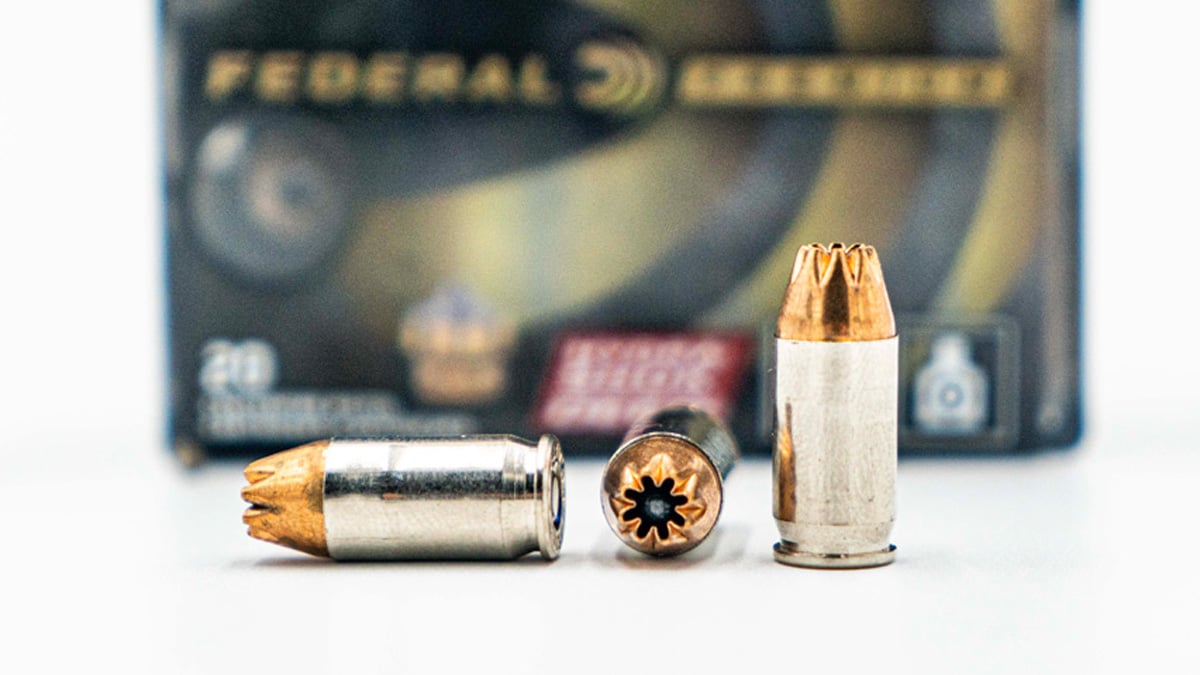
The round offered lower pressures than 9mm Luger and other high-pressure loads. It first found a home in the Colt Model 1903 Pocket Hammerless. Many of the world’s militaries had already invested in other calibers by the time the .380 ACP hit the scene. However, the Walther PPK stands out as a beyond-iconic example from the World War II era.
Related: .380 ACP vs 9mm for Self-Defense – What’s the Difference?
This rimless cartridge generally offers bullet weights and velocities below the common 9mm Luger. That makes sense given the cartridge’s smaller dimensions. However, it has proven exceptionally popular for a smaller cartridge in modern times.
If anything, the round has seen a resurgence of late. That’s partly because of its reliability, respectable power, and small size. In addition to Ruger’s LCP line, popular modern .380 pistols include the Glock 42, Bersa Thunder, SIG Sauer P365-380, and M&P380 Shield EZ. That’s just the tip of the iceberg.
You can still find forgotten gems like the Browning 10/71s chambered for .380 ACP at a fine price, too.
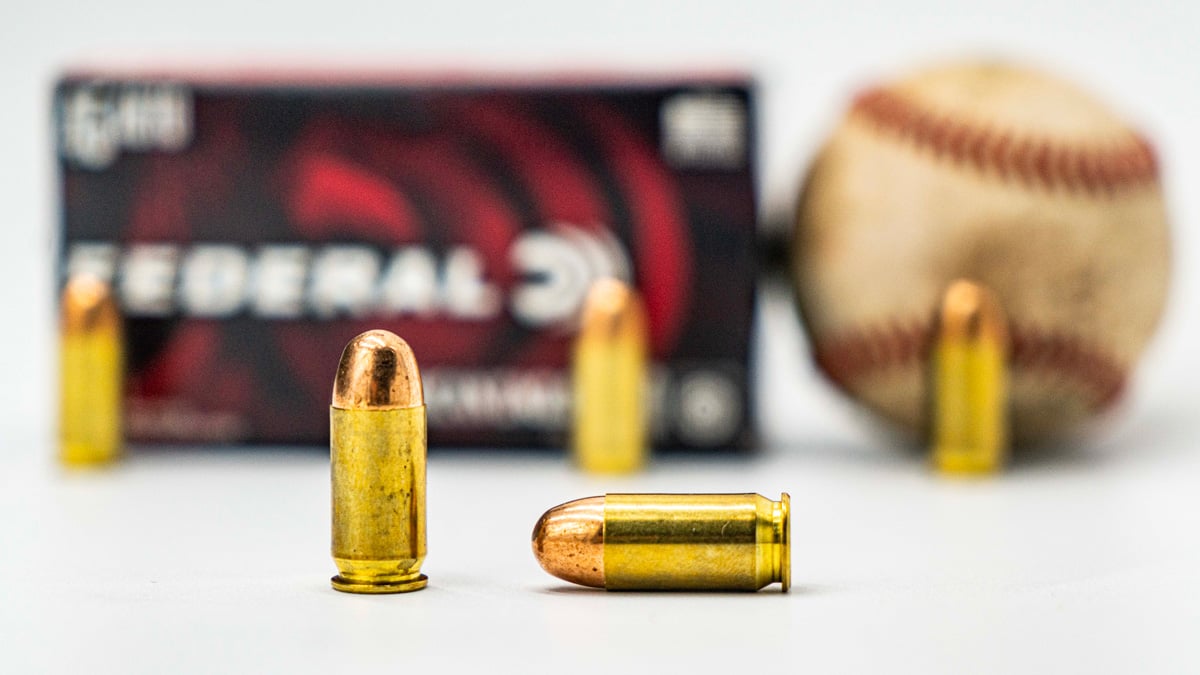
Forget everything I’ve said up until now. If there’s one caliber that truly represents how we remember John Moses Browning, it’s his hefty and authoritative .45 ACP.
Also known as .45 Auto or, my personal favorite, “the Lord’s caliber,” this round has served American military, law enforcement, and private citizens for generations. It still serves every single one today, though the military has largely moved on from the .45 ACP. Still, the round lingers even there, with the U.S. Marine Corps continuing to show an affinity for the old war horse.

Related: .45 ACP History – ‘The Lord’s Caliber’ & John Browning’s Legacy
Designed in 1904, this rimless cartridge headspaces off the case neck and offers a heavy bullet that generally weighs in at 230 grains. It’s the round that made the 1911 not only famous but beloved by those who carried it.
The .45 ACP lent itself to service in full-auto/semi-auto platforms like the famed Thompson submachine gun. Over the decades – now 120 years and counting – the .45 ACP has been a favorite in countless handguns.
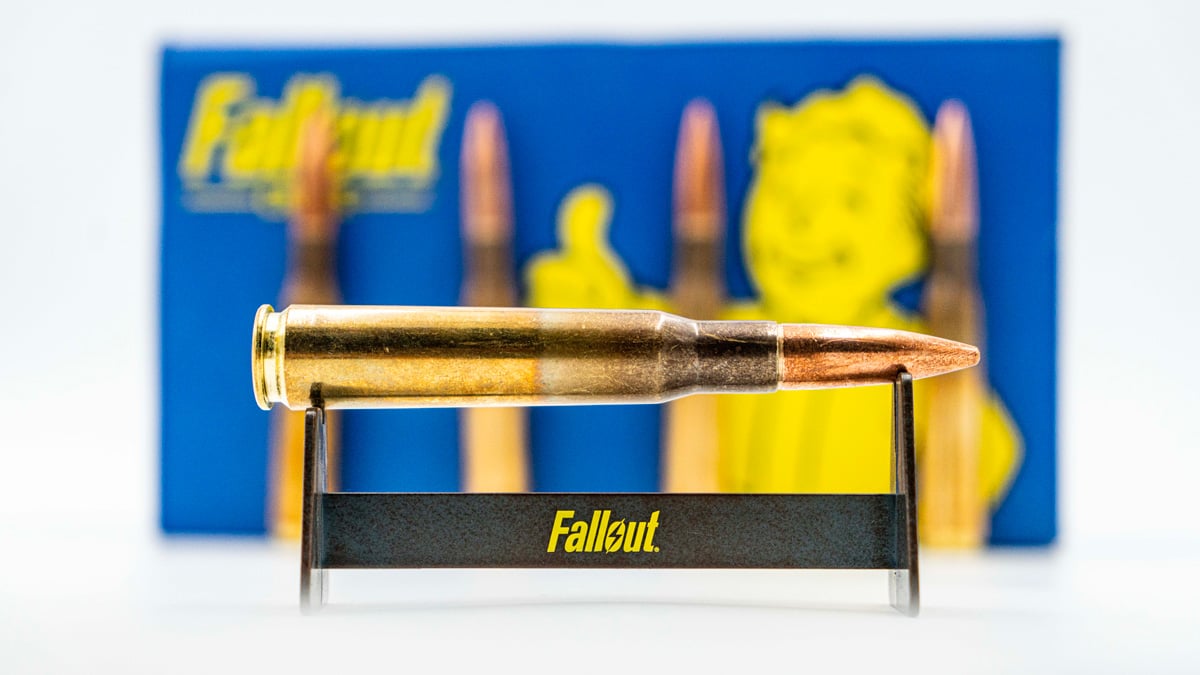
If you haven’t experienced the .50 BMG (Browning Machine Gun) in the wild, you’re really missing out. Well, as long as you’re not on the receiving end.
Also known as the .50 Browning and 12.7x99mm, this round came from a need to take on new threats like aircraft and armor at the end of World War I. The cartridge did not arrive in time to take part in the conflict to any meaningful degree.
Generally featuring a massive 661-grain .50-caliber bullet, this cartridge dwarfs your standard 7.62x51mm NATO and even smaller 5.56x45mm NATO rifle rounds.
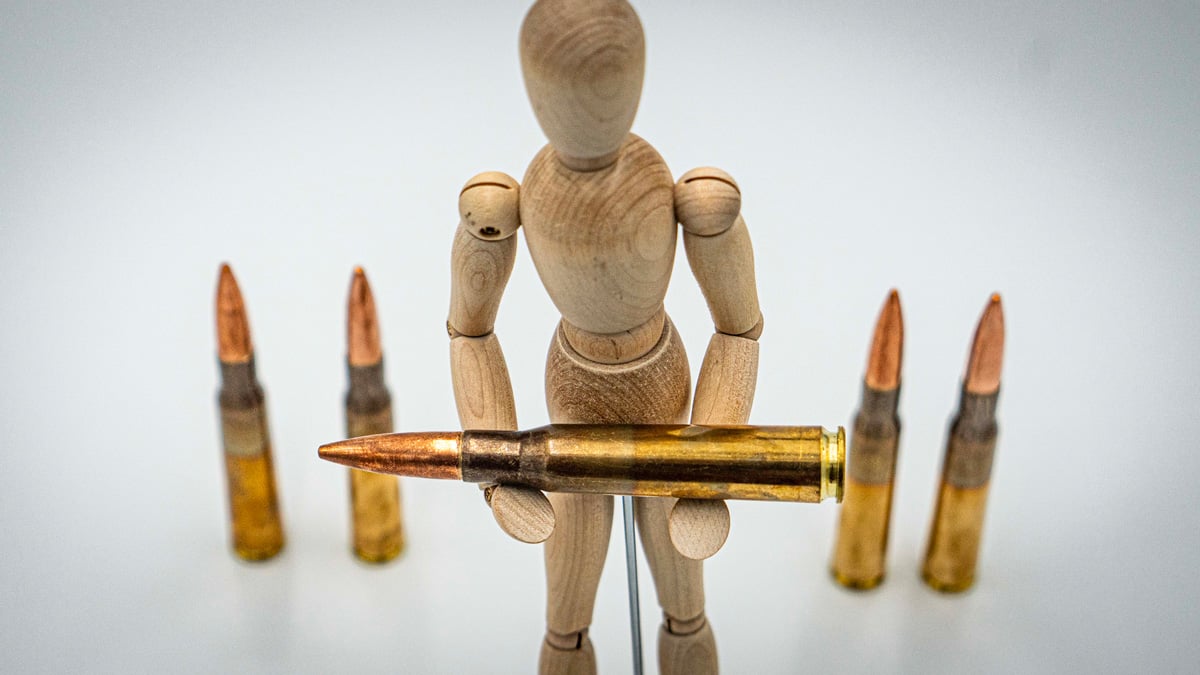
It has served with distinction in nearly every American conflict since WWI. To illustrate its significance, after nearly a century, the U.S. military continues to order a variant of the Browning-designed M2 .50-cal machine gun originally designed to fire the round.
Related: .50 BMG History – America’s Heavy Slugger for Over 100 Years
Originally, its most common platform was the M2 Browning machine gun. It has since moved on to a multitude of crew-served and individual firearms. That includes a growing family of rifles. From tracers to armor-piercing versions, the .50 BMG offers the end user a lot of options.
The Barrett M82, chambered for the .50 BMG, became standardized as the M107 for the U.S. military. Other options include the Barrett M99, Armalite AR-50, and Steyr HS .50.
9mm Browning Long: The Lost 9mm
The 9mm Browning Long (9x20mmSR) is yet another semi-rimmed Browning cartridge design. Headspacing off the rim of the cartridge, this 1903 Browning-designed round came about right as the now-classic 9x19mm Luger Parabellum (1901) hit the scene.
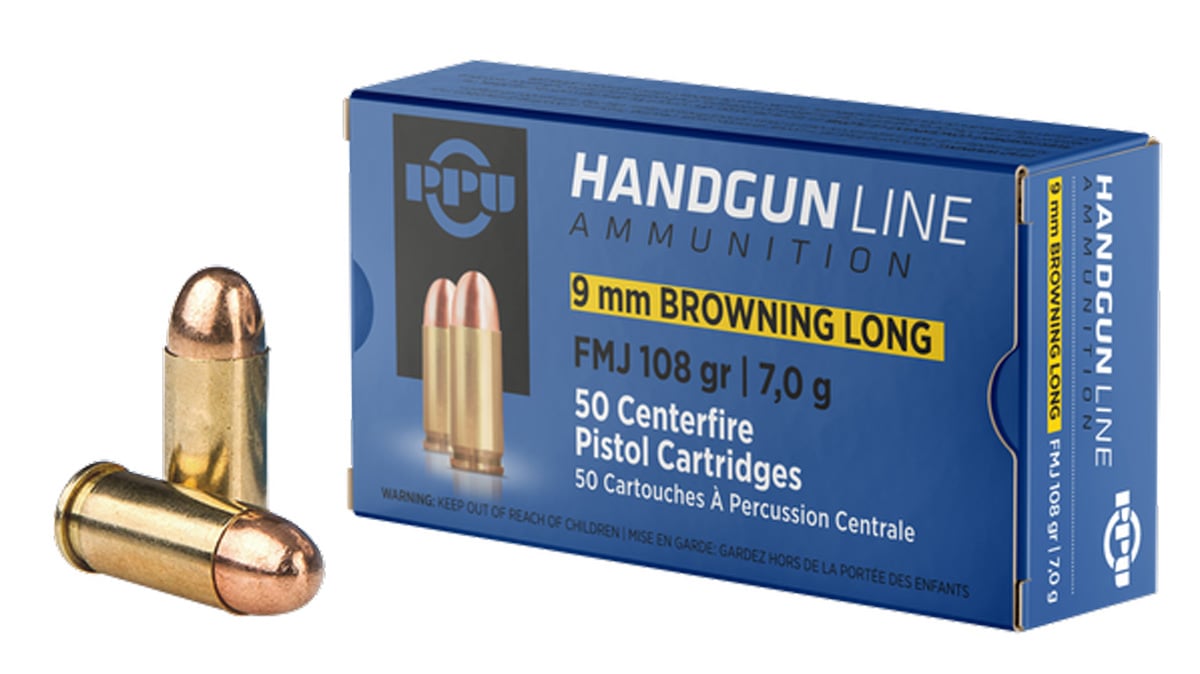
It offered a 9mm option for blowback firearms that required lower pressures than the 9mm Luger while tapping into a proven handgun design like the FN Model 1903.
Related: The FN 1903 – Browning’s Long-Lost 9mm
Unlike the rimless 9mm Luger, the 9mm Browning Long offered a longer case along with its semi-rim. It was originally made to operate in the blowback M1903, which is based on the Browning-designed Colt 1903.
It saw some adoptions, notably the Ottoman Empire (now Turkey) and European nations ranging from France and Belgium to the Netherlands and Sweden.