History & Pop Culture
In 1985, the U.S. military adopted the Beretta 92FS (with service designation M9) as its official sidearm. From there, numerous law enforcement agencies ditched their old revolvers for the highly touted “Wonder Nine,” and it quickly became an icon in movies and television, from “Lethal Weapon” and “Die Hard” to “Equilibrium” and a personal favorite: “The Boondock Saints.”
Related: Beretta 92F and 92FS – The Story of How Beretta Sued the Army and Won

The 92 was a mainstay in many action movies through the mid-1990s. That is, until Glock took over. Touting a slightly higher capacity, lower weight, reliability, and cheaper accessories, striker-fired guns were also just easier to use and train on. Across the world, militaries and police began to ditch their hammer-fired metal guns for the “plastic fantastic.” The aftermarket blew up with parts and accessories for personalizing the blocky – and subjectively ugly – firearm.
What seemed to be the final nail in the Beretta’s coffin came in 2017. The U.S. military again held trials to find a new handgun and chose the SIG Sauer M17. Until this point, the Beretta 92 series hadn’t seen many updates and wasn’t very competitive in the trials.
Related Review: Beretta 92 A1 vs. SIG M17 – Which is the Best U.S. Military Pistol?
By and large, the pistol maintained a negative bias: an old design that was difficult to work on. The heavy double-action trigger required more skill to operate, and soldiers complained about the pistols’ reliability and functionality after training with models that had hundreds of thousands of rounds through them.

Many online forums and social media accounts seemed to believe this marked the end for the king of ’90s action movies. But a movement was brewing to make DA/SA guns great again.
A Revival
In 2019, Beretta launched the latest and biggest upgrade to the series in the 92X and 92X Performance. While the nomenclature has been confusing, the X series made simple yet significant improvements to the platform and has driven a major comeback.

We are in what I’d call a golden age of firearms. Even with all the competition on the market these days, the major selling point of the 92 series is the ability to customize the platform. Previously, it wasn’t possible to do much other than change a trigger shoe or rear sight.
Aftermarket support for polymer, striker-fired guns is enormous. While they also tend to be cheaper, it’s quite easy to create a custom striker gun on a budget. Beretta, along with some supportive companies, caught up quickly in the last few years. From barrel to grip, there are plenty of customization options to take your 92 from an old, worn-out warhorse to a fully custom, sleek work of art.
92 Family Features
Beretta 92s come in three sizes: Full Size, Centurion, and Compact. Full Size refers to a 5-inch barrel with a full-size grip. Centurion models feature a full-size grip, but a shorter 4.25-inch barrel, while the Compact grip is about half an inch shorter with a 4.25-inch barrel.
Related: Beretta 92 Buyer’s Guide

There is full compatibility between the Compact and Centurion models. While the full size slide assembly fits onto a Centurion or Compact frame, rail size is slightly different, so running these configurations will technically work but eventually break. Now, let’s dive into those customization options.
Barrels
A threaded barrel has been available for years. The 92 is not a Browning design with a tilting barrel, and this makes it a great host for a suppressor. Many other handguns need a booster, aka a Nielsen device, to compensate for their tilting barrels. The threads also allow use of a compensator, which not only makes you cool like “Leon, The Professional,” but also reduces recoil and allows you to run the pistol flat and fast.
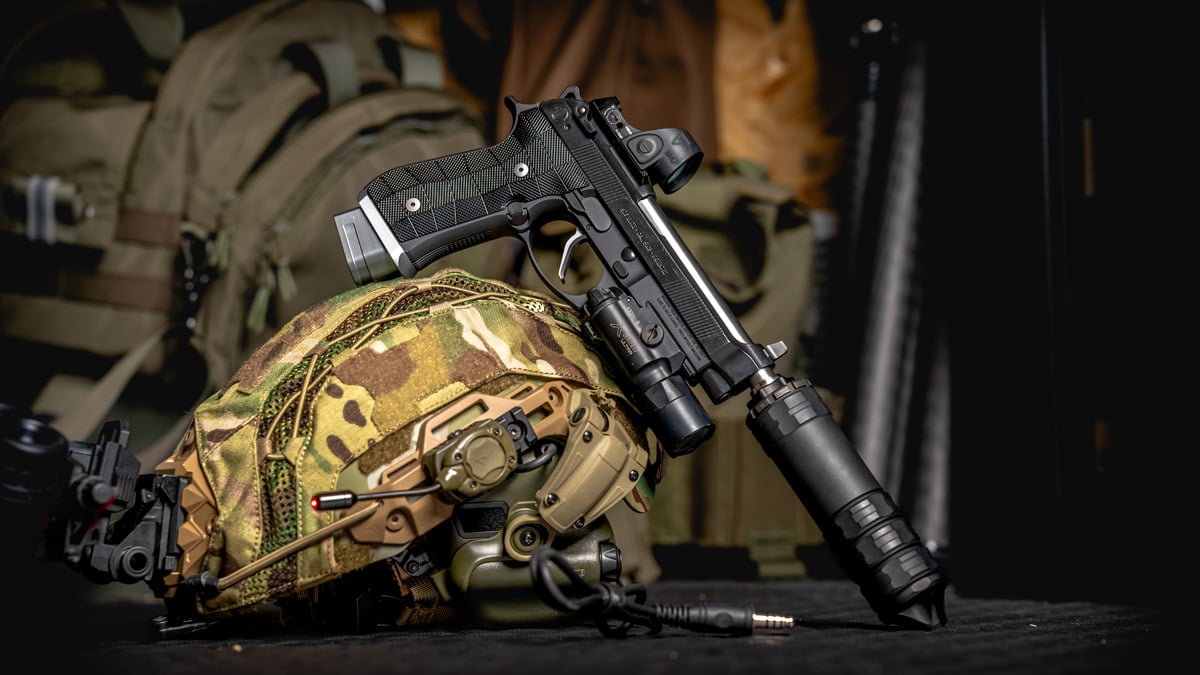
Appealing to those that don’t like the idea of a can adding inches to an already large gun, ports have become quite common. These function similarly to a comp, using holes in the top of the barrel to allow gasses to escape early, thus reducing recoil.
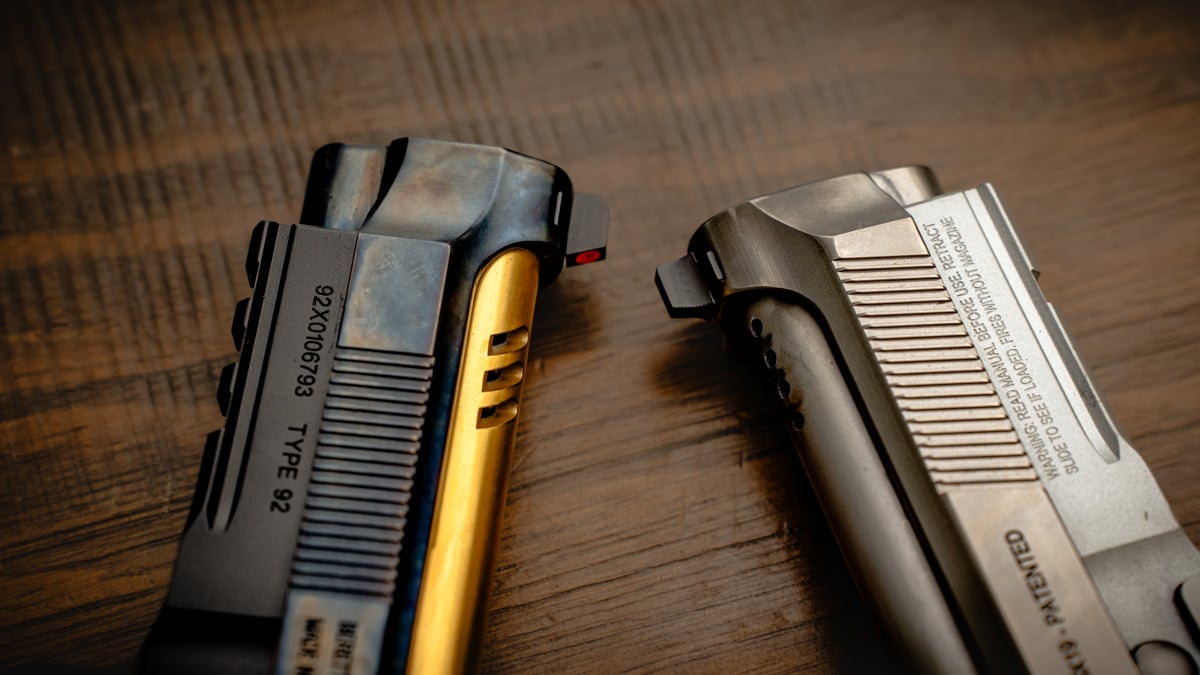
Plus, the iconic first half-inch of barrel extends beyond the slide cut and is crowned to flush, creating a high-class vibe. You can even do a combination of porting with the reverse crown for a truly cool appearance that shoots incredibly well.
Sights
One knock on the original 92 is that its front sight is machined into the slide. This made it impossible to change, and it only featured a white or red painted dot that was difficult to see. Newer models are dovetailed and allow you to change to whatever configuration you prefer. There are many options for the rear sight, too, but perhaps the biggest upgrade, and potentially the saving grace, came in the form of an optic cut.
The 92 and a few other Beretta models feature a firing pin block that sticks out the top as the trigger is pulled. It made the pistol one of the safest guns available but posed an obstacle to attaching a red dot.

Langdon Tactical seemingly engineered the impossible in 2020. Its patented solution allows for an optic cut with plate system while retaining the platform’s legendary safety and reliability. This system created the lowest optics solution that allows blackout irons to co-witness. When using an even shorter optic like the Holosun EPS, the sights are nearly standard height.

Giving into demand for optic-ready pistols out of the box, Beretta followed suit in offering its own plate system. Admittedly a little more basic, it uses thicker plates that sit atop two cutouts on the slide, making the optic ride quite a bit higher. DLAH Designs created a plate system that integrates into the stock option but splits the difference between the Beretta and LTT solutions.
Grips & Rails
The 92 has always felt at home in my hands. Both grip shapes point naturally and feeling like they were made for me. The standard is the classic rounded-back profile inherent in the Italian masterpiece, while the Vertec shape is more akin to a straight-backed 1911 style that removes the rounded portion to fit smaller hands.

Beretta and Lok Grips both make wraparound grip inserts to use on the Vertec models to mimic the standard shape. A large contingency of aftermarket grip makers will help fine-tune your experience. There are wood, G10, rubber, or plastic options with thin, standard, or various palm swell types, all in a plethora of textures. Grips can alter the feel and look of a gun substantially and might be the only update you need.
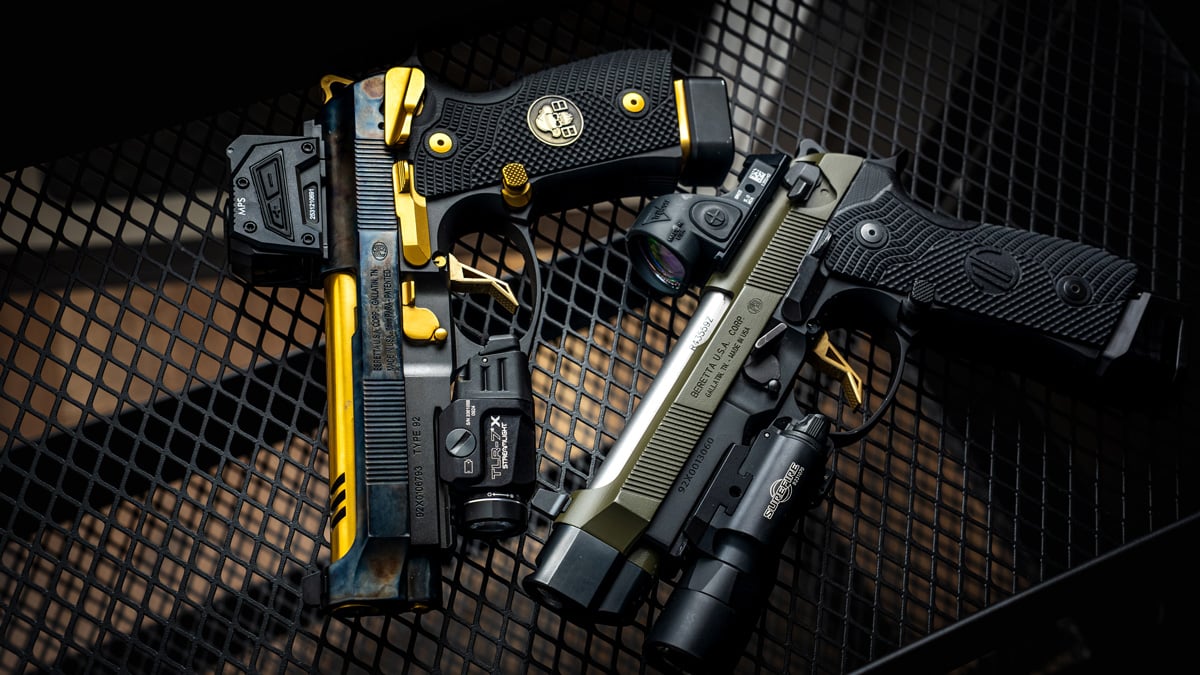
Different 92 models have standard three-notch Picatinny rails or a one-notch rail system. Beretta still makes the classic rounded dust cover as well, though it’s becoming less common these days.
Trigger
The irony of the 92 is that the trigger was initially one of the largest contributing factors to the pistol’s fall from grace yet subsequently has become one of – if not the greatest – double-action triggers of all time. Nearly all new models feature the “D” spring, which is a lighter and smoother double-action pull with a slightly shorter reset.
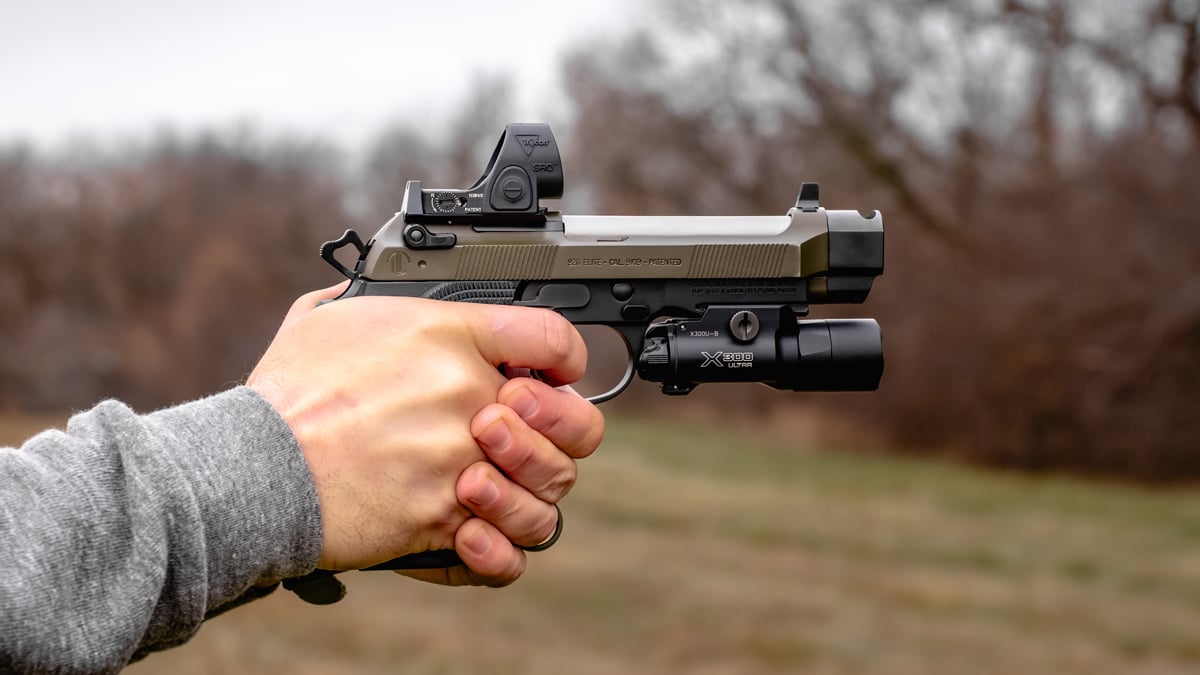
Competition shooters have long modified their ignition systems to be lighter and smoother, but over the last 10 years, Langdon Tactical has taken this mainstream. LT offers custom gun work as well as a Trigger Job in a Bag that’s easy enough to install yourself if you have even a modest level of skill. While it’s not as easy as a Glock, in about 30 minutes you can cut your double-action pull weight in half or more and experience the definition of silky-smooth.
The hyperbolic knock on DA/SA pistols is that the initial double-action pull is so excruciatingly difficult that it’s nearly impossible to be accurate with your second shot. The LTT trigger job eliminates this complaint.
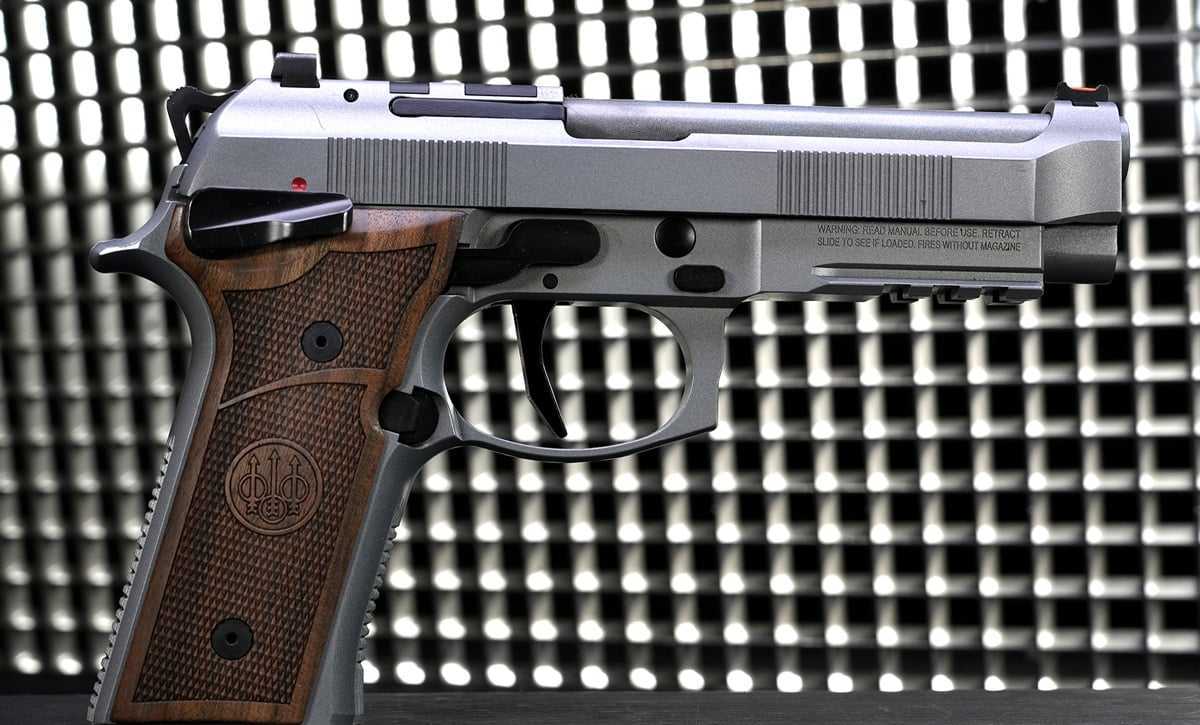
Other companies offer trigger bars and trigger shoes that allow you to tailor your pull weight and reset to your liking. Beretta also started to offer its XI series as a single-action-only option for those who would rather have a familiar 1911-like manual of arms.
Related Review: Beretta’s 1911 – Trigger Time with the Beretta 92XI SAO
Additional Items
Beretta recently released a new lineup of the 92 in the GTS. On this model, the safety and de-cocker move to the frame of the gun, a more familiar location to many. Personally, I like the slide-mounted controls, but I’m all for any update that makes it easier to get new shooters into the 92.

I also prefer a “G” model, which is a de-cocker only. Traditionally, the 92 has used the safety both to de-cock the gun and remain on safe. This function has been highly criticized for its inefficiency, with instances of shooters unwittingly actuating the safety while racking the slide.
Related Review: Wilson Combat 92G Centurion Tactical – The Ultimate Beretta 92?
There are also multiple options for hammer shapes and weights, takedown levers and “gas pedals,” magwells, mag guides, magazine releases, and full custom work like the carry bevel, which is where LTT files down all the sharp parts on the gun for a much more comfortable experience.

Personalization is endless when it comes to finishes with Cerakote, case hardening, PVD, engravings, etc.
My personal journey
The 92 has been my favorite gun since I first saw it on the silver screen. When I got my hands on an airsoft model 20-plus years ago, I hoped it would be my first gun someday. (As it turned out, it wasn’t, but it should have been.) In 2020, I walked into the gun shop to buy a 1911 but first asked to hold a 92X. It was instant love. The 92X followed me home a week later, as did the 1911.
A few months later, I discovered the Trigger Job in a Bag, and my love for the platform was solidified. A red dot slide assembly soon followed, then a second 92, then a compensator.

I’m now up to eight different models. My main carry piece is an LTT Compact in full NP3, with Holosun EPS and the lower co-witness sights, a spur hammer, flush-cut crowned and ported barrel, thin Lok grips, and a Wilson Combat mag guide.
My favorite, of course, is all of them.

Final Thoughts
From pop culture stardom to nearly obsolete and back into the spotlight, the Beretta 92 has seen its ups and downs over the past 40 years. Only a few years ago, some may have thought the Beretta 92 (and DA/SA pistols in general) were a dying breed.
Related: Two Guys One Gun Podcast, Episode 6 – The Beretta 92
Beretta proved them wrong. Revamped models and a multitude of options for customization have breathed new life into the old 92. Don’t miss out on the renaissance of this platform. You can find great deals on certified used Beretta 92s that have been fully vetted by our Guns.com experts or check out the latest variations to hit the market.