1. Humidity Control: ‘Airtight and Ready to Fight!’
Keeping your powder dry is the most basic principle of ammo storage, but it means a lot more than avoiding standing water in the age of modern brass-cased ammunition. Ambient moisture in the form of humidity can impact your powder and primer – sure enough. At a minimum, this may affect the velocity of your bullet when fired, but it can also taint all your ammo with reliability issues.
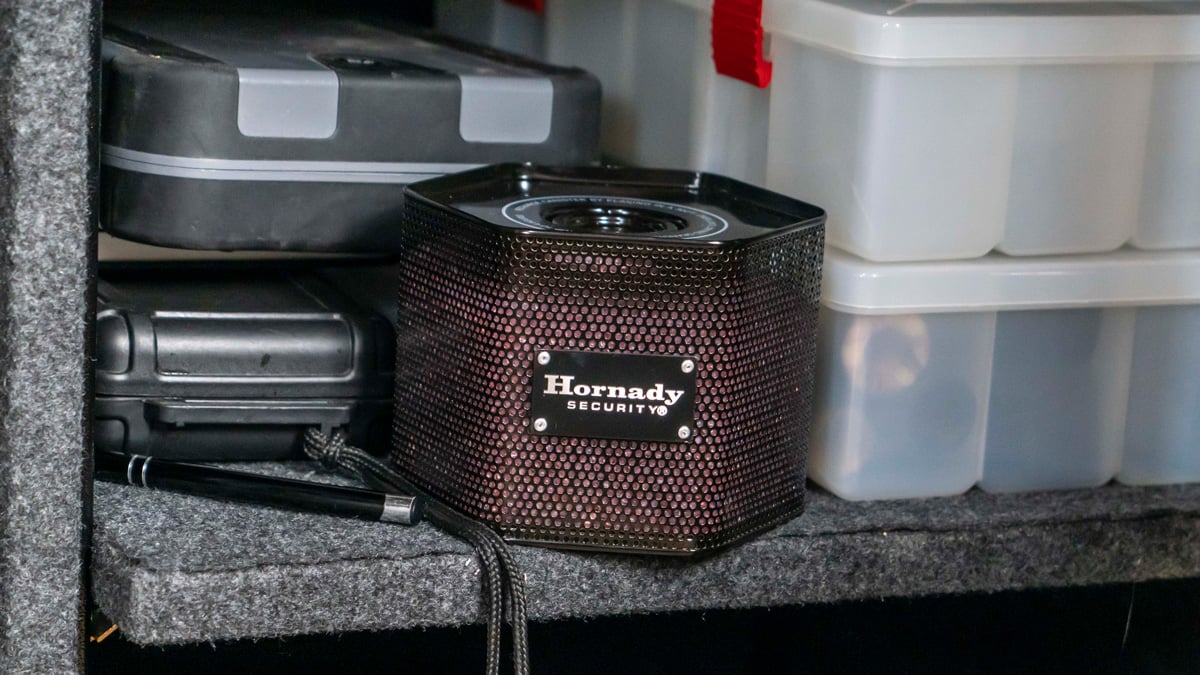
Ambient moisture can damage your bullet and casing with corrosion. This is often amplified by moisture trapped inside the cardboard and Styrofoam used in common store-bought ammo boxes. Unless you have reliable humidity control, you may find your “brand-new” ammo murdered by the very box it came in.
Here are four easy tips to protect your ammo from humidity in your ammo storage area:
- Humidity Threshold: At least 40 percent or lower is recommended. I find it varies by season, with winter being the driest. That just means I spend a little more time checking humidity levels and adjusting during the summer.
- Location, Location, Location: I recommend starting by finding the best location. I place cheap hygrometers used in cigar humidors inside my storage safes to track levels. I also use them to find the best storage locations in my house. After nearly a dozen household moves from North Carolina to the Midwest and overseas, it’s always been well worth the time.
- Airtight Is Ready to Fight: After picking a good spot to store ammo, I recommend grabbing some airtight ammo cans (surplus are fine) to store ammo. Even the standard military surplus cans are great. So much so, in fact, we used to use them as short-term humidors for cigars overseas while in dry desert areas.
- Use Dehumidifiers: There are quite a few reusable dehumidifying devices for gun safes and closets that you can use. I have a few myself, but my ammo cans all have cheap desiccant packets to draw moisture out of the ammo inside the airtight containers. You can buy these in bulk at low prices or just save them from product packaging. Drying them out again in the oven is easy.
Related: 1960s Ammo Recovered from River in Vietnam Still Minty Fresh
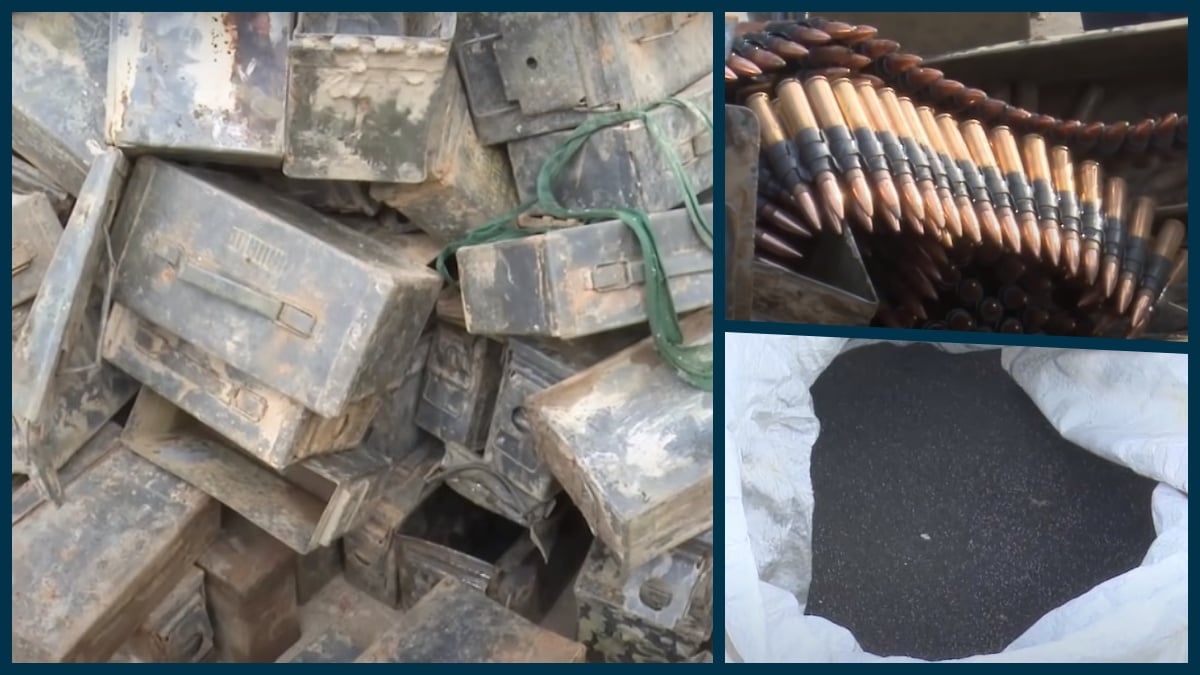
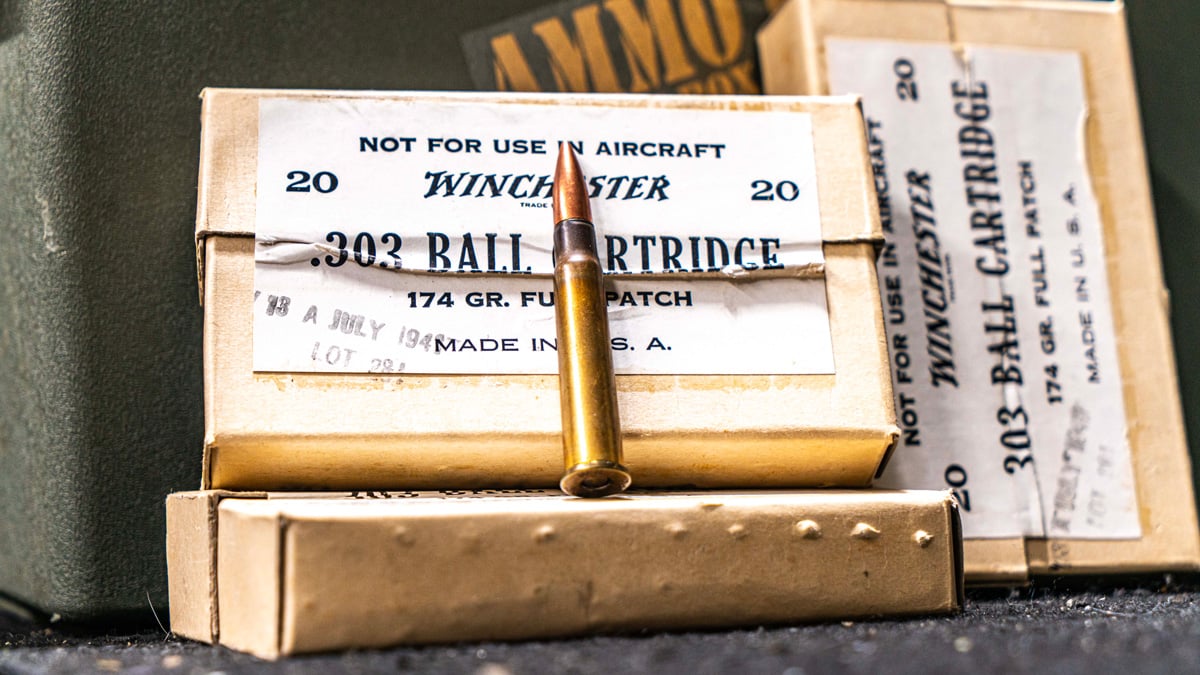
Remember, cardboard ammo boxes can store moisture. I’ve peeled the remains of ammo out of a few over the years, but that doesn’t mean you have to chuck out your boxes every time you buy ammo. Just make sure the boxes are generally moisture-free before putting them away. Then stick them in a place that will dry them out even more over time.
2. Best Temperatures: Goldilocks Zone
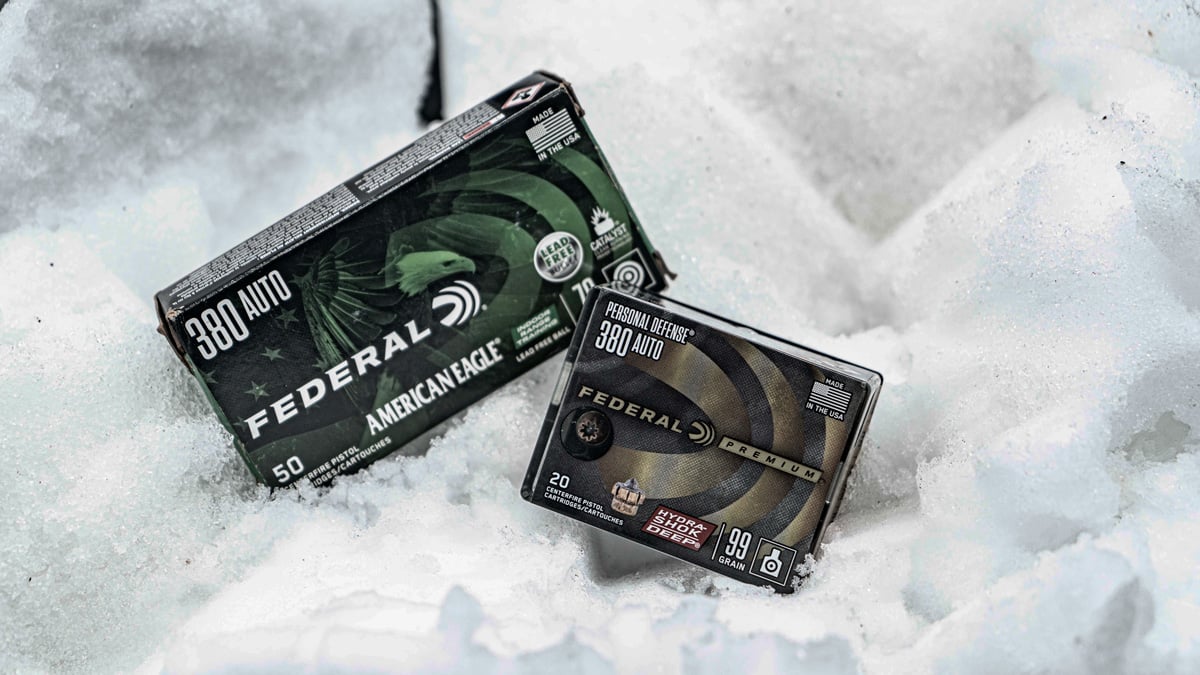
Most modern ammo is very generous about the temperatures at which it can function. That’s not the same as the temperatures you should store it at for extended periods of time.
The Goldilocks zone for ammo-storage temps falls between 55 and 85 degrees Fahrenheit. As a rule, you should lean toward the cooler side of that spectrum, in part because colder air also generally holds less moisture. My current storage area is in the basement for my bulk, long-term storage. Temps there are a solid 60 to 63 degrees all year.
Related: Intro to Safe and Proper Firearms Storage
Other rules include avoiding exposure to direct sunlight and rapid temperature changes. Don’t, for instance, just stick your ammo near the air conditioner so it stays cool. That can entail a lot of repeated temperature changes over time, and AC units can malfunction and actually increase moisture exposure.
3. First In, First Out: Create a FIFO System
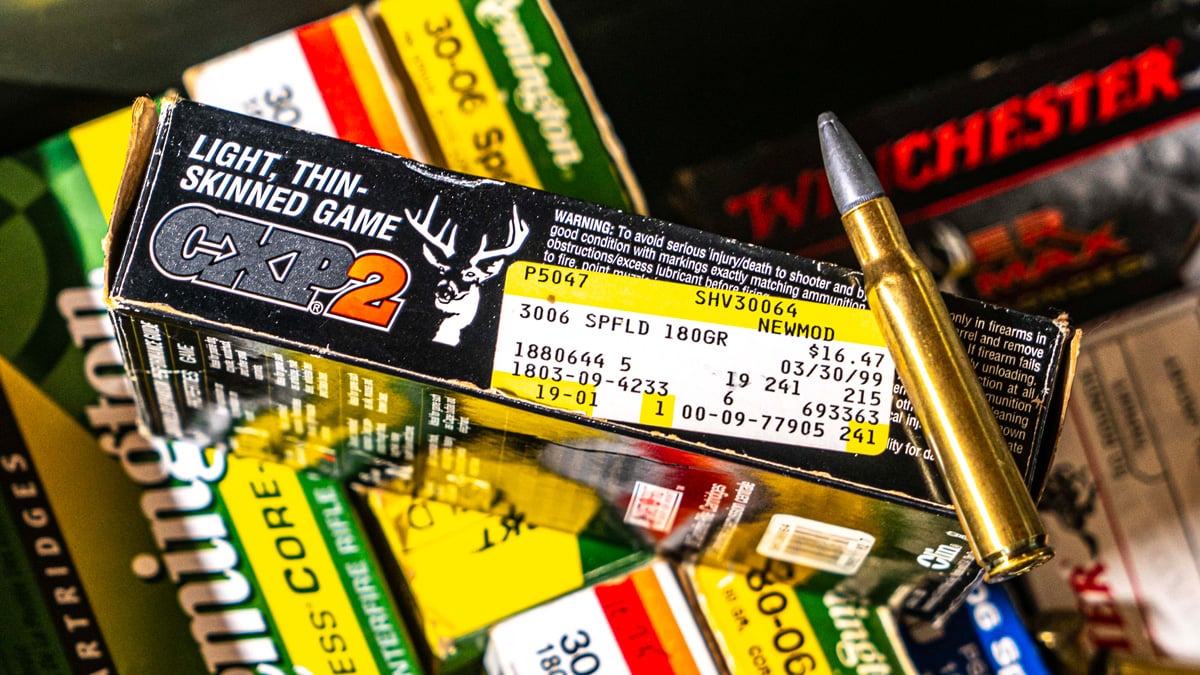
First in, first out is exactly what it sounds like. Use your ammo in a way that clears out the old stock first. It’s not much different than how you should organize your pantry. In fact, I keep my pantry near my bulk ammo, and both have a FIFO system.
Ammo generally has a very long shelf life, but that can lead to some serious aging if you never tap into the backend of your ammo hoard.
Related: How to Clean Your Revolver in 7 Easy Steps
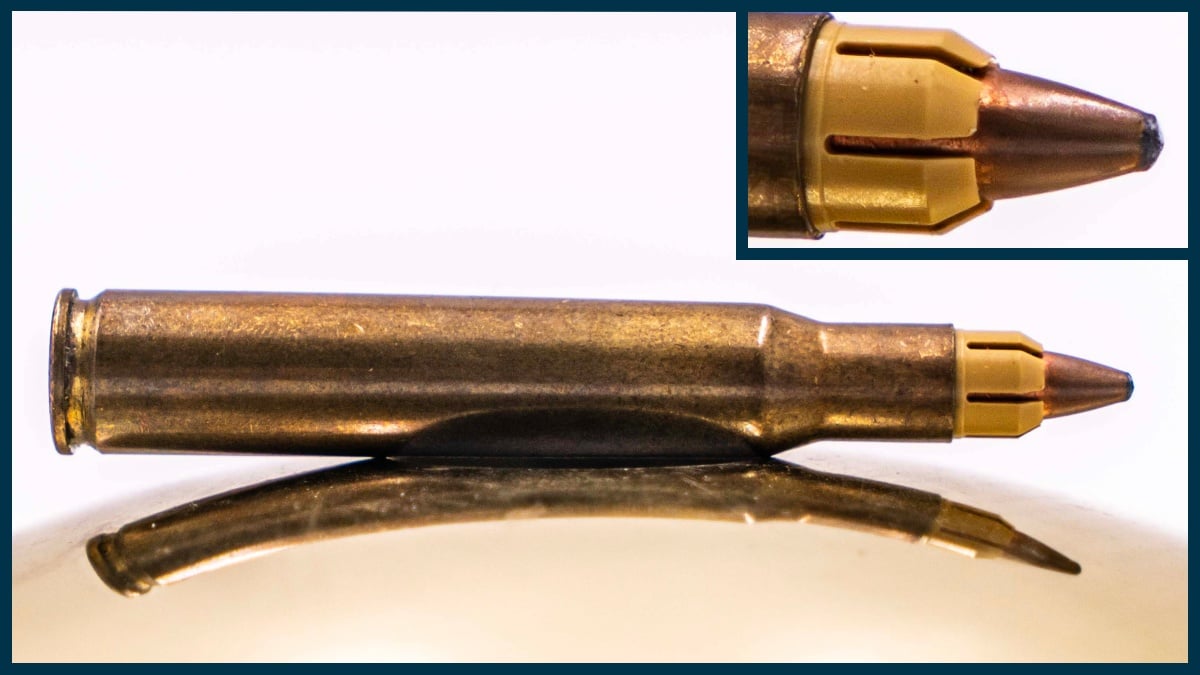
I’ve inherited a stash of ammo or two over the years. One particular leather suitcase was full of old hunting ammo and a fair amount of mold. It was not cheap ammo, either – even back in the 1990s – and most of it was severely damaged by moisture and decomposing boxes.
There were plenty of seemingly salvageable rounds. I pulled some bullets to confirm the powder was still good, and it seemed fine. Regardless, the prolonged moisture exposure likely impacted the efficiency of the powder.
4. Rotate Carry Ammo: Self-Defense & Hunting
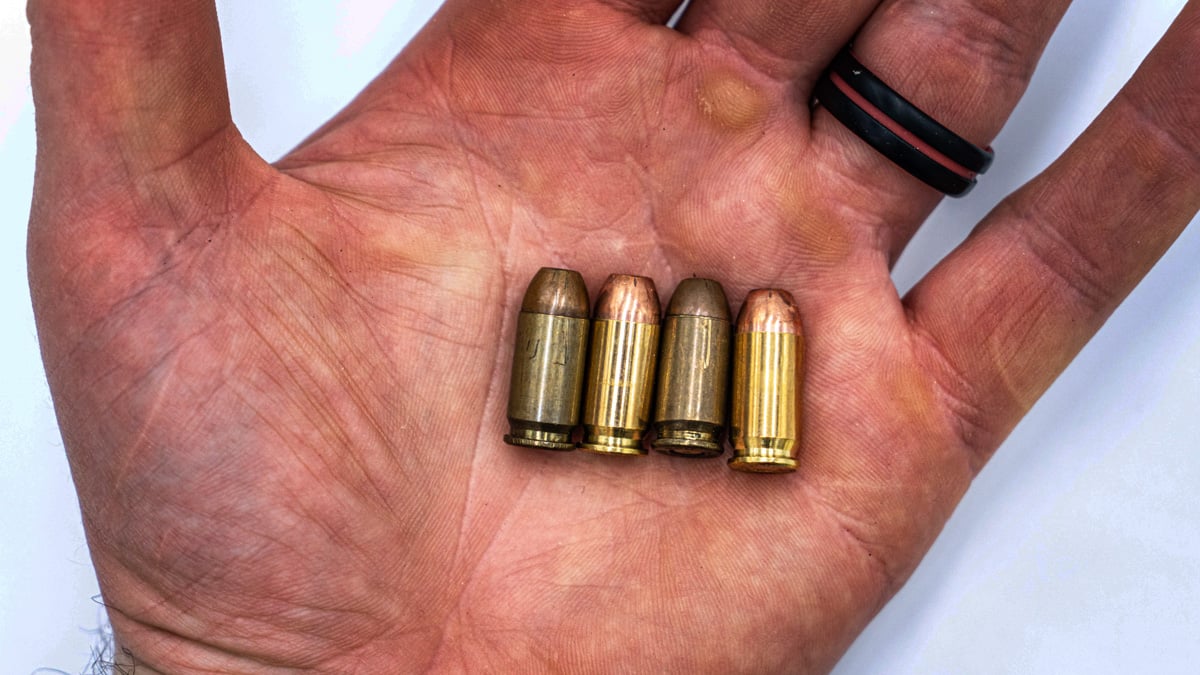
This is probably the most overlooked part of ammo care for newer shooters. Self-defense and hunting ammo are not cheap, and they don’t look to be getting cheaper anytime soon. That leads many gun owners to be quite stingy with their most expensive ammo.
Yet, that ammo may need replacing the most.
I cycle my carry ammo every three months, which comes to just about every change of season where I live. I do that because I am very hard on my carry guns with outdoor activities. For most users, changing carry ammo every six to 12 months will likely prevent any major issues.

Related: Pistol Cleaning Tips & Tricks
Several years ago, I found myself employed at a gun clearing station where I was clearing and storing the ammo folks brought to a self-defense class. Once secured with a barrel block, the students got to use their own handguns in some great but physically intense training.

After finding several magazines filled with extremely decrepit ammo, I made it a point to just tell every student they should cycle their carry ammo at least annually. Cycle it more often if you live in a humid place or routinely expose ammo to harsh conditions.
I find it helpful to shoot my carry and hunting ammo as I cycle it. It gives me comfort to see that even the older rounds are still up to snuff. I don’t feel any need to hoard hunting and self-defense ammo that I expose to the elements over time.
I get value from training with it, and I get good data on how it stood up to harder use. It’s a win-win for me.
5. Make It Easy: Save Time & Your Back

"Keep it simple, stupid," is probably the nicest mean thing gun folks tell each other. It’s genuinely solid advice for most things, and that definitely applies to storing ammo. If you make storing your ammo hard, it will be the step you skip down the road. So, make it simple.
My ammo storage area is located close to where I load and unload my gear for every range trip. I don’t have to move my stash of ammo around, and I don’t have to walk very far to grab new ammo or put away unused rounds.
Related: SecureIt Gun Storage – Agile 52 Safe & Fast Box Review
I use a large metal tool cabinet with a lock so that my main storage unit can be secured when I want it secured. I advocate for locks if you have significant stores of ammo to manage. After all, when it comes to precious metals, bullets are pretty high on the list. It’s also a safe practice to ensure that ammo never goes anywhere it shouldn’t, thanks to the small but curious hands of children.
I even load my ammo into my storage area based on how often I generally need it and how heavy it is to lift. My back isn’t getting better with age.
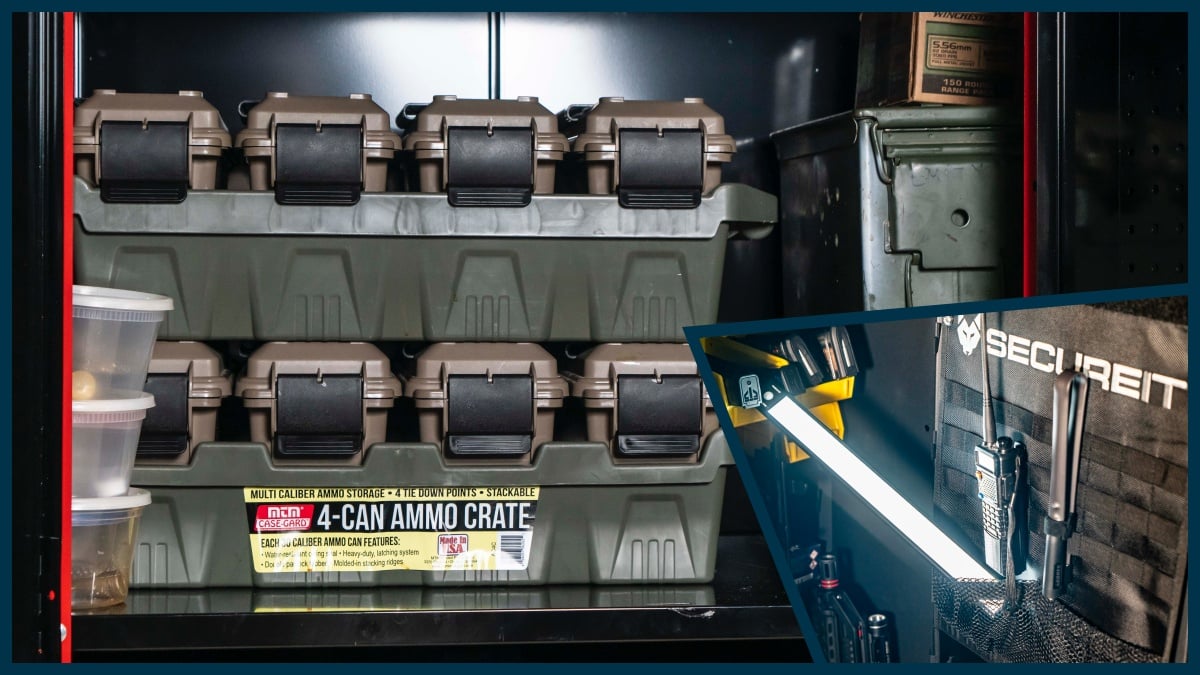
Don’t jam your ammo into the back of a closet and surround it with clutter. Bite that bullet, save yourself time, and invest just a little bit in functional storage containers and labels. For added peace of mind, add a basic lock and call it a day.
All the other tips above are easier if you just take a little time to create a proper storage system that fits your needs.
Final Thoughts
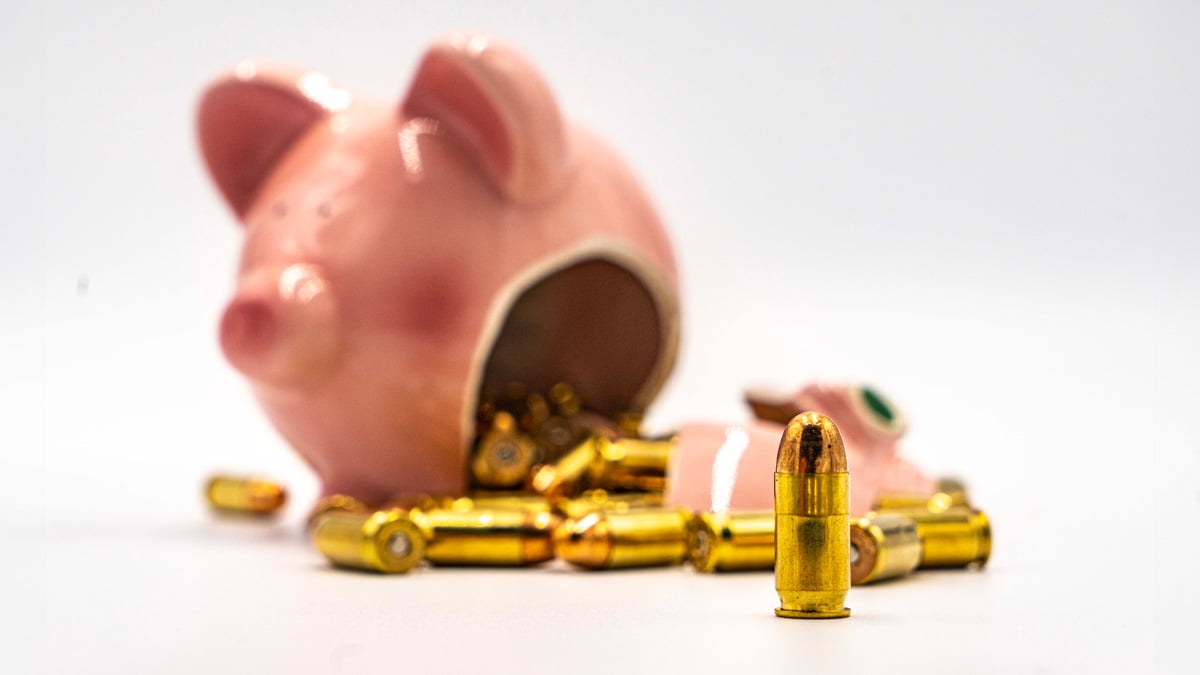
Over time, I have put more money into the ammo I shoot than into most of the guns in my safe. Ammunition is an investment, especially in an age where we’ve seen soaring prices and repeated shortages.
It doesn’t have to be an expensive solution. It just needs to be a well-thought-out plan. Find a low-humidity storage area with cool temperatures, invest in some basic storage containers and moisture absorbers, cycle your stockpile by shooting the oldest stock first, and you should be good to go.
Add some security and time-saving labels to finish the job.
It’s that simple. If you want your ammo to live up to its full potential, put some effort into your storage. It comes with free peace of mind down the road, too.